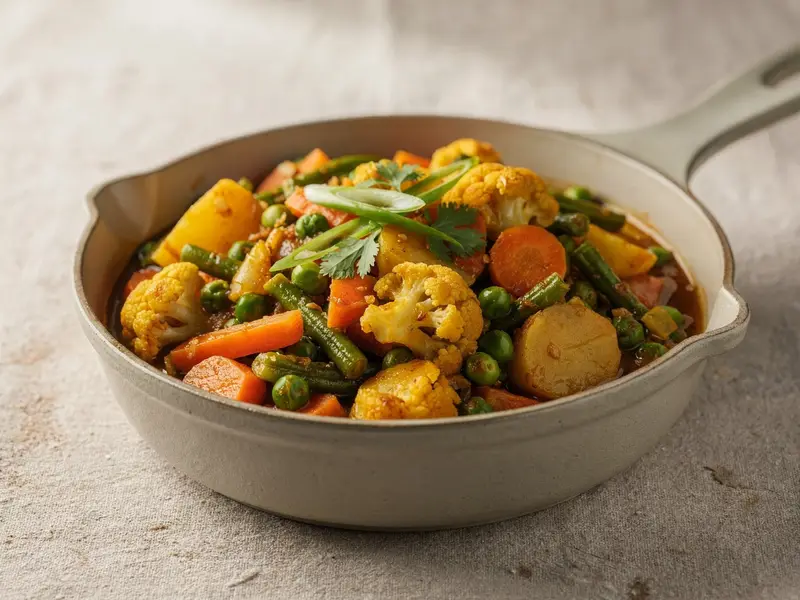
Aloo Gobi
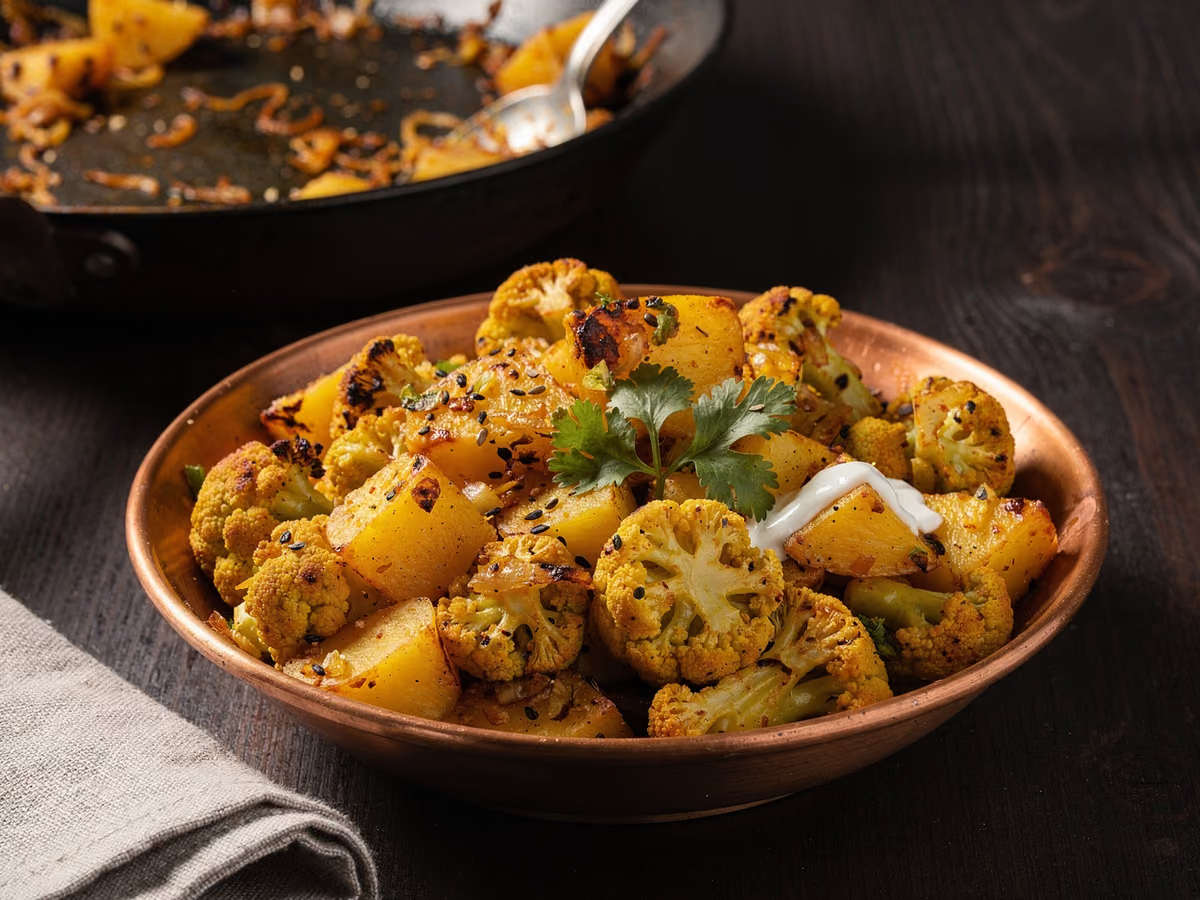
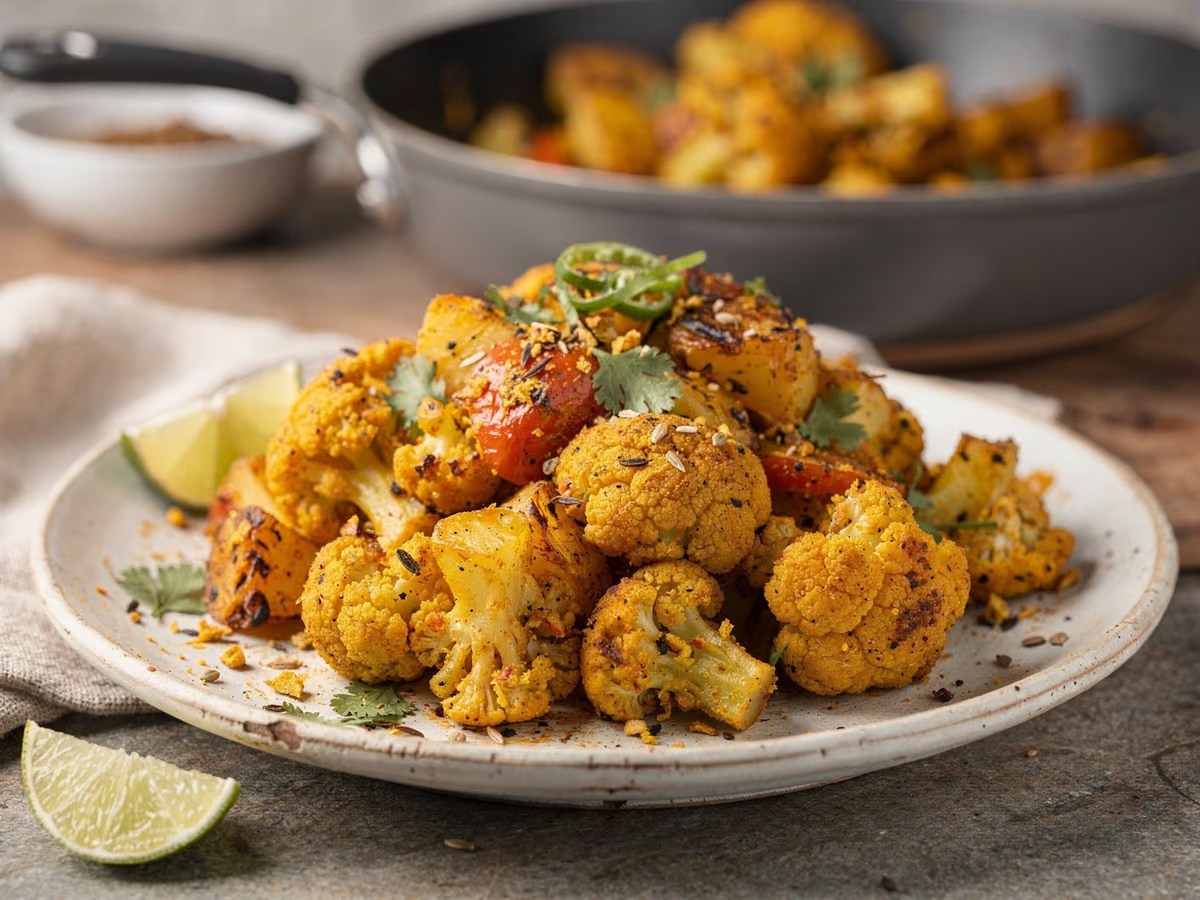
A dry sabzi lives or dies on its steam. Aloo gobi is not a curry, and the pan proves it: 400 g of potato cubes and 500 g of cauliflower florets go into a finished masala with nothing but the moisture they carry, then steam under a tight lid on low heat. Keep the flame low. Stir gently every 5 minutes, and your florets stay whole while the potatoes soften to the middle. Fifteen minutes of prep, 25 minutes at the stove, and four portions you can carry to the table with nothing more than hot roti.
- Prep
- 15 min
- Cook
- 25 min
- Total
- 40 min
- Serves
- 4
Ingredients
What you’ll need — tap to tick off as you go
- 400 g
- 500 g
- 3 tbsp
- 1 tsp
- 1 tbsp
- 3 cloves
- ½ tsp
- 1 tsp
- 1 tsp
- 1 tsp
- 2 tbsp
Process
Timers built in · swap anything · ask as you cook
Warm a wide, heavy frying pan or kadai over medium heat with the full 3 tbsp vegetable oil. Scatter in 1 tsp cumin seeds and give them about 30 seconds, until they darken a shade and smell toasted. Blooming the seeds in oil is what builds the base note for everything that follows, and 30 seconds is the line between toasted and bitter. Stay at the stove.
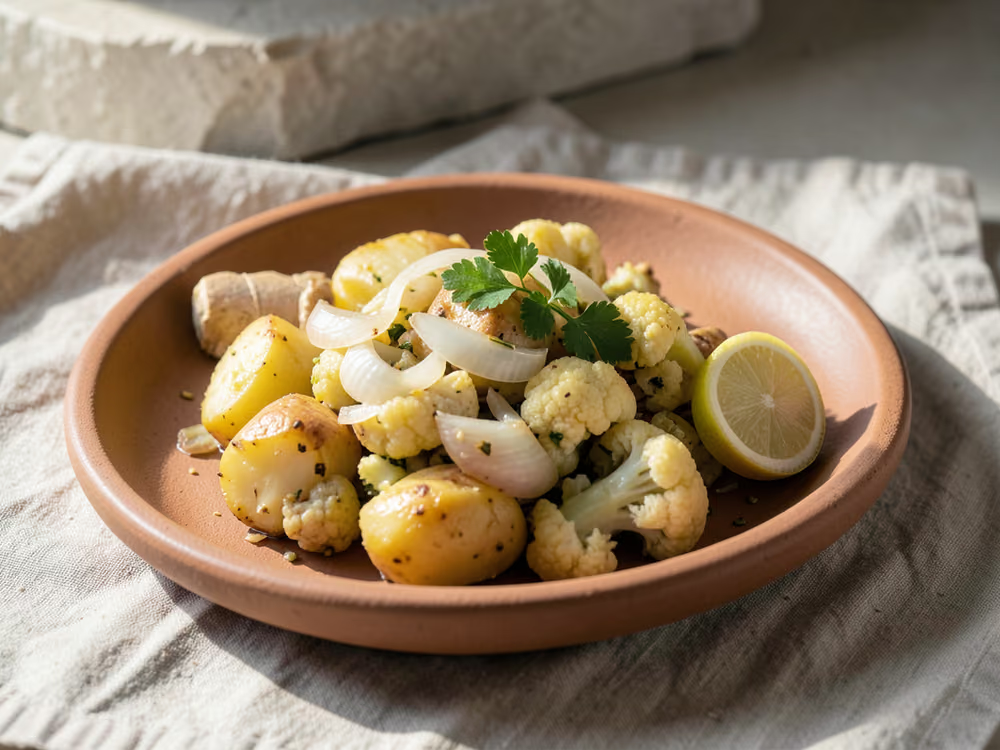
Add the finely chopped onion and cook for about 5 minutes, stirring every minute or two, until the edges turn golden brown. Those 5 minutes do two jobs. The onion sheds its water and sweetens into the base, and the color it takes on is the color your finished dish will carry. Rush it and the base stays raw.
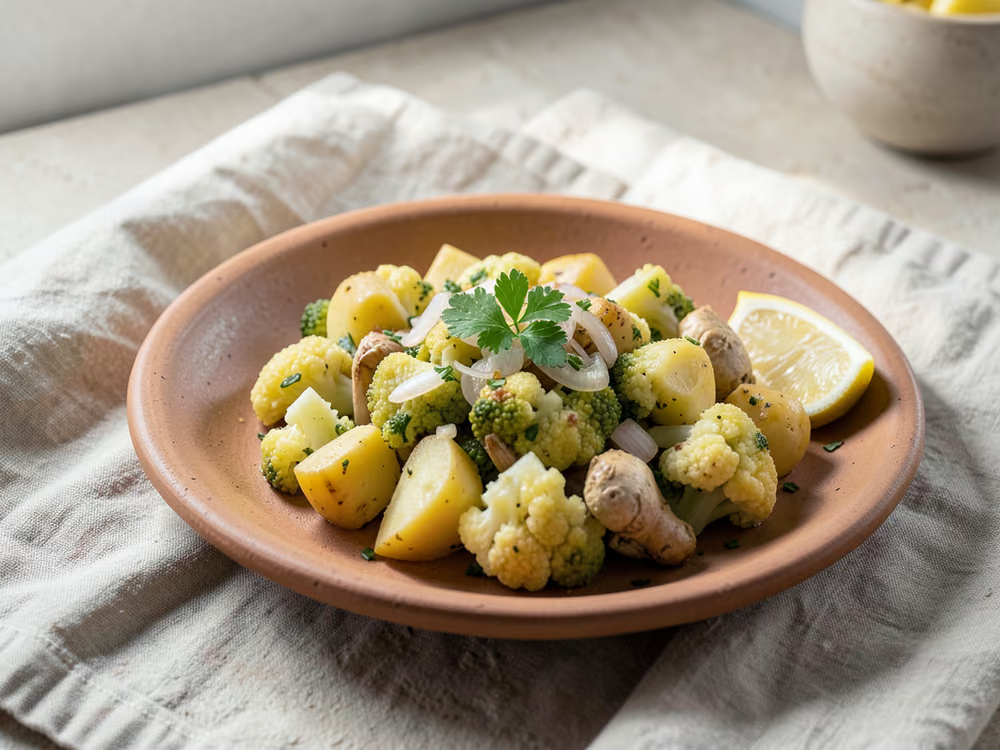
Stir in 1 tbsp grated ginger and 3 garlic cloves minced to a paste, then give them 1 minute, until the raw smell lifts and the pan smells sweet. This is quick work. Garlic turns from sweet to sharp in seconds, so keep your spoon moving and the heat moderate.
Add the 2 chopped tomatoes, 0.5 tsp turmeric, 1 tsp coriander powder, and 1 tsp salt. Cook for about 4 minutes, pressing the tomatoes with the back of your spoon, until they collapse and the oil separates at the edges of the paste. That slick of oil tells you the masala has fried, so it will season the vegetables instead of tasting raw.
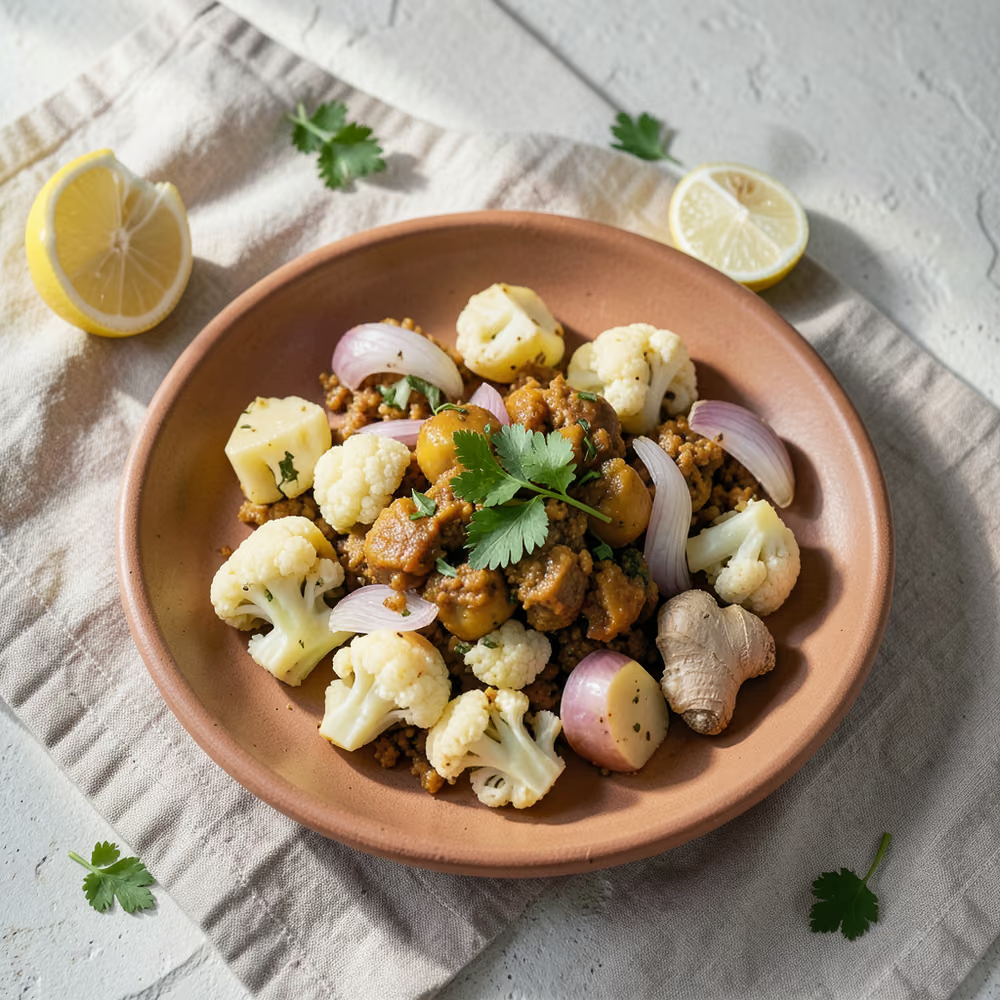
Tip in the 400 g potato cubes and the 500 g cauliflower florets, then fold everything together until each piece wears an even coat of masala, about 2 minutes. Work from the bottom of the pan. Bare florets will taste like plain vegetables, so make sure yours are coated before the lid goes on.
Reduce the heat to low, cover the pan with a tight lid, and cook for 15 to 20 minutes, lifting the lid every 5 minutes to stir gently from the bottom. The vegetables steam in their own moisture. Trust the steam. If your base looks dry and pieces start to catch, add 1 tbsp of water at a time, because a wet pan softens the florets and thins the coating.
Take off the lid, sprinkle the 1 tsp garam masala over the top, and fold it through gently. Cook uncovered for 2 minutes, until the loose moisture has gone and the coating looks glossy rather than wet. Two minutes is enough. The surface dries, and the garam masala keeps its aromatics, which long cooking would drive off.
Scatter the 2 tbsp chopped fresh coriander over the dish and carry it to the table in a warm bowl. Serve with roti, naan, or rice. Coriander goes on last because its perfume is delicate, and your first plate is best within ten minutes of the lid coming off.
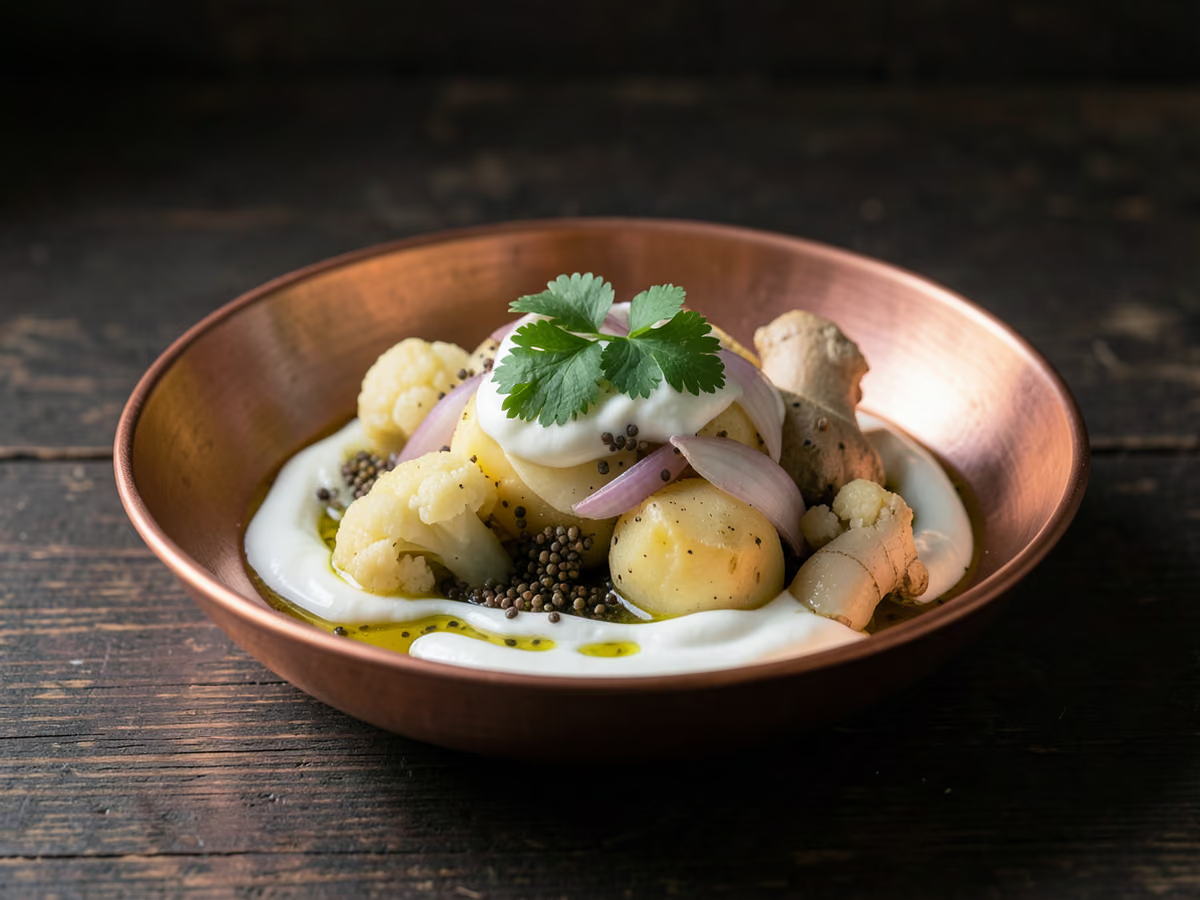
Why this recipe works
Covered cooking is the whole trick. Cauliflower is mostly water, so the vegetables steam in their own moisture, and any water you add is a repair rather than an ingredient. The pan does the rest. Cubes cut to 2 cm cook at the same pace as small florets, which is why both finish inside the same 15 to 20 minute window. Frying the tomato and ground spices until the oil separates turns them into a coating that clings to every piece instead of pooling at the bottom of the pan. The garam masala waits for the end because its aromatics are volatile, and 2 minutes of heat is all they need.
Equipment
- Wide heavy frying pan or kadai, about 28 cm across, with a lid
- Tight-fitting lid (the steam does the cooking here)
- Chef's knife and cutting board
- Fine rasp or box grater for the ginger
- Measuring spoons
- Wooden spoon or heatproof spatula
- Warm serving bowl or wide platter
Kitchen notes
Kitchen notes
- Dry the cauliflower well after rinsing (wet florets steam before the masala can cling, and the coating is where the seasoning lives).
- Grate the ginger on the fine side and mince the garlic to a paste; both then melt into the base instead of arriving as sharp pockets. A fine rasp does the ginger in seconds.
- Why fry the paste that far? Because the water in the tomato has to leave before the oil can separate, and that slick of oil is what carries the spices onto the vegetables. Pull it early and the dish tastes raw.
- Choose a heavy pan with a tight lid. A thin pan hunts for hot spots and scorches the base while the vegetables are still firm, and a loose lid lets the steam out too soon. Weight matters.
- There's no need to add water when the vegetables go in; the pan makes its own steam within minutes. Wait until you see your base drying out before you reach for the spoon.
Common mistakes
- The pan dries out and the vegetables stick: the heat ran high or the lid sat loose, so moisture escaped before the vegetables finished cooking; drop the flame to low, use a heavier pan, and add 1 tbsp of water at a time if your base looks dry.
- Mushy cauliflower while the potatoes stay firm: florets cut larger than the cubes take longer than the potatoes do; keep both at 2 cm, and test a potato before you give the pan more time.
- The florets break down into a paste: hard stirring or a rolling boil tears cooked cauliflower apart (a wooden spoon worked in lifts, not scrapes, keeps them whole); stir every 5 minutes with a light hand.
- The masala tastes raw and flat: the tomato and ground spices came off the heat before the oil separated, so the paste never fried; give it the full 4 minutes, until the oil beads at the edges, then taste for salt.
- Hard middles in the potatoes after 20 minutes: the cubes were cut past 2 cm, or the pan was too thin to hold a low, even heat; cover the pan again for 3 to 5 minutes, and cut the next batch even.
Serving suggestions
- With roti, paratha, or naan, and a bowl of dal alongside; scoop with the bread rather than chasing pieces with a fork, and you will want the last spoonful of masala.
- On a weeknight plate with steamed basmati rice, a spoonful of mango pickle, and a cucumber salad.
- Warm rather than blazing hot: 5 minutes off the heat lets the coating thicken and the spice base round out.
- Bring the pan to the table and gather everyone while the coriander is still green; cold leftover aloo gobi, lightly mashed, turns into a filling for a toasted sandwich or a stuffed paratha.
Variations
- Restaurant style: brown the potatoes and cauliflower in the oil first, then lift them out and build the masala in the same pan; those seared edges keep a little crispness that the covered method never gives.
- No onion: leave it out and let the tomato carry the body of the masala; the dish turns lighter and sharper, and it suits a Jain table.
- Drier or looser: 2 extra minutes uncovered gives you a dry sabzi, while 1 more tbsp of water under the lid loosens it into a light coating. Both are proper versions, decided by what sits beside them on the plate.
Refrigerator
- RefrigeratorCool the pan within 2 hours, then move the aloo gobi to an airtight container in the refrigerator, where it keeps for up to 3 days. Your florets will soften a little each day, so the first day tastes closest to fresh.
- ReheatingWarm it in a covered pan over medium-low heat with 1 tbsp of water, giving it a stir now and then, or let the microwave run at 70 percent power for 2 to 3 minutes, stirring once, until it is steaming and reads 74°C (the USDA target for reheated leftovers). No thermometer? A hot center and rising steam tell you the same thing. Add your coriander after heating.
- FreezingPortions freeze well for up to 2 months in a freezer-safe bag or container, then thaw overnight in the refrigerator. Expect softer florets, because the coating protects flavor, not texture.
- Make aheadCook it fully up to 3 days ahead and reheat gently, or build the masala base a day early and steam the vegetables fresh. Either way, hold your coriander until the last minute.
Updated:
How this recipe was developed
- USDA FSIS, Leftovers and Food Safety: refrigerate cooked food within 2 hours, keep leftovers 3 to 4 days, and reheat them to 165°F (74°C).
- America's Test Kitchen, How to Make Indian Aloo Gobi: the vegetables must finish tender but firm enough to hold their shape; the winning method is dry heat first, then covered moist heat until the reduced liquid coats every piece.
- BBC Food, Aloo gobi: the potatoes steam under a lid with only a splash of water, and the cauliflower finishes a little al dente.
- NYT Cooking, Aloo Gobi: the constant across versions is vegetables cooked tender but not falling apart, with just enough water added to help them finish steaming.
Editorial references are kept internally for verification. This page makes no claim of external certification or professional testing.
Gallery
FAQ
The questions we get asked most
Why did my aloo gobi come out dry and stuck to the pan?
Too much heat, or a lid that sits loose? Both drive off the moisture before the vegetables finish. Stay on low, choose a lid that fits, and add 1 tbsp of water at a time only if your base looks dry. Stir every 5 minutes so nothing settles and catches.
Can I use frozen cauliflower instead of fresh?
Yes, and skip the thaw. Add the frozen florets in step 5 and give them 10 to 12 minutes instead of the full 15 to 20, since frozen cauliflower sheds water as it heats and softens faster. Expect a softer texture than fresh, so add water only if your pan truly needs it.
How do I know when the potatoes and cauliflower are done?
A knife should slide into the thickest part of a potato cube with no resistance, while the cauliflower stem gives easily and the florets still hold their shape. Check the largest piece. If either is firm, cover the pan and cook 3 to 5 minutes more.
Can I make aloo gobi ahead of time for a party?
Yes. Cook it fully, cool it quickly, then refrigerate. Coming back to it later, warm the pan over medium-low heat with a splash of water and cover, or let the microwave run at 70 percent power until it is hot; it's fine straight from cold. Add the fresh coriander after heating so it stays bright.
Why is my aloo gobi bland?
Nine times out of ten, the spices never bloomed. The cumin needs its 30 seconds in the hot oil, and the tomato and ground spices need to fry until the oil separates, about 4 minutes. Taste after step 6, then add up to 1/4 tsp more salt or garam masala if the dish still needs a push.
Can I substitute the potatoes with something else?
Yes. Sweet potato, butternut squash, or green beans all work at the same weight, 400 g in place of the potatoes. The sweet ones soften sooner, so check them at 10 minutes, while green beans need 8 to 10 minutes and keep their snap.
Can I double the recipe for a crowd?
Yes, but give the vegetables room. Two pans, or two batches in the same pan, keep the pieces from stewing in trapped steam; a crowded pan softens the florets long before the potatoes are done. The timing stays at 15 to 20 minutes, but check a potato early.
Ask KitchenMind about this recipe
Tell it what’s different tonight — it works within the actual recipe.