Arroz con Pollo
Twenty minutes into the simmer, the kitchen smells of toasted rice, sweet paprika, and chicken fat, and the pot gives nothing away. That is the good sign. You brown 1.2 kg of bone-in thighs hard, turn 400 g of long-grain rice through the rendered fat, then pour in 750 ml of broth and leave the whole pan alone under a tight lid. Your prep runs about 20 minutes, and the next 45 belong to the stove. One pan, six servings, rice that tastes of the bird it cooked under.
- Prep
- 20 min
- Cook
- 45 min
- Total
- 65 min
- Serves
- 6
Ingredients
What you’ll need — tap to tick off as you go
- 1 ¼ kg
- 400 g
- 2 tbsp
- 4 cloves
- 2 tbsp
- 1 tsp
- 1 tsp
- 1 tsp
- 750 ml
- 150 g
- 80 g
- 1 ½ tsp
- ½ tsp
- 15 g
Process
Timers built in · swap anything · ask as you cook
Pat the 1.2 kg of thighs dry with paper towels and season both sides with salt at 1.5 tsp and black pepper at 0.5 tsp. Dry skin is the whole game. Moisture must boil off before browning can begin, so a wet thigh steams in its own juice and never takes on color. Set the pieces skin-side up and blot once more. (Cold chicken browns unevenly.)
Heat the 2 tbsp olive oil in a 12-inch skillet over medium-high until it shimmers, then lay the thighs skin-side down and leave them alone. Do not crowd the pan. Give them 5 to 6 minutes on the first side, until the skin turns deep gold and lets go of the pan, then 5 to 6 after you turn them. They stay underdone on purpose: the browned skin and rendered fat are your flavor base.
Lower the heat to medium and pour off all but about 2 tbsp of the fat. Add the chopped onion and diced pepper and cook for 5 minutes, working the stuck bits free as the vegetables soften, until the onion turns translucent and its edges pick up color. Those stuck bits are concentrated chicken flavor, and the moisture from your vegetables is what lifts them back into the oil.
Stir in the 4 minced cloves, 2 tbsp tomato paste, 1 tsp cumin, 1 tsp oregano, and 1 tsp smoked paprika, then cook for 1 minute, stirring, until the paste darkens to brick and smells sweet rather than raw. Keep the spoon moving. Ground spices scorch in seconds at this heat, and burnt cumin turns your whole pot bitter with no way back.
Add the 400 g of rinsed, drained rice and stir for 2 minutes to coat every grain. You are listening for a dry rattle and looking for glassy edges (wet rice steams instead of toasting). Toasting sets the outside of each grain, so it drinks broth at a slower, more even rate and stays separate, the difference between pilaf and porridge. Skip it and your rice goes from chalky to collapsed with nothing in between.
Pour in the 750 ml broth, add the bay leaf, and scrape the bottom clean. Bring it to a full boil, then taste a spoonful of the liquid and add salt if it needs it, since the rice will take the edge off. Starting from a real boil matters, because your covered pot reaches its simmer at once instead of creeping up unevenly through the first ten minutes.
Nestle the thighs into the rice skin-side up, keeping the skin above the liquid, and pour in any juices from the plate. Turn the heat to its lowest setting, cover, and simmer for 20 minutes without lifting the lid. Do not stir. Steam does the work from here, and every stir releases starch and heat, so the bottom scorches while the top stays wet.
Uncover and scatter the 150 g of frozen peas over the rice, plus the 80 g of sliced olives if using them. Replace the lid and cook for 8 to 10 minutes more, until the rice is tender with no chalky center. Not sure it is done? Taste a grain. The surface should show small steam holes, the edges of your pan should look dry, and a thigh at the center should read 74°C.
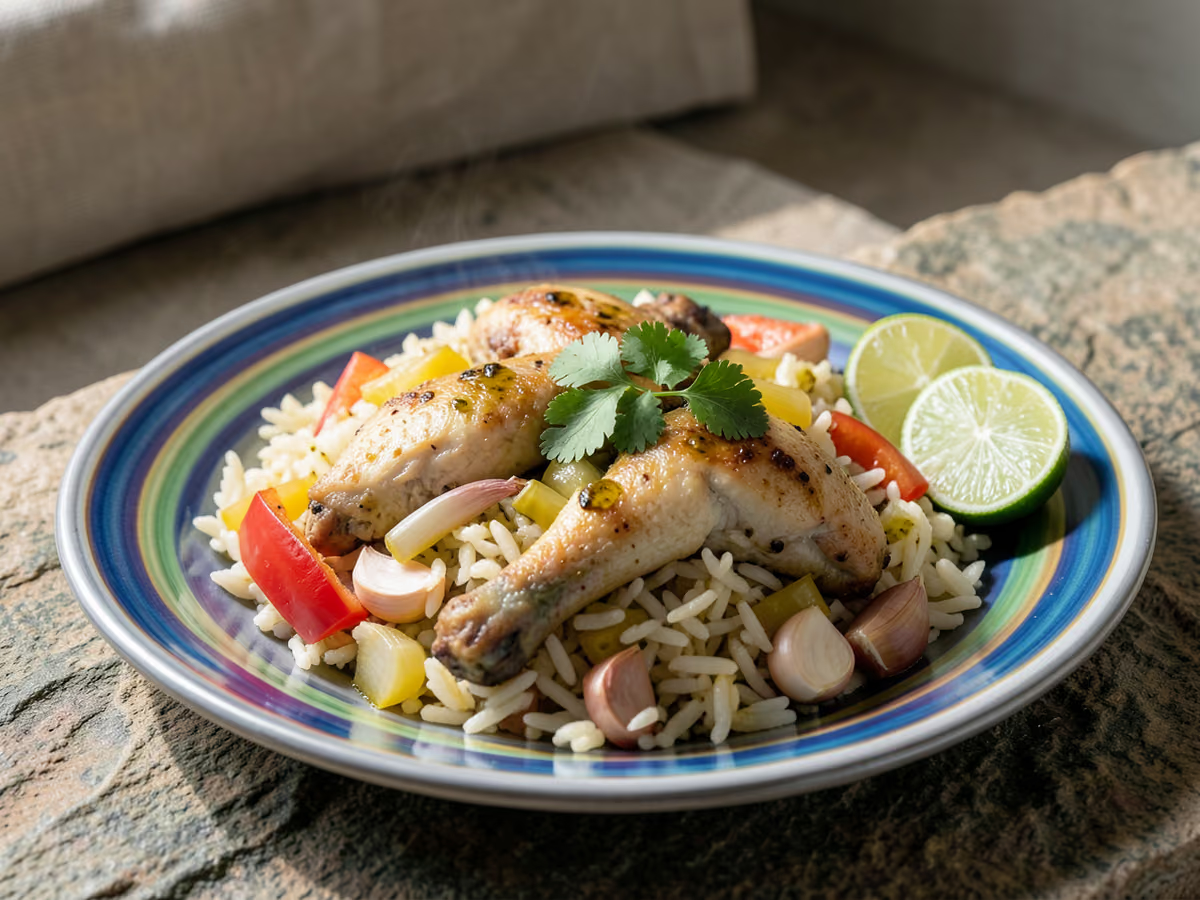
Take the pan off the heat and let it stand, still covered, for 5 minutes, then fluff the rice with a fork, turning it up from the bottom rather than pressing it flat, and fish out the bay leaf. Scatter the 15 g of chopped cilantro over the top if you want it. That rest lets steam settle, so your grains firm up instead of smearing on the plate.
Why this recipe works
Rinsing the 400 g of rice until the water runs clear strips off the loose surface starch, and that starch glues a pot of rice into paste. Toasting the dry grains in seasoned fat adds a second guard: each grain picks up a slick coat, so it takes broth slowly and keeps its shape. The order matters. Why does the tomato paste go in before the broth? Its color and sweetness are fat-soluble, and 1 minute in hot oil draws both out; add it to the liquid and you taste tomato, not depth. Low heat and a tight lid finish the work, because trapped steam cooks every grain at the same rate. Stir now and you undo the rinsing.
Equipment
- 12-inch (30 cm) heavy skillet or a 4-litre Dutch oven with a tight-fitting lid
- Instant-read thermometer
- Fine-mesh sieve or colander for rinsing the rice
- Long tongs for turning the thighs
- Wooden spoon with a flat edge
- Measuring jug and measuring spoons
- Wide plate for the seared chicken
- Foil, if your lid does not seal well
Kitchen notes
Kitchen notes
- Taste the broth at step six, not the finished rice, because a spoonful tells you what the pot will taste like and that is your last chance to correct the seasoning before 20 minutes of steaming sets it.
- Worried the bottom will scorch? If the rice looks wet at the 20-minute mark, leave the lid off for 2 minutes before the peas go in, so the extra water leaves as steam instead of stewing the grains. The surface dries fast. Worth the two minutes.
- A folded towel under a loose lid traps the steam that escapes from the rim, which is the difference between rice that steams and rice that simmers dry. It sounds like a trick. It works like a seal.
- The skin softens under the lid, so don't worry about crispness until the end. For crackling skin, run the uncovered pan under a hot broiler for 2 minutes at the very end, and watch closely (the rice browns at the same speed).
- Ask the butcher to halve each thigh through the bone. Smaller pieces sear faster, fit your pan in one layer, and cook through inside the 20-minute simmer instead of forcing you to leave the lid off longer, which dries the top of the rice.
Common mistakes
- Mushy rice: the pot was stirred after the broth went in, or the heat ran high under a thin pan. Do not stir once the lid is on. Shake the pan, and measure the full 750 ml of broth with nothing extra.
- Chalky rice over a dry pan: the lid leaked steam for the whole 20 minutes. Add 60 ml of hot broth and cover. Five minutes off the heat finishes what the simmer could not.
- Scorched bottom: a thin skillet, a burner that will not go low, or rice piled deeper than the pan can carry. Heat is usually the culprit. Use a heavy pan. If your lowest setting still bubbles hard, slide a heat diffuser under it.
- Pale, flat rice: the sofrito was rushed, or the tomato paste went in with the broth instead of frying, since neither develops in half the time and neither recovers once the pot tastes raw. Give the onion its 5 minutes and the spices their full minute in oil.
- Torn skin and dry meat: cold, wet thighs crowded into a pan that was too small, so the skin steams instead of crisping. Dry them, let them sit out for 10 minutes, and sear in two batches.
- Salty pot: the broth boiled down hard, or the olives went in at the start and gave up their brine. Add olives at the end, and taste the liquid before the lid goes on.
Serving suggestions
- Take the pan straight to the table and serve from the stove, with lime wedges and sliced avocado alongside; the acid cuts the smoked paprika and the fat. Lime first, then salt.
- Black beans and a peppery cabbage slaw round out the plate for six, and both stand up to the rice without competing with it.
- Sparkling water with lime, or iced tea, poured over plenty of ice. Keep the glasses cold.
- Leftover rice fries beautifully, so a hot pan with a little oil turns last night's pot into a fast arroz frito with a fried egg on top. Day-old rice is the right texture for it.
- Spoon it out while the steam still rises. The first bowl, eaten standing at the counter, is the one worth repeating.
Variations
- Saffron version: steep 10 to 12 threads in 2 tbsp of warm broth and add it with the liquid. The rice turns gold and the flavor moves toward paella. Color is not flavor. Turmeric gives the tone without the perfume, though at a quarter teaspoon it adds little else.
- Breast version: sear boneless, skinless breasts for 2 to 3 minutes a side, pull them, and return them to the pot for the last 10 minutes, because they dry out faster than thighs. The shorter simmer is not optional.
- Crisp-bottom version: after the 5-minute rest, set the covered pan over medium heat and give it 2 to 3 minutes to crisp the bottom layer. Listen for crackling. Pull it before the smell turns bitter.
Refrigerator
- RefrigeratorGet the food cold fast: within 1 hour, move the rice and chicken into a shallow container and refrigerate. Flat chills faster. Eat it within 24 hours, because cooked rice is the limiting factor here rather than the chicken.
- ReheatingReheat it in a lidded pan over low heat, adding a spoonful of water or broth first, or give it 1-minute bursts in a covered microwave dish. Stop when it steams all the way through and reads 74°C (trapped steam is what rescues dry grains). Stir once at the midpoint so the middle catches up with the edges.
- FreezingNot recommended. Cooked rice breaks down in the freezer and thaws slack and grainy, and the chicken gives up its juices on the way out. If you have more than you can eat in a day or two, freeze the chicken alone, covered in its juices, for up to 2 months.
- Make aheadSear the chicken and cook the sofrito up to 1 day ahead, then refrigerate them separately and pick up at step five. Cook the rice fresh. It is the part that does not wait.
Updated:
How this recipe was developed
- USDA FSIS Safe Minimum Internal Temperature Chart (poultry cooked to a safe minimum of 74°C; leftovers reheated to 74°C)
- UK Food Standards Agency, Home food fact checker (cooked rice chilled within 1 hour, refrigerated no more than 24 hours, reheated once until steaming hot)
- FoodSafety.gov Cold Food Storage Chart (cooked poultry leftovers frozen for 2 to 6 months)
- America's Test Kitchen, Arroz con Pollo (toasting the rice before the liquid, no stirring once the broth goes in, resting the covered pot off the heat)
Editorial references are kept internally for verification. This page makes no claim of external certification or professional testing.
FAQ
The questions we get asked most
Why is my arroz con pollo mushy?
Three causes, usually together: stirring after the broth went in, more liquid than the rice can drink, or heat high enough to break the grains. Low heat, always. Once the lid is on, shake the pan instead of stirring. Measure the 750 ml exactly, keep your burner at its lowest setting, and let the pot stand 5 minutes off the heat before you fluff it with a fork.
Can I use chicken breast instead of thighs?
Yes, with a change of timing. Sear boneless, skinless breasts for 2 to 3 minutes a side, pull them out, and return them for the last 10 minutes, then check the thickest part with a thermometer, because 74°C is the number that matters. Breast has little fat to give, so your rice tastes leaner.
How do I know when the rice is fully cooked?
Taste a grain from the center of the pan, which should be tender with no chalky core, and check that the surface shows small steam holes with no liquid pooling. Do not guess. If the rice is still firm and your pan looks dry, add 60 ml of hot broth, cover, and give it 5 minutes off the heat.
Can I make arroz con pollo ahead of time?
Sear the chicken and cook the sofrito up to 1 day ahead, then refrigerate them separately and finish from step five. The finished dish is best the day it is made. Slightly undercook the rice by 2 minutes if you plan to reheat it, since it softens a second time.
Can I freeze the leftovers?
It is not worth it. Rice loses its texture in the freezer and thaws wet and grainy, and no amount of reheating brings the grains back. Freeze the chicken alone, covered in its juices, for up to 2 months, and cook a fresh pot of rice with it. Reheat it once, until steaming.
What can I use instead of tomato paste?
Two tablespoons of tomato sauce, or one large ripe tomato grated into the pan and cooked with the onion and pepper until its liquid evaporates before the rice goes in. Otherwise the extra water pushes your rice past its ratio.
Can I add saffron for a deeper color?
Yes. Steep 10 to 12 threads in 2 tbsp of warm broth and add them with the liquid. Saffron brings a floral note and a gold tone that smoked paprika cannot reach. Turmeric at a quarter teaspoon is the cheap substitute for color alone.
Ask KitchenMind about this recipe
Tell it what’s different tonight — it works within the actual recipe.