Batata Harra Spicy Potatoes
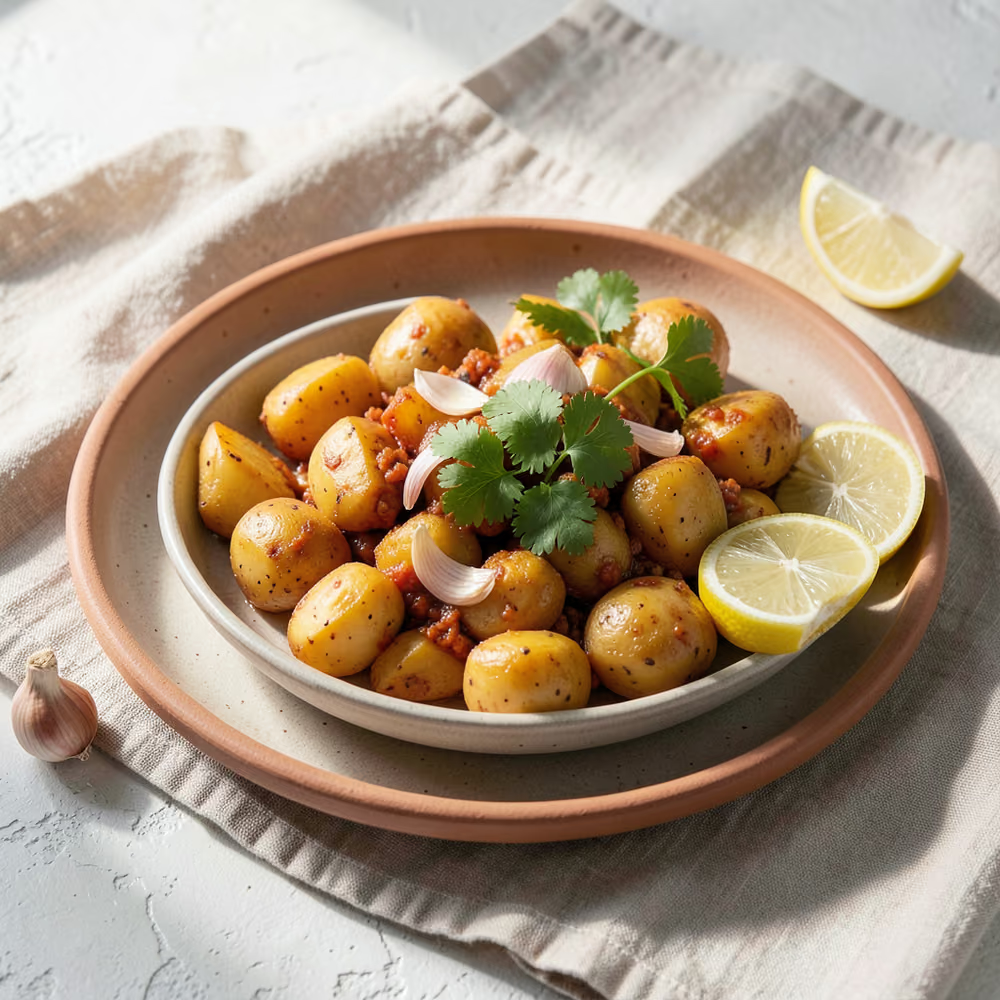
Batata harra, Arabic for spicy potatoes, is the mezze dish that arrives sizzling from Lebanon's coastal kitchens. The build is classic: 800 g of potato peeled and cubed, parboiled until just shy of tender, steam-dried, then pan-fried in olive oil until the edges shatter. Dry them well. Garlic, red chili flakes, ground coriander, and sweet paprika hit the pan for less than a minute at the end, followed by lemon juice and fresh cilantro. You get crisp edges, fluffy centers, and a bright garlicky finish. Forty-five minutes, four portions, and one worthwhile pause while the potatoes dry.
- Prep
- 15 min
- Cook
- 30 min
- Total
- 45 min
- Serves
- 4
Ingredients
What you’ll need — tap to tick off as you go
- 800 g
- 4 tbsp
- 4 cloves
- 1 tsp
- 1 tsp
- ½ tsp
- 20 g
- 2 tbsp
- 1 tsp
- ½ tsp
Process
Timers built in · swap anything · ask as you cook
Put the 800 g of potato cubes into a large pot, cover with cold water by 2 cm, add 1 tsp salt, and bring to a rolling boil. Simmer 5–6 minutes, until a knife slides through the outside while the center stays firm. Drain them well. Leave the cubes in the colander for 5 minutes to steam dry. Parboiling sets the surface starch for crisping and cooks the middle most of the way through.
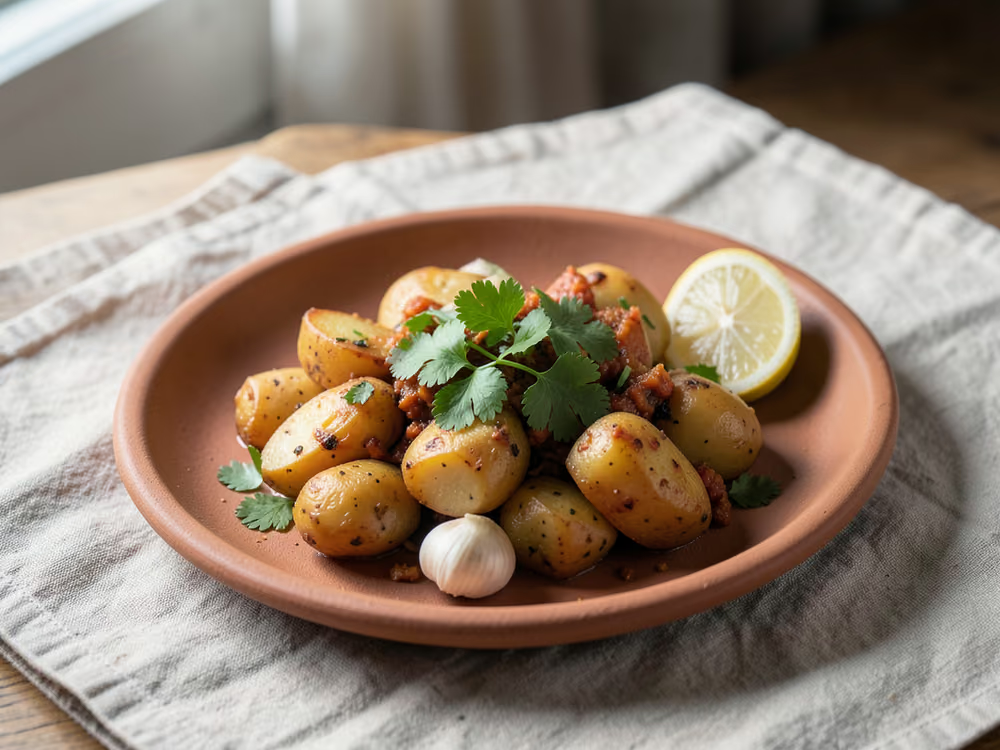
Heat 2 tbsp olive oil in a wide skillet over medium-high until it shimmers, about 180°C. Add your potatoes in a single layer. Leave them untouched for 4–5 minutes, until the undersides are deep golden. Turn the cubes and fry 4–5 minutes more, until all sides are crisp and the centers give way easily. Wondering why a single layer matters? Crowding drops the oil temperature and steams the crust soft, so work in batches if the pan is full.
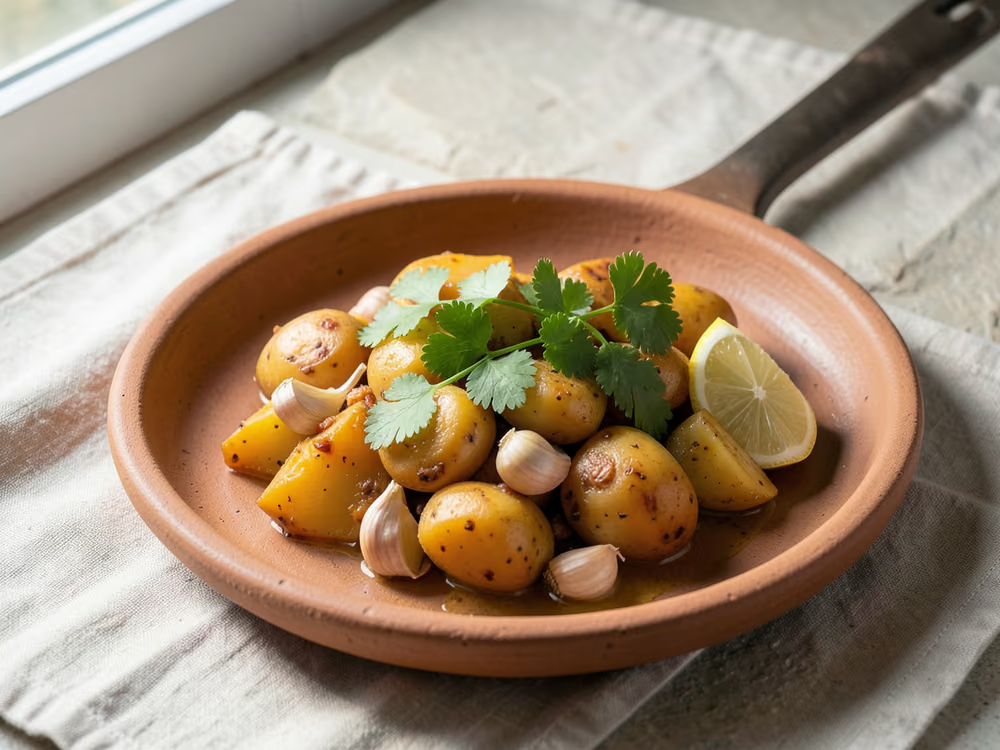
Reduce the heat to medium and add the remaining 2 tbsp olive oil to the same skillet, then the minced garlic, 1 tsp chili flakes, 1 tsp ground coriander, and the paprika if using. Stir constantly for 30–45 seconds, just until the garlic smells toasted and turns pale gold. (Stir without stopping; garlic catches on the pan's hot spots.) Garlic goes from fragrant to acrid in moments, so pull the pan early. A burnt batch cannot be rescued.
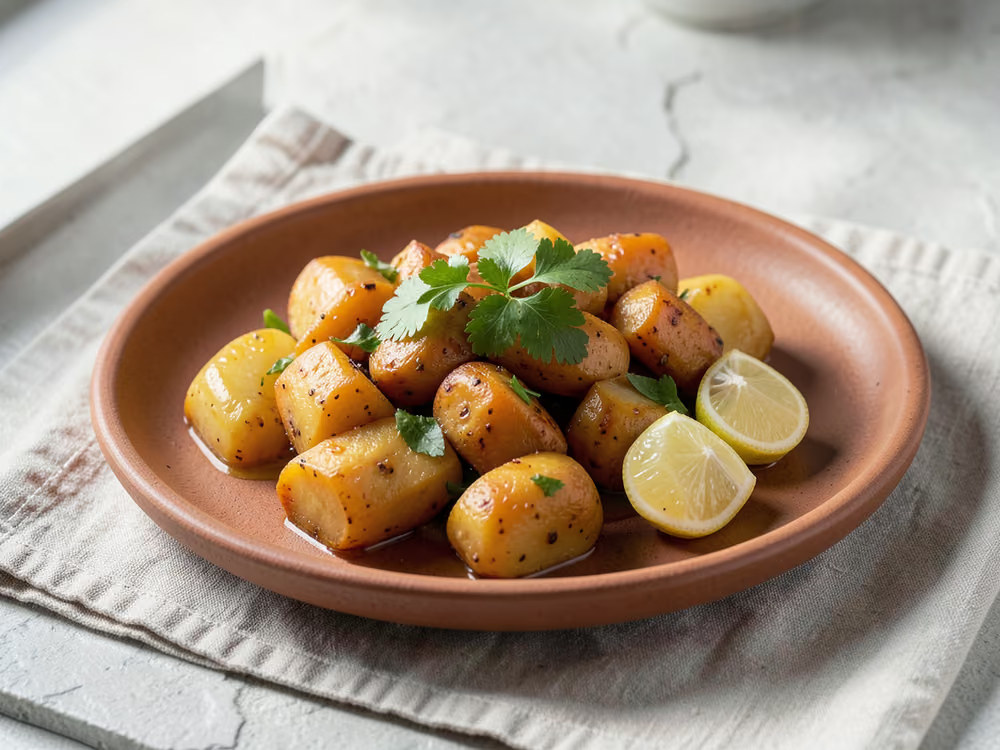
Return the potatoes to the skillet and add the chopped cilantro, 2 tbsp lemon juice, 0.5 tsp black pepper, and a pinch more salt, then toss gently for 1–2 minutes, until every cube is glossy with the garlic oil and heated through. Adding the herbs and acid in this last minute keeps the cilantro bright and the lemon sharp instead of cooked flat. Taste and adjust.
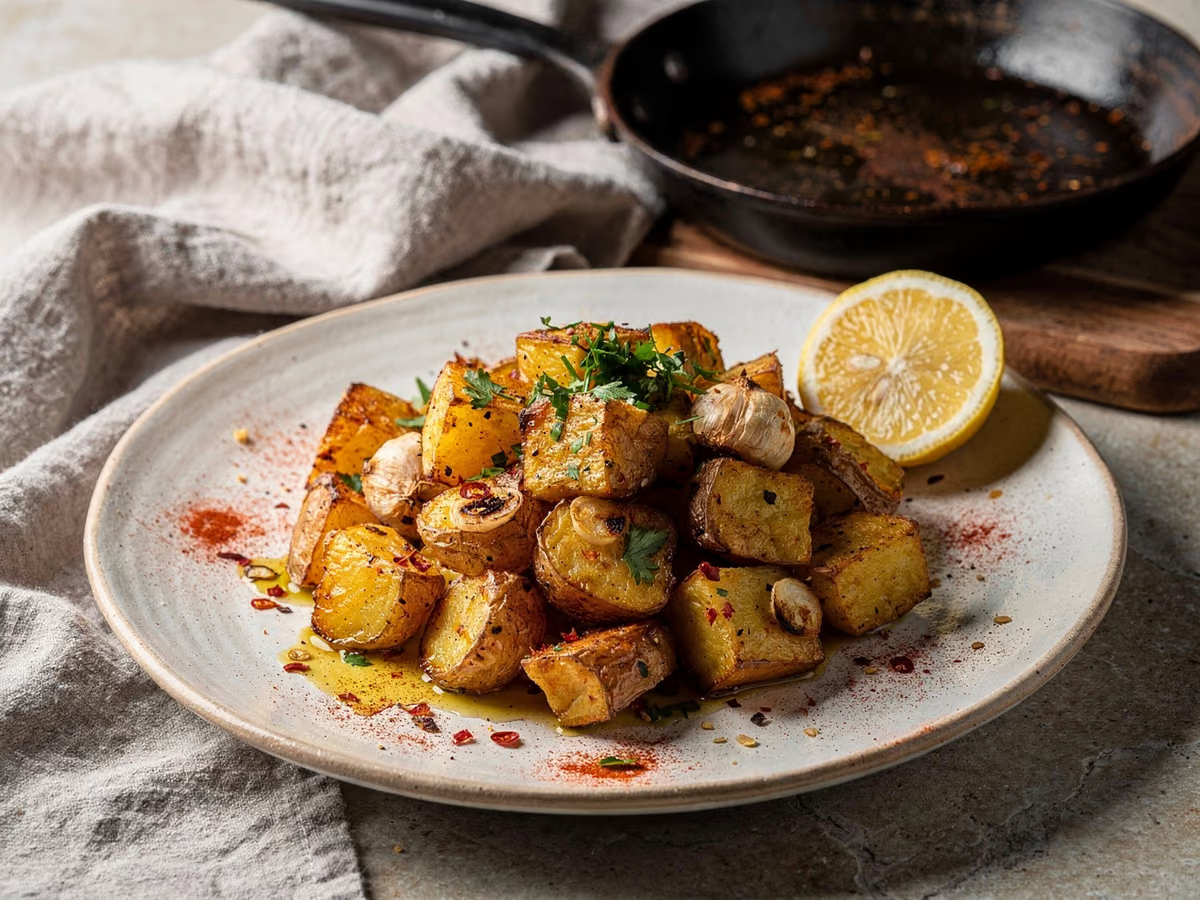
Taste once more and adjust the salt or lemon juice; the dish should finish spicy, garlicky, and sharp. Serve hot or at room temperature as part of a mezze spread, on a wide platter rather than in a deep bowl so steam can escape; the crust is at its best in the first minutes after tossing. Serve it right away.
Why this recipe works
Parboiling does two jobs. It gelatinizes the starch at the surface so a crisp shell can form quickly in the pan, and it cooks the interior most of the way, so your cubes never sit in oil long enough to burn. Steam-drying matters just as much, because surface water must evaporate before browning can begin; wet potatoes stall near the boiling point, splatter, and refuse to color. Frying in a single layer keeps the oil hot enough to crisp rather than steam, and blooming the garlic and spices only after the potatoes come out keeps them from scorching in seconds. Add the lemon and cilantro last. Residual heat warms them without cooking the sharpness out.
Equipment
- Large pot or saucepan, about 3 L, for parboiling
- Colander
- Wide skillet, 28 cm, non-stick or cast-iron
- Chef's knife and cutting board
- Slotted spoon or spider
- Paper towels or a clean tea towel
- Wide serving platter
Kitchen notes
Kitchen notes
- Rinse your peeled cubes under cold running water until the water runs clear before boiling, or loose surface starch glues them together in the pot and dulls the crust.
- Parboiled, dried cubes keep covered for up to 1 day in the fridge, and there's no need to let them warm up first; started cold and dry, they crisp faster than fresh from the pot.
- For extra crunch, spread the fried cubes on a tray and run them 5 minutes at 200°C before tossing; the dry oven heat chases off the last surface steam.
- Mince the garlic to a paste with a pinch of salt instead of chopping it. Paste disperses through the oil in seconds. Pieces brown outside and stay sharp within. (A microplane is the fastest route to a paste.)
- Salt the potatoes the moment they come out of the frying oil, while the crust is still shiny, so the grains cling to the surface where you want it. (A pinch of flaky salt on top adds crunch right before serving.)
Common mistakes
- Soggy potatoes: wet surfaces or a crowded pan turn the fry into a steam, so dry your cubes until they feel matte, then cook them in a single layer and fry in two batches if the skillet is small.
- Bitter, acrid garlic: it scorches within seconds at frying heat, especially if it went in with the potatoes, so bloom it in the last stage over medium heat for 30-45 seconds. Then pull your pan off the heat. If it colors a shade early, it's fine — off the heat it stops dead.
- Hard, raw centers: cubes cut larger than 2 cm or a parboil cut short leave the middle dense while the outside colors. Keep every cube near 2 cm. Simmer the full 5-6 minutes.
- Pale, greasy crust: oil that never got hot enough soaks in instead of sealing the surface, so your best bet is waiting for the shimmer before your potatoes go in, then letting the pan come back up to heat between batches.
- Oil spitting across the stove: droplets of surface water flash to steam in hot oil, so drain the colander well and pat the cubes dry before they go in; that same step is what makes them crisp. If a few droplets still jump, no problem — lower the heat a touch and keep your sleeves clear.
- The crunch fades before dinner: dressed potatoes soften as they sit. Keep them undressed until the last minute. Need that crunch back? Re-crisp fried cubes 5 minutes in a 200°C oven before the final toss.
Serving suggestions
- As part of a mezze table with hummus, tabbouleh, and warm pita — the traditional setting.
- As a side for grilled chicken or fish, or tucked alongside falafel.
- Eaten warm or at room temperature, the garlic-lemon oil keeps the flavor vivid even as the crackle fades. The temperature is up to you.
- Topped with a fried egg for a quick dinner, a nod to how it is eaten at home, not just from a mezze tray. Leftover cubes, roughly chopped, make a fine filling for a warm omelet the next morning.
Variations
- Air fryer: toss the parboiled, dried cubes with 2 tbsp of the oil and cook at 180°C, shaking your basket every few minutes, until deeply golden — lighter, still crisp.
- Sweet potato: parboil only 3-4 minutes and fry over medium heat, watching closely, because the sugars brown much faster and the flesh softens sooner.
- Oven-roasted: spread the parboiled cubes on a tray with 4 tbsp olive oil and roast at 200°C until the edges catch and crisp, then toss with the garlic-cilantro mix.
- Batata b kizbara: stick with the coriander-only version and leave the chili flakes out entirely; the garlic, cilantro, and lemon carry the dish on their own.
Refrigerator
- RefrigeratorCool the potatoes within 2 hours, then move them to the fridge in an airtight container; they keep for up to 3 days. They soften a little each day, so you get the best texture on day one.
- ReheatingReheat in a skillet over medium heat for 5-7 minutes, or in a 180°C oven for about 10 minutes, until hot and re-crisped. Leftovers should reach 74°C, the USDA reheat guidance. Skip the microwave. Steamed potatoes go limp and gluey.
- FreezingNot recommended — thawed potatoes turn mealy and never regain the crust. If you must, freeze the fried cubes before they meet the oil and herbs, then reheat at 200°C for 10-12 minutes and toss with fresh garlic oil and lemon.
- Make aheadParboil and dry the cubes up to 1 day ahead, refrigerate them covered, and fry from cold; the garlic-chili oil can be made a few hours ahead and kept in the fridge, then rewarmed gently so the garlic does not fry twice.
Updated:
How this recipe was developed
- BBC Good Food, Batata harra (Lebanese spicy potatoes): parboil 6-8 minutes, drain and steam-dry 5 minutes, then crisp the potatoes before the garlic and chili go into the pan.
- Food Network, Batata Harra (May Yacoubi): parboil the potatoes until tender but still holding their shape, then fry at about 175°C until golden.
- USDA FSIS, Leftovers and Food Safety: refrigerate within 2 hours, keep refrigerated 3 to 4 days, and reheat leftovers to 74°C.
- Yotam Ottolenghi, The Guardian: batata harra as Lebanese and Syrian home cooking; chili flake heat varies widely, so test before using the full amount.
Editorial references are kept internally for verification. This page makes no claim of external certification or professional testing.
FAQ
The questions we get asked most
Why did my batata harra turn out soggy instead of crisp?
Almost always wet potatoes or a crowded pan. Water must evaporate before browning starts. Drain and steam-dry your cubes until they feel matte, then fry them in a single layer with the oil properly hot, and add the lemon only at the end, since acid sitting on the crust softens it.
Do I have to parboil the potatoes first?
For this method, yes. Raw cubes need so long in the pan that the outside burns before the center cooks, while the 5-6 minute boil plus steam-dry gives a fluffy interior and a head start on the crust. It is the step that separates crisp batata harra from hard, greasy potatoes.
How do I stop the garlic from turning bitter?
Add it only after your potatoes are out of the pan, over medium heat. Stir for no more than 30-45 seconds, until it smells sweet and turns the palest gold. Garlic goes from fragrant to acrid in seconds, and burnt garlic flavors the whole dish. If it darkens, start the aromatics over.
Can I make batata harra ahead of time?
Parboil and dry your potatoes up to 1 day ahead and refrigerate them covered, while the garlic-chili oil can be made a few hours ahead if useful. Fry and toss close to serving. The crust fades within hours, and reheating a fully dressed batch never matches the first pass.
Can I freeze batata harra?
Not really. Potatoes turn mealy and lose their crust when thawed. If you must, freeze the fried cubes before they meet the oil and herbs. Reheat at 200°C for 10-12 minutes, then toss with fresh garlic oil and lemon before serving.
Is batata harra very spicy?
It is as spicy as your chili flakes make it. Not sure how hot your jar runs? Taste a pinch before you commit, because flakes vary widely from jar to jar. One teaspoon is a moderate, warming heat; for mild, use half a teaspoon or leave the chili out and lean on smoked paprika for color without heat.
Do I need a deep fryer or a lot of oil?
Two tablespoons of olive oil in a wide skillet is enough when you parboil the potatoes first and lay them in a single layer. This is a shallow fry, not a dunk, and a deep fryer works too, though the two-tablespoon version keeps the dish weeknight-simple and the stove clean. Walk the pan straight to the table and enjoy it while the edges still crackle; batata harra belongs in that first hot minute.
Ask KitchenMind about this recipe
Tell it what’s different tonight — it works within the actual recipe.