Classic Pimento Cheese
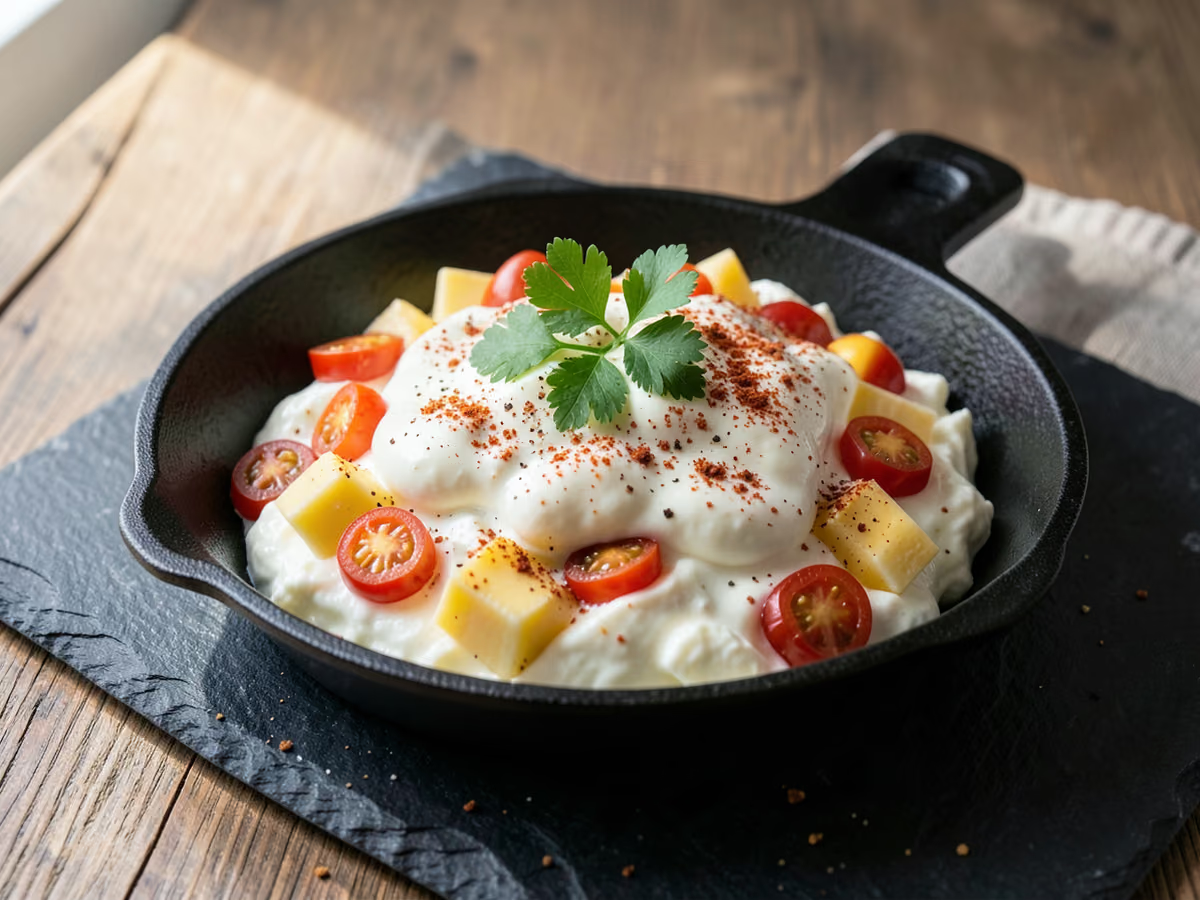
Pimento cheese is the cold Southern spread built on sharp cheddar, cream cheese, mayonnaise and jarred pimentos — scoopable, tangy and gently warm from a measured touch of cayenne. This classic version mixes cold in about 15 minutes, with no cooking at all, then chills for 30 minutes so the flavors meld and the texture firms up. It serves 8 as an appetizer, a sandwich filling or a burger topping, and the batch keeps for days.
- Prep
- 15 min
- Cook
- 0 min
- Total
- 45 min
- Additional time
- 30 min
- Serves
- 8
Ingredients
What you’ll need — tap to tick off as you go
- 300 g
- 200 g
- 120 g
- 120 g
- ½ tsp
- ¼ tsp
- ¼ tsp
- ¼ tsp
Process
Timers built in · swap anything · ask as you cook
In a large bowl, beat the 200 g softened cream cheese with the 120 g mayonnaise for about 2 minutes, using an electric mixer or a sturdy wooden spoon, until the mixture is smooth, glossy and completely free of lumps. This base sets the texture: lumps left now streak the finished pimento cheese, and cold, stiff cream cheese needs so much beating that the mixture starts to turn greasy.
Add the 300 g shredded sharp cheddar, the 120 g drained pimentos, 0.5 tsp cayenne, 0.25 tsp garlic powder if using, 0.25 tsp salt and 0.25 tsp black pepper. Fold with a spatula for 1 to 2 minutes, just until everything is incorporated — stop while the shreds of cheddar still show, because mixing past that point is what breaks the mayonnaise emulsion and turns the pimento cheese oily.
Taste a spoonful and adjust the seasoning: a pinch more cayenne if you want warmth, a little salt if it tastes flat, more pepper if you like. Season it a touch boldly, because chilling mutes salt and spice — the pimento cheese should taste lively now so it tastes right when it is cold.
Scrape the mixture into a serving bowl or an airtight container, cover, and refrigerate for at least 30 minutes. The chill is not just for firmness: it settles the texture to a scoopable set and gives the salt and the fat-soluble flavors of the cayenne and garlic time to spread evenly through the batch before serving.
Why this recipe works
Dry cheddar alone is crumbly and clumpy; what makes pimento cheese spreadable is mayonnaise, an emulsion of oil and egg that coats every shred and carries the seasoning. Beating it first with the softened cream cheese builds one smooth base, so the mixture never needs heavy stirring later — and heavy stirring is what breaks the emulsion and leaves the oily slick. Folding the cheddar in with a spatula keeps the shreds intact, which is where the texture comes from. The chill finishes the job: it firms the pimento cheese to a scoopable consistency and lets salt and the fat-soluble notes of the cayenne and garlic even out.
Equipment
- Box grater, for grating the cheddar on the large holes so the shreds stay long and loose
- Large mixing bowl, wide enough to fold the cheese in without mashing it
- Electric hand mixer or sturdy wooden spoon, for beating the cream cheese and mayonnaise smooth
- Flexible spatula, for folding everything together with light strokes
- Measuring spoons, for the cayenne, garlic powder, salt and black pepper
- Kitchen scale, optional but useful for weighing 300 g of cheddar and 200 g of cream cheese
- Airtight container, about 750 ml, for chilling and storing the pimento cheese
Kitchen notes
Kitchen notes
- Weighing the cheese pays off: a scale makes the batch repeatable, since a little extra cream cheese softens the set and a little extra cheddar stiffens it. The 300 g and 200 g in the recipe are the balance point.
- If a chilled batch is too stiff to spread, stir it hard for 30 seconds and let it stand 10 minutes; only add a teaspoon of mayonnaise if it is still stiff, which loosens the pimento cheese without diluting the flavor.
- For sandwiches, chill the pimento cheese first: a slightly firm spread tears soft bread less and covers it in one clean sweep instead of dragging.
- Set the serving bowl over a bed of ice when the pimento cheese will stand out for a while: it is a mayonnaise-based spread, so staying cold is the safe and sharp-tasting way to hold it.
- Scaling up for a crowd, mix in two or three bowls and combine at the end: one oversized batch forces long stirring, and long stirring is what takes a batch toward oily.
Common mistakes
- Oily, greasy pimento cheese: the mayonnaise emulsion broke, usually from overmixing after the cheddar goes in, or from letting the batch sit warm. Fold the cheese in just until combined, start with properly softened cream cheese, and chill promptly; if a batch still turns oily, stir in a spoonful of cold cream cheese to bind it back together.
- Grainy, pasty texture: pre-shredded cheddar. Its anti-caking coating, often cellulose or potato starch, keeps bagged shreds from clumping but also keeps them from blending, so the pimento cheese tastes gritty instead of creamy. Buy a block and grate it yourself on the large holes.
- Watery spread with liquid pooling at the bottom: the pimentos went in wet. They sit in brine in the jar, and every extra spoonful dilutes the mixture; drain them thoroughly and pat them dry before folding them in.
- Flat, one-note flavor: mild cheddar, or seasoning judged only at room temperature. Sharp or extra-sharp cheddar carries the dish, and cold mutes salt and cayenne, so taste the chilled pimento cheese and adjust with a final pinch before serving.
- Streaky lumps of cream cheese: it was still cold when it met the mayonnaise, so it slid around the bowl instead of blending in. Leave it out for 30 to 45 minutes to soften, and beat the two together until the base is genuinely smooth before any cheddar goes in.
Serving suggestions
- Pack it between two slices of soft white bread for the classic pimento cheese sandwich — the tradition at the Masters golf tournament, where it has been served on white bread since the late 1940s. Trim the crusts and cut triangles for a cocktail version.
- Mound it in a bowl as a dip with buttery crackers, celery sticks and other vegetable dippers; it is rich, so a couple of heaped tablespoons per person is a generous appetizer portion, which is how the recipe serves 8.
- Spoon it over a hot grilled burger in place of a cheese slice, where it slumps and melts at the edges — a Southern burger staple.
- Serve it cool rather than ice-cold: let the container stand on the counter for 10 to 15 minutes so it spreads easily, and keep it out no longer than 2 hours.
- Iced tea or lemonade is the traditional Southern pairing; cold barley tea works well, too, as a clean counterpoint to the rich cheese.
Variations
- Smoked or spicy builds, as deliberate departures from the classic: swap up to half the cheddar, 150 g of the 300 g, for smoked gouda for a smoky pimento cheese, or for pepper Jack to push the heat. Both read as variations rather than the classic itself.
- A hotter version: take the cayenne up gradually, a pinch at a time, until the pimento cheese bites back — or fold in minced pickled jalapeños for a chunkier, brighter heat.
- A smoother version: pulse roughly a third of the batch in a food processor with brief bursts so it does not warm, then stir it back into the rest for a half-whipped pimento cheese that still keeps some shred.
Refrigerator
- RefrigeratorAn airtight container in the refrigerator for up to 5 days, kept at or below 4°C — the flavor is best in the first 3 or 4. Refrigerate within 2 hours of mixing, and never leave pimento cheese out longer than 2 hours at room temperature, or 1 hour in hot weather.
- ReheatingNone: this is a cold spread, and heat breaks it. It rarely needs loosening, but if it stiffens in the fridge, let it stand at room temperature for 10 to 15 minutes and stir. Never microwave a bowl to soften it — the mayonnaise emulsion splits and leaves oil pooling around the cheese.
- FreezingPossible, with a texture trade-off: freeze in an airtight container for up to 2 months. Thaw overnight in the refrigerator and stir hard, because a thawed batch is a little grainy or watery; it is best used melted in grilled sandwiches or on burgers rather than served as a pristine cold spread. Do not refreeze.
- Make aheadThe sweet spot is making it a day ahead: the flavor deepens overnight and the texture holds. It keeps up to 5 days, so a batch made early in the week works for a weekend gathering — stir it before serving and stay inside the 5-day limit.
Updated:
How this recipe was developed
- USDA FSIS / FDA food-storage guidance for homemade mayonnaise-based prepared salads (refrigerate at or below 4°C; 3 to 5 day window; refrigerate within 2 hours and discard food left out beyond that, 1 hour above 32°C)
- Southern Living, 'The 1 Pimiento Cheese Mistake Your Southern Grandmother Would Never Make' (pre-shredded cheese is coated in anti-caking agents such as cellulose that make pimiento cheese grainy and hinder blending, so grate your own)
- Our State, 'What Makes Us Southern: Pimento Cheese' (pimento cheese's early-1900s origins in the northern states and later Southern adoption; both pimento and pimiento spellings are correct; the pimento is a mild relative of the bell pepper)
- Food & Wine, 'The Story Behind the Masters' Iconic $1.50 Pimiento Cheese Sandwich' (served on white bread at the Masters since the late 1940s; the concession tradition)
Editorial references are kept internally for verification. This page makes no claim of external certification or professional testing.
FAQ
The questions we get asked most
What is pimento cheese made of?
Sharp cheddar, cream cheese, mayonnaise and diced pimentos, seasoned with cayenne, garlic powder, salt and black pepper. This version measures 300 g of sharp cheddar, 200 g of cream cheese, 120 g of mayonnaise and 120 g of drained pimentos; the pimentos are mild, sweet roasted peppers, close relatives of the bell pepper, so they add color and tang rather than heat. Nothing is cooked — the mixture is stirred together cold and chilled for 30 minutes.
Is pimento cheese spicy?
Not by default. The pimentos are sweet and mild, and the only heat in the mix is 0.5 tsp of cayenne, which reads as gentle warmth against the rich cheddar and cream cheese. For real heat, take the cayenne up a pinch at a time, or fold in minced pickled jalapeños; for none at all, leave the cayenne out.
What's the difference between pimento and pimiento cheese?
Nothing but spelling. Pimiento is the original Spanish word for the sweet red pepper; English dropped the extra i, and both spellings are correct for the pepper and the spread. The pepper itself — sometimes called a cherry pepper — is mild and sweet, never hot.
Why is my pimento cheese oily?
Oily pimento cheese is a broken emulsion. The usual causes are overmixing after the cheddar goes in, cream cheese that was still cold and needed extra beating, or a mixture left sitting warm. Beat the softened cream cheese and mayonnaise smooth first, fold the cheddar in just until incorporated, then chill promptly. If a batch still turns oily, stir in a spoonful of cold cream cheese to bind it back together.
Can I use pre-shredded cheese in pimento cheese?
Better not to. Bagged shreds are dusted with anti-caking agents, often cellulose or potato starch, that stop them clumping in the bag but also stop them blending; the finished pimento cheese tastes grainy and dry rather than creamy. Grate a block on the large holes of a box grater — a few minutes of work for a noticeably better texture.
How long does pimento cheese last in the fridge?
Up to 5 days in an airtight container kept at or below 4°C, though it tastes best in the first 3 or 4. Refrigerate it within 2 hours of mixing and never leave it out longer than 2 hours at room temperature, or 1 hour in hot weather. Homemade pimento cheese has no stabilizers, so discard it at the first sign of an off smell, color change or separation.
Can you freeze pimento cheese?
Yes, for up to 2 months in an airtight container, but the texture changes: freezing can break the emulsion, so a thawed batch is slightly grainy or watery. Thaw it overnight in the refrigerator and stir it hard, then use it melted in grilled sandwiches, on burgers or in a baked dip. Never microwave it to speed the thaw — strong heat separates the fat into oil.
Ask KitchenMind about this recipe
Tell it what’s different tonight — it works within the actual recipe.