Garlic Parmesan Wings
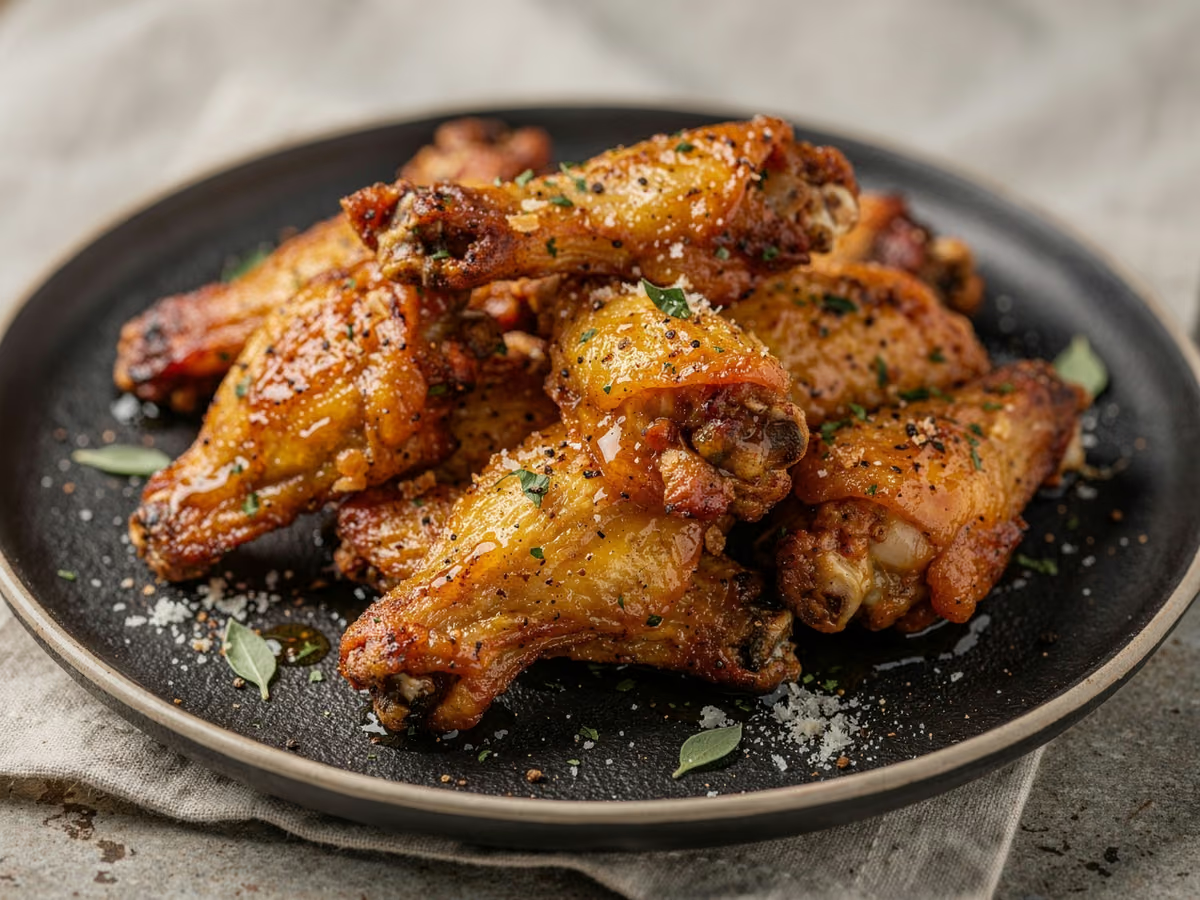
Garlic Parmesan wings get their crunch from a 220°C oven and a baking-powder rub, not from a fryer: fine salt and aluminum-free baking powder raise the pH of the skin so it blisters and browns, while a wire rack lets the fat drip away instead of steaming the undersides. The hot wings are then tossed off the heat in garlic butter with finely grated Parmesan and parsley — garlic cooked for just one minute so it stays sweet. Prep takes about 15 minutes; the oven needs nothing from you for the next 45. Serves 4 as a generous appetizer.
- Prep
- 15 min
- Cook
- 45 min
- Total
- 60 min
- Serves
- 4
Ingredients
What you’ll need — tap to tick off as you go
- 1 ¼ kg
- 1 tbsp
- 1 tsp
- ½ tsp
- 60 g
- 4 cloves
- 50 g
- 2 tbsp
Process
Timers built in · swap anything · ask as you cook
Preheat the oven to 220°C with a rack in the upper-middle position; a fully heated oven is part of the crisping. Line a large baking sheet with aluminum foil, set a wire rack on top, and pat the 1.2 kg of chicken wings completely dry with paper towels. Any surface moisture turns to steam in the oven and keeps the skin from crisping.
In a large bowl, toss the dried wings with the 1 tbsp baking powder, 1 tsp salt, and 0.5 tsp black pepper until every piece wears an even, powdery film with no bare patches. The coating is thin by design; if it clumps in one spot, redistribute it with your hands so the seasoning and crisping stay even.
Arrange the wings in a single layer on the rack, skin-side up, leaving a finger's width between them so they do not touch. Bake at 220°C for 40–45 minutes, flipping once halfway through, until the skin is deep golden, blistered, and crisp when tapped, and the thickest part of a drumette reads 74°C on an instant-read thermometer.
While the wings bake, melt the 60 g unsalted butter in a small saucepan over low heat. Add the 4 minced garlic cloves and cook for 1 minute, just until fragrant and still pale — browned garlic turns bitter. Pull the pan off the heat, then stir in the 50 g grated Parmesan until it melts into a smooth, glossy sauce.
Tip the hot wings straight from the rack into a large bowl and pour the warm garlic Parmesan butter over them. Toss well, lifting from the bottom, until every wing is glossed and the garlic and cheese cling evenly; the residual heat from the wings keeps the sauce fluid enough to coat instead of pooling.
Scatter the 2 tbsp chopped parsley over the top and finish with a little extra grated Parmesan. Serve immediately, while the skin is still crisp — these garlic Parmesan wings soften fast once they sit and steam under the sauce.
Why this recipe works
Patting the wings bone-dry removes the surface water that would otherwise steam off in the oven and stall browning; the aluminum-free baking powder then raises the skin's pH, which speeds up the Maillard reaction and weakens the proteins that tighten into leather. As the wings heat, the baking powder reacts with the chicken's natural juices and releases carbon dioxide, and the micro-blisters that form are what give the skin its craggy, fried-style crunch. The wire rack matters as much as the chemistry: it holds the wings out of the rendered fat and lets hot air circulate underneath, so every surface crisps. Finishing off the heat keeps the garlic sweet and the Parmesan smooth.
Equipment
- Large rimmed baking sheet
- Wire rack that fits inside the baking sheet
- Aluminum foil, for lining the sheet under the rack
- Large mixing bowl, for tossing the wings and later the sauce
- Small saucepan, for melting the butter and garlic
- Fine grater or rasp-style grater, for the Parmesan
- Instant-read thermometer
- Paper towels, for patting the wings dry
Kitchen notes
Kitchen notes
- If you have the time, dry-brine the seasoned wings uncovered on the rack in the fridge for at least 8 hours, up to 24: the cold air pulls moisture from the skin and the salt seasons the meat deeper, which is the single biggest upgrade to crispness.
- Buy party-style wings already split, or ask the butcher; if you split them yourself, keep flats and drumettes similar in size so they finish together, and save the tips for stock.
- Grate the Parmesan as finely as you can, just before it goes in — fluffy fresh cheese melts into silk, while coarse shreds stay stringy in the butter.
- Check doneness with an instant-read thermometer in the thickest part of a drumette, away from the bone: 74°C is the USDA minimum for poultry, and wings pulled at that point are still juicy.
- If your oven runs hot on one side, rotate the baking sheet halfway through the bake; even browning is what makes the whole batch read as crisp.
- If you double the batch, use two racks and two sheets rather than piling the wings up — the extra steam from a crowded oven softens the very skin you worked to dry.
Common mistakes
- Soft, steamed skin: the wings went in damp or crowded, so they steamed instead of roasted. Pat them bone-dry, keep them in a single layer with space between them on a wire rack, and make sure the oven is fully preheated to 220°C.
- Bitter, acrid garlic: the garlic browned in the butter instead of turning fragrant. Keep the heat low, cook it for just 1 minute, and pull the pan off the burner before the Parmesan goes in; browned garlic cannot be rescued, so start the sauce again if it happens.
- Grainy, clumpy sauce: shaker or pre-grated Parmesan contains anti-caking agents that refuse to melt cleanly, and cheese added to butter that is too hot seizes into lumps. Grate fresh cheese finely, take the pan off the heat, and stir it in gradually until smooth.
- Pale, waterlogged wings from frozen: cooking them straight from the freezer releases water that steams the skin and washes off the rub. Thaw overnight in the fridge, drain, pat dry, and roast as written.
- A sauce that splits or slicks off: the butter was overheated after the cheese went in, or the wings had cooled before tossing. Keep the sauce warm but never simmering, and toss the moment the wings leave the oven so the coating grabs the hot, dry skin.
Serving suggestions
- Serve them hot as an appetizer for 4 with ranch or blue cheese dip and celery and carrot sticks — the classic bar pairing, and the cool dip balances the rich butter.
- Turn them into a meal with oven fries or potato wedges and a sharp, vinegary slaw that cuts the butter; warm garlic bread rounds out the table for a carb-heavy spread.
- Keep the drinks simple: iced tea, lemonade, or sparkling water with lime suits the garlic far better than anything sweet.
- For a party, plate each batch on a warm platter as it leaves the oven; the coating is at its crispest straight from the rack, so keep them coming rather than holding them back.
Variations
- Grilled version: heat a grill to medium-high and cook the dry-seasoned wings for 20-25 minutes, turning occasionally, until cooked through at 74°C and lightly charred, then toss them in the same garlic Parmesan butter.
- Extra-crisp dry-brine: after seasoning, rest the wings uncovered on the rack in the fridge for 8-24 hours before baking — the drier skin blisters faster and the flavor runs deeper into the meat.
- Herb twist: swap the 2 tbsp parsley for the same amount of finely chopped basil or chives, stirred in off the heat so they stay green and bright.
Refrigerator
- RefrigeratorCool the wings within 2 hours, then refrigerate them in an airtight container for 3 to 4 days. Store any leftover garlic Parmesan butter separately if you can — the wings keep a better texture and the sauce does not soak in.
- ReheatingThe oven revives them best: spread the wings on a rack over a baking sheet and warm at 180°C for 8-10 minutes, until hot through and crisp again, or air-fry at 190°C for 4-5 minutes. Reheat to 74°C and avoid the microwave, which steams the skin soft; if they were already sauced, crisp them first, then toss with a fresh dab of warm garlic butter.
- FreezingFreeze the baked wings before they are sauced: set them in a single layer on a sheet until solid, then bag them for up to 2 months. Reheat from frozen at 200°C for 15-20 minutes, then toss in freshly made garlic Parmesan butter.
- Make aheadYou can bake and cool the wings up to 2 days ahead; refrigerate them and reheat as above, holding the garlic Parmesan sauce back until the moment of serving. Assemble the sauce while the wings bake so nothing waits once they are crisp.
Updated:
How this recipe was developed
- USDA FSIS safe minimum internal temperatures and leftovers guidance (poultry including wings 74°C; refrigerate cooked food within 2 hours; leftovers 3 to 4 days in the fridge; reheat to 74°C)
- Serious Eats oven-fried wings method (aluminum-free baking powder raises skin pH and forms carbon dioxide micro-blisters for fried-style crunch; wire rack; flip once halfway; 40-45 minutes in a hot oven; optional 8-24 hour dry-brine)
- The Kitchn garlic Parmesan wings (garlic folded into the warm butter and Parmesan off the heat after baking so it never burns; baking-powder crisping and overnight fridge rest; leftovers up to 4 days refrigerated)
- Air-fryer conversion guidance for chicken wings (single layer, about 190°C, roughly 20-28 minutes flipping halfway; oven-to-air-fryer rule of about 15°C lower and 20 percent less time)
Editorial references are kept internally for verification. This page makes no claim of external certification or professional testing.
FAQ
The questions we get asked most
Why are my garlic Parmesan wings not crispy?
Almost always one of four things: wings that were still damp when they went in, wings crowded so close they steamed one another, no wire rack (so the undersides sat in rendered fat), or an oven that was not fully at 220°C. The rub helps too — aluminum-free baking powder is what raises the skin's pH and lets it blister. Fix the setup rather than the timing: dry the wings thoroughly, keep space between them on the rack, preheat fully, and bake until the skin is deep golden and crusted. Sauced wings soften as they sit, so toss and serve promptly.
How do I make garlic Parmesan wings in an air fryer?
Use the same rub and cook the wings in a single layer with space between them, in batches if your basket is small. Air-fry at about 190°C for roughly 20-25 minutes, shaking or flipping once halfway, and check early — baskets and wattages vary. They are done at 74°C in the thickest part; if the skin is not as crisp as you want, add a few minutes at 200°C. Toss them in the garlic Parmesan butter after they leave the basket, exactly as you would after the oven.
Should I use fresh-grated or shaker Parmesan for the sauce?
Fresh-grated from a block, every time. Shaker and pre-grated Parmesan are mixed with anti-caking agents that keep the shreds from sticking together in the container, and those same additives keep them from melting smoothly — the sauce turns grainy and tastes dusty. Grate a block finely just before it goes into the warm butter: it melts into a smooth coat with a sharper, nuttier flavor. If shaker cheese is all you have, add it off the heat and expect a slightly thicker, grainier dressing.
Why did my Parmesan sauce clump and separate?
Cheese seizes when it meets heat that is too aggressive, so the usual culprit is butter that is still sizzling when the Parmesan goes in — the milk proteins tighten and squeeze out the fat in a lumpy, oily mess. Take the pan off the heat first, let the butter settle for a few seconds, then whisk the cheese in gradually rather than all at once. If it has already clumped, a teaspoon of hot water whisked in hard will often bring the sauce back together.
What do you serve with garlic Parmesan wings?
The classic side set is ranch or blue cheese dip with crisp celery and carrot sticks — cool, crunchy, and mild enough for the crowd that skips spicy food. For a full spread, add oven fries or potato wedges and a vinegary slaw that cuts the butter. Keep drinks simple: iced tea, lemonade, or sparkling water with lime.
How do I reheat leftover wings without making them soggy?
Skip the microwave — steam is what ruins the skin. Spread the wings on a wire rack over a baking sheet and reheat at 180°C for 8-10 minutes, until hot through and crisp again, or air-fry them at 190°C for 4-5 minutes. Reheated leftovers should reach 74°C. If the wings were already tossed in sauce, crisp them first, then add a fresh spoonful of warm garlic butter to bring the coating back.
Are these wings gluten-free?
As written, yes: wings, butter, garlic, Parmesan, salt, pepper, and baking powder contain no wheat ingredients, and no flour is used anywhere in the recipe. Baking powder is normally made with cornstarch or potato starch, but some brands — especially outside North America — use wheat starch, so check the label. Serve them with gluten-free dips and sides, and if cross-contamination matters to you, confirm your Parmesan and seasoning are made in a gluten-free facility.
Ask KitchenMind about this recipe
Tell it what’s different tonight — it works within the actual recipe.