Green Bean Casserole
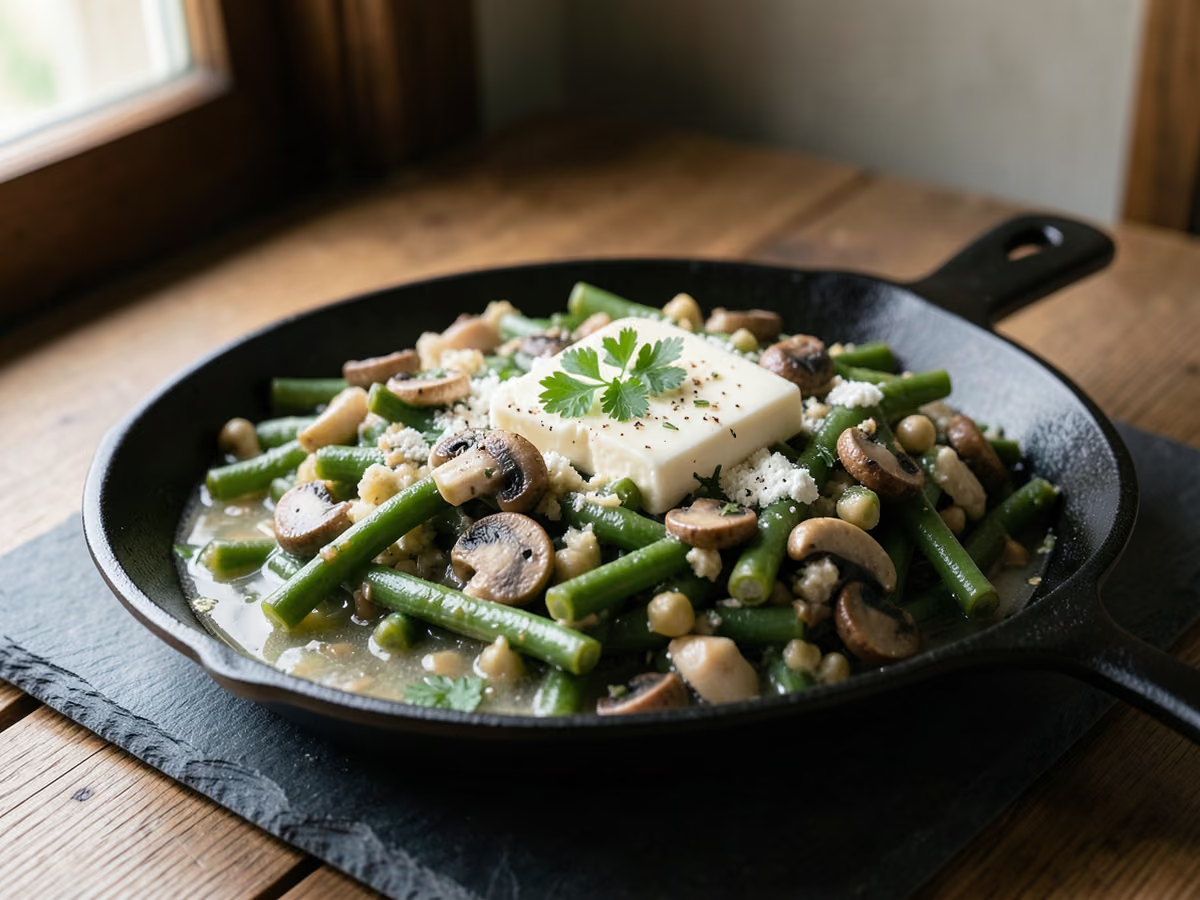
Green bean casserole is the American holiday side that earns its spot at the table all year round: fresh green beans blanched until crisp-tender, folded into a from-scratch garlic-mushroom cream sauce, and crowned with fried onions that stay crunchy because they go on for the last five minutes. No canned soup is involved — a butter-and-flour roux, vegetable broth, cream, and a spoonful of soy sauce build the same savory depth from scratch. Prep takes about 20 minutes, the stove and oven about 35 more, and one dish serves eight.
- Prep
- 20 min
- Cook
- 35 min
- Total
- 55 min
- Serves
- 8
Ingredients
What you’ll need — tap to tick off as you go
- 900 g
- 3 tbsp
- 300 g
- 2 cloves
- 3 tbsp
- 240 ml
- 120 ml
- 1 tbsp
- ½ tsp
- ¼ tsp
- 170 g
- 60 g
Process
Timers built in · swap anything · ask as you cook
Preheat the oven to 190°C and grease a 23 x 33 cm baking dish with butter. Heating the oven now means it is ready when the sauce is done, so the assembled casserole goes straight from the skillet into a hot oven.
Bring a large pot of salted water to a rolling boil. Add the 900 g green beans and blanch for 4 minutes, until bright green and crisp-tender, then drain and plunge them into an ice bath to stop the cooking. Drain well; water left on the beans would thin the sauce in the oven.
Melt the 3 tbsp butter in a large skillet over medium heat. Add the 300 g sliced cremini mushrooms and cook for 5–6 minutes until softened and lightly browned, letting their water cook off; a dry pan now means a sauce that stays rich instead of watery.
Stir in the 2 minced garlic cloves and cook for 30 seconds, just until fragrant — garlic scorches quickly at this heat. Sprinkle the 3 tbsp flour over the mushrooms and stir constantly for 1 minute to form a roux; cooking the flour this long cooks out its raw taste and lets it thicken the sauce without lumps.
Gradually whisk in the 240 ml vegetable broth, then the 120 ml heavy cream, scraping up the browned bits. Cook, stirring, for 3–4 minutes until the sauce thickens enough to coat the back of a spoon. Stir in the 1 tbsp soy sauce, 0.5 tsp salt, and 0.25 tsp black pepper, then taste and adjust.
Take the sauce off the heat and fold in the drained green beans gently but thoroughly, so every bean is coated. Transfer the mixture to the prepared baking dish and spread it into one even layer; a shallow layer heats through quickly and leaves room for the onions.
If you are using the 60 g gruyère, scatter it evenly over the top now. Bake uncovered for 20 minutes, until the sauce bubbles around the edges and the center is hot through; the uncovered bake lets the sauce reduce to its final, clinging consistency.
Scatter the 170 g fried onions over the top and return the dish to the oven for 5 minutes, until they are golden and crisp. Any longer and they scorch, since they are already fried. Rest the casserole for 5 minutes before serving so the sauce settles and portions hold together.
Why this recipe works
Two techniques keep green bean casserole from turning soggy. Blanching the beans in salted water and shocking them in ice halts cooking before they soften, so they hold texture through the bake instead of collapsing. The sauce is a roux: flour cooked in butter for a full minute coats each grain in fat, letting it thicken broth and cream smoothly, and simmering to a spoon-coating consistency makes the sauce cling to the beans rather than pooling. Soy sauce adds glutamate, the depth that makes canned soup taste full, and browning the mushrooms first drives off their water so it cannot dilute the sauce. Fried onions go on for only the last five minutes; longer and the already-fried edges scorch.
Equipment
- 23 x 33 cm baking dish, about 5 cm deep
- Large pot (4 to 5 liters) for boiling the beans
- Large bowl for the ice bath, plus plenty of ice
- Large skillet (about 30 cm) for the mushroom sauce
- Whisk
- Colander or salad spinner for draining the beans
- Chef's knife and cutting board
- Measuring cups and spoons
Kitchen notes
Kitchen notes
- Salt the blanching water until it tastes like light seawater: the beans absorb seasoning there, which the modest 0.5 tsp in the sauce cannot do on its own.
- Dry the beans like it matters, because it does. A salad spinner or a towel-lined tray gets them ready; surface water is the most common cause of a soupy bake.
- Let the mushrooms color before the garlic goes in. That browned film on the skillet is concentrated flavor, and the broth dissolves it back into the sauce when it goes in.
- Aim for a sauce that coats a spoon but still flows. It tightens further in the oven as the starch finishes cooking, and a sauce that starts too stiff bakes into a paste.
- To hold the casserole for a late dinner, keep it warm in a low oven, uncovered. Foil traps steam and softens the onions, so use a loose tent only if they threaten to scorch.
- Frying your own onions? Stop at golden, not deep brown; they keep darkening in the oven, and the flavor turns bitter past that point.
Common mistakes
- Watery casserole: the beans went in wet or the sauce was too thin. Dry the blanched beans thoroughly and simmer the sauce until it coats the back of a spoon before folding it in.
- Dull, mushy beans: they were overblanched or never iced. The 4-minute blanch and an immediate ice bath are what protect the color and the bite — time them instead of guessing.
- Burned onions: they went on at the start instead of the end. Scatter the 170 g fried onions only for the final 5 minutes, and if they darken early, lay a sheet of foil loosely over the dish.
- Lumpy or raw-tasting sauce: the flour was not cooked through or the liquid went in all at once. Stir the roux for a full minute, then add the broth gradually, whisking, before the cream.
- Overbaked and collapsed: the full bake is 20 minutes at 190°C, plus 5 with the onions. Pull it when the edges bubble and the center is hot, because extra time past that turns the beans soft.
- Bland, flat sauce: it was seasoned before it finished reducing. Build it with the soy sauce and 0.5 tsp salt, then taste once the cream has thickened and adjust with more salt and pepper.
Serving suggestions
- Serve it hot from the oven with the onions still crisp — this is the side that anchors the Thanksgiving and Christmas table next to roast turkey.
- Build the rest of the plate around richness: mashed potatoes or a roll to catch the sauce, glazed carrots or cranberry sauce for sweetness, and a sharp green salad to cut the cream.
- It is not only a holiday dish; a scoop alongside roast chicken or a simple baked fish turns a weeknight dinner into a real meal.
- Serve it in the dish you baked it in, and portion with a wide spoon so every plate gets beans, sauce, and a share of the onions.
Variations
- Vegan adaptation: plant butter in place of the 3 tbsp, 120 ml oat or soy cream instead of the heavy cream, no cheese, and dairy-free fried onions — a lighter dish, and clearly a vegan version rather than the classic.
- French-style haricots verts: the slender beans need only 1-2 minutes in the boiling water instead of 4; everything else stays the same, and the bake time is unchanged.
- Same sauce, different vegetable: the mushroom cream sauce bakes beautifully over broccoli, cauliflower, or Brussels sprouts — a different side dish, but the technique carries straight over.
Refrigerator
- RefrigeratorCool the casserole within 2 hours of baking, then refrigerate it covered for up to 3 days. Store any leftover fried onions separately so the top can be refreshed.
- ReheatingReheat in a 180°C oven for 10-15 minutes, until hot through — 74°C in the center if you check — or microwave individual portions for 1-2 minutes. Add a fresh scatter of fried onions afterward, since reheated ones lose their crunch.
- FreezingNot recommended. The dairy sauce separates on thawing and the beans turn soft and watery, so the texture does not survive.
- Make aheadAssemble the bean-and-sauce mixture in the baking dish up to 24 hours ahead, cover, and refrigerate. Bake from cold with 5-10 minutes added to the 20-minute bake, and scatter the onions on for only the final 5 minutes. The beans can also be blanched a day ahead and kept dry in the fridge.
Updated:
How this recipe was developed
- Campbell's Company newsroom history and Drexel University's feature on Dorcas Reilly (dish created in 1955 at the Campbell's test kitchen; first printed as a Green Bean Bake; official method tops with fried onions for the final 5 minutes)
- Serious Eats, The Ultimate Homemade Green Bean Casserole (fresh blanched beans and a from-scratch mushroom sauce replace canned soup; soy sauce adds umami; bake until hot and bubbly; make-ahead guidance)
- The Kitchn, Green Bean Casserole (blanch-and-ice method; roux cooked until toasty; sauce coats the back of a spoon; make-ahead, canned-bean, and storage notes)
- USDA FSIS, Leftovers and Food Safety (refrigerate within 2 hours; 3 to 4 days in the refrigerator; reheat to 74°C)
Editorial references are kept internally for verification. This page makes no claim of external certification or professional testing.
FAQ
The questions we get asked most
Why is my green bean casserole watery?
Almost always wet beans or an undercooked sauce. After the ice bath, drain the beans well and pat them dry, and simmer the sauce until it coats the back of a spoon — a finger drawn through should leave a clean line. Then bake the casserole uncovered, because a lid or tight foil holds steam that settles straight into the dish.
Can I use frozen or canned green beans instead of fresh?
Yes. Use the same 900 g of frozen beans, thawed and patted dry, or an equal amount of drained canned beans; both are already cooked, so skip the blanch and the ice bath. Frozen beans bake as directed in the recipe; with canned, shorten the first bake to about 15 minutes so they do not collapse. Expect a softer, more nostalgic texture than fresh.
Can I assemble green bean casserole ahead of time for Thanksgiving?
Yes, up to 24 hours ahead. Build the bean-and-sauce mixture in the baking dish, cover, and refrigerate; bake it cold with 5-10 extra minutes, and add the fried onions for only the final 5. The beans can also be blanched and dried a day in advance. Keeping the onions off until the last minutes is what makes a make-ahead version taste freshly baked on the holiday — or any weeknight.
Can I make green bean casserole from scratch, without cream of mushroom soup?
This recipe does exactly that: browned mushrooms and a butter-flour roux, loosened with 240 ml vegetable broth and 120 ml heavy cream, with 1 tbsp soy sauce supplying the deep savory note that canned soup contributes. If you want the shortcut instead, one can of condensed cream of mushroom soup whisked with 120 ml milk stands in for the whole sauce — quicker and saltier, and a different casserole from this one.
When do I add the fried onions so they stay crisp, and why did mine burn?
Add them for the final 5 minutes at 190°C. The onions are already fried, so they only need to warm through and go golden; the full 20-minute bake would scorch them to bitterness. If your oven runs hot, lay a loose sheet of foil over the dish while they finish, and serve as soon as the casserole has rested its 5 minutes, while the crunch is at its best.
Can I make green bean casserole gluten-free?
Yes, with three swaps: 3 tbsp cornstarch or a gluten-free flour blend instead of the all-purpose flour, tamari or coconut aminos instead of the soy sauce, and fried onions with a gluten-free label, since many are made with wheat flour. The beans, butter, mushrooms, broth, and cream are naturally gluten-free, though strict cooks should confirm the broth is certified.
Can I make a vegan or dairy-free green bean casserole?
Yes. Use plant butter for the 3 tbsp in the sauce, 120 ml oat or soy cream in place of the heavy cream, leave off the optional cheese, and pick dairy-free fried onions — some are made with milk solids. The mushrooms and soy sauce keep the flavor savory, so the vegan version is a lighter adaptation rather than a compromise.
Ask KitchenMind about this recipe
Tell it what’s different tonight — it works within the actual recipe.