Mie Goreng
Mie goreng is Indonesia's fried-noodle classic, found at street carts and family tables across the archipelago: thin egg noodles tossed in a hot wok with chicken, cabbage and carrot, lifted with garlic and shallots, folded with scrambled egg, and glossed in kecap manis, the country's syrupy sweet soy sauce. This version keeps it weeknight-fast — about 25 minutes from fridge to plate, 15 of them chopping and mixing — and it is dairy-free as written. The payoff is sweet-salty, garlicky noodles with a faint smoky char that takeout cannot match.
- Prep
- 15 min
- Cook
- 10 min
- Total
- 25 min
- Serves
- 4
Ingredients
What you’ll need — tap to tick off as you go
- 400 g
- 300 g
- 2 tbsp
- 4 cloves
- 200 g
- 3 tbsp
- 1 tbsp
- 1 tbsp
- ½ tsp
- ½ tsp
Process
Timers built in · swap anything · ask as you cook
Boil the 400 g of egg noodles in salted water if they are dried, stopping while they still have a little chew, about a minute short of the package time. Drain, then rinse briefly under cold water to halt the cooking. If the noodles are fresh, rinse them in warm water to loosen the strands and drain very well. Wet noodles steam instead of fry, so shake the colander dry.
Stir together the 3 tbsp sweet soy sauce, the 1 tbsp light soy sauce, the 1 tbsp oyster sauce if using, and the 0.5 tsp white pepper in a small bowl until smooth. Mixing the sauce ahead keeps the stir-fry moving later, when there is no time to measure; the thick, dark glaze should be ready to pour in one go.
Heat 1 tbsp of the vegetable oil in a wok or large skillet over high heat until it shimmers. Pour in the 2 beaten eggs and scramble quickly for about 30 seconds, until they are just set in soft curds, then slide them onto a plate. Cooking the egg first keeps it tender; it returns to the wok only at the end.
Add the remaining 1 tbsp oil to the hot wok, then the 4 minced garlic cloves and the 3 sliced shallots. Stir-fry for 30 seconds, until they smell sweet and fragrant — the instant they color, pull the wok off the heat, because burnt garlic turns the whole dish bitter.
Add the 300 g of sliced chicken and stir-fry for 2 to 3 minutes, keeping the pieces moving and spread out, until they turn opaque and are nearly cooked through. Thin slices finish fast; if you check with a thermometer, the thickest piece should read 74°C, the safe minimum for poultry.
Add the 200 g of shredded cabbage and the julienned carrot and stir-fry for 1 to 2 minutes, until the cabbage softens slightly but still has a bite. Keep the vegetables crisp at this stage: they soften further when the noodles and sauce go in, and limp cabbage makes the whole dish heavy.
Add the drained noodles and the sauce mixture and toss everything together with tongs or two spatulas, lifting and turning, for about 2 minutes. The noodles are done when every strand is evenly coated in dark, glossy sauce and the pan smells caramelized; if they start to catch, add a splash of water rather than more oil.
Return the scrambled eggs to the wok, add the 2 green onions cut into 3 cm lengths, and toss for another 30 seconds so everything is combined and piping hot. Taste and add salt only if the sauces need it, then serve straight away — this is a dish that waits for no one.
Why this recipe works
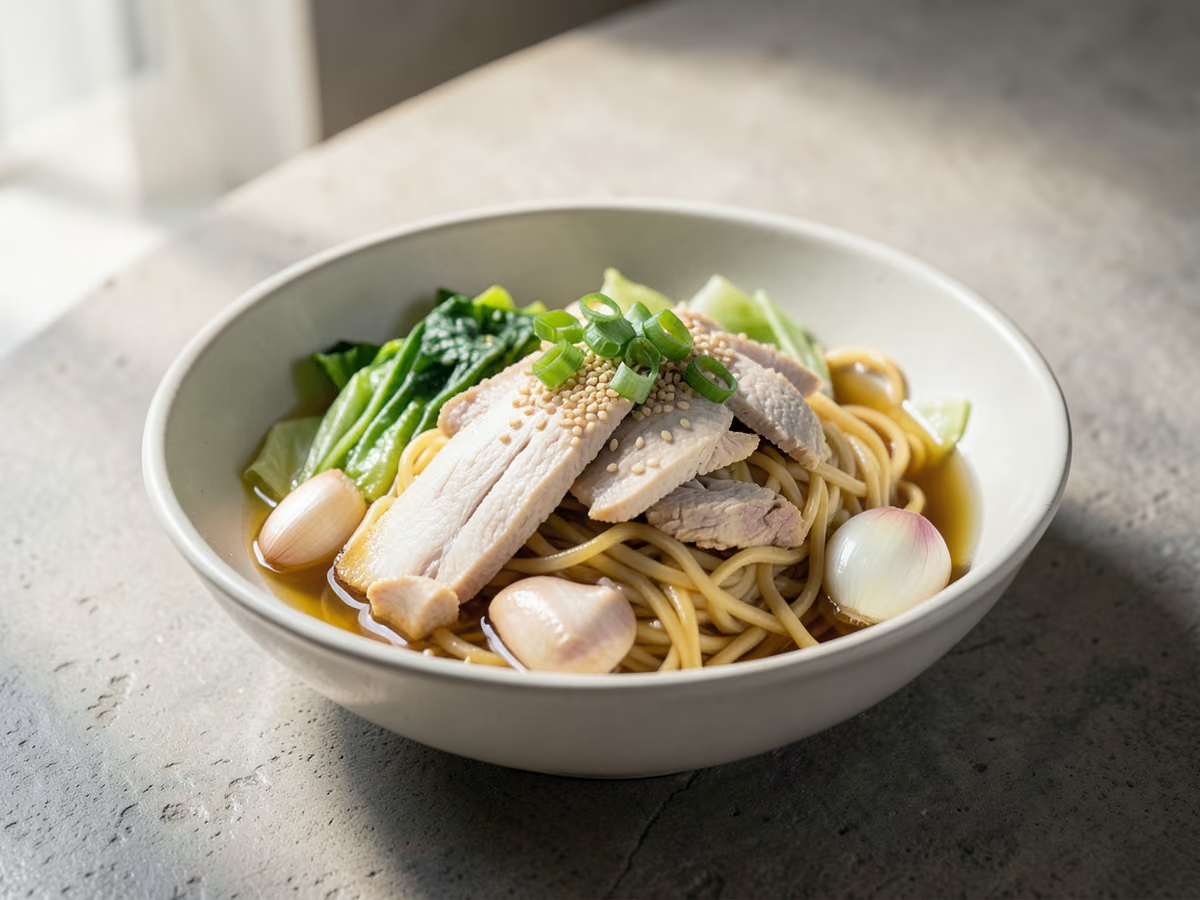
Two decisions keep the noodles frying instead of steaming. The noodles are only par-cooked, so the wok finishes their cooking and they absorb the sauce rather than water — that is what keeps them springy. The wok is worked in stages — egg first, aromatics for barely 30 seconds, then chicken, vegetables, and noodles — because a crowded pan traps steam and a home burner cannot recover its heat, so ingredients that need very different times never compete. Kecap manis is thick with sugar, so it clings and caramelizes on the strands when it goes in at the end instead of pooling and burning early. The scrambled egg, folded back last, stays soft.
Equipment
- Wok, about 30 cm across, or the largest deep skillet you own
- Large pot, for boiling the noodles
- Colander, for draining and rinsing the noodles
- Small bowl, for mixing the sauce
- Second small bowl, for the beaten eggs
- Chef's knife and cutting board, for the chicken and vegetables
- Tongs or two heatproof spatulas, for lifting and turning the noodles
- Measuring spoons, for the sauce
Kitchen notes
Kitchen notes
- Set everything up before the wok goes on — chopped vegetables, sauce, beaten eggs and drained noodles all within arm's reach. The stir-frying itself takes about 10 minutes and contains no pause for chopping.
- Fry in two batches when cooking for four on a domestic burner. A home wok cannot hold searing heat under a full load: cook half, keep it warm, wipe the wok, and start the second batch in a hot pan.
- Let the noodles sit still for 30 seconds after the sauce goes in before you start tossing; that untouched contact with the hot metal is what builds the street-vendor char.
- Keep a small cup of water by the stove. If the noodles begin to stick or the pan dries out, a splash steams them loose; more oil only makes the dish greasy.
- Cut the chicken while it is still firm from the fridge, or ask the butcher to slice it. Even, thin pieces are what let a 10-minute stir-fry cook the meat through without overcooking it.
Common mistakes
- Soggy, steamed noodles: a crowded wok or noodles that went in dripping wet traps moisture and stews them. Drain the noodles thoroughly, keep the pan very hot, and cook the batch in two turns if your wok is small.
- Bland, one-note noodles: sauce added too early evaporates before it coats, or there is simply too little seasoning for the volume of noodles. Add the sauce in the last 2 minutes, toss until every strand is glossy, then taste and adjust with soy or salt.
- Burnt, bitter garlic: garlic and shallots left in one spot at high heat scorch in seconds. Keep them moving, fry for 30 seconds only, and pull the wok off the heat the moment they smell sweet.
- Mushy vegetables: cabbage cooked past its brief window. Keep it in the pan for 1 to 2 minutes and leave it slightly crisp; it keeps softening once the noodles and sauce join it.
- Dry chicken: slices cut too thick, or left in the wok while you fuss with the noodles. Slice against the grain into thin, even pieces and stop the moment they turn opaque; a stir-fry gives nothing back once it is overdone.
- Noodles that clump: fresh strands not loosened, or drained noodles left sitting in a mound. Rinse and loosen fresh noodles, drain the dried ones well, and toss them with the sauce the moment they enter the wok.
Serving suggestions
- Serve immediately, straight from the wok, while the noodles are glossy and the edges still crackle — the dish softens within minutes of leaving the heat.
- Top with crisp fried shallots and offer sambal, the Indonesian chile paste, on the side so each person can dial in the heat.
- A cucumber and shallot pickle or a squeeze of lime cuts the sweet glaze and freshens the plate.
- Shrimp crackers add the classic street-stall crunch, and a glass of cold barley tea or iced tea rounds out the meal.
Variations
- Mie goreng jawa: the Javanese style is wetter and sweeter, with a splash of water or stock in the wok and a garlic-candlenut spice paste in place of the plain aromatics. The noodles come out saucier and the flavor runs deeper.
- Mie goreng spesial: the deluxe street version piles on extra — prawns, a fried egg on top, more vegetables. Cook any prawns before the vegetables and top each bowl with the egg.
- Meatless version: swap the chicken for pressed, browned firm tofu or thickly sliced mushrooms. Brown them first so they hold their shape and add savor, then stir-fry the vegetables and continue as written.
- Extra vegetables: bean sprouts, snow peas, bell pepper or mushrooms all fit the same wok. Add quick-cooking sprouts at the very end so they keep their crunch, and keep the total volume steady so the noodles still fry.
Refrigerator
- RefrigeratorCool the noodles quickly, within 2 hours of cooking, and refrigerate them in an airtight container for up to 3 days; the texture is at its best early on and softens as it sits, so reheat only what you will eat.
- ReheatingReheat in a hot skillet over medium-high heat with a splash of water, tossing until steaming hot — leftovers should reach 74°C. A covered microwave works too, for 1 to 2 minutes, though the noodles soften more.
- FreezingNot recommended: the noodles go mushy and release water as they thaw, and the vegetables lose their bite. If you must, freeze within 2 hours and reheat straight from frozen, expecting a softer result.
- Make aheadPrep everything up to a day ahead and refrigerate the components separately: chop the vegetables, slice the chicken, mix the sauce, and boil and drain the noodles with a drop of oil tossed through so they do not clump. The stir-fry takes 10 minutes, so cook it fresh just before serving — a fully cooked batch reheats but loses its springiness.
Updated:
How this recipe was developed
- FoodSafety.gov Safe Minimum Internal Temperatures (poultry and leftover reheating: 74°C)
- FoodSafety.gov Cold Food Storage Chart and 4 Steps to Food Safety (refrigerate within 2 hours; cooked poultry leftovers keep 3 to 4 days)
- Serious Eats, Mie Goreng (undercook the noodles by a minute, dress them for even coating, do not overcrowd the pan, refrigerate up to 2 days)
- What To Cook Today, Indonesian Mie Goreng Jawa (keep the wok hot, undercook and rinse the noodles, balance kecap manis at the end, serve immediately)
Editorial references are kept internally for verification. This page makes no claim of external certification or professional testing.
FAQ
The questions we get asked most
What is mie goreng made of?
Mie goreng starts with thin egg noodles and a sauce of kecap manis (sweet soy), light soy sauce and white pepper. Garlic and shallots go in next, then chicken and vegetables — cabbage and carrot here — and scrambled egg is folded through at the end. The flavor is sweet-savory, garlicky and lightly smoky rather than hot, and this is the chicken version, known in Indonesia as mie goreng ayam.
Is mie goreng the same as bami goreng or mee goreng?
They are close relatives, not the same dish. Bami goreng is the Dutch-Indonesian name this dish traveled under in the Netherlands. Mee goreng, the spelling used in Malaysia and Singapore, is the regional cousin — often a little spicier and sometimes seasoned with a hint of curry, while mie goreng is the Indonesian egg-noodle original with kecap manis at its center. If the noodles are sweet, glossy and dark, you are eating the style this recipe makes.
What is the difference between mie goreng and nasi goreng?
The base: mie goreng fries egg noodles, nasi goreng fries rice. Both are Indonesian wok dishes with a sweet-savory seasoning, but noodles need more tossing and a stickier glaze to coat the strands, while fried rice is looser and drier. If you want noodles in a caramel-like sheen, cook mie goreng; for seasoned rice, reach for nasi goreng.
Why do my mie goreng noodles come out soggy?
Usually because of water, not skill. Noodles left wet after draining, or a wok packed so full that the vegetables steam instead of fry, both end the same way. Boil dried noodles only until just tender, rinse and drain them very well — shake the colander — keep the heat high, and stir-fry the batch in two turns if your pan is small. Add the sauce last so it glazes the noodles instead of pooling.
What is kecap manis, and what can I substitute for it?
Kecap manis is Indonesia's thick, sweet soy sauce — syrupy like molasses, dark, and the ingredient that gives mie goreng its signature glaze. Look for it in the Asian aisle of large supermarkets. If you do not have it, stir 2 tbsp of dark soy sauce with 1 tbsp of brown sugar until the sugar dissolves and use that in place of the 3 tbsp this recipe calls for; the result is a little less complex but still coats and caramelizes.
Is mie goreng spicy?
Not inherently. The heat in mie goreng is added, not built in — the base recipe is savory-sweet with just a gentle warmth from white pepper. Street stalls often serve it with sambal, the chile paste, on the side, and some versions, like the Aceh style, are genuinely spicy; if you want heat, add sambal or fresh chile to the wok with the aromatics. Leave it out and the dish stays mild enough for everyone at the table.
Can I use instant noodles to make mie goreng?
Yes — street vendors across Indonesia often do, and the crinkly strands are part of the look. Cook the noodle cakes until just tender, a minute short of the packet directions, drain them well, and discard the seasoning sachets; the kecap manis sauce does the seasoning. Instant noodles soften quickly, so toss them with the sauce at the last moment and serve right away.
Ask KitchenMind about this recipe
Tell it what’s different tonight — it works within the actual recipe.