Su Böreği
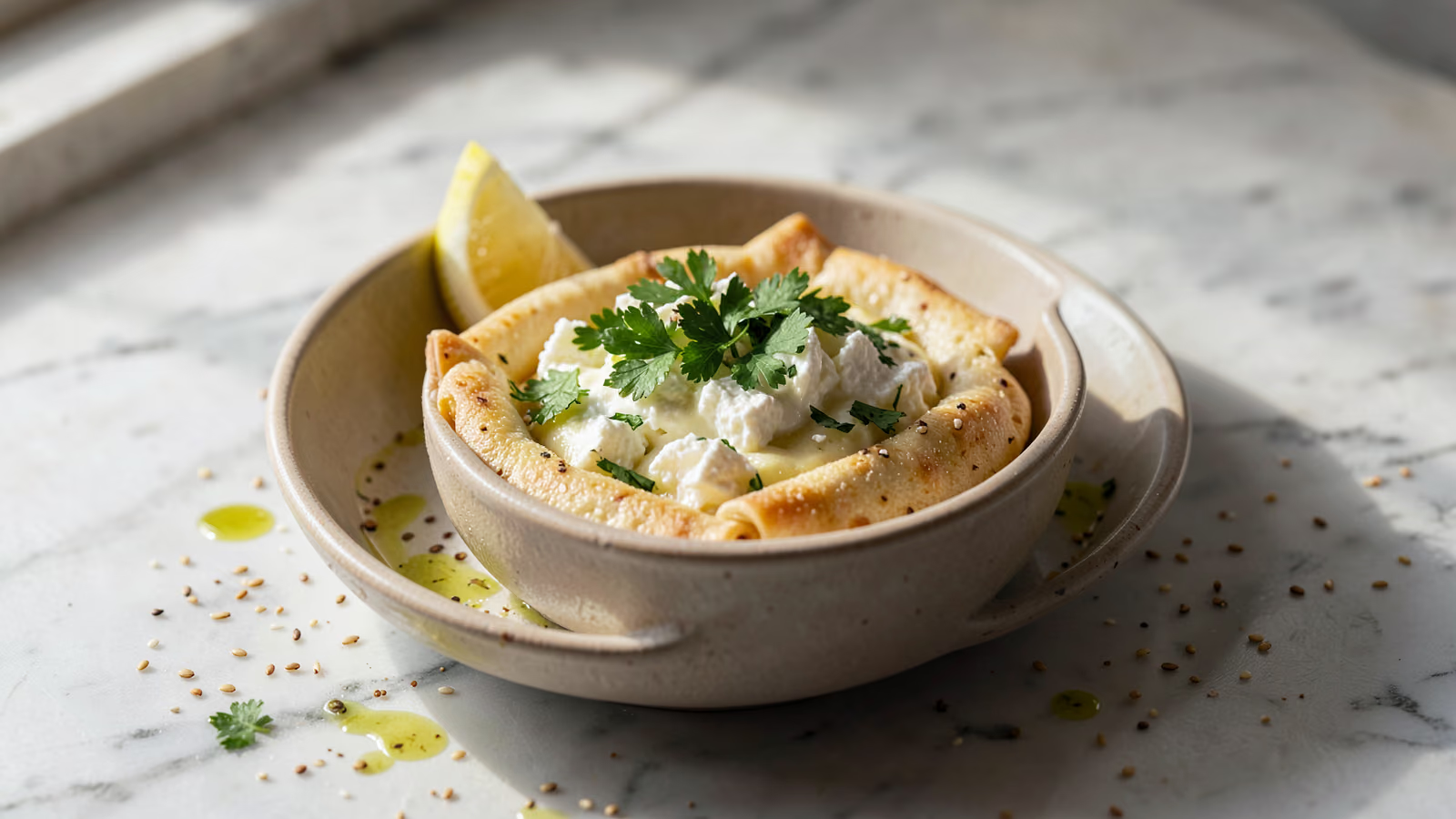
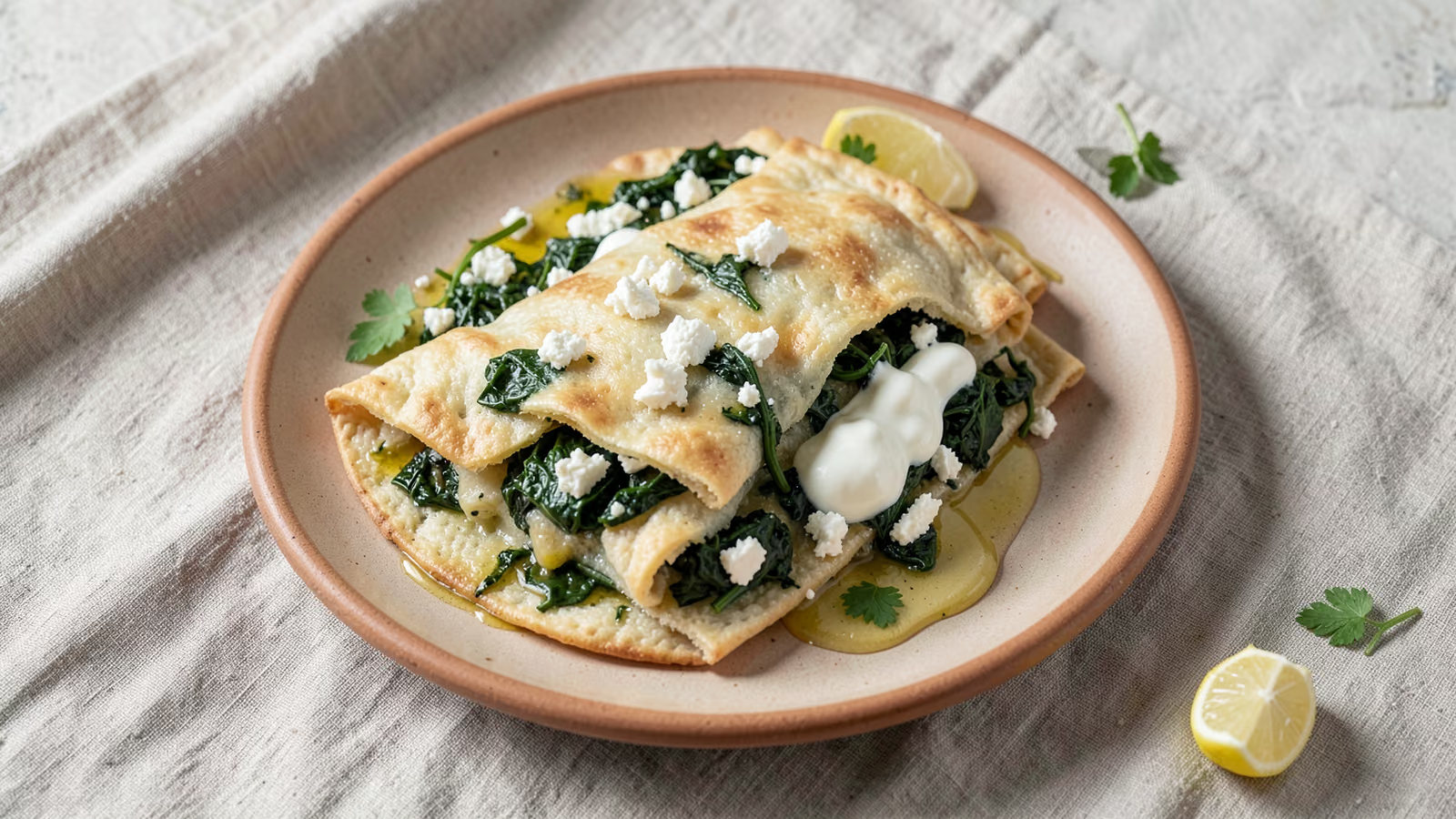
Su böreği — Turkish water börek — is a layered tray pie: thin yufka sheets dipped in a milk, egg and olive oil mixture, stacked with feta and parsley, and baked until the top turns deep gold. The version on this page is the yalancı (no-boil) style, where ready-made yufka replaces the classic hand-rolled, briefly boiled sheets; the dip does the same job with far less work and the same soft, custardy middle. Budget about 30 minutes of hands-on time and 45 minutes in the oven; the tray serves 8 at breakfast, tea time or dinner.
- Prep
- 30 min
- Cook
- 45 min
- Total
- 75 min
- Serves
- 8
Ingredients
What you’ll need — tap to tick off as you go
- 500 ml
- 80 ml
- 300 g
- 30 g
- 1 tsp
- ½ tsp
- 1 tbsp
- 1 tsp
Process
Timers built in · swap anything · ask as you cook
Preheat the oven to 180°C and grease a 30 x 40 cm baking dish with a film of olive oil, working into the corners; the sheets go in wet, so any dry patch on the base is where sticking starts. Set the dish within arm's reach of your work surface before you begin assembling.
In a large bowl, whisk 2 of the eggs with 500 ml milk, 80 ml olive oil, 1 tsp black pepper and 0.5 tsp salt until completely smooth, with no streaks of egg left. This mixture both softens the yufka and sets between the layers, so an even blend matters more than it seems.
In a second bowl, toss 300 g crumbled feta with 30 g finely chopped parsley. Crumble the cheese to lentil-size pieces rather than mashing it; fine dry crumbs spread into an even layer, while wet clumps steam and leave soft pools in the baked slices.
Dip the first yufka sheet into the milk mixture for 5 to 10 seconds, turning it once, just until it goes from brittle to pliable — no longer, or it will tear. Lift it with both hands, let the excess drip back into the bowl, and lay it across the baking dish.
Dip a second sheet the same way and lay it on top, then scatter half of the feta-parsley filling evenly over it, holding it back slightly from the very edges. Two soaked sheets under the filling give the base enough structure to carry the weight without tearing.
Dip and layer two more sheets over the filling, one at a time, then scatter the remaining feta-parsley mixture. Keep the layers loose and lightly wrinkled rather than pressed flat; those soft folds are what give water börek its layered, custardy bite.
Dip and layer the final two sheets on top, pressing gently so the stack spans the dish. Pour any milk mixture left in the bowl evenly over the top, tilting the dish as you go; the uppermost sheets should look glossy, not swimming.
Whisk the remaining egg with 1 tbsp olive oil and brush it over the top sheet, right to the edges, then sprinkle with 1 tbsp sesame seeds and 1 tsp nigella seeds if using. The wash is what browns the surface to a deep gloss; the seeds add crunch and the traditional look.
Bake at 180°C for 40 to 45 minutes, until the top is deep golden and the edges are crisp. A knife pushed into the center should come out hot and clean. Let the tray rest for 10 minutes, then slice into squares; the rest lets the custard set so the portions lift out intact.
Why this recipe works
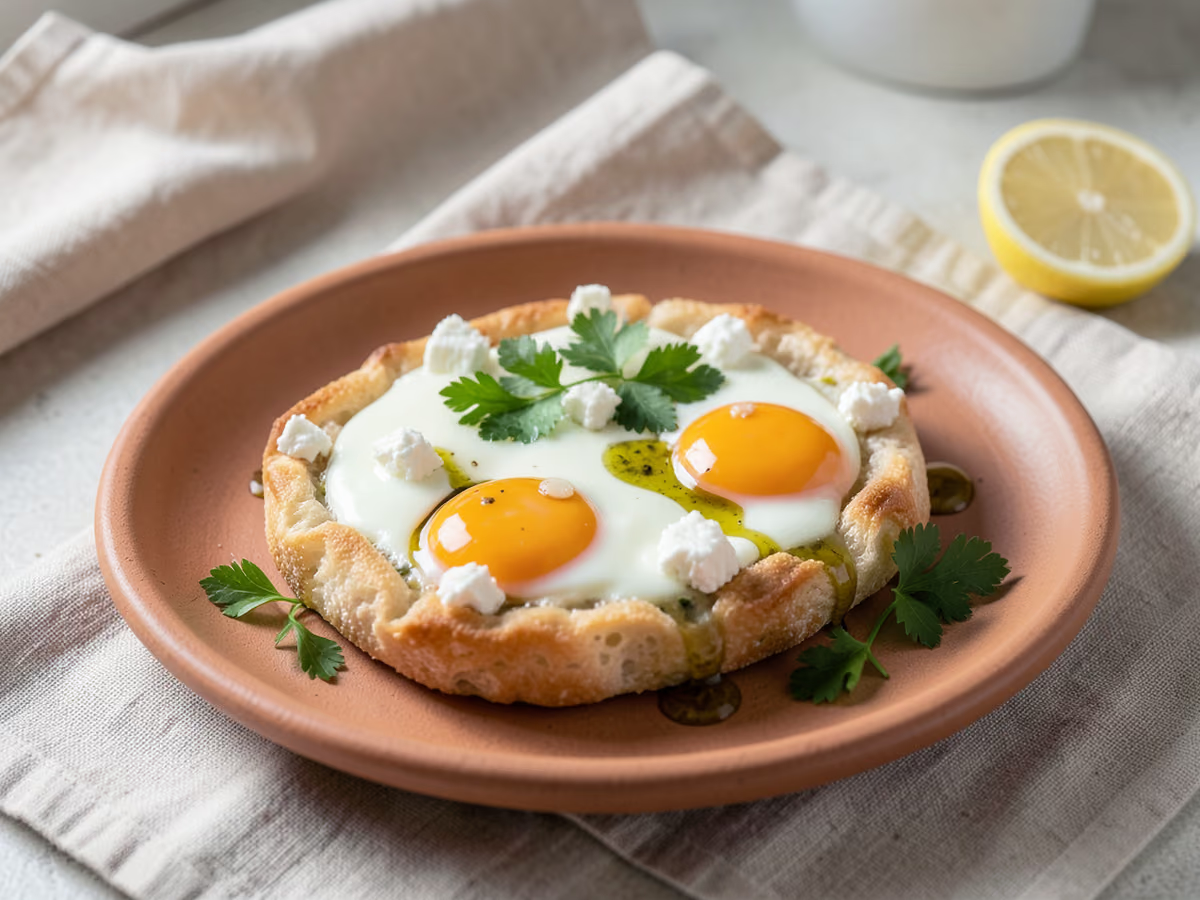
Dipping does the job boiling does in the classic version: the yufka hydrates from brittle to pliable, so the layers bake into a tender, almost custard-like interior instead of cracking. Its eggs coagulate between the sheets as the tray bakes, lightly setting the stack the way a custard sets; the milk and olive oil carry the fat and moisture that keep the crumb soft. The remaining egg, brushed on top with oil, browns in the dry heat until the surface crisps and turns deep gold. The moderate 180°C bake gives the wet layers time to set before the top bronzes, and a brief dip — never a long soak — keeps the six sheets from dissolving into paste.
Equipment
- 30 x 40 cm baking dish, deep enough to hold six soaked yufka sheets plus the filling
- Large shallow bowl or deep plate, wide enough to lay a folded yufka sheet in for dipping
- Second, medium bowl for the feta and parsley filling
- Whisk
- Pastry brush, for the egg wash and the greasing
- Measuring jug and measuring spoons
- Chef's knife and cutting board, for the parsley
- Clean kitchen towel, to cover the yufka you are not dipping
Kitchen notes
Kitchen notes
- Keep the sheets you are not dipping under a clean damp towel. Yufka dries out within minutes, and a dry sheet cracks the moment you try to fold it into the dish.
- Give the milk mixture a quick whisk before each dip; the egg settles and the oil rises as it sits, and five seconds of whisking keeps every sheet coated the same way.
- Bake on the lower rack and keep the oven door closed. The base crisps from the heat below, and opening the door to peek lets steam out unevenly and slows the set.
- If your sheets are smaller than the tray, overlap two per layer and patch any gaps with offcuts rather than leaving thin spots, which bake hard and dark.
- Press the seeds into the egg wash so they stay put. Nigella (çörek otu) brings a mild onion-and-pepper note that sesame cannot, so keep both if you have them and either one alone if you do not.
Common mistakes
- Soggy bottom: the sheets soaked too long, the feta was wet, or the tray was covered in the oven, so steam pooled instead of escaping. Dip each sheet for only 5 to 10 seconds, pat the cheese dry before mixing, and bake uncovered on the lower rack.
- Torn, patchy yufka: sheets left in the milk mixture too long go limp, while dry ones crack at the folds. Work sheet by sheet, dip just until pliable, and lift with both hands; if a sheet does tear, overlap the pieces, because the layers bake together and hide the seam.
- Pale top, underdone center: the tray came out as soon as the surface colored. Water börek needs its full 40 to 45 minutes at 180°C; judge by deep gold all over, crisp edges, and a knife that comes out hot from the middle.
- Filling tastes too salty: the feta was already salty and the full 0.5 tsp of salt went in anyway. Taste the cheese first, and with a salty feta leave the added salt out or use a pinch; the milk mixture seasons all six sheets.
- Ragged slices: the tray was cut straight from the oven, before the custard had set. Wait the full 10 minutes, because the middle is still firming as it cools, and the squares release cleanly only once it has.
Serving suggestions
- Serve cut into squares, warm or at room temperature: fresh from the tray for dinner, or cooled to room temperature the way it stars on Turkish breakfast tables.
- A glass of strong black tea is the classic pairing, and the tannins cut the richness of the cheese.
- For a breakfast spread, set the squares alongside cucumber and tomato slices, olives and a little white cheese.
- A simple green salad or a bowl of plain yogurt rounds it out at dinner and brings a fresh edge to the rich layers.
Variations
- Spinach version, still vegetarian: wilt 300 g of fresh spinach, squeeze out every drop of water, and mix it into the feta-parsley filling. Wet spinach is the one reliable way to make this tray soggy.
- Meat version, for a non-vegetarian table: cook 250 g of ground beef with a chopped onion until dry, cool it completely, and spoon it over the cheese layer. Drain well first — loose juices soak the sheets.
- The classic boiled-sheet version (gerçek su böreği): the traditional project briefly boils each yufka in salted water and cools it before layering, which gives an even softer, lasagna-like texture. This page's dip-and-bake method is the yalancı shortcut to the same family of result.
Refrigerator
- RefrigeratorCool the tray within 2 hours of baking, then refrigerate the squares in an airtight container for up to 3 days. The top loses its crunch in the fridge, so plan to re-crisp before serving.
- ReheatingWarm squares on a baking tray in a 160°C oven for 8 to 10 minutes, until hot through (74°C). Avoid the microwave, which turns the yufka rubbery rather than crisp.
- FreezingWrap cooled squares tightly and freeze for up to 2 months, then reheat from frozen at 180°C for 15 to 20 minutes. You can also freeze the assembled tray unbaked and bake it from frozen at 180°C for 50 to 60 minutes, adding a few minutes if the top needs more color.
- Make aheadAssemble the whole tray up to 24 hours ahead, cover it, and refrigerate; a night in the fridge lets the yufka drink the milk mixture. Add 5 to 10 minutes to the bake, because the tray goes into the oven cold.
Updated:
How this recipe was developed
- Wikipedia, Su böreği (Turkish water börek; in the classic version the dough sheets are briefly boiled, then layered with white cheese and parsley with oil between the layers; a dish served on special occasions)
- TasteAtlas, su böreği (the sheets are soaked with water, olive oil, milk and eggs before baking, which is what gives water börek its tender, juicy texture; regarded as one of the hardest böreks to prepare)
- Kevserin Mutfağı, Yalancı Su Böreği (the no-boil shortcut made with ready-made yufka and a wet milk-and-egg mixture; the tray is assembled ahead and baked from cold)
- USDA FSIS, Leftovers and Food Safety (refrigerate within 2 hours; 3 to 4 days of fridge storage; freeze within the quality window; reheat leftovers to 74°C)
Editorial references are kept internally for verification. This page makes no claim of external certification or professional testing.
FAQ
The questions we get asked most
What is su böreği?
Su böreği — water börek in English — is one of Turkey's signature layered pastries: thin yufka sheets stacked with white cheese and parsley and baked as a single large tray pie, then cut into squares. It stars on Turkish breakfast tables and turns up at holidays and family celebrations. Two styles exist: the classic gerçek version boils the sheets briefly before layering, while this recipe is the yalancı shortcut, where the sheets are dipped in a milk-and-egg mixture instead. Either way you get a crisp golden top over a soft, custardy middle.
Why is su böreği called water börek?
Because water is central to how the dish is made. In the classic version the yufka sheets are briefly boiled in water before they are layered, and the soak is what produces the famously tender, lasagna-like interior; other descriptions of water börek point to the sheets being soaked with a wet mixture of water, oil, milk and eggs before baking, which is what keeps it juicy rather than dry. 'Su' is Turkish for water — the moisture the sheets take on is the whole point, and it is what separates water börek from crisper, drier börek styles.
What is yalancı su böreği, and which version is this recipe?
Yalancı means 'impostor' or 'mock' in Turkish, and it names the home shortcut that skips the tricky boiling step of the classic su böreği: ready-made yufka is dipped once in a milk, egg and olive oil mixture and layered straight into the tray. The result lands close to the classic — soft inside, golden and crisp on top — for a fraction of the effort. This recipe is that yalancı version; nothing is boiled here.
What is the difference between su böreği and other börek types?
Most börek is built from dry sheets brushed with oil or butter — rolled into cigars, spirals and small parcels — and bakes up shatter-crisp. Water börek goes the other way: the sheets are soaked, or briefly boiled in the classic version, so the tray bakes into a soft, layered, almost custardy inside under a golden crust, and it is served as squares rather than individual pieces. Think of it as the tender, more substantial member of the börek family, and usually a tray-sized project rather than a quick snack.
Why is my su böreği soggy at the bottom?
Three usual suspects, in order: the sheets stayed in the milk mixture too long and turned to paste; the feta was wet and steamed the base; or the tray was covered in the oven, so the moisture had nowhere to go. Dip each sheet for 5 to 10 seconds only, pat or drain the cheese, and bake uncovered on the lower rack to a deep golden finish. A soaked but not saturated sheet is exactly what the dish wants.
Can I use phyllo instead of yufka?
Yes, with an adjustment: phyllo sheets are thinner and more brittle than yufka, so use 3 to 4 sheets per layer and handle them fast, because they soften almost on contact with the milk mixture. Keep the stack under a damp towel while you work, and expect a flakier, less pillowy bake. Fresh yufka from a Turkish shop is the ideal, and the dip makes even average supermarket yufka work well.
Can I prepare su böreği ahead of time or freeze it?
Both. Assemble the whole tray, cover it tightly, and refrigerate for up to 24 hours; add 5 to 10 minutes to the bake because it goes into the oven cold. To freeze, wrap the tray unbaked and bake it from frozen at 180°C for 50 to 60 minutes, or freeze baked squares for up to 2 months and re-crisp them at 180°C for 15 to 20 minutes. Skip the microwave, which turns yufka rubbery.
Ask KitchenMind about this recipe
Tell it what’s different tonight — it works within the actual recipe.