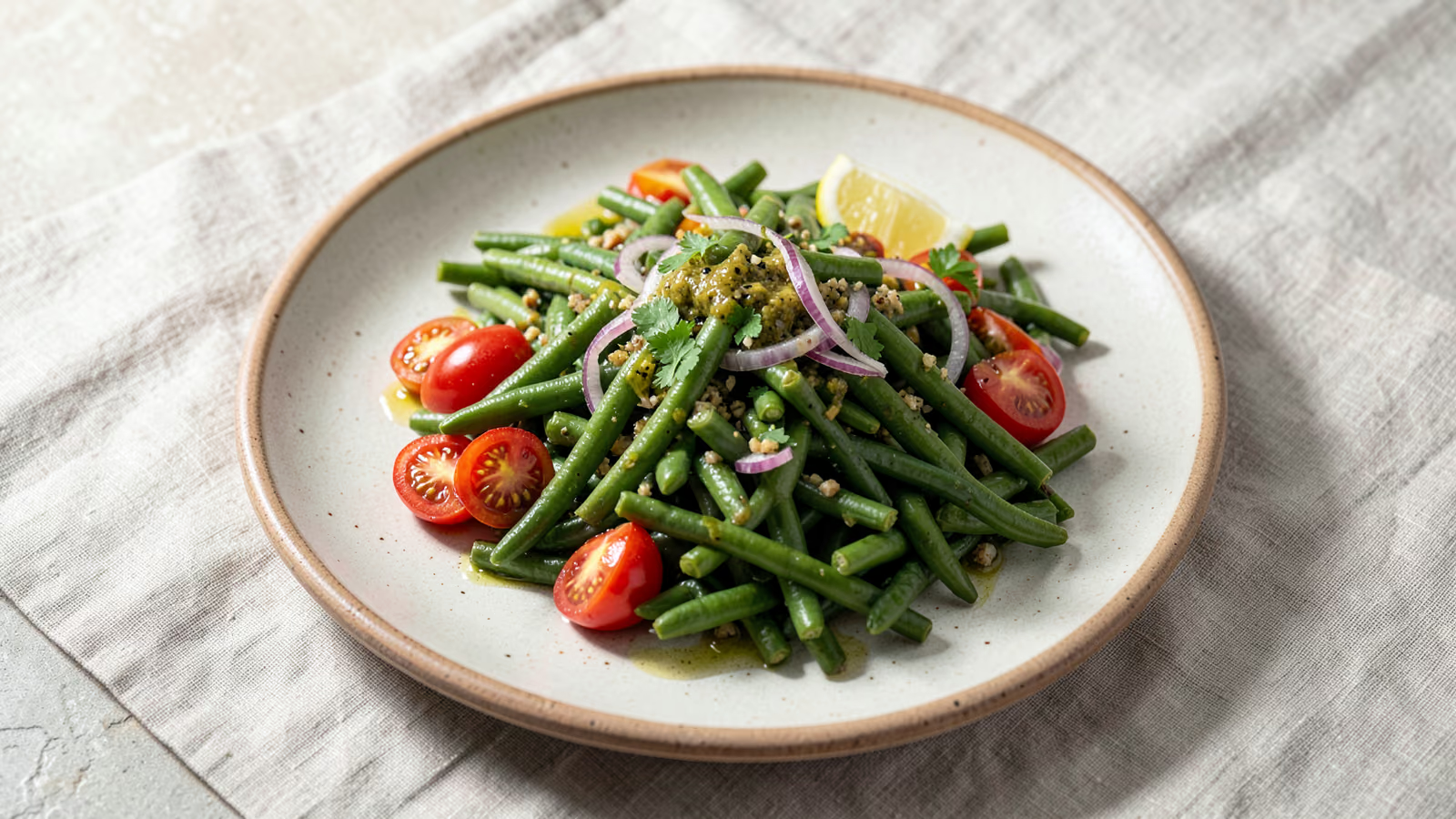
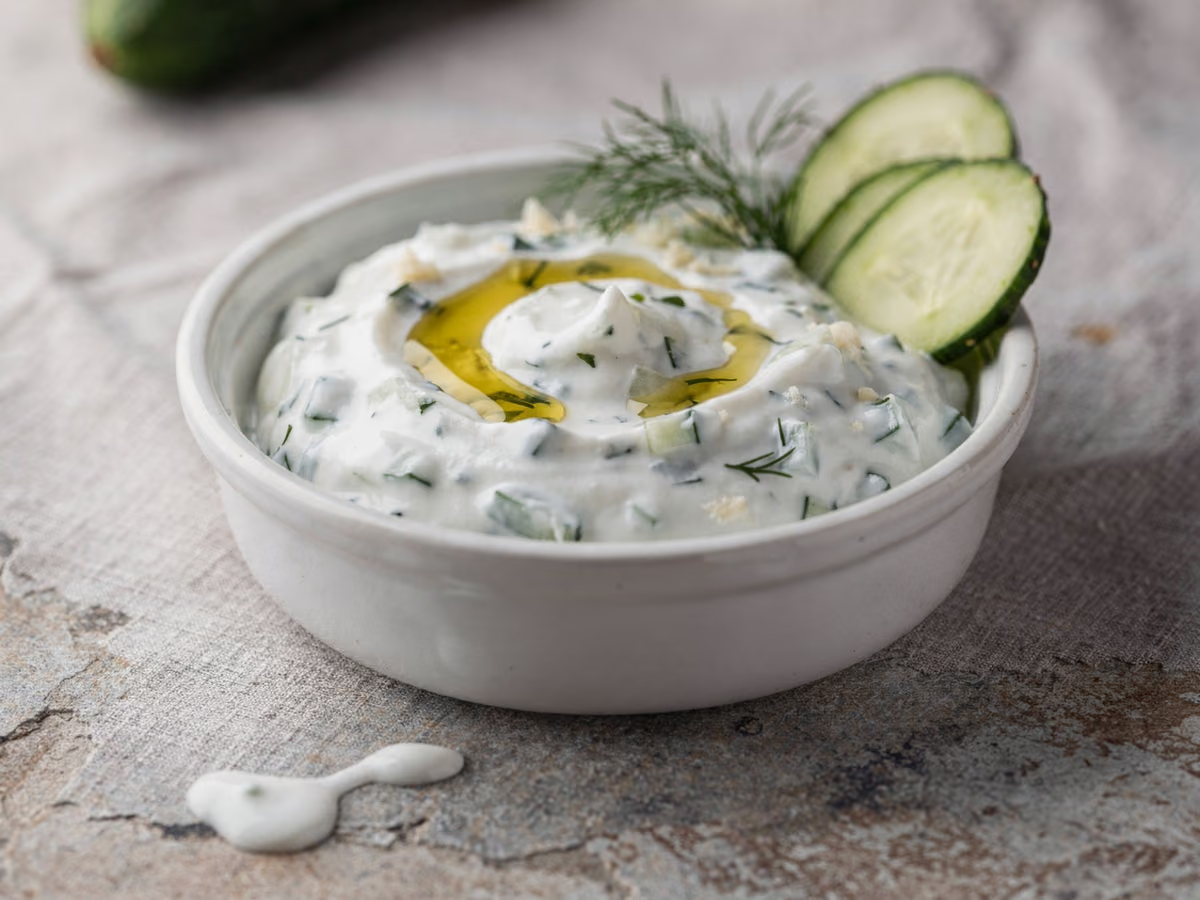
Tzatziki Sauce
Thick Greek yogurt, crisp cucumber and garlic come together in 20 minutes — a cool, creamy sauce for six, finished with olive oil, lemon juice and fresh dill.
- Prep
- 20 min
- Cook
- 0 min
- Total
- 20 min
- Serves
- 6
Ingredients
What you’ll need — tap to tick off as you go
- 500 g
- 2 cloves
- 2 tbsp
- 1 tbsp
- 2 tbsp
- ½ tsp
- 1 pinch
Process
Timers built in · swap anything · ask as you cook
Peel the cucumber, cut it in half lengthways and scrape out the watery seeds with a teaspoon. Coarsely grate the flesh into a bowl.
Sprinkle 0.5 tsp salt over the grated cucumber, toss, and leave it in a colander over a bowl for 10 minutes. Then squeeze the cucumber in your hands or in a clean cloth until it feels dry, discarding the liquid.
Put the Greek yogurt in a mixing bowl. Add the grated garlic, lemon juice, olive oil, chopped dill and a pinch of black pepper.
Fold in the drained cucumber with a spoon until evenly combined. Taste and add more salt if needed.
Cover and chill for at least 30 minutes so the flavours meld. Drizzle with a little olive oil and serve cold.
Kitchen notes
Kitchen notes
- The most common mistake is skipping the salting and squeezing of the cucumber. If you skip it, the water leaks out into the yogurt within an hour and you end up with a thin, soupy sauce.
- Use only thick, strained Greek yogurt. If your yogurt is thin, strain it in a fine-mesh sieve lined with a coffee filter or cloth for 1 to 2 hours in the fridge before mixing.
- Grate the garlic very finely or crush it to a paste; a large raw chunk makes one bite overwhelmingly garlicky. Letting the sauce rest for 30 minutes mellows the raw garlic and improves the flavour.
- Tzatziki is done when it is thick enough to hold a spoon ridge. If it looks loose, drain off any liquid that has risen to the surface before serving.
Substitutions
- fresh dill→fresh mint or a mix of mint and parsley
- lemon juice→red wine vinegar or white vinegar, use half the amount
- Greek yogurt→strained plain whole-milk yogurt or a thick dairy-free yogurt for a dairy-free version
Storage & reheating
Store tzatziki in a tightly covered container in the fridge for up to 3 days. It does not freeze well because the yogurt separates and the cucumber turns mushy. Before serving from the fridge, stir well and pour off any watery liquid that has collected on top; do not reheat it, it is always served cold.
FAQ
The questions we get asked most
Why is my tzatziki watery?
The cucumber was not salted and squeezed enough, or the yogurt was too thin. Salt the grated cucumber for 10 minutes, then squeeze it hard in a cloth until it feels dry. Also use full-fat strained Greek yogurt rather than regular yogurt.
Can I make tzatziki ahead of time?
Yes, it is actually better made 1 to 24 hours ahead because the garlic and dill infuse the yogurt. Keep it covered in the fridge and stir before serving. Add a little extra chopped dill just before serving if you want a fresher look.
How long does tzatziki keep in the fridge?
It keeps for up to 3 days in a tightly covered container. After that the cucumber starts to break down and release water. If liquid pools on top, simply drain it off and stir the sauce before using.
Can I use dried dill instead of fresh?
Yes, use about 2 tsp of dried dill in place of 2 tbsp fresh. Dried dill is more concentrated, so add it a little at a time and taste. Fresh mint or parsley also works well if you do not have dill.
Can I make tzatziki without garlic?
Yes, simply leave the garlic out for a milder sauce. If you want a hint of garlic without the sharp raw bite, rub the bowl with a cut clove before adding the yogurt, or use one small clove instead of two.
Why did my tzatziki turn bitter?
Bitterness usually comes from old garlic that has started to sprout, or from olive oil that has gone rancid. Use fresh firm garlic cloves, remove any green sprout in the centre, and use olive oil within its date. Lemon zest can also turn bitter if boiled, but here it is added raw.
Can I freeze tzatziki?
Freezing is not recommended. The yogurt separates into grainy curds and the cucumber becomes soft and mushy when thawed. If you must freeze it, expect to use it only in cooked dishes such as meatballs, not as a fresh dip.
Ask KitchenMind about this recipe
Tell it what’s different tonight — it works within the actual recipe.