Apple Crumble
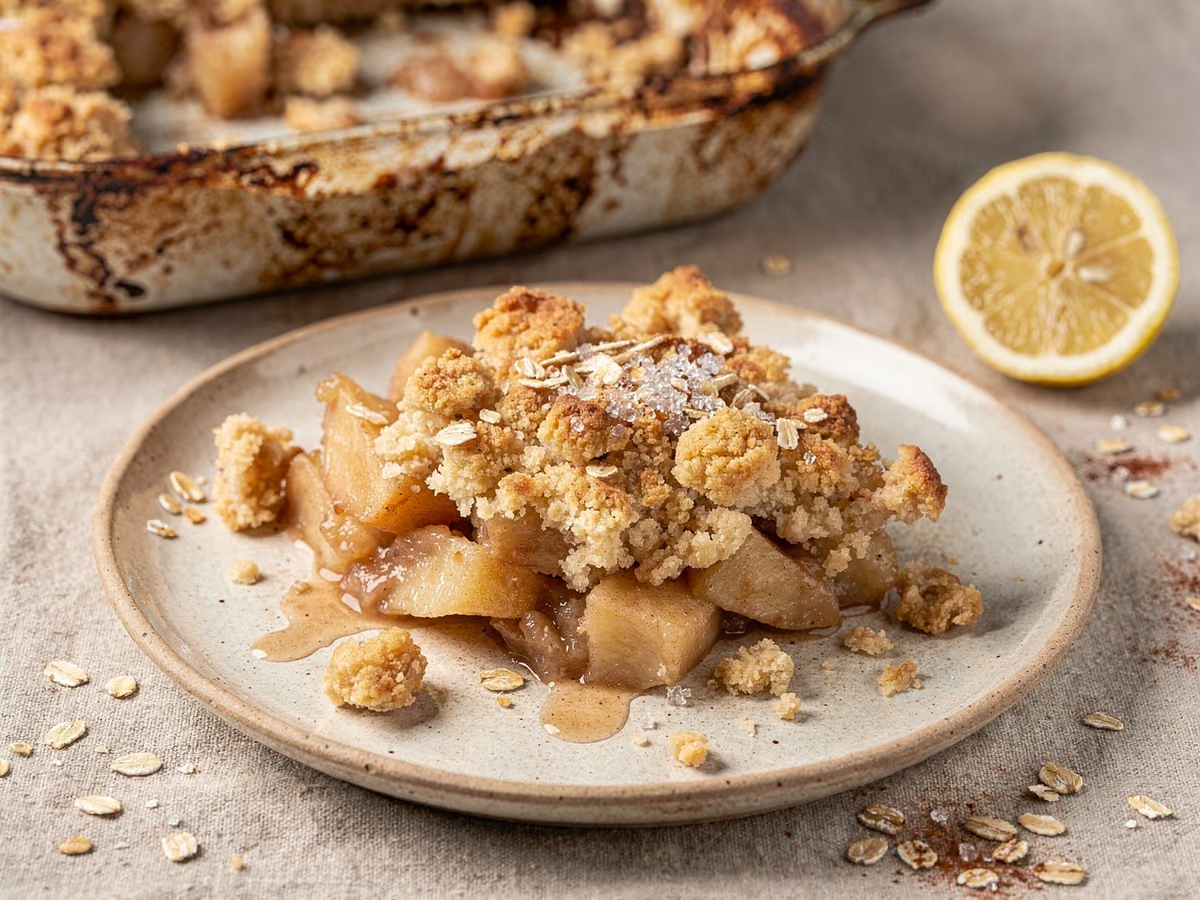
Cold butter, chunked apples, and a hot oven: that is the whole idea of a crumble. This one stacks 900 g of fruit under a loose lid of flour, oats, brown sugar, and butter, and it leans on two habits for its crunch. Leave pea-sized lumps in the topping. Scatter it, and never press it down. Twenty minutes of prep gets the dish into the oven, where 40 to 45 minutes at 190°C turns your crumbs deep gold and the juices at the rim to thick syrup.
- Prep
- 20 min
- Cook
- 45 min
- Total
- 65 min
- Serves
- 6
Ingredients
What you’ll need — tap to tick off as you go
- 900 g
- 100 g
- 1 tsp
- 1 tbsp
- 150 g
- 60 g
- 100 g
- 120 g
- 1 pinch
Process
Timers built in · swap anything · ask as you cook
Set a rack in the middle of the oven and heat it to 190°C, or 170°C on a fan setting. (Fan ovens run hotter, which is why the dial drops to 170°C.) Give the oven a full 15 minutes to get there. A lukewarm start melts your butter before the flour sets around it, so the topping slumps flat and bakes up greasy and heavy instead of crisp.
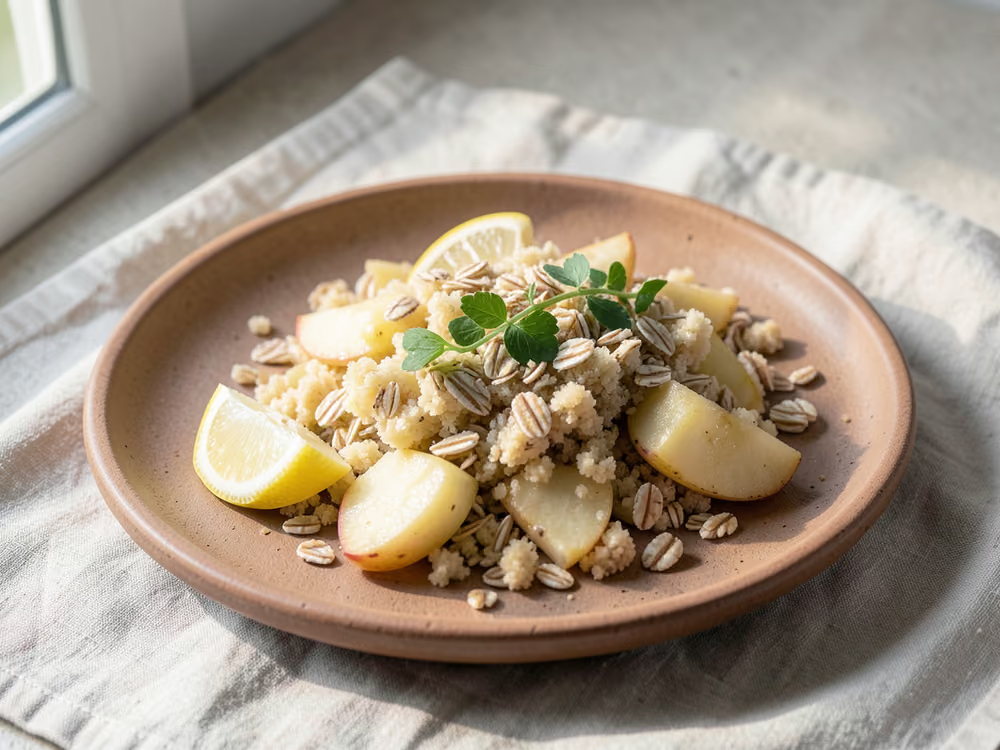
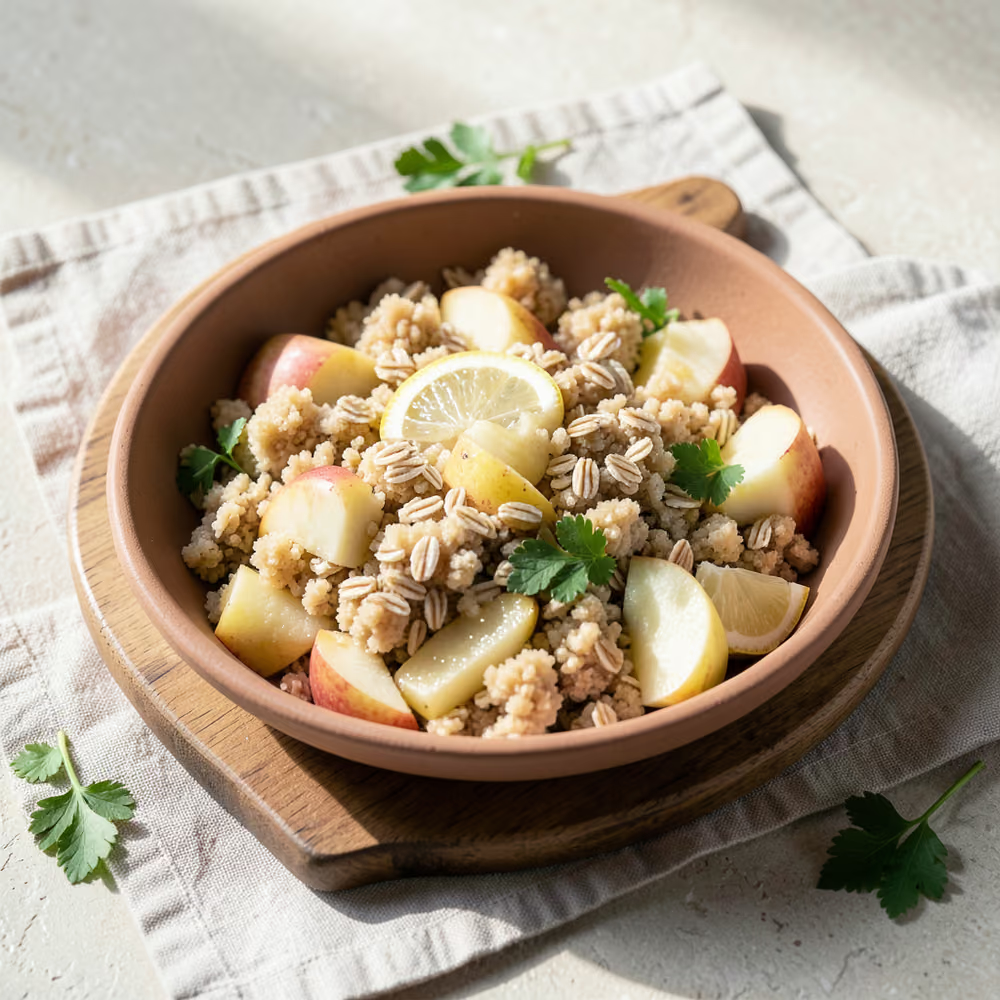
Peel and core the apples, then cut them into 2 cm chunks; 900 g works out at about six medium fruit. Toss everything in a large bowl with 100 g granulated sugar, 1 tsp ground cinnamon and 1 tbsp lemon juice until every piece is coated. That coating turns into the syrup that bubbles up through your topping.
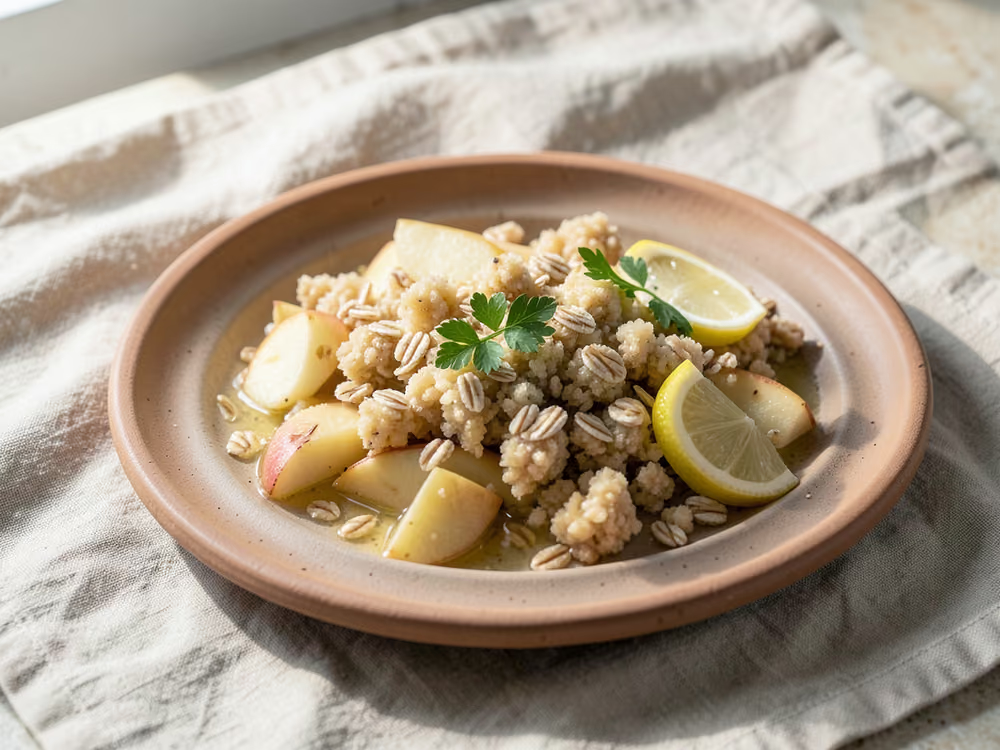
Tip the coated fruit into a 23 cm round dish or a 20 x 20 cm square one and spread it into a single level layer. Level is the goal. A mound in the middle leaves your center pale and firm while the edges catch and darken, so keep the depth even across the whole dish. (A dish about 5 cm deep gives the best ratio of fruit to topping.)
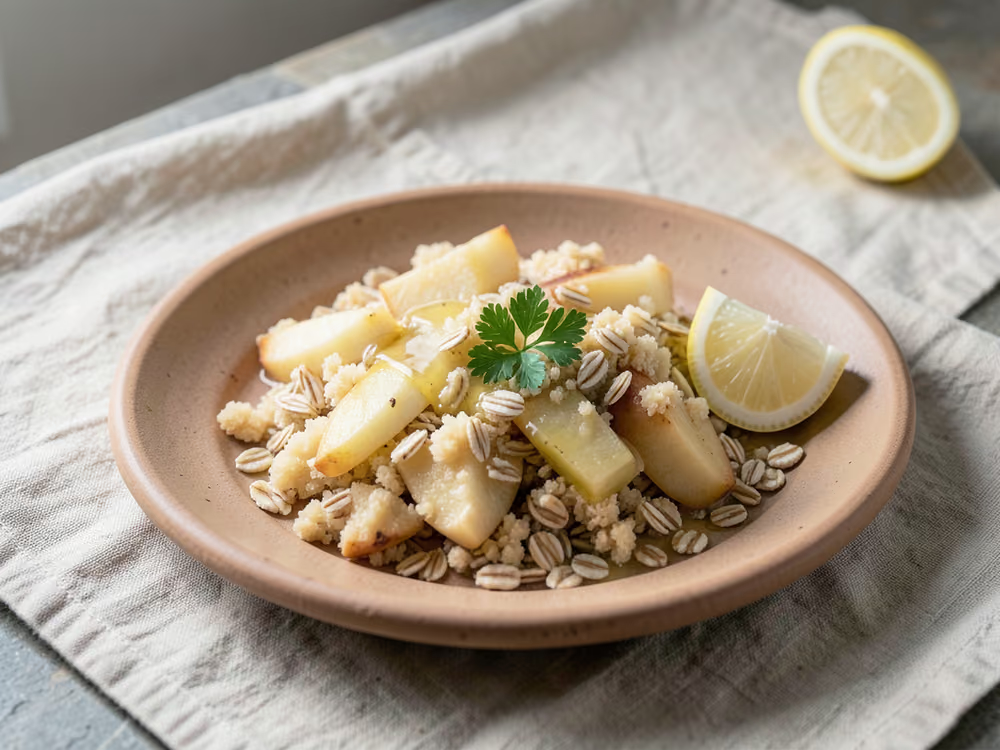
In a second large bowl, stir together 150 g plain flour, 60 g rolled oats, 100 g light brown sugar and a pinch of salt, breaking up any lumps with your fingers as you go. Sugar left in pockets scorches into dark, bitter spots once the dish hits the oven, and those spots taste burnt no matter how good the rest of the bake is.
Add the 120 g cold butter cubes and rub them in with your fingertips, lifting and crumbling the mixture as you work. Stop while it still looks like coarse breadcrumbs with pea-sized lumps of butter left in. (Those lumps are not a flaw; they are the point.) The butter steams in the oven and leaves the pockets that make your top crunch.
Scatter the topping over the apples in a loose, uneven layer and don't worry about covering every inch. Do not press it down or smooth it flat. Leave the surface rough. Bare patches of fruit between the crumbs are good, because steam needs somewhere to go, and packed crumbs trap that moisture and bake into a heavy, soggy lid.
Slide the dish onto the middle shelf and bake for 40 to 45 minutes, until the crust is deep golden brown and juices bubble thickly around the rim. Judge by those bubbles as much as by the color, because they tell you the fruit is tender and the syrup underneath has come together.
Cool the crumble on a wire rack for 10 minutes, then serve it warm. Ten minutes is enough for the juices to thicken, so portions hold together on the plate instead of flooding the dish and soaking the base of your topping.
Why this recipe works
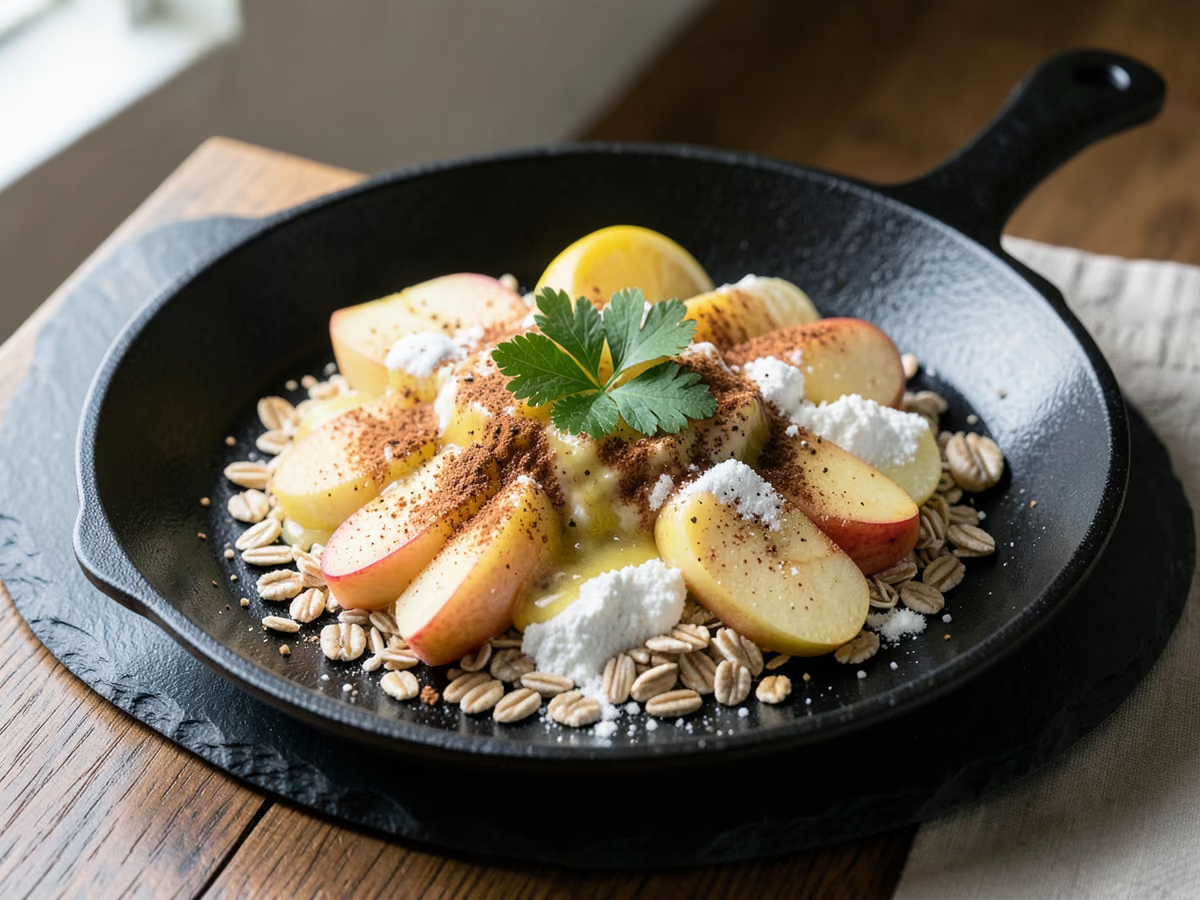
Rubbing cold butter into flour does more than mix two things. Fat coats the flour proteins and limits how much gluten can develop, so the finished topping bakes sandy and short rather than bready. The pea-sized lumps you leave matter just as much. Each one melts into steam in the oven and leaves a pocket of air where the crunch is born. Why does a pressed crumble turn soggy? Steam from the fruit has to escape upward. Packed crumbs give it nowhere to go but back down through the topping, which is why a smooth, pressed-on layer goes limp while a shaggy one stays crisp from edge to center. For doneness, your best bet is the rim, because bubbling there means the sugars have dissolved and the fruit is tender.
Equipment
- 23 cm round baking dish or a 20 x 20 cm square dish, about 5 cm deep
- Large mixing bowl for the fruit
- Second large bowl for the topping
- Fingertips, or a pastry cutter if you prefer
- Vegetable peeler and a chef's knife
- Measuring cups and spoons
- Wire cooling rack
- Rimmed baking sheet, to catch any drips
Kitchen notes
Kitchen notes
- Mix your apple varieties rather than using just one. Two parts sharp fruit to one part sweet gives you soft pieces, firm pieces and a livelier filling in the same spoonful. Variety is the point.
- If your kitchen runs warm, chill the assembled topping for 15 minutes before it goes over the fruit, because firm butter melts in the oven instead of soaking into the flour and the crumbs stay distinct.
- Rub a spoonful of cold water through crumbs that feel too dry to clump, because it gives the flour just enough grip to hold together without turning the whole mix pasty. Dry crumbs never clump.
- Salt the topping, even though this is a dessert, because that pinch rounds off the sugar and makes your fruit taste more like itself and less like plain sugar.
- Want a crunchier lid? A tablespoon of demerara scattered over the crumbs is the better choice, because it melts into a thin, glassy crust.
- Bake it in a glass or pale ceramic dish if you have one, so you can watch the juice line at the base and pull the crumble the moment the rim bubbles.
Common mistakes
- Soggy topping: the butter was rubbed in until no lumps were left, the crumbs were pressed onto the fruit, or the apples released more juice than the topping could take, which soft late-season fruit tends to do. Keep pea-sized lumps in the mix. Scatter it loosely. If your dish has already gone soft on top, put it back into a 190°C oven without a cover for 10 minutes to dry the surface.
- Mushy, applesauce filling: chunks smaller than 2 cm break down during the bake, and mealy varieties do the same at any size, no matter how gently you treat them. Cut 2 cm pieces. Skip the floury apples in favor of firm Granny Smith or Braeburn.
- Burnt top, crunchy fruit: the oven ran hot, or the dish sat too close to the top element. Bake on the middle shelf. If the crumbs brown before the juices bubble, tent the dish with foil and keep going. (Foil is enough; there is no need to move it down a shelf.)
- Pale, floury crumb: the butter was overworked, so no lumps were left to steam and lift the topping, and the fix is simply to rub only until the mix looks like coarse breadcrumbs with a few nuggets still intact. Stop right there. Then scatter it and leave it alone.
- Filling that tastes flat: leaving out the pinch of salt or the lemon juice leaves the dish sweet and dull, and tired cinnamon does the same. Use a fresh jar. Add the full 1 tbsp of lemon.
- Juice boiling over the rim: the fruit was heaped too high for the dish, or the dish is too small for 900 g of apples. Spread the filling level in a dish about 5 cm deep, and set that dish on a rimmed baking sheet so the overflow has somewhere to land.
Serving suggestions
- Serve it warm from the dish, a generous spoonful per person, with cold pouring cream, custard, or a scoop of vanilla ice cream to melt into the hot fruit.
- No cream in the house? A spoon of thick yogurt or a drizzle of cold milk works just as well against the buttery crumbs.
- Cold leftover crumble makes excellent breakfast material, and a day-old portion spooned over thick yogurt is a fast dessert the next day.
- A hot crumble is made for sharing. Carry the dish to the table, hand out spoons, and let everyone take an edge, where the crumbs sit deepest.
Variations
- Pear-apple version: trade a third of the apples for firm pears, such as Conference or Bosc, which keep a little more bite after the bake and pair well with the cinnamon.
- Berry crumble: fold a handful of blackberries or blueberries through the fruit, and sprinkle a spoon of extra flour over the filling to soak up the added juice.
- Nut version: swap a quarter of the plain flour for ground almonds, and scatter chopped hazelnuts over the top for a denser, crunchier lid.
- Dairy-free version: use cold coconut oil or a vegan block butter in place of the butter, the same 120 g; the topping browns a touch faster, so start watching it a few minutes earlier.
Refrigerator
- RefrigeratorCool the dish completely, then cover it or move portions into airtight containers and chill for up to 3 days. The topping softens as it chills, so the oven, not the fridge, is what brings it back.
- ReheatingReheat portions, loosely tented with foil, at 180°C for 10 to 15 minutes, until the fruit is piping hot and the crust has firmed up again. Feel free to use the microwave for a single portion. Skip the whole dish, though, because steam turns the crumbs soft.
- FreezingFreeze baked or unbaked crumble for up to 3 months in freezer-safe containers. Thaw overnight in the fridge, then reheat as above, or send an unbaked one straight into a 190°C oven from frozen, where it needs about 60 minutes.
- Make aheadYou can put the whole thing together up to 24 hours ahead, then cover it and chill. Bake straight from cold and add 5 to 10 minutes to the clock, since the chilled dish slows the start of the bake and the topping needs those minutes to crisp through.
Updated:
How this recipe was developed
- BBC Food, Easy apple crumble (rub cold cubed butter into the flour until it resembles breadcrumbs; bake 40-45 minutes until browned and bubbling; Bramley versus Granny Smith for texture; gluten-free plain flour blends; freezing)
- BBC, Yvonne's Crumble Masterclass (always use cold butter for the topping; scatter the topping loosely for maximum crisp edges; do not bake it too high in the oven)
- USDA FSIS, Leftovers and Food Safety (refrigerate leftovers within 2 hours; keep refrigerated 3 to 4 days; freeze 3 to 4 months; reheat leftovers to 74°C)
- USDA FSIS, Steps to Keep Food Safe (refrigerator at 4°C or below; use most cooked leftovers within 3 to 4 days; reheat leftovers to 74°C)
Editorial references are kept internally for verification. This page makes no claim of external certification or professional testing.
Gallery
FAQ
The questions we get asked most
Why is my apple crumble topping soggy?
Soggy crumbs usually come down to three things: butter worked into the flour until nothing is left but sand, a topping pressed onto the fruit, or apples that gave off more juice than the crumbs could handle. Keep pea-sized lumps in the topping. Scatter it loosely. If your dish has gone soft already, put it back into a 190°C oven without a cover for 10 minutes to dry the surface.
Which apples are best for apple crumble?
Choose firm apples with some acidity: Bramley or Granny Smith for the tart backbone, plus Braeburn, Gala or Honeycrisp for sweetness. Mixing two varieties gives you soft pieces and firm ones in the same serving. Skip mealy fruit, which turns to mush no matter how carefully you cut it.
Can I make apple crumble ahead of time?
Yes, and it is one of the easiest desserts to prep early. Assemble the dish up to 24 hours ahead, cover it and refrigerate, then bake it from cold, adding 5 to 10 minutes to the time. You can also freeze the unbaked dish for up to 3 months, then bake it straight from frozen at 190°C for about 60 minutes.
How do I know when the apple crumble is done?
Wait for two signs at once: a deep golden topping and thick juices bubbling at the edges of the dish, and slide a knife into the center to be sure. The apples should give way with only slight resistance. If the crumbs brown before the fruit is tender, tent the dish with foil and keep baking.
Can I use frozen apples for apple crumble?
Yes, and there is no need to thaw them. Toss the frozen chunks with your sugar, cinnamon and lemon juice, add 1 tbsp plain flour to soak up the extra water, and give the dish 10 minutes more in the oven. The filling comes out juicier than one made with fresh apples, which is no bad thing.
Can I make apple crumble gluten-free?
Swap the plain flour for a gluten-free plain flour blend and add 0.5 tsp xanthan gum to hold the crumbs together. Check that your oats are certified gluten-free. (They are often milled in the same buildings as wheat.) The topping still crisps, just more crumbly.
How long does apple crumble keep in the fridge?
Covered, it keeps for up to 3 days. Reheat portions at 180°C for 10 to 15 minutes to bring the topping back. For longer storage, freeze it for up to 3 months, then reheat from frozen in a 180°C oven, which takes 20 to 25 minutes. Enjoy it the day it is baked if you can, because the first hour out of the oven is the best it gets.
Ask KitchenMind about this recipe
Tell it what’s different tonight — it works within the actual recipe.