California Burrito
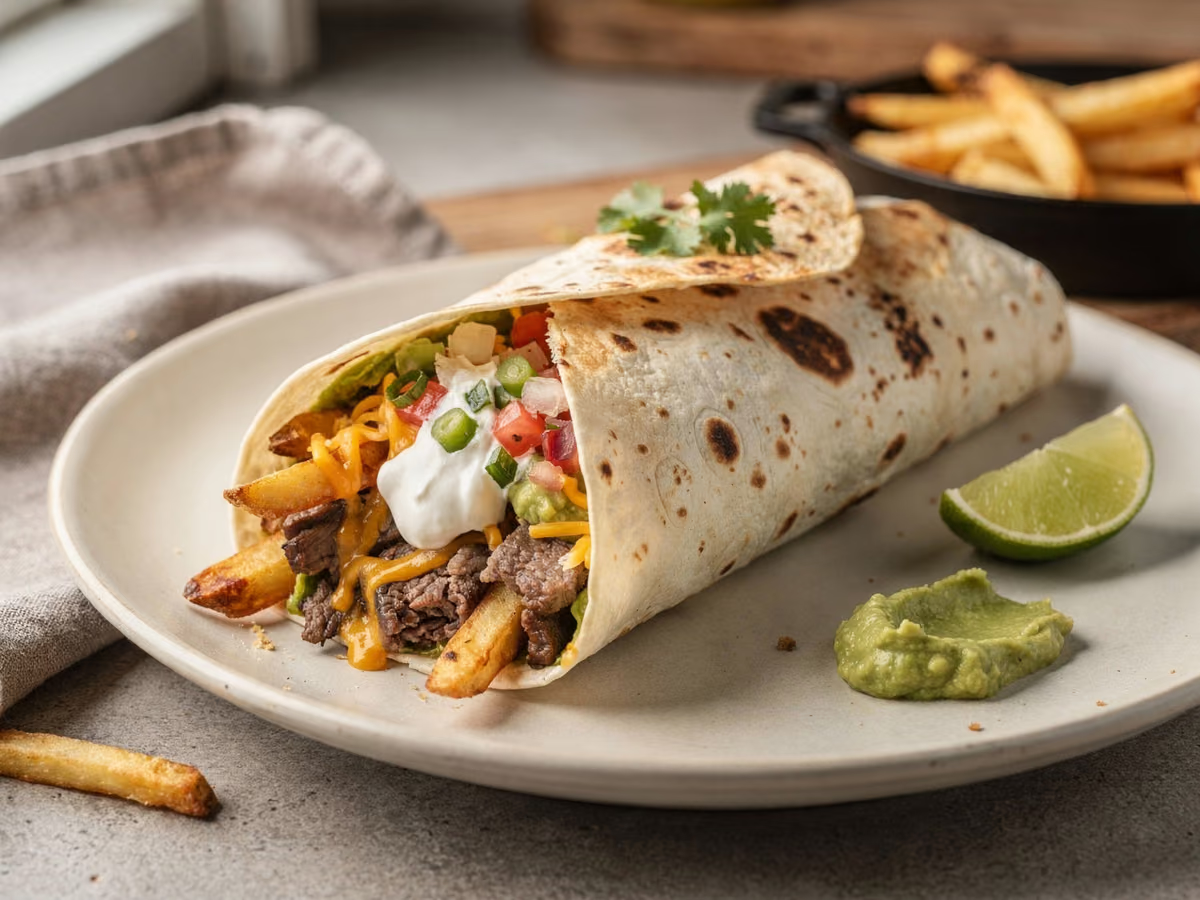
San Diego's signature taco-shop order, the California burrito wraps carne asada and hot french fries with melted cheddar, guacamole and pico de gallo in a large flour tortilla. The whole point is the contrast: a hard-seared steak, cool creamy toppings, and fries that are still crunchy when they meet your teeth. Everything comes together in about 45 minutes with one skillet and a sheet pan, since the fries crisp in the oven while the steak seasons and sears. Roll it tight and eat it while the crunch is there.
- Prep
- 25 min
- Cook
- 20 min
- Total
- 45 min
- Serves
- 4
Ingredients
What you’ll need — tap to tick off as you go
- 500 g
- 400 g
- 150 g
- 200 g
- 150 g
- 100 g
- 2 tbsp
- 1 tsp
- ½ tsp
- 1 tsp
- ½ tsp
Process
Timers built in · swap anything · ask as you cook
Cook the 400 g french fries following the package directions until deeply golden and crisp, going past the lighter end of the time range if one is given. Spread them on a wire rack rather than piling them in a bowl, and keep them warm; fries left in a heap steam from the inside and go soft before they ever reach the tortilla.
Season the 500 g flank steak strips all over with the 1 tsp salt, 0.5 tsp black pepper, 1 tsp garlic powder and 0.5 tsp ground cumin, rubbing the spices in with your hands. Pat the strips dry first: a dry surface takes the rub and browns hard, while a wet one steams grey in the pan.
Heat the 2 tbsp vegetable oil in a large skillet over high heat until it shimmers, then lay the strips in a single layer and sear for 2–3 minutes per side, in two batches if the pan is crowded. The strips are done when the edges are browned and a thick strip reads 63°C, the USDA FSIS minimum for beef steaks; squeeze half the lime over them and rest for 3 minutes.
Warm the 4 large flour tortillas one at a time in a dry skillet over medium heat for about 20–30 seconds per side, until pliable and steaming lightly, and stack them under a clean towel as you work. A cold tortilla cracks when it folds; one left too long in the pan turns stiff and brittle.
Build each burrito on a warm tortilla: scatter a quarter of the 150 g cheddar down the center, layer on a quarter of the steak, then a quarter of the fries, and finish with the 200 g guacamole, 150 g pico de gallo and 100 g sour cream split across the four. Cheese goes down first so the hot steak melts it; keep the wet toppings above the fries.
Fold the two sides of the tortilla in over the filling, then lift the bottom edge up and over the mound, tucking it tight with your fingertips, and roll forward into a compact cylinder. Keep the filling inside the first tuck; a loose roll opens at the seam and drops its fries.
Optional finish: set the wrapped burrito seam-side down in a dry skillet over medium-high heat and sear for 1–2 minutes per side, until the surface is speckled golden and the seam has sealed. This short turn in the pan warms the tortilla through and gives the outside a light crispness; any longer and it scorches.
Serve immediately, seam-side down, with the remaining lime wedges alongside. The window for crunch is short: the fries soften as the wrap steams from the inside, so go straight from fold to plate and do not stack the burritos.
Why this recipe works
Three choices carry the dish. The steak is flank, a lean cut with a marked grain, sliced thin across that grain and seared in a single layer over direct heat: the dry surface browns instead of steaming, and the short fibers chew tender rather than ropey. The lime goes on while the strips rest, its acid cutting the richness that arrives later from cheese and fries. And the fries are cooked a shade past snacking crispness, because a thick, dry crust resists the moisture that migrates out of warm fillings and softens pale fries in minutes.
Equipment
- Large heavy skillet or cast-iron pan, wide enough to hold the steak strips in one layer
- Instant-read thermometer
- Small bowl for the spice rub
- Baking sheet or air-fryer basket for the fries
- Second dry skillet or a flat griddle for warming the tortillas
- Chef's knife and cutting board
- Wire rack and a clean kitchen towel
Kitchen notes
Kitchen notes
- Keep the guacamole and sour cream in the fridge until the moment you build: cold toppings taste sharper against the hot steak, and they sit on the filling rather than soaking into the fries.
- For scratch-made fries, the double fry is what buys the crunch: blanch at about 163°C until pale and soft, let them cool completely, then finish at about 196°C until deeply golden. The first fry builds a thick, dry crust; the second makes it shatter-crisp.
- Foil is your ally when a burrito has to travel: roll it tight, wrap it in foil, and twist the ends. The foil holds the shape and keeps the seam shut until the first bite.
- Slice the strips thinner than you would for a plate: in a tight wrap, thin strips stay tender through every fold, while thick wedges of lean flank chew tough.
- Salt the fries the second they come out of the oven or fryer, while the surface is hot enough to grip the crystals; salt scattered later slides off.
Common mistakes
- Fries that go limp before the first bite: they were pulled at the pale end of the package range, held in a covered pile, or buried under watery pico. Cook them deep golden on an open rack, drain the pico, and layer the cold toppings above the steak.
- Steak that chews like rope: flank sliced with the grain keeps its long muscle fibers, and strips crowded into a cool pan steam grey instead of browning. Cut across the grain, heat the pan properly, sear in two batches, and pull each strip at 63°C.
- A burrito that splits at the seam: a cold tortilla, too much filling, or a loose first fold. Warm the tortilla to pliability, fill only the center strip, tuck the bottom edge tight over the mound, and roll forward without stretching the dough.
- Cheese in a cold lump: it was layered over dry filling, or the burrito sat while you finished the rest. Put the cheddar against the tortilla first and add the hot steak straight on top, then finish the other burritos while the heat does the melting.
- Soggy second-day burritos: wrapping them while still hot traps steam, and a microwave reheat turns the tortilla chewy and the fries soft. Cool them completely before wrapping, and use a 180°C oven for 10-15 minutes to bring the crisp back.
Serving suggestions
- Serve the burritos the moment they are rolled, seam-side down on a plate, with the lime wedges for squeezing over each bite.
- A cold horchata or an iced tea alongside balances the lime, salt and fat; sparkling water with a squeeze of lime works just as well.
- Keep the sides light and crunchy: a quick cabbage slaw, pickled jalapeños, or extra pico de gallo for anyone who wants more lift.
- Fresh fruit to finish, watermelon or orange segments, resets the palate after the rich last bite.
Variations
- Plate version, carne asada fries: skip the tortilla and pile the steak, fries, cheese, guacamole, pico de gallo and sour cream into a bowl. Same components, same contrast, no rolling.
- Grilled version: sear the seasoned strips on a hot grill pan or an outdoor grill instead of in a skillet, the same 2-3 minutes per side; the open heat gives a smokier crust, and the lime still goes on at the end.
- Vegetarian adaptation, a different dish rather than the same one: replace the steak with 500 g of thickly sliced portobello mushrooms or firm tofu, browned the same way; keep the toppings, and expect a softer, meatless filling.
Refrigerator
- RefrigeratorCool leftovers within 2 hours of serving, then wrap each burrito tightly or store the components separately in airtight containers. Assembled burritos are best within 2 days; the seared steak keeps up to 3 days, and the fries never come back, so cook a fresh batch instead.
- ReheatingUnwrap and reheat in a 180°C oven for 10-15 minutes, until steaming hot all the way through; 74°C is the USDA FSIS target for reheated leftovers. A microwave gets there in 1-2 minutes but leaves the tortilla chewy and the fries soft, so use the oven when texture matters.
- FreezingOnly with a texture trade: wrap each cooled burrito tightly and freeze for up to 2 months. Thaw overnight in the fridge and reheat in a 180°C oven for 10-15 minutes, or from frozen for 25-30 minutes. The fries come back soft, closer to a plain steak burrito than a California one.
- Make aheadPrep the components up to a day ahead: sear the steak, mix or buy the guacamole and pico, shred the cheese, and refrigerate everything separately. Cook the fries in the last half hour and assemble just before serving; a burrito rolled hours early loses exactly what makes it special. If it must be assembled ahead, wrap tightly and refrigerate up to 24 hours.
Updated:
How this recipe was developed
- USDA FSIS Safe Minimum Internal Temperature Chart (beef steaks and roasts 63°C with a 3-minute rest; reheat leftovers to 74°C)
- USDA FSIS Leftovers and Food Safety (cool within 2 hours; cooked leftovers keep 3-4 days refrigerated)
- Serious Eats — carne asada and french-fry technique guides (flank or skirt steak seared over ripping-hot heat, sliced against the grain; double-fried potatoes build the crust that stays crisp)
- Los Angeles Times and San Diego Magazine — California burrito recipe and history coverage (carne asada, cheese, sour cream and fries; San Diego origins; mission-style burritos carry rice instead)
Editorial references are kept internally for verification. This page makes no claim of external certification or professional testing.
FAQ
The questions we get asked most
What goes in a California burrito?
Carne asada is the anchor: flank steak cut into thin strips, rubbed with cumin, garlic, salt and pepper, and seared hard. Around it go hot french fries, shredded cheese, guacamole and pico de gallo, with sour cream if you like, all wrapped in a large flour tortilla. The fries are the defining extra, and there is no rice and no beans in the San Diego build.
What is carne asada?
The name translates as grilled meat, and it refers to Mexican-style beef, usually skirt or flank steak, cooked fast over high heat and served in thin slices. This version keeps that spirit in a skillet: the flank strips get a quick four-spice rub, a hard sear, and a finish of fresh lime juice. The sear is what gives the filling its browned, savory edge, so let the pan get properly hot.
How do I keep the fries crispy in the burrito?
Three moves: cook the fries until they are deeper golden than you would serve them on their own; hold them spread out rather than in a pile so their steam escapes; and keep the watery toppings on top, with the pico drained. Then roll the burrito tight and eat it straight away, because the fries soften as the wrap sits, no matter what you do.
Can I use a different meat for a California burrito?
Yes. Skirt steak or sirloin can replace the flank, the same 500 g sliced thin across the grain, with skirt staying juicier and sirloin leaner. Grilled or shredded chicken works too: season it the same way, cook it to 74°C, the USDA FSIS minimum for poultry, and allow more time than the flank needs.
Can I make California burritos ahead of time?
The components, yes: sear and chill the steak, prep the toppings, and refrigerate everything up to 24 hours. Assembled burritos can be made ahead and wrapped tightly, but the fries soften as they wait, so reheat those in a 180°C oven for 10-15 minutes. For the texture the dish is known for, roll them just before serving.
How is a California burrito different from a mission burrito?
Geography and filler. The mission burrito was popularized in San Francisco's Mission District and is built on rice and beans; the California burrito is a San Diego taqueria staple whose only filler is french fries, with carne asada, cheese, sour cream and, often, guacamole and pico de gallo. Both use an oversized flour tortilla, but only the California one is meant to be crunchy.
How do I fold and wrap a burrito so it stays closed?
Warm the tortilla until it is soft and pliable, then keep the fillings in a single center strip with a wide border all around. Fold the two short sides in, lift the bottom edge up and over the mound, tuck it tight, and roll forward into a compact cylinder. Finish seam-side down; a quick sear in a dry skillet seals it further, and a foil wrap keeps it shut if it has to travel.
Ask KitchenMind about this recipe
Tell it what’s different tonight — it works within the actual recipe.