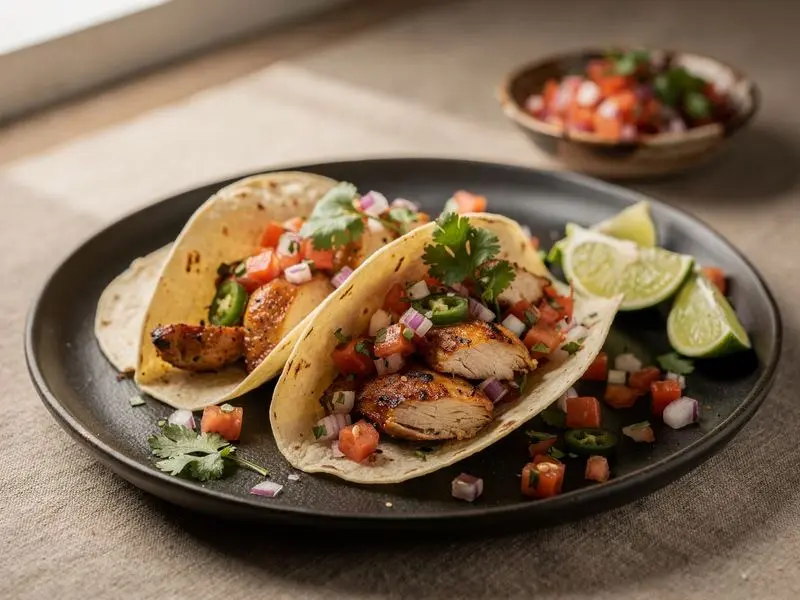
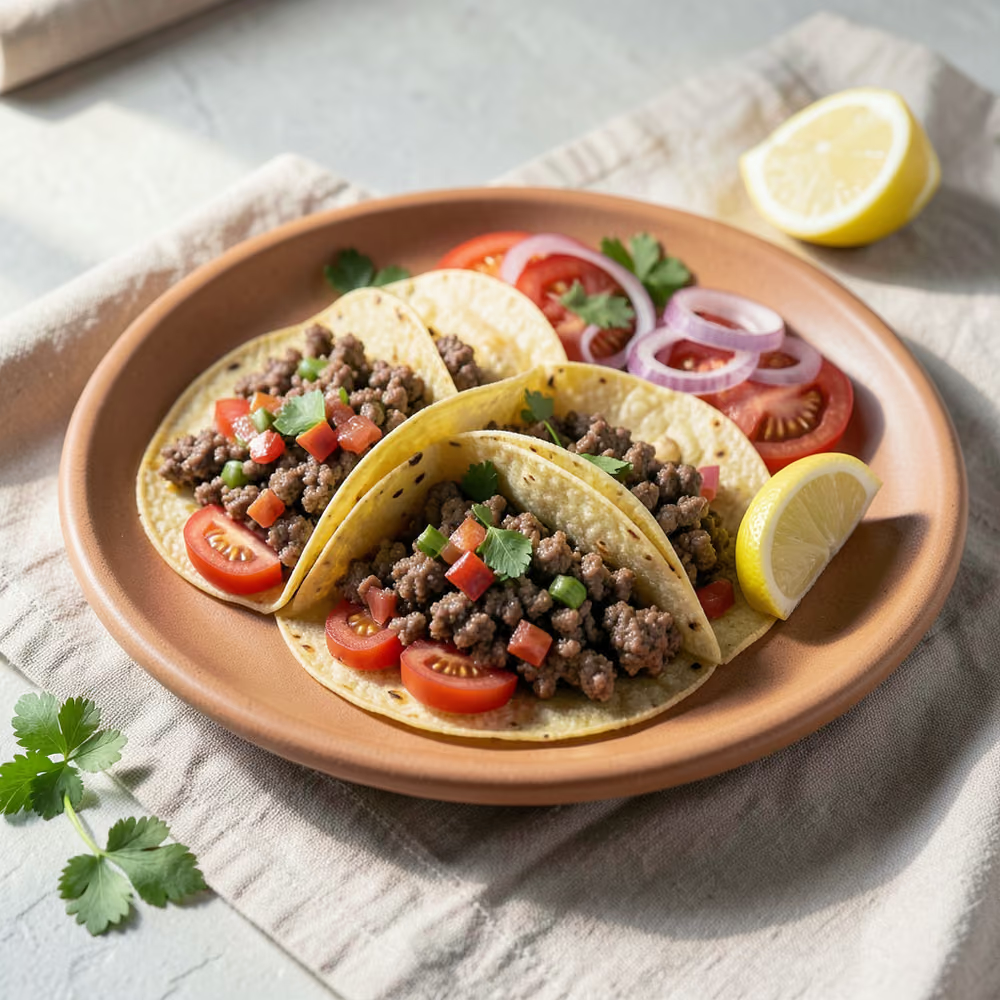
Beef Tacos with Fresh Salsa
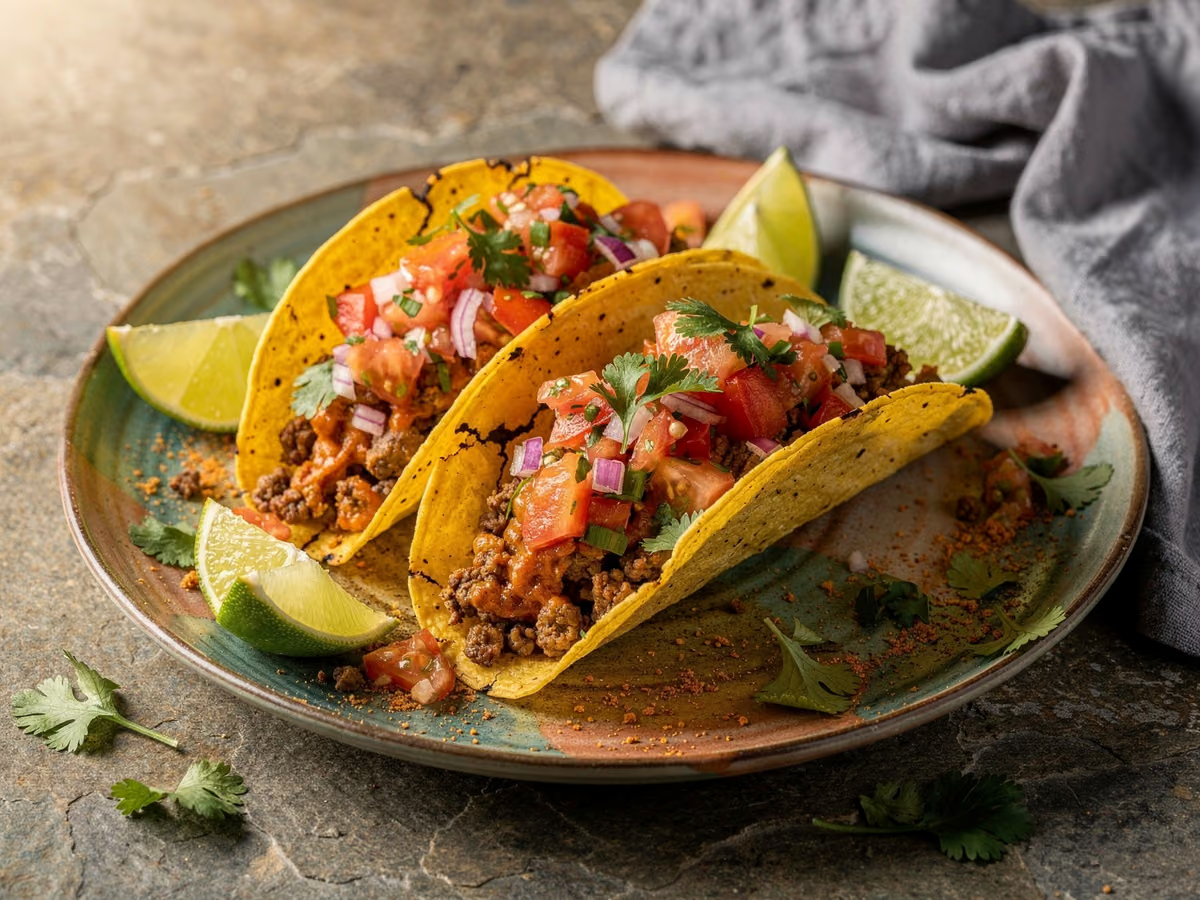
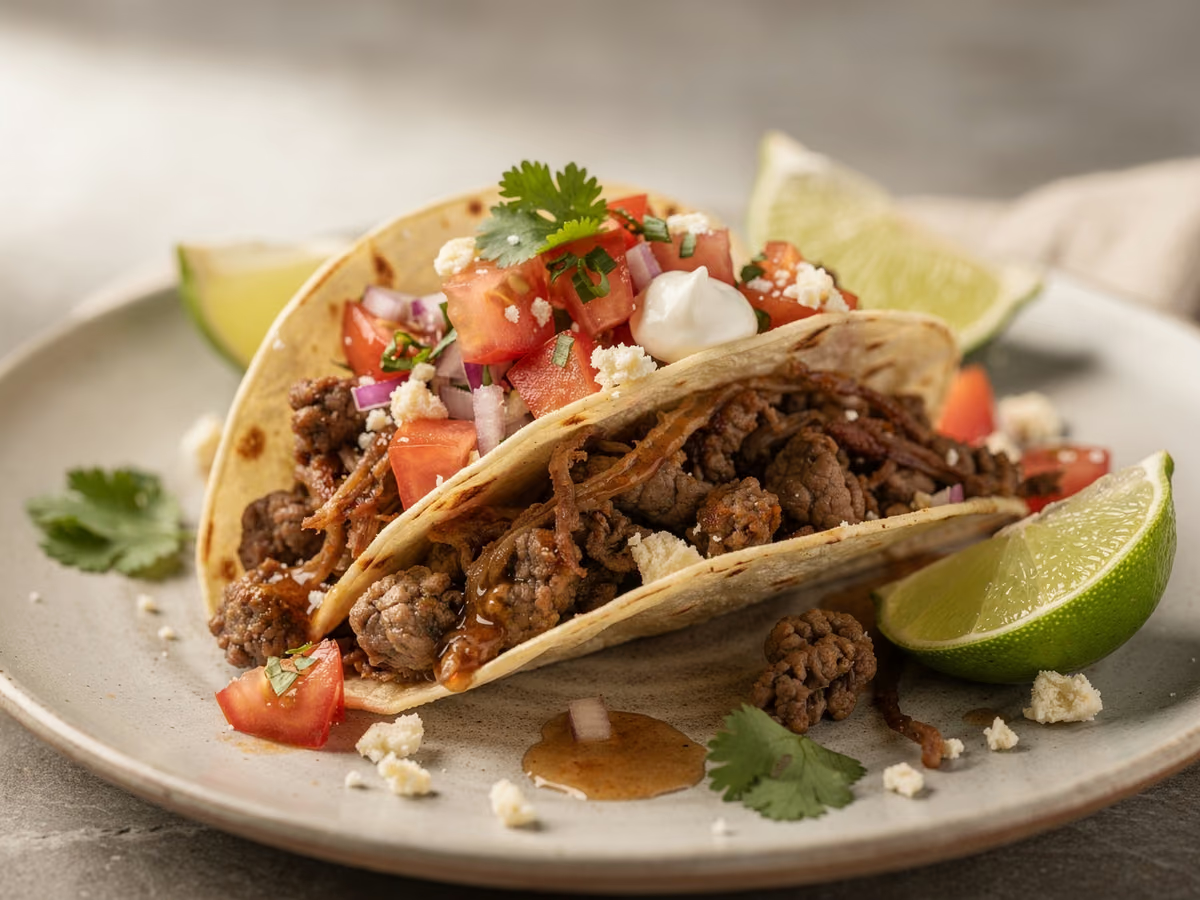
Ground beef tacos in the Tex-Mex weeknight style: 500 g of beef browned hard, seasoned with 30 g of taco seasoning and a measured 120 ml of water that simmers down into a glaze, then piled into 12 warm shells with a fresh salsa of tomatoes, red onion, cilantro and lime. The salsa comes together while the pan heats, the beef is done in about 8 minutes, and everything is on the table in around 30 minutes from a cold stove, with each person building their own.
- Prep
- 15 min
- Cook
- 15 min
- Total
- 30 min
- Serves
- 4
Ingredients
What you’ll need — tap to tick off as you go
- 500 g
- 30 g
- 120 ml
- ½ cups
- ½ tsp
- 2 cups
- 1 cup
- ½ cups
Process
Timers built in · swap anything · ask as you cook
Make the salsa first: in a medium bowl, combine the 3 diced tomatoes, the finely diced half red onion, 0.5 cup chopped cilantro, the juice of 1 lime and 0.5 tsp salt, and stir. Leave it to stand while you cook the beef; even 10 minutes lets the salt pull juice from the tomatoes and the flavours settle, and it gives you a head start on assembly.
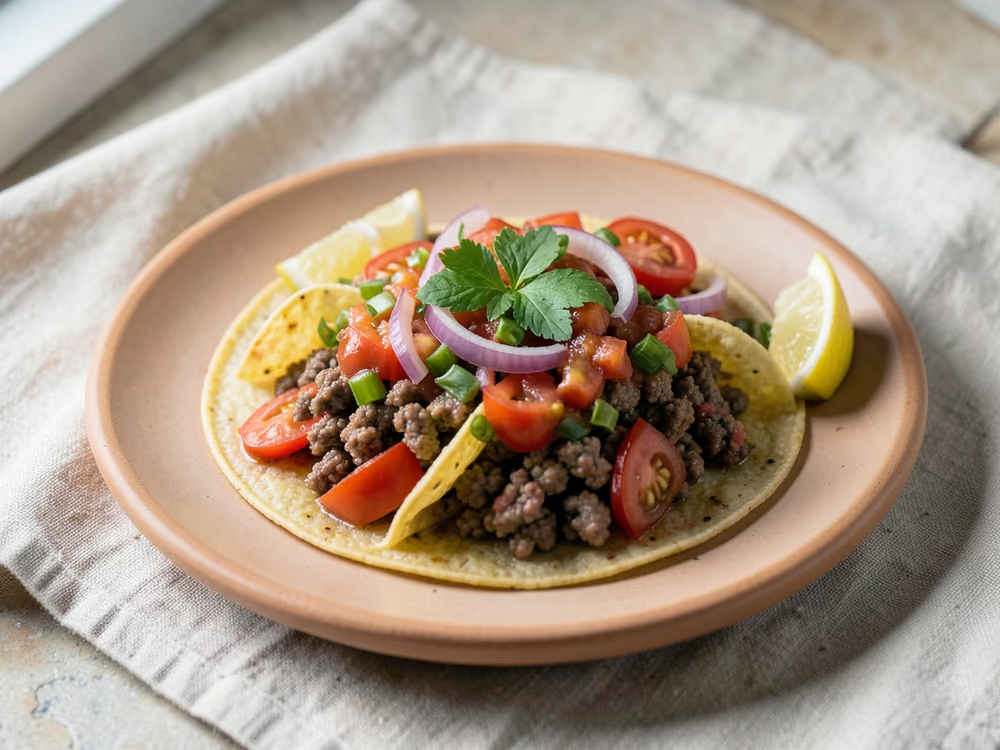
Heat a large skillet over medium-high heat for about 2 minutes, until a drop of water flicked in sizzles on contact. Add the 500 g ground beef and press it into an even layer; leave it undisturbed for 2 minutes, then break it into rough crumbles and cook for 6 to 8 minutes more, until no pink remains and the centre of a crumble reads 71°C, the USDA FSIS minimum for ground meat.
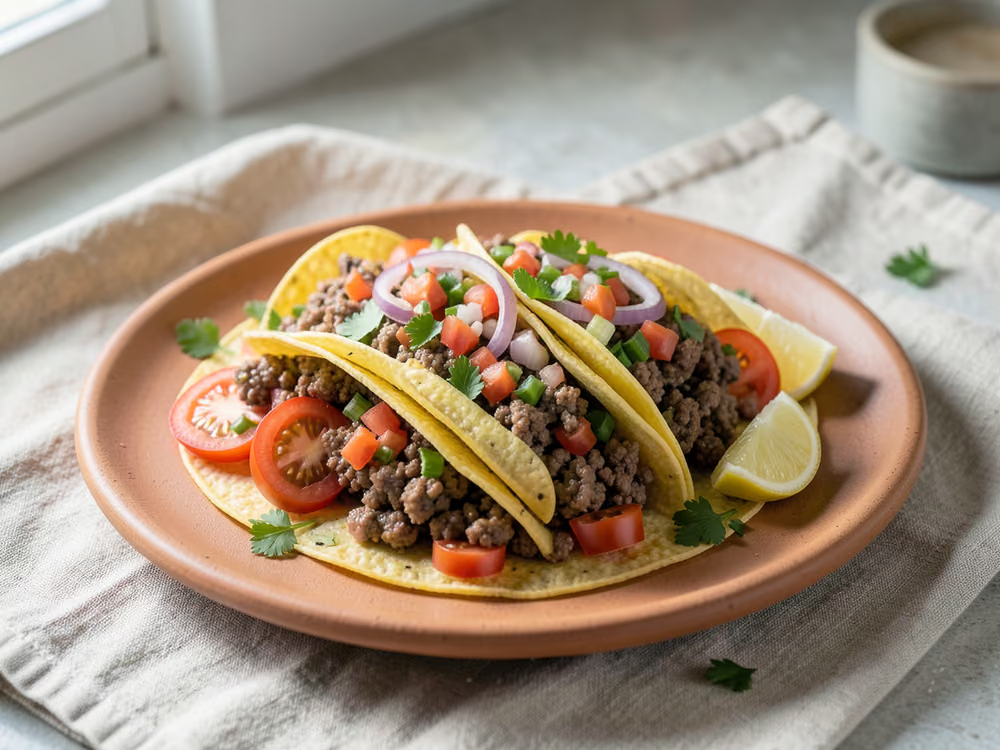
Tilt the skillet and spoon off the excess fat, leaving about 1 tbsp behind to carry the spices; 85% lean beef releases 2 to 3 tbsp of it. Greasy filling slides out of the shells and soaks them soft, which is the single most common way taco night goes wrong.
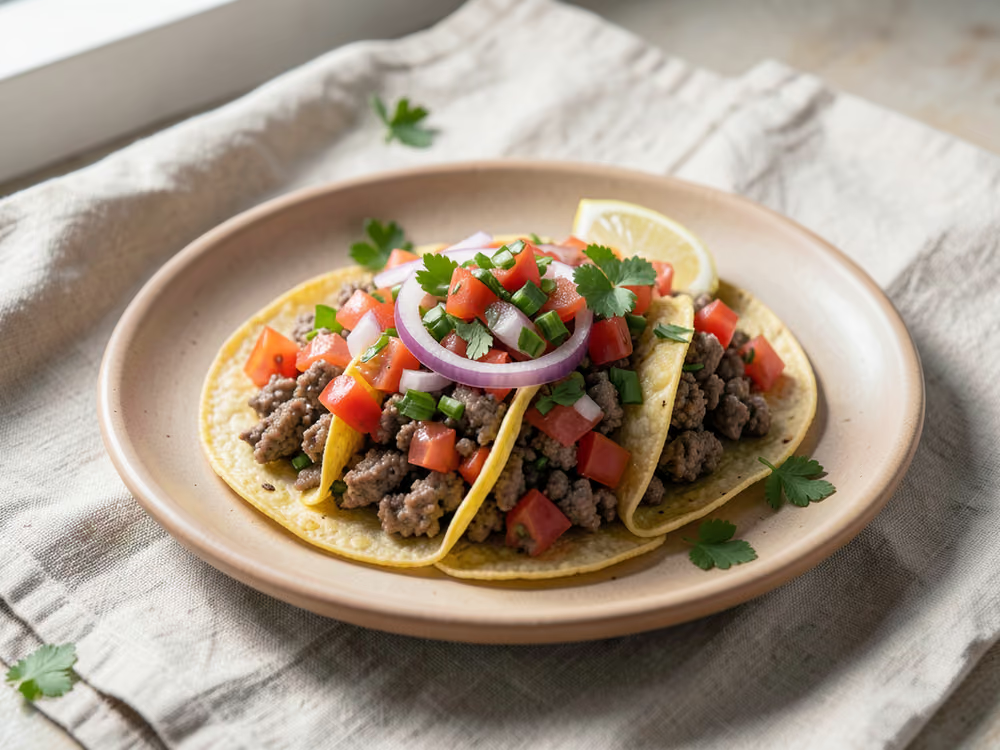
Sprinkle the 30 g taco seasoning over the beef, pour in the 120 ml water, and stir. Reduce the heat to low and simmer for about 3 minutes, stirring now and then, until the liquid has mostly evaporated and the beef is coated in a glossy glaze; stop there, because a wet filling tears the shells and a longer simmer dries the meat to crumbs.
Warm the 12 shells: hard corn shells according to their package instructions, or flour tortillas in a dry skillet over medium heat for about 30 seconds per side, until pliable and spotted. Warm shells bend instead of cracking, and they taste of toasted corn rather than the box.
Fill each shell with the seasoned beef, then top with the salsa and, if using, the shredded lettuce, cheddar and sour cream. Build them at the table and eat within a few minutes: a filled shell starts soaking through almost immediately, and that is what turns crisp into soggy.
Why this recipe works
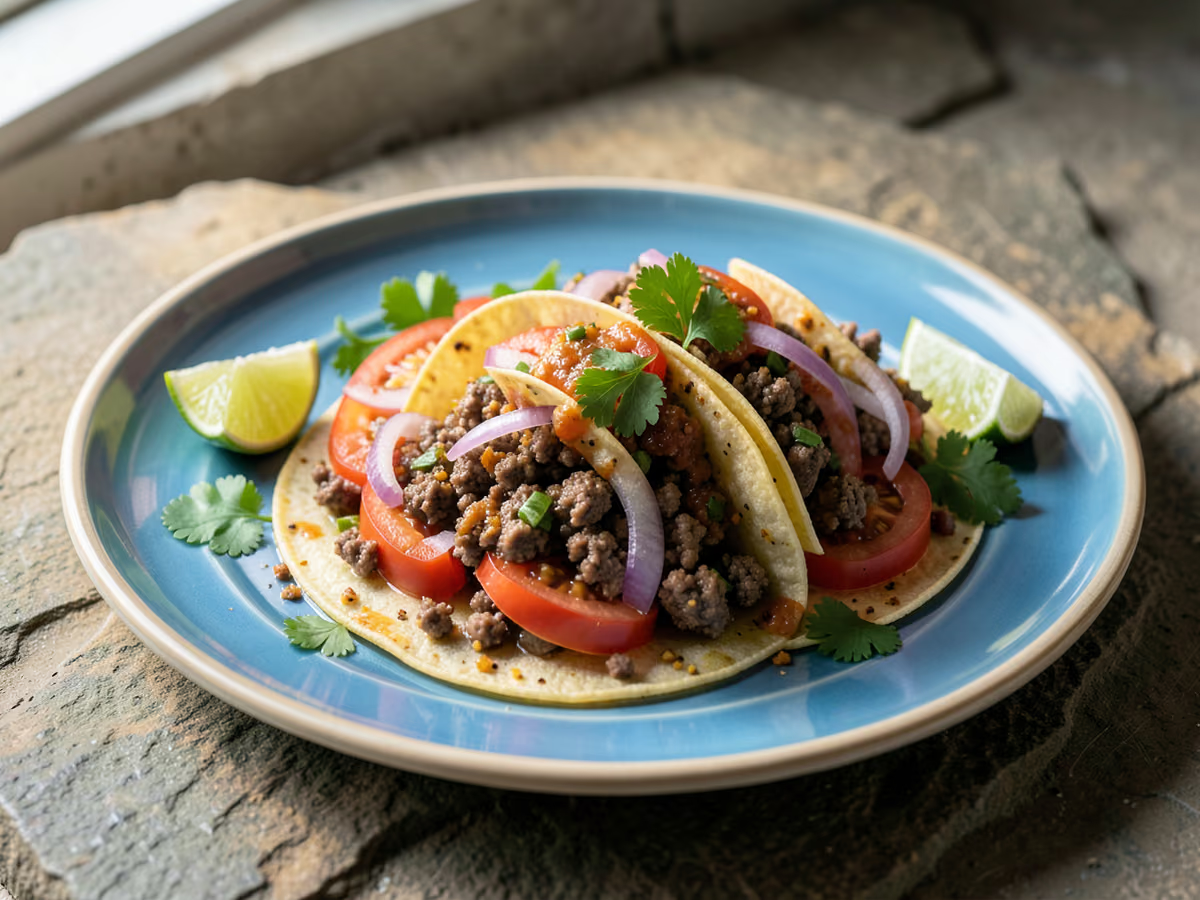
Two things keep taco filling juicy rather than soggy: browning, then glazing. The beef goes into a properly hot pan in one layer so its surface water boils off and it browns instead of steaming, and it is broken into rough crumbles, because ragged edges catch sauce where smooth pellets shrug it off. The 30 g of seasoning and 120 ml of water come next: the water dissolves the blend so it reaches every crumble instead of sitting in dusty patches, then simmers away in about 3 minutes and leaves a tacky glaze that clings. The salsa works the same logic in reverse, with salt pulling juice from the tomatoes, which is drained off before it can reach the shells.
Equipment
- Large skillet, 25 to 30 cm
- Wooden spoon or heatproof spatula
- Medium bowl for the salsa
- Chef's knife and cutting board
- Instant-read thermometer
- Slotted spoon for draining the fat
- Small dry skillet for warming tortillas, or a baking tray for shells
Kitchen notes
Kitchen notes
- Crumble with the edge of the spoon rather than mashing with its face: rough, uneven pieces hold the glaze, while evenly mashed pellets let it slide to the bottom of the pan.
- Warm hard shells upright in a muffin tin in a warm oven; they toast evenly, keep their shape, and are easy to carry to the table still hot.
- Put the cheese on the hot beef before the salsa and lettuce, so it half-melts against the meat and grips it instead of sliding off the wet toppings.
- The recipe halves cleanly: use half the beef, half the seasoning and half the water in a smaller skillet, and warm only the shells you need. The salsa can be made in full even for 2 people, because it keeps for 3 days and improves overnight.
- Buy 85% lean rather than 80/20: fattier beef means more fat to drain and a greasier finish, and 85% still browns beautifully in a properly hot pan.
Common mistakes
- Dry, crumbly beef: the pan stayed on the heat too long after the water went in, or the meat was very lean. Simmer only until the 120 ml has mostly gone, about 3 minutes, and pull the pan off while the beef still looks glossy; the glaze tightens as it cools.
- Greasy, soggy tacos: the fat was left in the pan. With 85% lean beef there is 2 to 3 tbsp to spoon off after browning; leave only a thin film to carry the seasoning, and drain the salsa of its pooled juice before it goes anywhere near the shells.
- Grey, steamed beef: the pan was not hot enough, or the meat went in as a cold block and released its water before it could brown. Heat until a water drop sizzles on contact, spread the beef thin, and leave it alone for 2 minutes before you start breaking it up.
- Wet filling that tears the shells: the simmer was cut short. The beef should glaze, not swim; if liquid still pools when you push the meat aside at the 3-minute mark, give it another minute before you stop.
- Shells that crack as you fill them: they went in cold, or sat filled while the rest of the table was served. Warm them just before the filling goes in, and stand them upright in a bowl or tray so they cannot tip and split.
Serving suggestions
- Set everything out family-style, shells, beef, salsa and the optional lettuce, cheese and sour cream, and let each person build their own; 12 shells is 3 tacos each for 4 people.
- Keep the drinks cold and simple: sparkling water with a squeeze of lime, iced tea, or a lime agua fresca.
- Spoon the salsa on last, after the cheese and lettuce, so the beef underneath stays hot and the shell stays crisp.
- Any spare beef and salsa make a fast bowl over rice or crisped tortilla chips the next day.
Variations
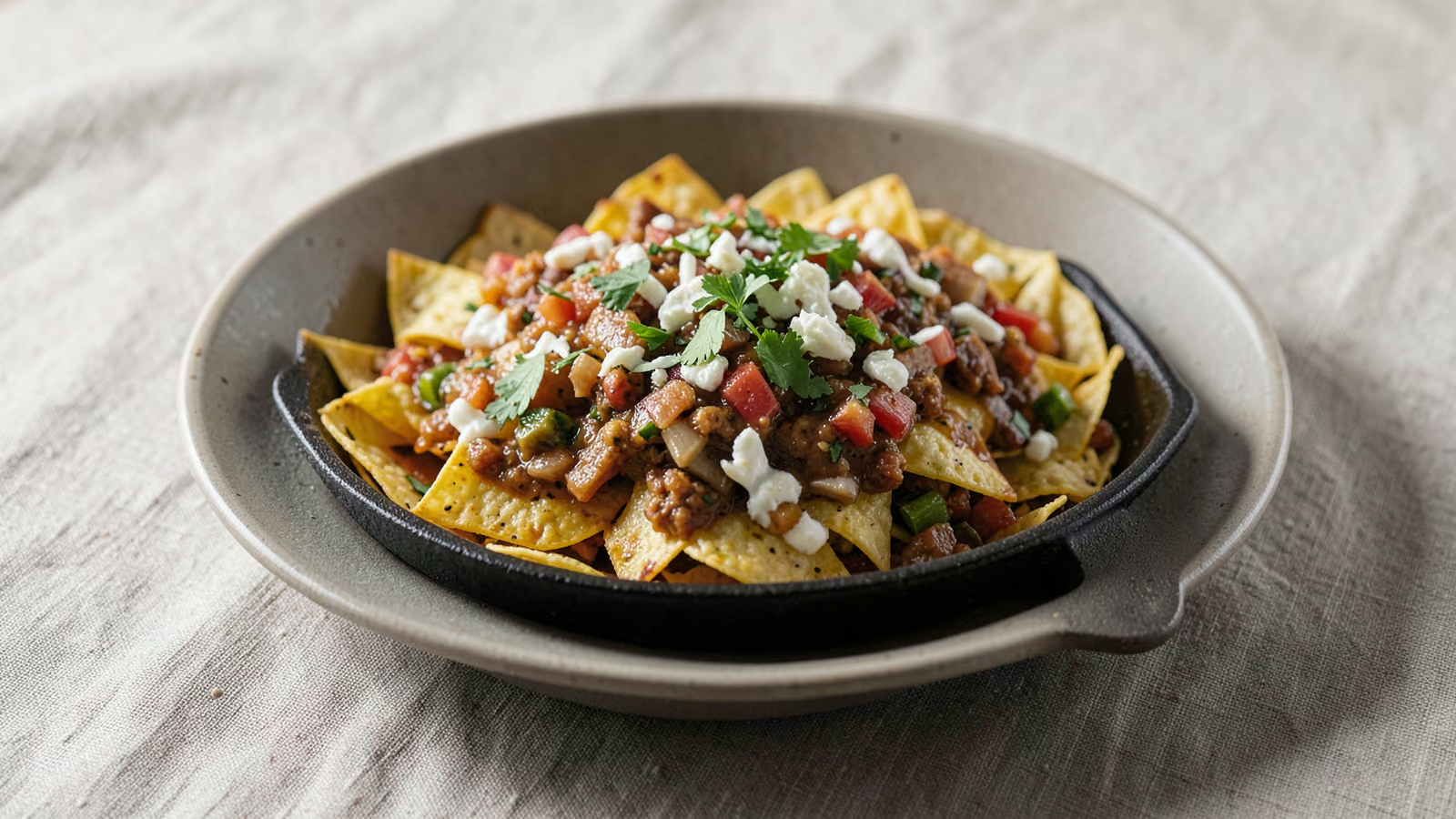
- Nacho tray, a different format: spread tortilla chips over a baking tray, scatter on the 500 g of beef, spoon over the salsa and the 1 cup of cheddar, and bake until the cheese melts; serve with sour cream on the side.
- Spicier filling: add a diced jalapeno to the skillet with the beef, or a pinch of cayenne with the seasoning. Taste before adding more, because seasoning blends already carry varying heat.
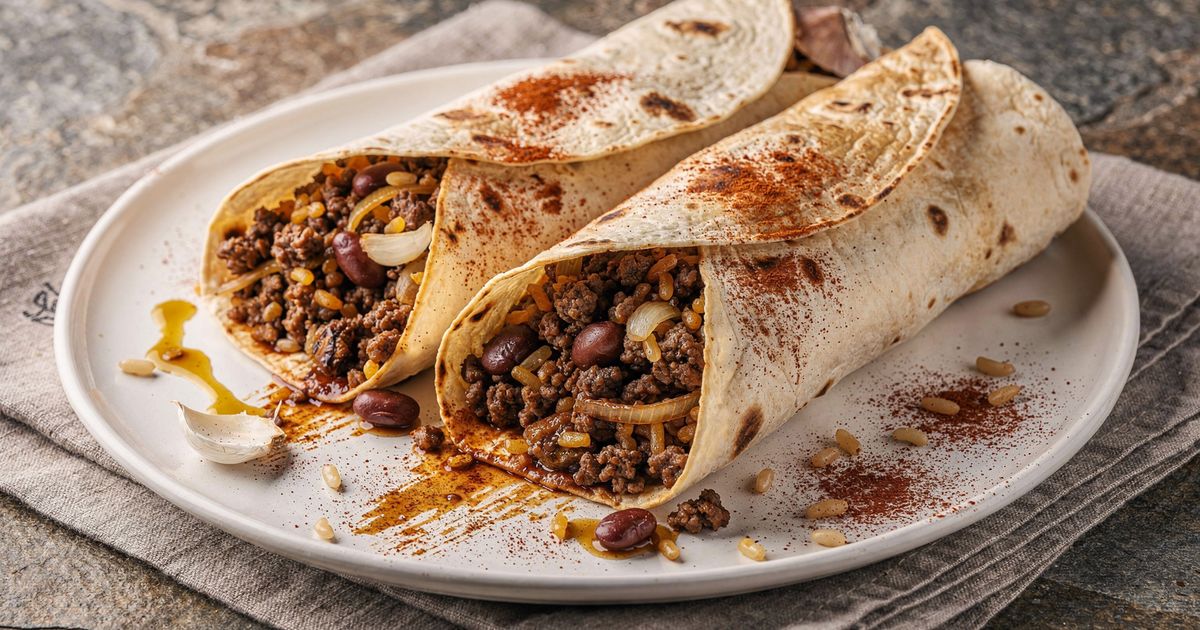
- Beef and black bean: stir a drained tin of black beans into the beef with the water and seasoning, and simmer until the beans are hot through. It stretches the filling and makes it softer and less meat-forward.
Refrigerator
- RefrigeratorStore the beef and the salsa separately in airtight containers: beef up to 4 days, which is this recipe's window and sits inside the USDA FSIS range of 3 to 4 days for cooked leftovers, and salsa up to 3 days. Cool both within 2 hours of cooking, and drain the salsa of its pooled juice before serving.
- ReheatingReheat the beef in a skillet over medium heat with 1 to 2 tbsp of water, stirring, until it reaches 74°C, about 4 to 5 minutes, or microwave it covered in 30-second bursts until steaming. Keep the salsa cold, because reheating it flattens its freshness.
- FreezingThe cooked beef freezes well for up to 3 months in a freezer-safe bag or container; thaw it overnight in the fridge. Never freeze assembled tacos, since lettuce, cheese and sour cream turn to water and mush, and warm the shells fresh.
- Make aheadCook the seasoned beef up to 4 days ahead and refrigerate it; make the salsa up to 24 hours ahead so the flavours meld, keeping it separate and draining it before use. Warm the shells and assemble at the last minute.
Updated:
How this recipe was developed
- Serious Eats, Ground Beef Tacos — the skillet method: browning the beef before the spices go in, simmering the seasoning with a measured splash of water until it glazes the meat, and assembling with the shells hot
- BBC Good Food, Easy beef tacos — the quick weeknight format of seasoned beef in warm shells, topped with a fresh tomato salsa and shredded cheese at the table
- USDA FSIS safe minimum internal temperature chart (ground meats 71°C; leftovers reheated to 74°C)
- USDA FSIS leftovers and food safety guidance (refrigerate within 2 hours; 3 to 4 days in the fridge)
Editorial references are kept internally for verification. This page makes no claim of external certification or professional testing.
Gallery
FAQ
The questions we get asked most
Why did my taco beef turn out dry and crumbly?
You likely simmered it too long after the water went in, so all the moisture cooked off and the meat tightened. Add the 120 ml, simmer only about 3 minutes until it has mostly evaporated, and pull the pan off the heat while the beef still looks glossy. Leaner beef also dries faster, so an 85% lean blend holds up better.
Can I use canned tomatoes or frozen beef for this recipe?
For the salsa, drained canned diced tomatoes work, but drain them well or the salsa will be watery; fresh tomatoes give a crisper texture. Frozen ground beef is fine if you thaw it fully in the fridge overnight and drain the extra liquid after browning, but do not cook it from frozen, or it releases water and steams instead of browning.
How do I keep the taco shells from getting soggy?
Drain the fat from the beef, simmer off the extra water, and drain the salsa of any pooled liquid before topping. Add the salsa, lettuce, cheese and sour cream at the table, and eat within a few minutes of filling; if you are using soft tortillas, warm them in a dry skillet for about 30 seconds per side so they do not steam.
How do I know when the ground beef is fully cooked?
Break it into small crumbles and cook over medium-high heat until no pink remains and the pieces are firm, about 8 minutes; if you want to be certain, the centre of a crumble should reach 71°C, the USDA FSIS minimum for ground meat. Then add the seasoning and the 120 ml of water and simmer for about 3 minutes, until the liquid is mostly gone.
Can I substitute the ground beef with something else?
Ground turkey, ground chicken or plant-based ground all work; cook poultry until no pink remains and the centre reaches 74°C, and brown it the same way. If you use a very lean option, add 1 tbsp of oil to the skillet so it browns instead of sticking, and adjust the salt after tasting, because leaner meats absorb seasoning differently.
How spicy are these tacos?
It depends almost entirely on the 30 g of seasoning you use; supermarket blends run from mild to genuinely hot. Taste a crumble once the glaze has formed and add a pinch of cayenne if you want more heat. To calm the pot, top with sour cream, cheese or an extra squeeze of lime.
Are these tacos gluten-free?
Only if every component is. Check 3 things: the shells, since corn shells are usually fine but flour tortillas are not; the seasoning blend, because some contain wheat flour as a filler; and the optional toppings. Swap in corn shells and read the seasoning label and you are most of the way there.
Ask KitchenMind about this recipe
Tell it what’s different tonight — it works within the actual recipe.