- Prep
- 30 min
- Cook
- 60 min
- Total
- 90 min
- Serves
- 10
Ingredients
What you’ll need — tap to tick off as you go
- 200 g
- 100 g
- 200 g
- 900 g
- 2 tsp
- 200 g
- ½ tsp
Process
Timers built in · swap anything · ask as you cook
Preheat the oven to 180°C. Wrap the outside of a 23cm springform pan with two layers of aluminum foil, ensuring it covers the bottom and sides to make it watertight.
In a medium bowl, combine 200g graham cracker crumbs, 50g granulated sugar, and 100g melted unsalted butter. Stir until the mixture resembles wet sand.
Press the crust mixture firmly into the bottom of the prepared pan, using the bottom of a glass to compact it evenly. Bake the crust for 10 minutes, then set aside to cool slightly while you prepare the filling.
In a large mixing bowl, beat 900g softened cream cheese with an electric mixer on medium speed until smooth and creamy, about 2 minutes. Scrape down the sides of the bowl.
Add 150g granulated sugar and 0.5 tsp salt to the cream cheese, and beat on medium-low speed until combined, scraping the bowl as needed.
Add 2 tsp vanilla extract and 200g sour cream, and mix on low speed until just incorporated. Be careful not to overmix.
Add the 4 eggs one at a time, mixing on low speed after each addition until just combined. Scrape the bowl and beaters well. The batter should be smooth and free of lumps.
Pour the filling over the cooled crust. Smooth the top with a spatula.
Place the springform pan inside a larger roasting pan. Fill the roasting pan with hot water until it reaches halfway up the sides of the springform pan, creating a water bath.
Bake the cheesecake in the preheated oven at 180°C for 60 minutes, or until the edges are set but the center still jiggles slightly when you gently shake the pan.
Turn off the oven and leave the cheesecake inside with the door slightly ajar for 1 hour to cool gradually.
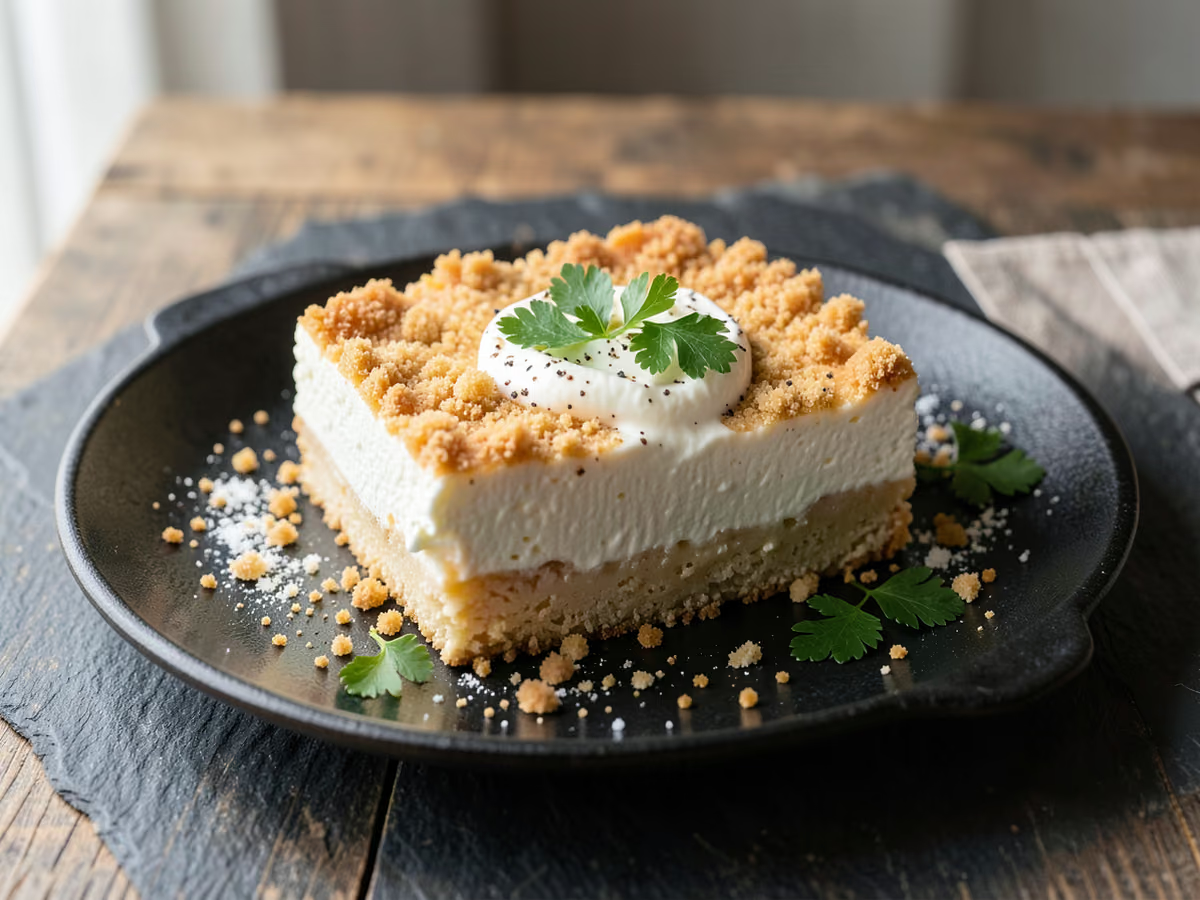
Remove the cheesecake from the water bath and refrigerate for at least 4 hours, preferably overnight, before serving.
Kitchen notes
Kitchen notes
- The single biggest mistake is overmixing after the eggs go in: beat each egg on low speed only until the yolk disappears, then stop. Extra air whipped into the batter is what makes a cheesecake puff, crack, and turn rubbery.
- Your doneness marker is the jiggle, not the clock: at 60 minutes the outer 5cm should look set and matte while the center still wobbles like firm jelly when you nudge the pan. If the whole surface is firm, it is already overcooked.
- Do not skip the gradual cool-down in the switched-off oven with the door ajar for 1 hour. Moving it straight to the fridge causes a sudden temperature drop that cracks the top and can make the center sink.
- Make the foil watertight before anything else: use two overlapping layers of wide foil and press it up the sides without tearing. Even a pinhole lets bath water seep in and turns the crust soggy.
Substitutions
- graham-cracker-crumbs→digestive biscuit crumbs or crushed speculoos biscuits, blitzed to the same fine texture
- sour-cream→full-fat plain Greek yogurt, drained for 10 minutes so it is equally thick
- vanilla-extract→the seeds of 1 vanilla pod, or 1 tsp vanilla bean paste
- unsalted-butter→salted butter, but then omit the 0.5 tsp salt from the filling
Storage & reheating
Refrigerate the cooled cheesecake in an airtight container or tightly wrapped in the springform base for up to 4 days; press a piece of plastic wrap directly onto the cut surface to stop it drying out. To freeze, chill it fully first, then wrap the whole cake or individual slices in two layers of plastic wrap plus foil and freeze for up to 2 months; thaw slices overnight in the fridge. Reheat is not needed, but if you want it softer, warm a slice in a 150°C oven for 8 to 10 minutes, or microwave a single slice on medium power in 15-second bursts until just softened, never hot.
Gallery
FAQ
The questions we get asked most
Why did my cheesecake crack on top?
Almost always overmixing after the eggs are added, which whips in air that expands and then collapses, or a too-fast temperature change. Mix each egg on low speed only until combined, and follow the 1-hour cool-down in the oven with the door ajar before refrigerating. A water bath also keeps the surface humid and dramatically reduces cracking.
How do I know when the cheesecake is done?
At 180°C it takes about 60 minutes: the outer ring should be set and the center should still jiggle slightly when you gently shake the pan. It will look underdone in the middle, which is correct because it sets as it cools. If the center is firm in the oven, you have baked it too long.
Can I make this cheesecake ahead of time?
Yes, it is ideal made a day ahead. Bake it, cool it in the oven for 1 hour, then refrigerate at least 4 hours or overnight before serving. You can also press and pre-bake the crust up to 2 days ahead and keep it covered at room temperature before pouring in the filling.
Can I use low-fat or whipped cream cheese?
No, use full-fat block cream cheese, not spreadable or whipped tub versions. The lower fat and added water in those products give a loose batter that bakes up watery and grainy. Let the blocks soften at room temperature for about 1 hour before beating so they blend smooth without lumps.
Can I freeze cheesecake and how long does it keep?
Yes, freeze it fully chilled, wrapped in two layers of plastic wrap and foil, for up to 2 months. Thaw individual slices overnight in the fridge rather than at room temperature to avoid a wet texture. Fresh cheesecake keeps in the fridge for up to 4 days.
Why is my cheesecake dry or grainy?
Dryness comes from overbaking past the jiggle stage, and graininess comes from cream cheese that was too cold when beaten or from overbeating after the eggs went in. Soften the cream cheese fully, scrape the bowl often, and pull the cake while the center still wobbles. The sour cream in this recipe also helps keep the crumb tender.
Ask KitchenMind about this recipe
Tell it what’s different tonight — it works within the actual recipe.