- Prep
- 30 min
- Cook
- 20 min
- Total
- 50 min
- Serves
- 12
Ingredients
What you’ll need — tap to tick off as you go
- 500 g
- 300 ml
- 7 g
- 50 g
- 56 g
- 1 tsp
- 2 tsp
- 1 ½ l
- 240 g
Process
Timers built in · swap anything · ask as you cook
In a small bowl, combine warmed whole milk (40–46°C), 1 tsp of the granulated sugar, and active dry yeast. Let stand 5–10 minutes until foamy.
In a large bowl, whisk together all-purpose flour, remaining granulated sugar, and salt.
Add the yeast mixture, eggs, melted unsalted butter, and 1 tsp vanilla extract to the dry ingredients. Stir until a shaggy dough forms.
Knead the dough on a lightly floured surface for 8–10 minutes until smooth and elastic. Alternatively, knead in a stand mixer with dough hook for 5–6 minutes.
Place dough in a greased bowl, cover, and let rise in a warm place for 1–1.5 hours until doubled in size.
Punch down dough and roll out on a floured surface to 1.25 cm thickness. Cut into rounds using a 9 cm donut cutter or two concentric cutters (9 cm and 3 cm).
Place donuts and holes on a parchment-lined baking sheet, cover, and let rise for 45–60 minutes until puffy.
Heat vegetable oil in a deep pot to 175°C. Fry donuts in batches, 1–2 minutes per side, until golden brown. Do not overcrowd.
Remove donuts with a slotted spoon and drain on a wire rack or paper towels. Let cool slightly.
In a medium bowl, whisk powdered sugar, 60 ml whole milk, 1 tsp vanilla extract, and a pinch of salt until smooth.
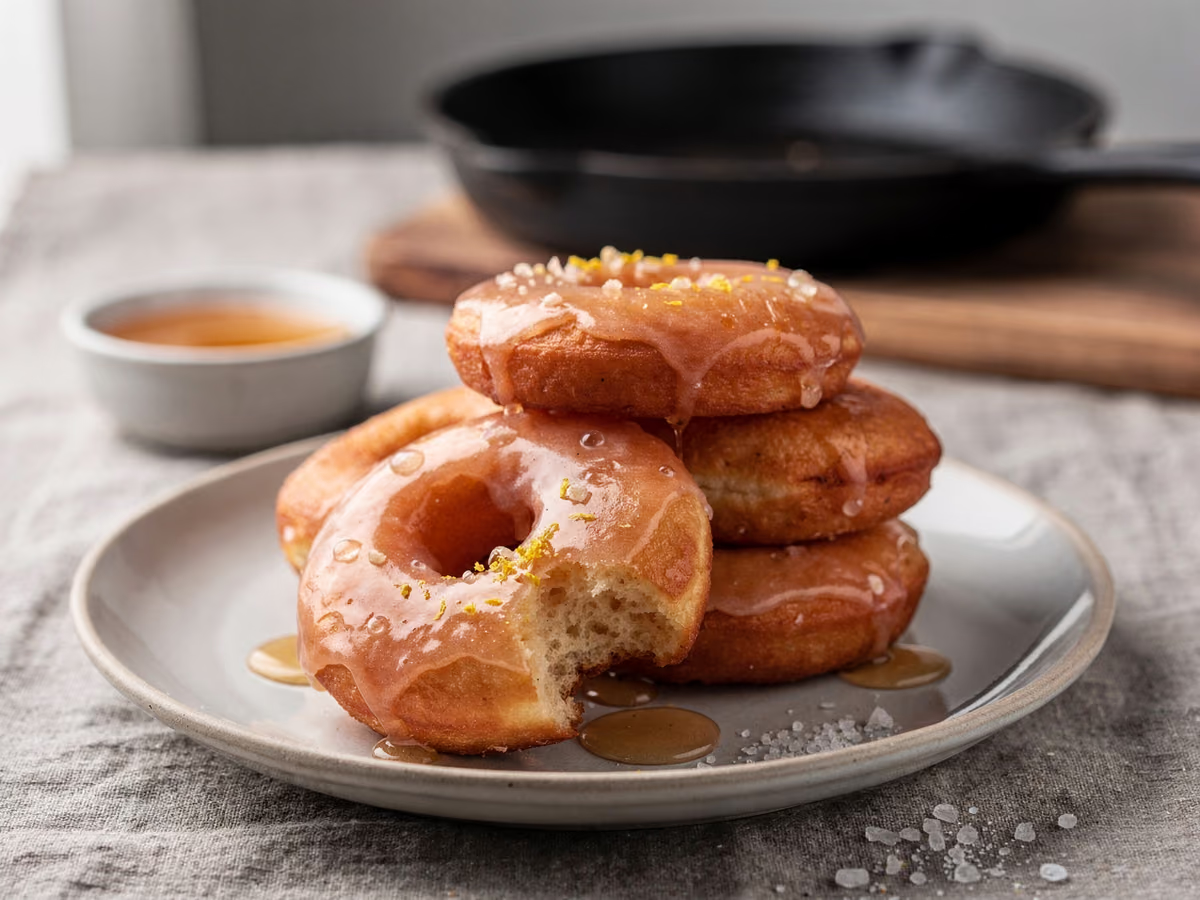
Dip the top of each warm donut into the glaze, letting excess drip off. Place on a wire rack to set for 10–15 minutes before serving.
Kitchen notes
Kitchen notes
- The most common mistake is frying at the wrong temperature: too hot and the outside burns before the inside cooks, too cool and the donuts absorb oil. Use a thermometer and keep oil at 175°C.
- Doneness test: fry until deep golden brown on both sides; the donut should feel light and sound hollow when tapped. If it browns in under 1 minute per side, the oil is too hot.
- For a tender crumb, do not add too much flour when rolling; a slightly sticky dough yields softer donuts. Also, let the dough rise fully before cutting.
Substitutions
- whole milk→oat milk or almond milk (for dairy-free)
- unsalted butter→coconut oil or vegan butter (for dairy-free)
- eggs→1/4 cup applesauce per egg (for egg-free)
- active dry yeast→instant yeast (use same amount, no need to proof)
Storage & reheating
Store glazed donuts in an airtight container at room temperature for up to 2 days. For longer storage, freeze unglazed donuts in a freezer bag for up to 2 months; thaw at room temperature and refresh in a 150°C oven for 5 minutes before glazing. To reheat, microwave for 10-15 seconds.
FAQ
The questions we get asked most
Why are my donuts dense and not fluffy?
Dense donuts usually mean the dough did not rise enough or the yeast was expired. Ensure the milk is at 40-46°C (not hotter, or it kills yeast) and let the dough double in size. Also, knead until smooth and elastic to develop gluten.
Can I bake these donuts instead of frying?
Yes, but the texture will be more like a soft roll than a fried donut. Preheat oven to 190°C, place cut donuts on a parchment-lined baking sheet, let rise, then bake for 10-12 minutes until golden. Brush with melted butter before glazing.
How do I know when the oil is at the right temperature without a thermometer?
Drop a small piece of dough into the oil: it should sizzle and rise to the surface within 10 seconds. If it browns immediately, the oil is too hot; if it sinks and does not sizzle, it is too cold. Adjust heat accordingly.
Can I make the dough ahead of time?
Yes, after the first rise, punch down the dough, cover tightly, and refrigerate for up to 24 hours. Let it come to room temperature for 30 minutes before rolling and cutting. The cold dough may need a few extra minutes to rise.
Why did my glaze turn out runny or too thick?
Adjust consistency by adding more powdered sugar (for thicker) or milk (for thinner), 1 teaspoon at a time. The glaze should coat the back of a spoon but still drip slowly. Humidity can affect this, so adjust as needed.
Can I freeze glazed donuts?
It is best to freeze unglazed donuts. Wrap them individually in plastic wrap, then place in a freezer bag for up to 2 months. Thaw at room temperature, then glaze. If already glazed, the glaze may become sticky upon thawing.
Ask KitchenMind about this recipe
Tell it what’s different tonight — it works within the actual recipe.