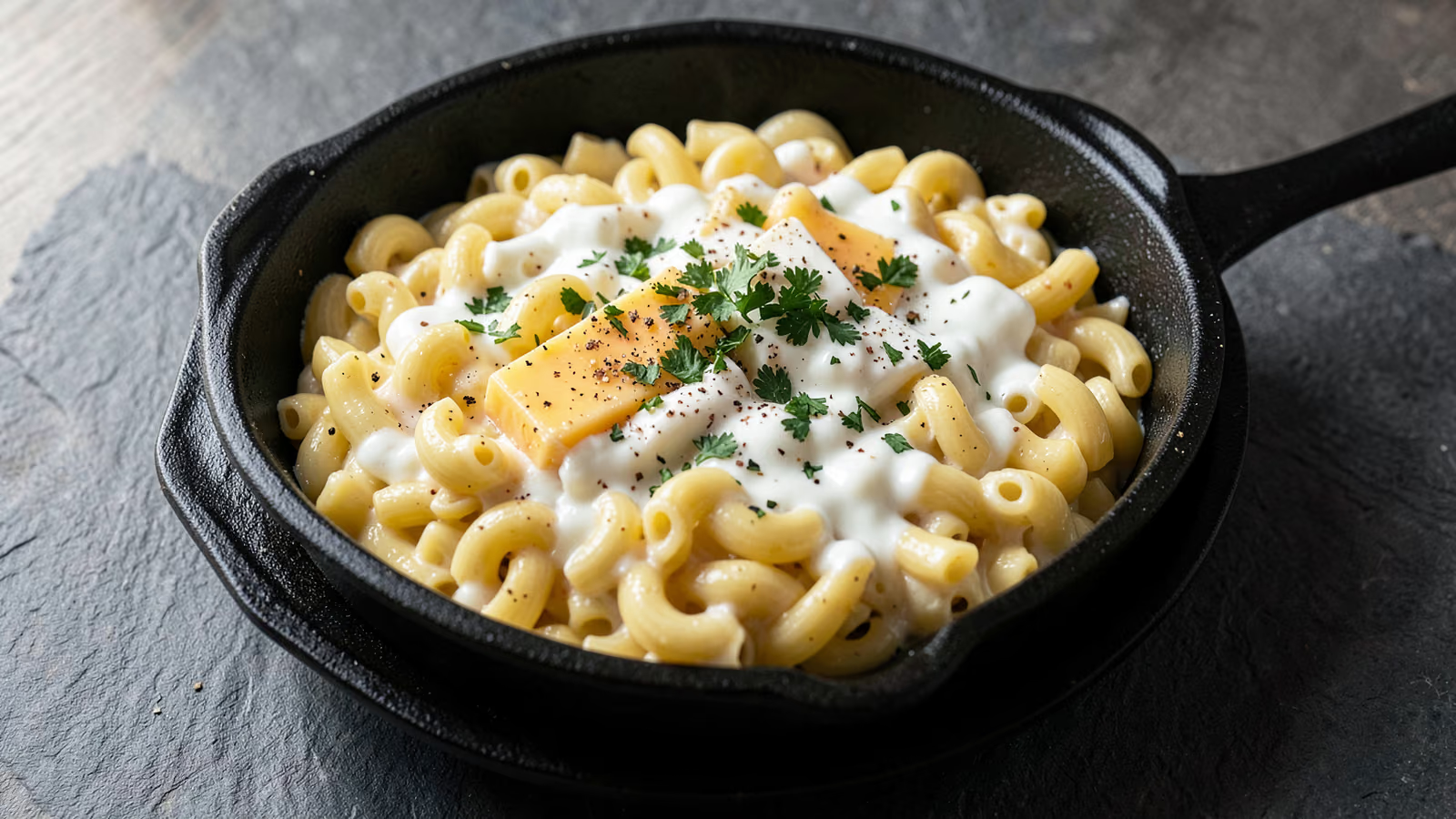
Creamy Mac and Cheese
Stovetop mac and cheese built on a butter-and-flour base that carries 400 g of sharp cheddar into a sauce glossy enough to cling to every elbow. There is no baking step and no crumb topping: the whole dish comes together in one saucepan while the pasta boils, with 1 tsp of Dijon sharpening the cheese and 0.25 tsp of nutmeg doing quiet background work. Prep is 10 minutes and the pot is on the table about 20 minutes later, which makes this a real weeknight dinner rather than a project.
- Prep
- 10 min
- Cook
- 20 min
- Total
- 30 min
- Serves
- 6
Ingredients
What you’ll need — tap to tick off as you go
- 500 g
- 60 g
- 50 g
- 1 l
- 400 g
- 1 tsp
- 1 tsp
- ½ tsp
- ¼ tsp
Process
Timers built in · swap anything · ask as you cook
Bring a large pot of salted water to a rolling boil, add the 500 g elbow macaroni and cook until al dente, stopping 1 minute short of the package time, around 7 to 8 minutes for standard elbows. Drain without rinsing. The starch left on the pasta helps the sauce cling, and rinsing washes it away.
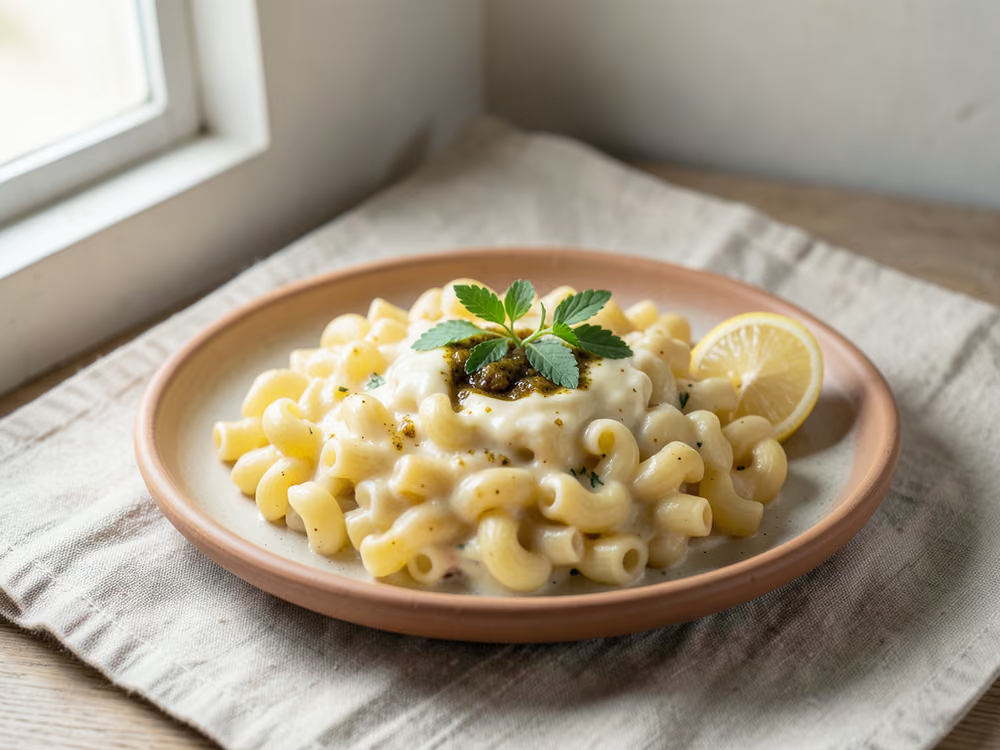
Melt the 60 g butter in a large heavy saucepan over medium heat, then whisk in the 50 g flour all at once and cook for 1 to 2 minutes, whisking constantly, until the paste bubbles, turns lightly golden and smells toasted rather than raw. That minute or two hydrates the flour so it can thicken and stabilise the sauce, and cooks away the pasty, floury taste.
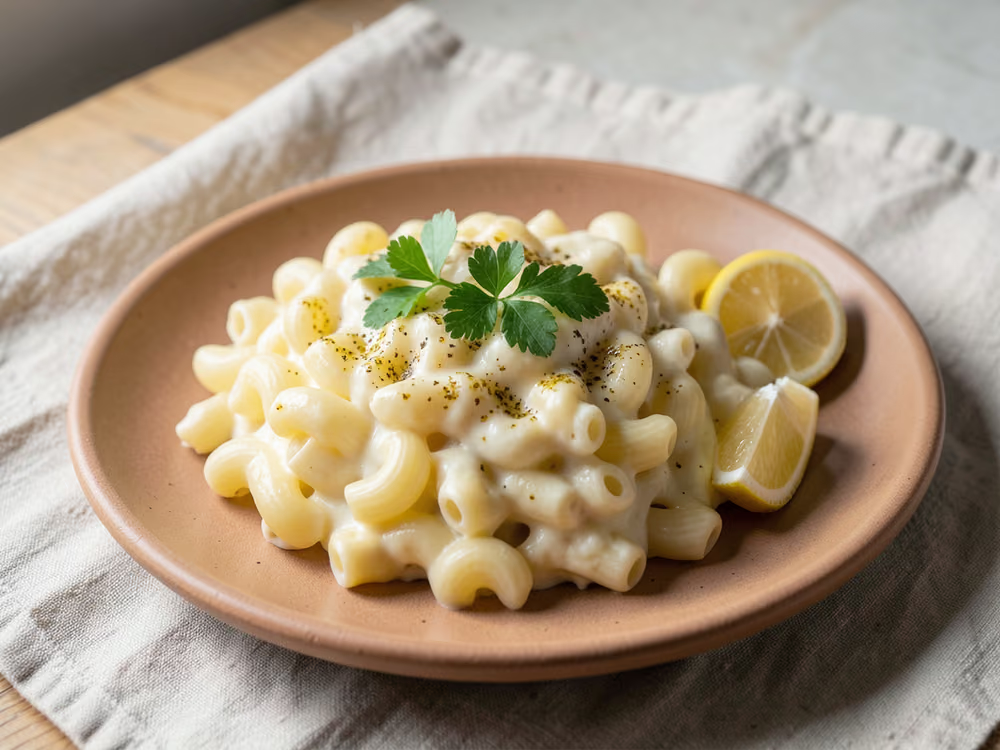
Pour in the 1 l milk in a thin, steady stream, whisking the whole time, and keep whisking over medium heat until the sauce thickens and comes to a gentle simmer, 5 to 7 minutes. Keep it at a lazy bubble: a hard boil can scorch the milk against the base of the pan and gives the finished sauce a faintly cooked flavour.
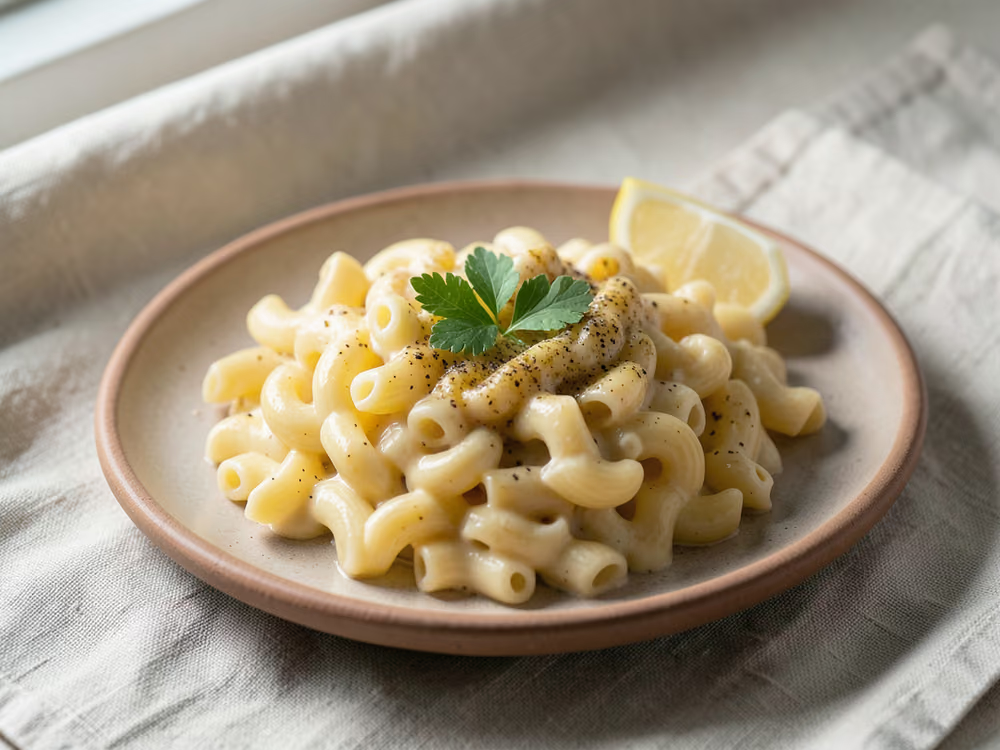
Reduce the heat to low and wait until the sauce has stopped bubbling. Add the 400 g grated cheddar a handful at a time with the 1 tsp Dijon mustard, 1 tsp salt, 0.5 tsp black pepper and 0.25 tsp ground nutmeg, stirring until smooth and glossy. Sharp cheddar breaks if it melts in a bubbling sauce; at low heat its proteins relax gradually and the fat stays emulsified.
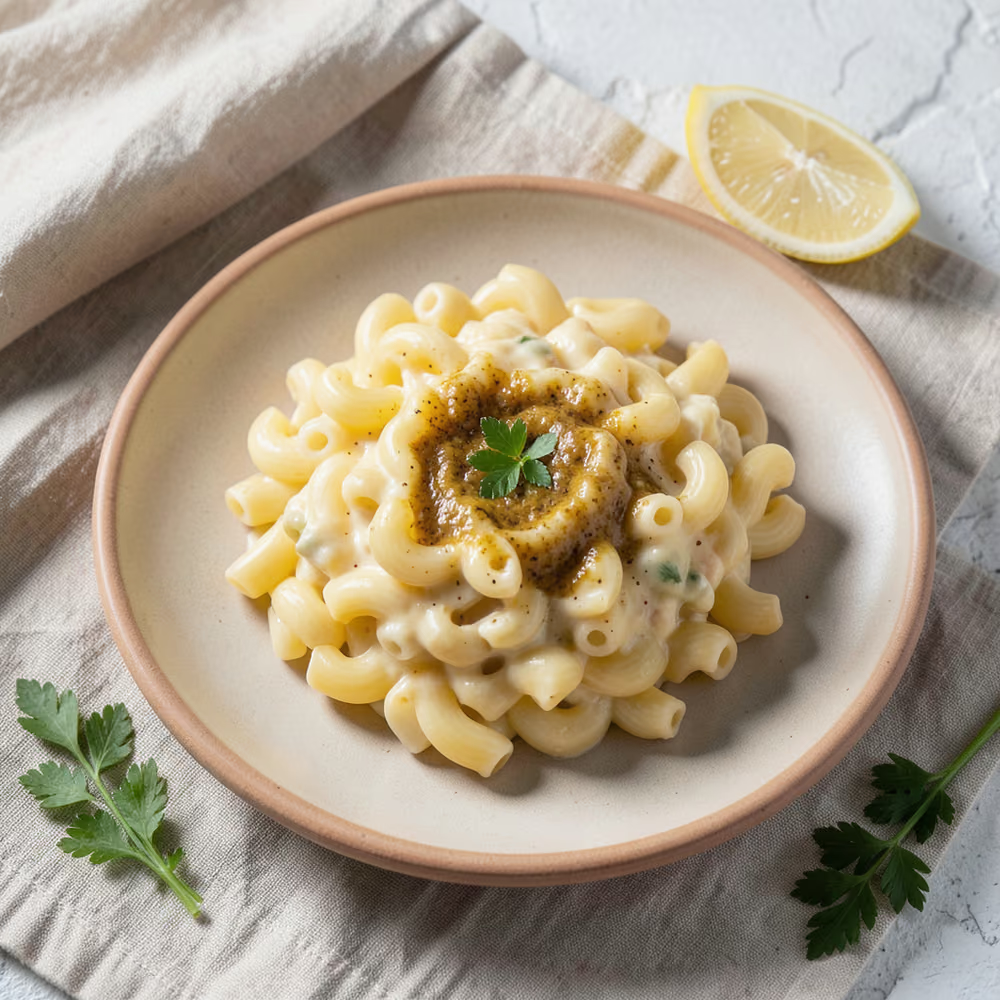
Fold the drained macaroni into the sauce with a wooden spoon until every piece is coated and the sauce mounds slightly on the spoon. Work gently and stop as soon as it is combined: the pasta keeps absorbing sauce the longer it stands, and overworking turns the pot stodgy.
Taste and adjust: a pinch more salt if the cheddar tastes flat, a turn of black pepper, or a splash of milk if the sauce feels heavy. Serve immediately in warmed bowls, because this mac and cheese is silkiest straight from the pot and tightens noticeably as it cools.
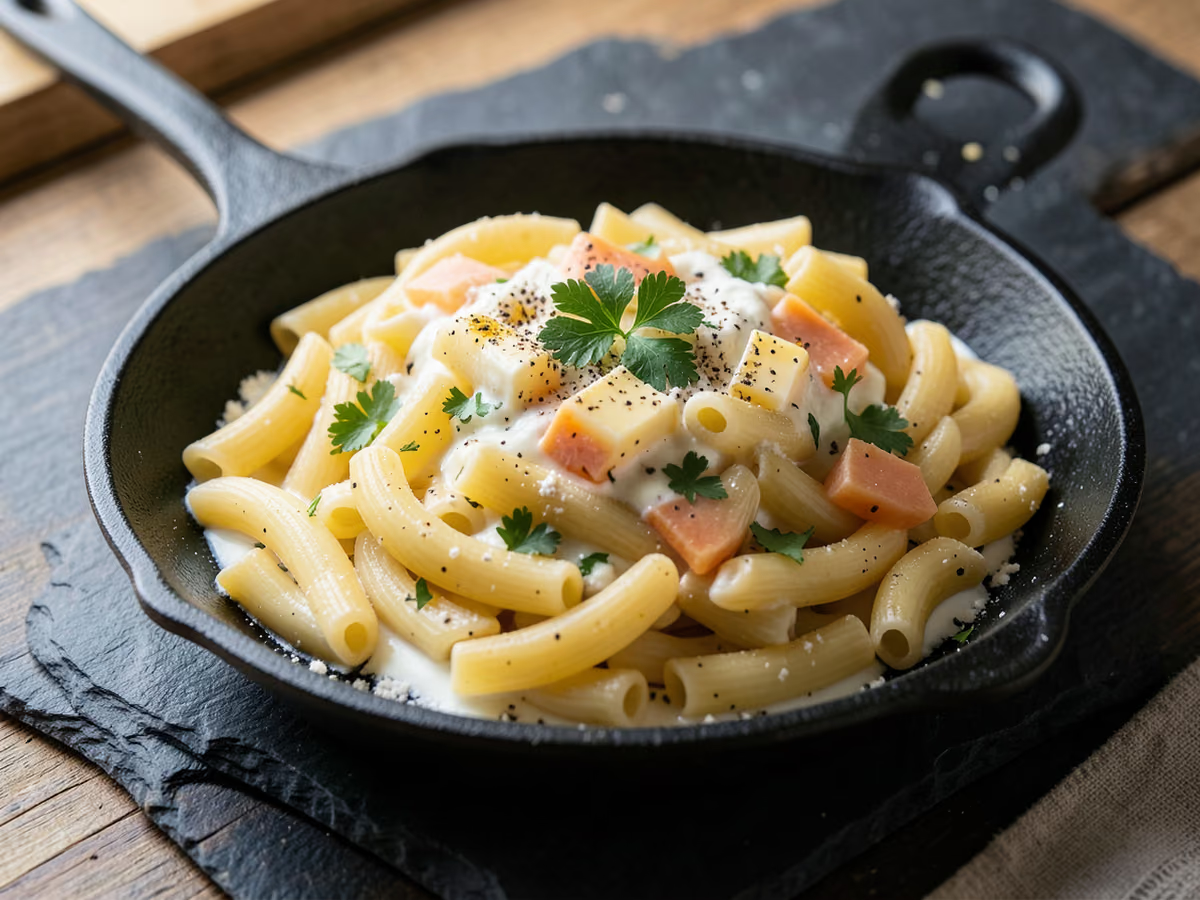
Why this recipe works
The sauce holds because flour starch and milk proteins work as a team. Whisking the 50 g of flour into the 60 g of butter and cooking it for a full 1 to 2 minutes lets the starch granules hydrate before the milk arrives, so they can later suspend the fat the cheese releases. Sharp cheddar is aged and low in moisture: heat makes its proteins contract and squeeze out fat, so it goes in only once the pan is no longer bubbling, at low heat and in stages. Melt it into a boiling sauce and the emulsion breaks into grease and rubbery grains.
Equipment
- Large pot for the pasta, about 4 litres
- Heavy-bottomed saucepan for the sauce, about 2 litres
- Balloon whisk
- Box grater
- Colander
- Wooden spoon or silicone spatula
- Measuring cups and spoons
- Instant-read thermometer for checking reheated portions
Kitchen notes
Kitchen notes
- Grate the cheddar before the butter goes in. The roux waits for no one once it starts to colour, and 400 g of cheese takes several minutes longer to grate than the sauce takes to come together.
- Stop at the recipe's 400 g of cheese. Sharp cheddar has no stabiliser of its own, and pushing past this ratio is what tips a sauce from creamy to greasy; if you want extra goo, a slice or two of processed cheese adds the same emulsifying salts that make boxed mac smooth.
- If the sauce tightens before the pasta is drained, loosen it with a splash of warm milk rather than water: milk keeps the fat-to-protein balance the emulsion depends on.
- Taste the sauce for salt before the macaroni goes in. Once 500 g of pasta is folded through, it is much harder to judge seasoning accurately, and the pasta keeps absorbing salt as it sits.
- Use a wide, heavy saucepan if you have one: the broader surface helps the milk reduce evenly, and the thick base keeps the sauce away from the scorching heat that turns it grainy.
Common mistakes
- Grainy or oily sauce: the cheddar went into a sauce that was still bubbling, so its proteins tightened and pushed out fat. Take the pan off the boil first, wait for the bubbles to stop, and stir the cheese in over low heat, a handful at a time.
- A pasty, floury taste: the roux was pulled off the heat too soon and the flour never cooked. Whisk the butter and flour for the full 1 to 2 minutes, until the smell turns toasty rather than raw, before any milk goes in.
- Lumpy sauce: the milk went in all at once. Pour it in a slow stream with constant whisking, and if lumps form anyway, whisk harder or push the sauce through a sieve before the cheese goes in.
- Thick, clumpy mac by the time it reaches the table: the sauce stayed on the heat after the cheese melted, or the pasta sat in it. Kill the heat as soon as the sauce is smooth and fold the macaroni through just before serving.
- Dry, stiff leftovers: the pasta keeps absorbing sauce in the fridge. Reheat gently with about 2 tbsp of milk per cup, stirring, and never boil it back to life.
- Dull, flat flavour: not enough salt, or a mild cheese. Salt the pasta water properly, taste the finished sauce before the pasta goes in, and use a sharp cheddar, because the flour and milk mute the cheese.
Serving suggestions
- Serve straight from the pot in warmed bowls. This makes 6 generous portions, and it is at its silkiest in the first few minutes.
- A crisp green salad, steamed broccoli with lemon or a sharp pickle cuts through the richness; garlic bread or a crusty baguette for mopping.
- Top with extra black pepper, a spoon of chilli oil, toasted breadcrumbs or chopped chives, and set hot sauce on the table for anyone who wants heat.
- Keep the drinks simple and cold: sparkling water, iced tea or sparkling apple soda alongside keeps the palate clean between bites.
Variations
- Baked, a different texture: spread the finished macaroni in a buttered dish, top with buttered breadcrumbs and bake until the top is crisp and the edges bubble. The pasta below softens, so this is a casserole rather than the stovetop original.
- Spiced: a pinch of cayenne or smoked paprika stirred in with the cheese adds warmth without touching the texture, and a few dashes of hot sauce sharpen the cheddar.
- Add-ins: fold steamed broccoli florets or drained peas through at the end for colour and a vegetable; drain them well, because any water that comes along thins the sauce.
Refrigerator
- RefrigeratorCool it within 2 hours of cooking, spread in a shallow container to speed that up, then refrigerate airtight for up to 3 days. USDA FSIS guidance for leftovers allows 3 to 4 days; the pasta keeps softening either way.
- ReheatingOver low heat with about 2 tbsp of milk per cup, stirring constantly, or in the microwave in 30-second bursts, stirring between, until it reaches 74°C, the USDA FSIS reheat temperature for leftovers. Never boil it: high heat is what breaks the sauce.
- FreezingUp to 2 months. Cool completely, portion with a little headspace, and thaw overnight in the fridge; the sauce loosens as it reheats and the pasta comes back softer. USDA FSIS allows 3 to 4 months for frozen leftovers, but texture is what sets the shorter window here.
- Make aheadThe cheese sauce alone can be made up to 2 days ahead and refrigerated; reheat it gently, whisk in a splash of milk, and fold in freshly cooked pasta. Assembling the whole dish ahead dries it out, and reheated leftovers always want extra milk.
Updated:
How this recipe was developed
- USDA FSIS leftovers and food safety guidance (refrigerate within 2 hours; 3 to 4 days in the fridge; reheat leftovers to 74°C)
- Serious Eats on why cheese sauces turn grainy (fat separates and proteins tighten under heat; aged cheddar is more prone to breaking; control the heat and keep fat, water and protein in balance)
- Serious Eats, The Food Lab, on stovetop mac and cheese (starch and concentrated milk proteins stabilise the emulsion; flour-thickened sauces are heavier and mute cheese flavour)
- Barilla elbow macaroni product guidance (standard elbows cook to al dente in 7 to 8 minutes)
Editorial references are kept internally for verification. This page makes no claim of external certification or professional testing.
Gallery
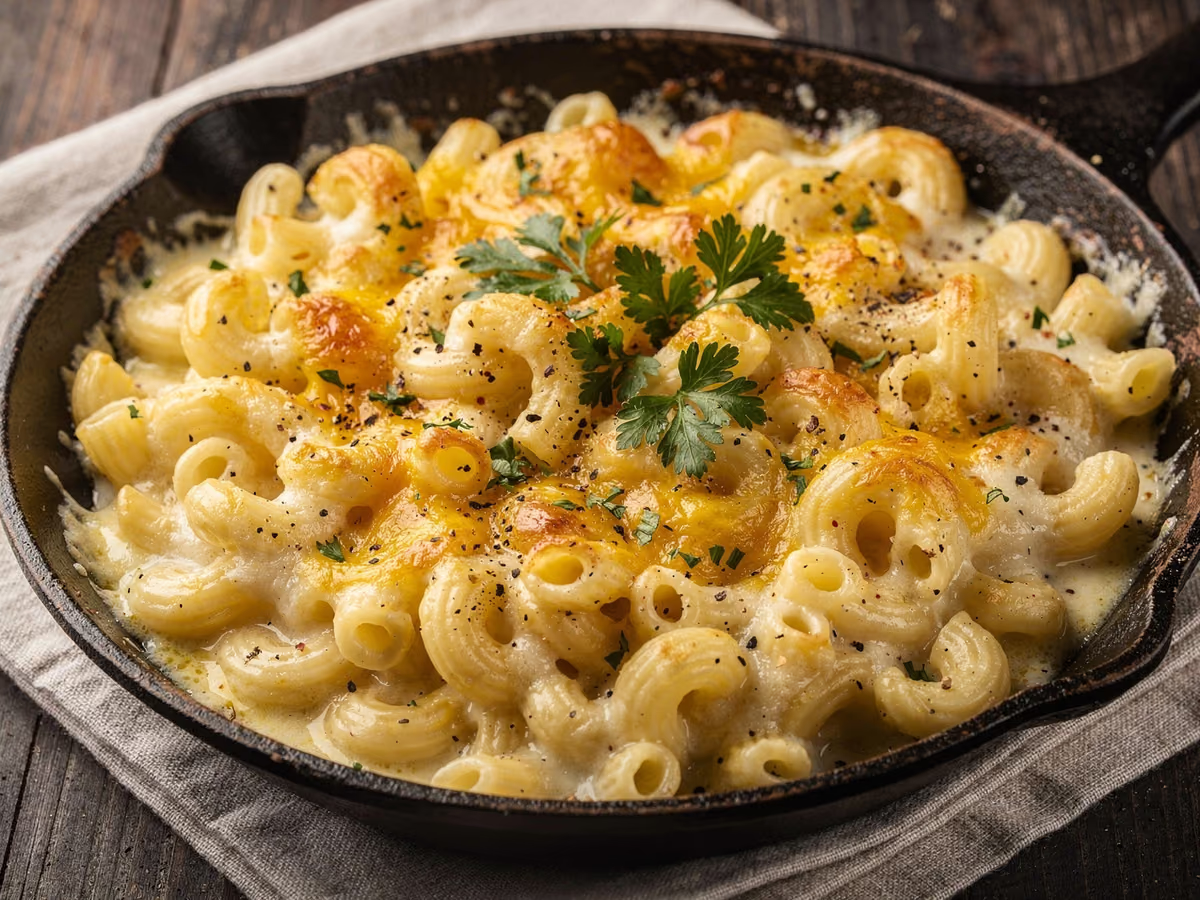
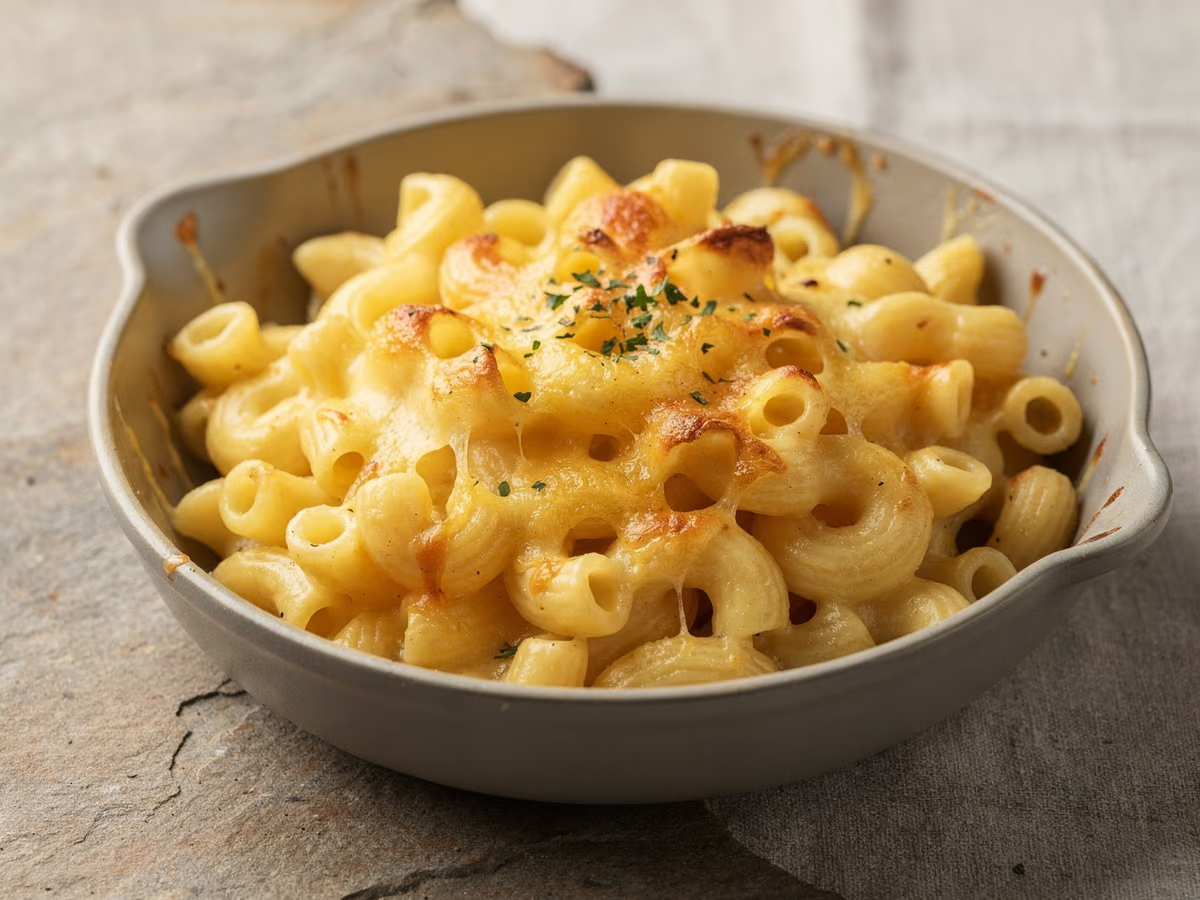
FAQ
The questions we get asked most
Why is my mac and cheese grainy or oily?
Almost always the heat. Cheddar added to a bubbling sauce has its proteins tighten and push the fat out, and the older and sharper the cheddar, the more likely it is. Take the pan off the boil, let the bubbles stop, and stir the cheese in over low heat, a handful at a time.
What should the sauce look like when it is ready?
It should coat the back of a spoon smoothly, and a line drawn through it with a finger should hold for a second or two. If it is too thick, whisk in milk a tablespoon at a time; if too thin, simmer it a minute longer before the cheese goes in.
Can I make this mac and cheese ahead of time?
Yes, the sauce can be made up to 2 days ahead and refrigerated. Reheat it gently, loosening with a splash of milk, and fold fresh pasta through at the last minute; assembling the whole dish in advance and reheating it tends to dry it out.
Can I use pre-shredded cheese?
It works but it is never as smooth: the shreds are coated with potato starch or cellulose to stop them clumping, and that coating cooks into a slightly gritty sauce. Grate a block of cheddar yourself for the creamiest result, and if you must use pre-shredded, add it off the heat and stir gently.
Why is it dry after reheating?
The pasta keeps absorbing sauce in the fridge, so leftovers always need liquid. Reheat over low heat with about 2 tbsp of milk per cup, stirring until creamy; a splash of water works in an emergency, but milk keeps the sauce richer.
Can I freeze mac and cheese?
Yes, for up to 2 months. Cool it completely, portion with a little headspace, and thaw overnight in the fridge rather than on the counter. Expect a slightly softer pasta and a sauce that needs loosening, not the exact fresh texture.
Does the nutmeg make it taste sweet?
Only if you overdo it. At 0.25 tsp it sits under the cheese as a warm background note and makes the dairy taste fuller; doubled, it starts pushing the dish towards dessert. Grate it fresh if you can, and measure rather than shake.
Ask KitchenMind about this recipe
Tell it what’s different tonight — it works within the actual recipe.