- Prep
- 40 min
- Cook
- 30 min
- Total
- 70 min
- Serves
- 8
Ingredients
What you’ll need — tap to tick off as you go
- 250 g
- 60 ml
- 100 ml
- 400 g
- 100 g
- 15 g
- 2 cloves
- 1 tsp
- 1 tsp
- 1 tsp
- ½ tsp
- ½ tsp
- 1 tsp
- 15 g
- 1 tbsp
Process
Timers built in · swap anything · ask as you cook
Make the dough: mix 250 g plain flour and 0.5 tsp salt in a bowl. Add 60 ml vegetable oil and rub it into the flour with your fingertips until it looks like fine breadcrumbs. Add the cold water a little at a time and knead for 5 minutes to a stiff, smooth dough. Cover with a damp cloth and rest for 30 minutes.
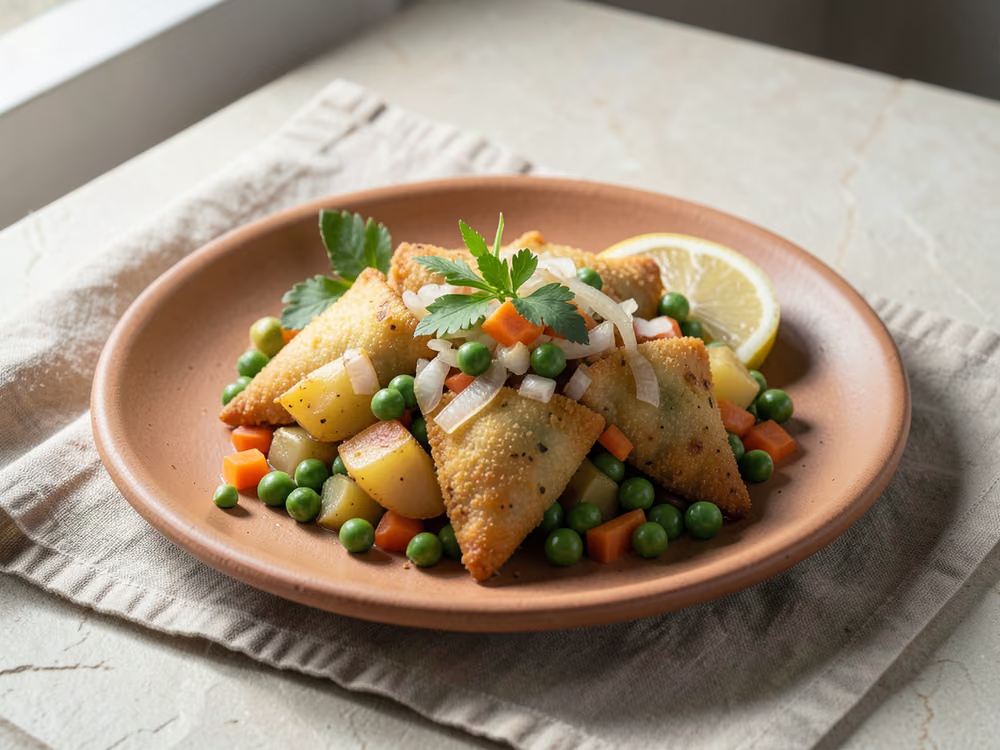
Boil the 400 g cubed potatoes in salted water for 8–10 minutes until just tender but not falling apart. Drain well and set aside.
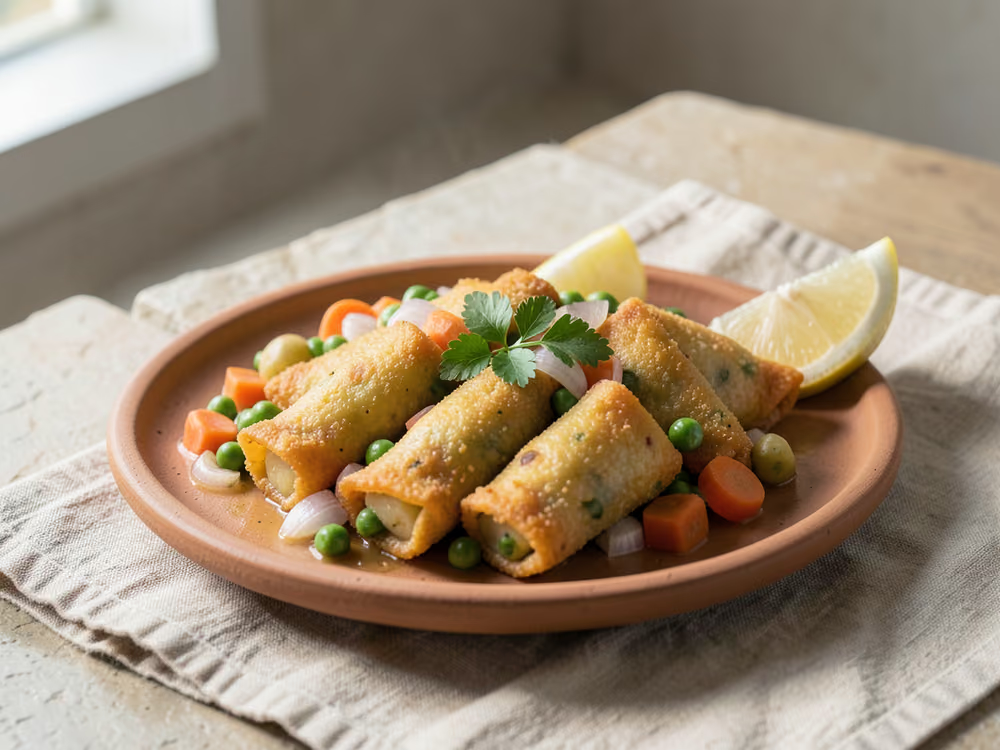
Heat 1 tbsp vegetable oil in a wide pan over medium heat. Add the chopped onion and cook for 5 minutes until soft and lightly golden. Add the grated ginger and crushed garlic and cook for 1 minute until fragrant.
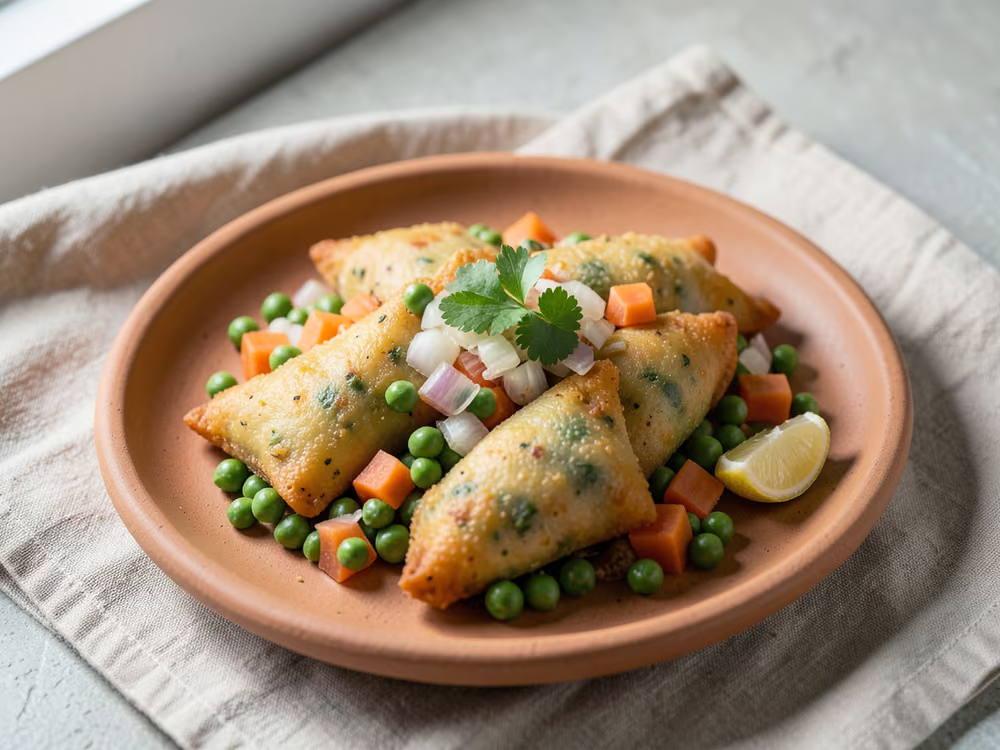
Stir in the ground cumin, ground coriander, garam masala, ground turmeric and chilli powder (if using). Cook for 30 seconds, then add the diced carrot and 2 tbsp water. Cover and cook for 5 minutes until the carrot is tender.
Add the drained potatoes and frozen peas. Stir gently to coat in the spices, then cook uncovered for 3 minutes, lightly crushing some potato with the back of a spoon to bind the filling. Stir in the chopped coriander leaves, lemon juice and remaining salt. Taste and adjust. Spread the filling on a plate to cool completely.
Divide the rested dough into 8 equal balls. Roll each ball into a thin oval about 2 mm thick, then cut each oval in half to give 16 semicircles.
Shape each semicircle into a cone: brush the straight edge with a little water, bring the two corners together to overlap by 1 cm, and press to seal. Hold the cone upright and fill with about 1 tbsp of the cooled potato mixture, leaving a 1 cm border. Brush the top edge with water, fold over and press firmly to seal. Crimp with a fork. Repeat with the remaining dough and filling.
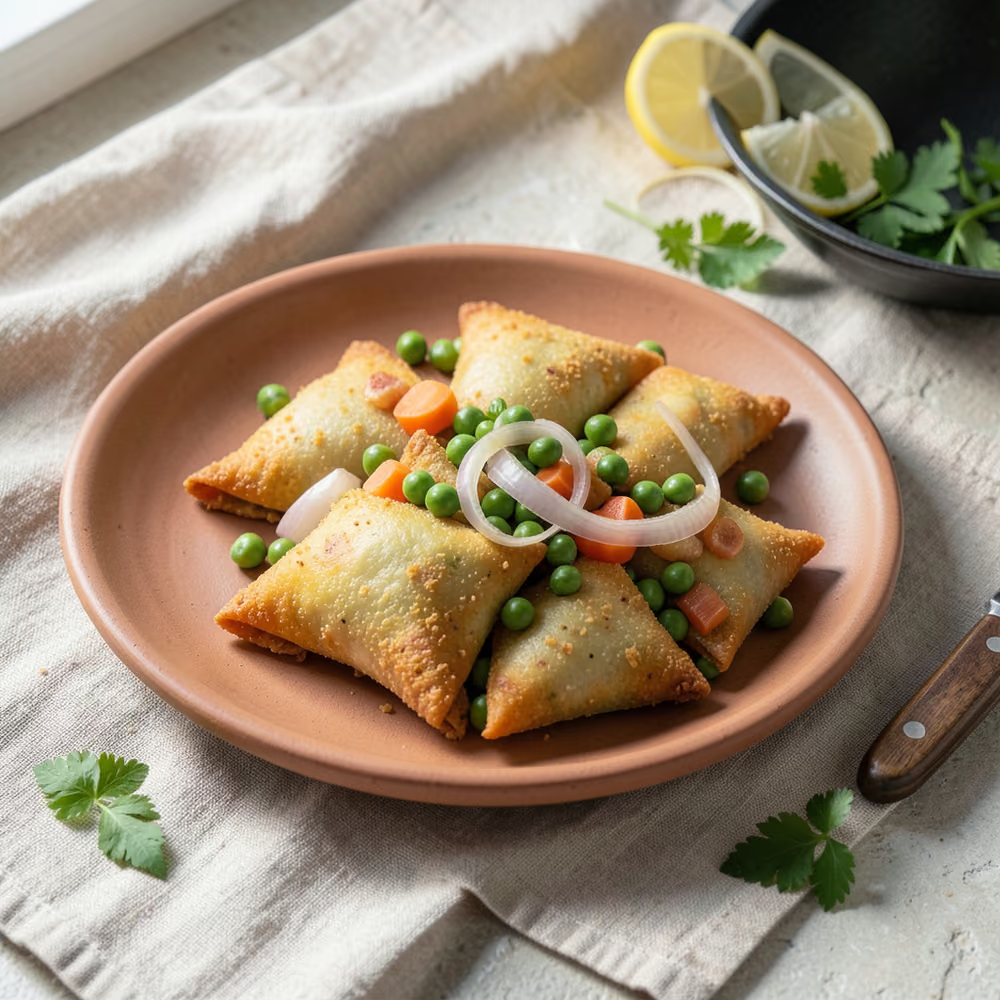
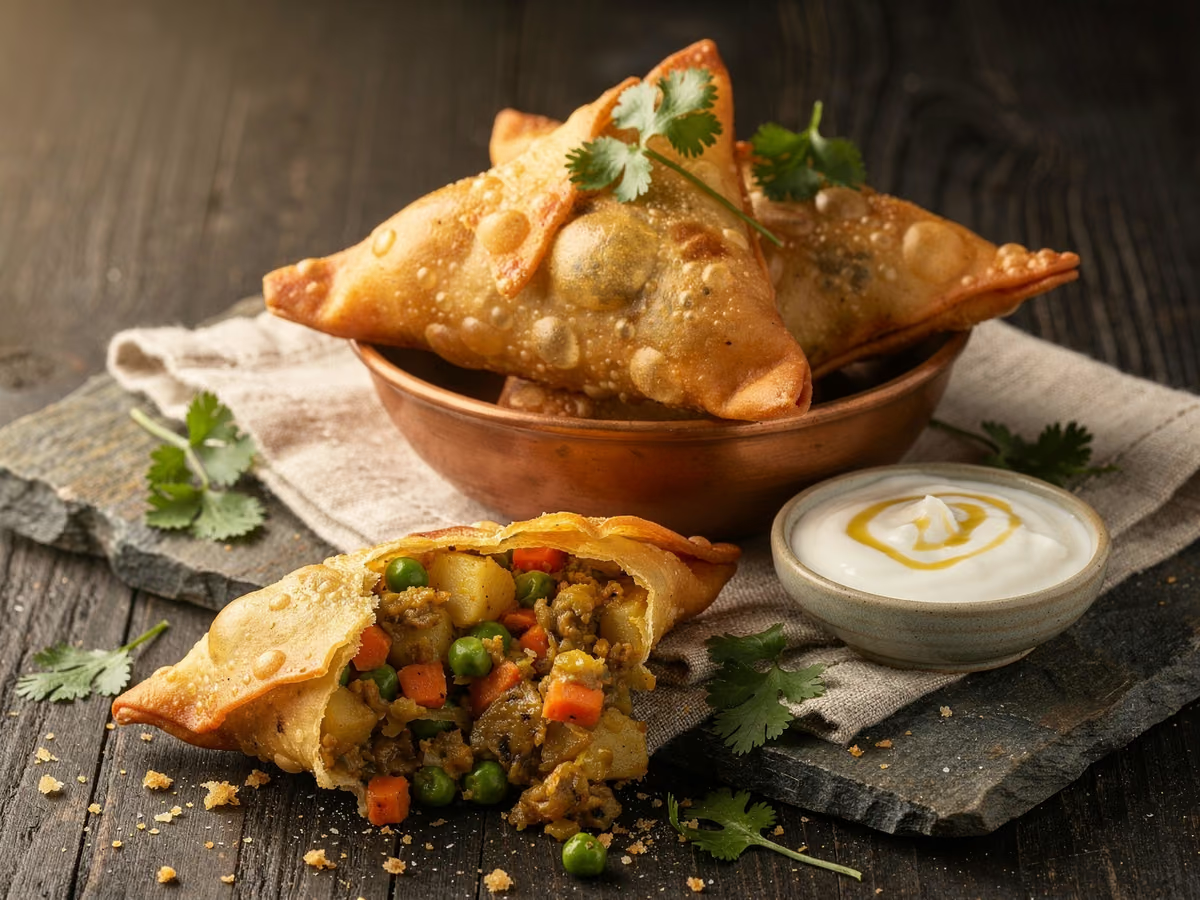
Heat 1 litre vegetable oil in a deep pan to 170°C. Fry the samosas in batches of 4 for 4–5 minutes, turning occasionally, until deep golden and crisp. Do not overcrowd the pan or the temperature will drop.
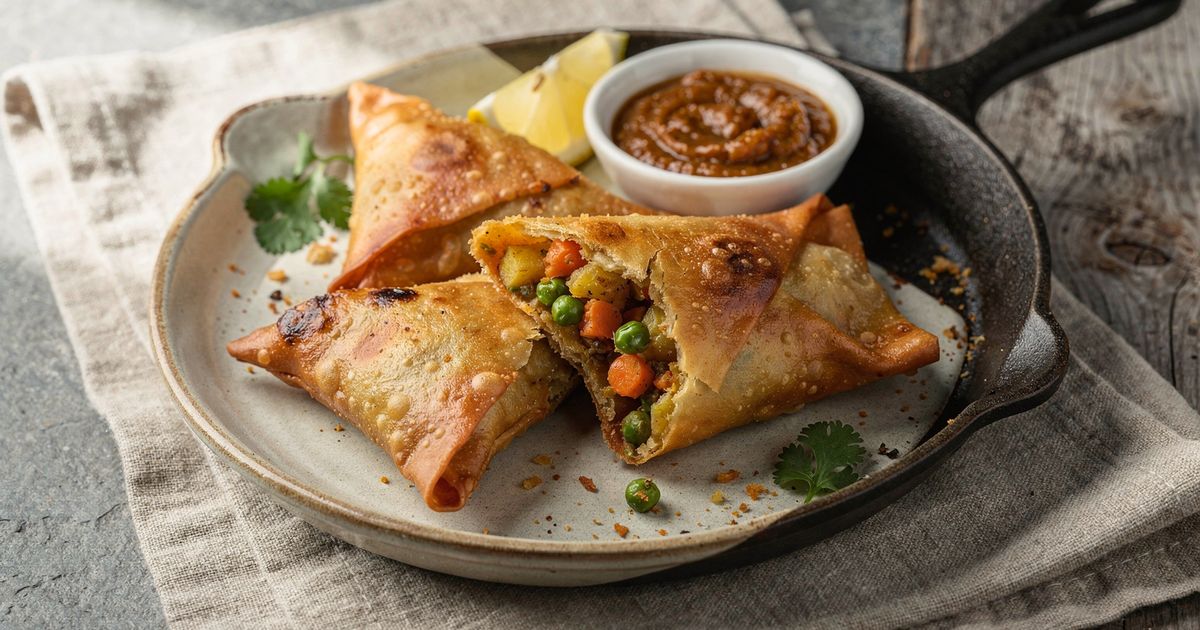
Drain on a wire rack or kitchen paper. Serve hot with tamarind chutney or plain yogurt.
Kitchen notes
Kitchen notes
- The most common mistake is a soft, oily shell: keep the oil at 170°C and fry in small batches. If the oil is too hot the pastry blisters and stays raw inside; too cool and the samosas drink oil.
- Resting the dough for 30 minutes is not optional. It relaxes the gluten so the pastry rolls thin without shrinking and seals properly.
- The filling must be completely cold before wrapping. Warm filling steams the pastry from the inside and makes the samosas soggy and prone to bursting.
- Seal every edge with water and a firm press, then crimp with a fork. Any gap will let oil in and the samosa will split in the pan.
Substitutions
- plain flour→wholewheat flour for a nuttier, denser pastry (use 50/50 with plain flour for best results)
- frozen peas→canned peas, drained and added in the last minute of cooking
- potatoes→sweet potato, boiled 2 minutes less to avoid a wet filling
- lemon juice→1 tsp white vinegar or 1 tbsp tamarind paste
Storage & reheating
Cool leftover samosas completely, then store in an airtight container in the fridge for up to 3 days. To reheat, place on a baking tray in a 180°C oven for 8-10 minutes until hot and crisp again; avoid the microwave, which makes the pastry rubbery. To freeze, arrange raw or cooked samosas in a single layer on a tray, freeze until solid, then transfer to a freezer bag for up to 2 months. Fry raw frozen samosas from frozen at 170°C for 6-7 minutes; reheat cooked frozen ones at 200°C for 12-15 minutes.
FAQ
The questions we get asked most
Why did my samosas burst open in the oil?
Bursting happens when the filling is warm or wet, or when the seals are not tight. Cool the potato mixture completely and drain the potatoes well before mashing. Brush every edge with water and press firmly, then crimp with a fork so no steam can escape.
Why are my samosas soft and oily instead of crispy?
The oil temperature is the cause. If it drops below 160°C the pastry absorbs oil instead of sealing. Use a thermometer and keep the oil at 170°C, and fry only 4 samosas at a time so the temperature recovers between batches.
Can I make samosas ahead of time?
Yes. The filling can be made up to 2 days ahead and kept covered in the fridge. Shaped raw samosas can be covered and refrigerated for up to 24 hours, or frozen for up to 2 months, then fried straight from frozen.
Can I bake or air-fry samosas instead of deep-frying?
Yes, though the texture is drier. Brush shaped samosas with oil and bake at 200°C for 25-30 minutes, turning once, or air-fry at 190°C for 15-18 minutes. They will be crisp but less flaky than fried.
How do I stop the filling from being dry or bland?
Crush some of the boiled potato into the spiced onion mixture so it binds, and taste the filling before wrapping. Add the lemon juice at the end for brightness and adjust salt while the filling is still warm, as cold filling tastes less seasoned.
Can I use puff pastry or spring roll wrappers instead of making dough?
Yes. Spring roll wrappers give a thinner, crisper shell and puff pastry gives a flaky one. If using puff pastry, cut 10 cm squares, fill, fold into triangles and bake at 200°C for 20 minutes rather than deep-frying.
Why is my dough tough and hard to roll?
The dough needs more resting and less water. Knead only until smooth, then cover and rest for 30 minutes so the gluten relaxes. If it still springs back, rest another 10 minutes before rolling.
Ask KitchenMind about this recipe
Tell it what’s different tonight — it works within the actual recipe.