- Prep
- 20 min
- Cook
- 210 min
- Total
- 230 min
- Serves
- 4
Ingredients
What you’ll need — tap to tick off as you go
- 40 g
- 1 tsp
- 6 cloves
- 900 g
- 1 tsp
Process
Timers built in · swap anything · ask as you cook
Pat the 4 duck legs dry with paper towels. In a small bowl, mix 40 g coarse sea salt, 1 tsp cracked black pepper, the leaves from 4 thyme sprigs, and 4 smashed garlic cloves.
Rub the salt mixture all over the duck legs, working it into the skin and around the bone. Place the legs in a single layer in a glass or ceramic dish, cover, and refrigerate for 12 to 24 hours.
Remove the legs from the fridge and rinse off the salt cure under cold running water. Pat them completely dry with paper towels. Discard the used cure.
Heat the oven to 150°C. Melt 900 g duck fat in a heavy ovenproof pot or Dutch oven over low heat until liquid but not smoking.
Add the duck legs to the fat, skin-side up. They must be fully submerged; add the 2 torn bay leaves, 1 tsp black peppercorns, 2 sliced garlic cloves, and the remaining 4 thyme sprigs.
Cover the pot and transfer to the oven. Cook for 3 to 3.5 hours, until the meat is completely tender and a skewer slides into the thickest part of the thigh with no resistance.
Carefully lift the legs out of the fat with tongs or a slotted spoon and drain on a rack. The duck is now confit and can be served immediately or stored.
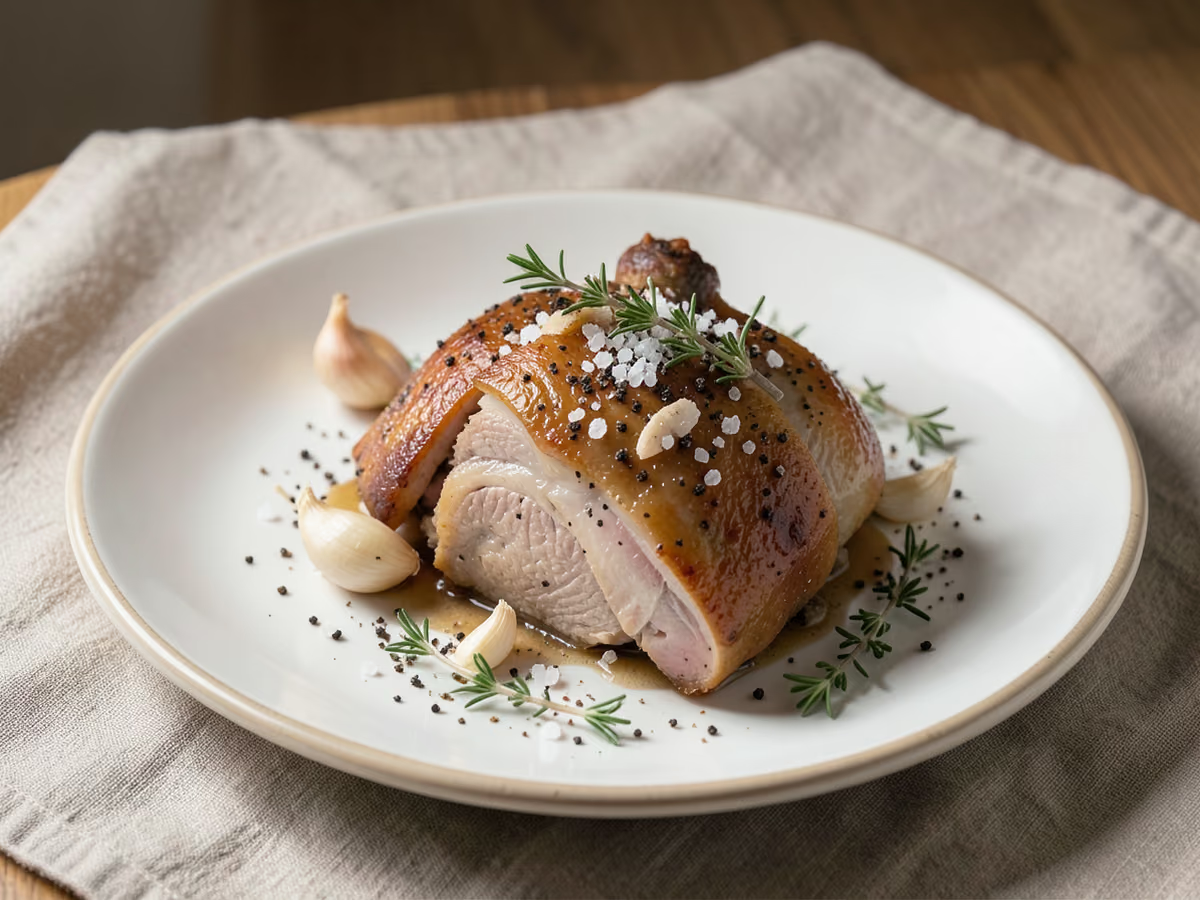
To crisp the skin, place a non-stick pan over medium heat. Add the duck legs skin-side down and cook for 6 to 8 minutes without moving them, until the skin is deep golden and crisp. Turn and warm the flesh side for 1 minute, then serve.
Kitchen notes
Kitchen notes
- The most common mistake is under-curing: 12 hours is the minimum for proper seasoning and texture. If your legs are very thick, go closer to 24 hours, but never exceed 36 hours or the meat becomes too salty.
- Do not let the fat boil during cooking. If you see vigorous bubbles, lower the oven to 140°C. A gentle tremble is correct; a rolling boil will toughen the meat.
- The duck is done when the meat shrinks slightly from the bone and a skewer twists easily in the joint. If it resists, return it to the oven for another 20 minutes and check again.
- After cooking, the duck fat can be strained and refrigerated for up to 3 months. Reuse it for the next batch; it becomes more flavorful each time.
Substitutions
- duck fat→a 50/50 mix of rendered chicken fat and neutral oil, though the flavor will be less rich
- fresh thyme→1 tsp dried thyme
- coarse sea salt→kosher salt, using the same weight
Storage & reheating
Store the cooled confit legs fully submerged in their own fat in a clean container, covered, in the fridge for up to 1 month. To serve, scrape off the fat and reheat in a 180°C oven for 10 to 12 minutes, or crisp skin-side down in a pan over medium heat for 6 to 8 minutes. The legs can also be frozen in the fat for up to 3 months; thaw overnight in the fridge before reheating.
FAQ
The questions we get asked most
Can I make duck confit without a huge amount of duck fat?
Yes, you can use a smaller amount of fat if you cook the legs in a tight-fitting pot and turn them once halfway through, but they will not be fully submerged. For best results, use enough fat to cover the legs by at least 1 cm. A 50/50 blend of duck fat and neutral oil also works.
Why did my duck confit turn out dry and stringy?
Dry confit usually means the oven was too hot or the cooking time was too short. The fat should never simmer vigorously; keep the oven at 150°C and cook until a skewer slides in with no resistance, typically 3 to 3.5 hours. Also, do not skip the resting time after curing, as it helps the meat retain moisture.
How do I know when the duck confit is fully cooked?
The meat should be very tender and almost falling off the bone. Insert a thin skewer into the thickest part of the thigh; it should slide in with no resistance. The skin will also look slightly shrunk and the meat will have pulled away from the bone end.
Can I prepare duck confit ahead of time?
Yes, confit is ideal for making ahead. After the slow cook, cool the legs completely in the fat, then refrigerate submerged in the fat for up to 1 month. The flavor improves after a few days. Crisp the skin just before serving.
What can I do with the leftover duck fat?
Strain the cooled fat through a fine-mesh sieve and refrigerate it in a jar for up to 3 months. Use it to roast potatoes, sauté vegetables, or make future batches of confit. It adds a rich, savory flavor to any dish.
Is duck confit supposed to be salty?
It should be well-seasoned but not overly salty. If your confit tastes too salty, you likely cured it too long or did not rinse off the salt mixture thoroughly. Next time, stick to 12 to 24 hours and rinse the legs well under cold water before cooking.
Ask KitchenMind about this recipe
Tell it what’s different tonight — it works within the actual recipe.