Etli Kuru Fasulye
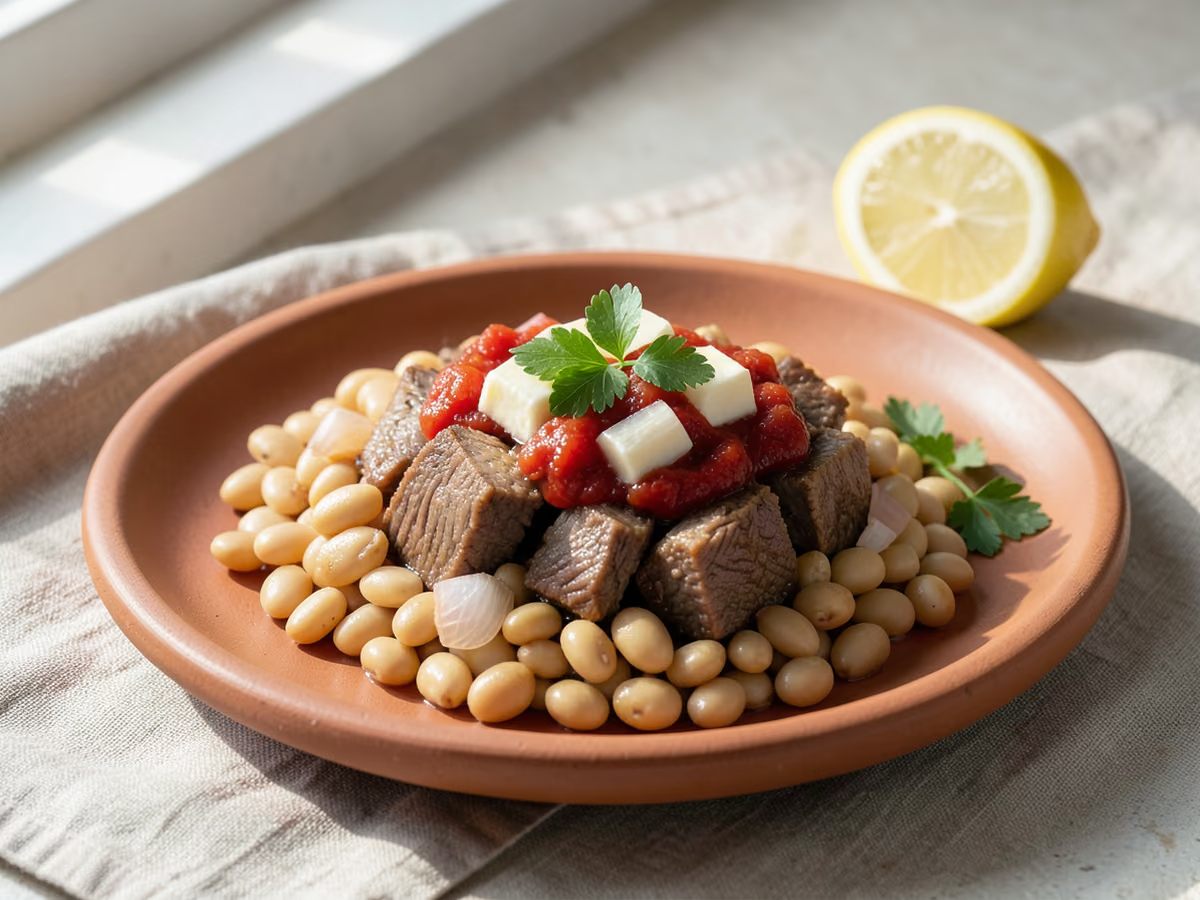
Etli Kuru Fasulye is Turkey's everyday white-bean stew in its with-meat form: 400 g of dried white beans soaked overnight, then simmered with 500 g of beef chuck, onion, tomato paste and Turkish red pepper paste until the beans turn creamy and the broth thickens around them. It is the dish Turks call their national favorite, served pilav üstü — spooned over rice pilaf with turşu pickles. Hands-on work is about 20 minutes; the pot then needs a mostly unattended 60 to 75 minutes. Gluten-free as written.
- Prep
- 20 min
- Cook
- 90 min
- Total
- 590 min
- Additional time
- 480 min
- Serves
- 6
Ingredients
What you’ll need — tap to tick off as you go
- 400 g
- 500 g
- 2 tbsp
- 1 tbsp
- 30 g
- 2 tbsp
- 1 ½ l
- 1 ½ tsp
- ½ tsp
- 1 tsp
- 300 g
Process
Timers built in · swap anything · ask as you cook
Soak the 400 g dried white beans overnight in plenty of cold water — at least 8 hours. Drain them, rinse, and pour the soaking water away. The beans should look plump and their skins smooth; discard any that stay shriveled or cracked. A full soak lets them cook evenly and finish creamy rather than chalky at the center.
Heat the 2 tbsp olive oil in a large heavy pot over medium heat. Pat the 500 g beef chuck cubes dry, add them in one layer, and brown on all sides, 6 to 8 minutes, until every face has a deep brown crust. Lift the beef out and set it aside; leave the fat and browned bits in the pot. Crowding steams the meat, so work in batches if needed.
Add the 30 g butter to the same pot and let it melt, then tip in the finely chopped onion. Cook over medium heat for about 5 minutes, stirring and scraping up the browned bits, until the onion is soft, translucent and glossy rather than browned. Those stuck-on bits are concentrated flavor, and the onion's moisture lifts them back into the sauce.
Stir in the 2 tbsp tomato paste and the 1 tbsp red pepper paste. Fry for 1 to 2 minutes, stirring constantly, until the pastes darken to brick red, smell sweet rather than sharp, and begin to pull away from the pot. This fry is the backbone of the stew; skipped or rushed, the finished pot tastes raw and flat.
Return the beef to the pot, add the drained beans, then pour in the 1.5 l hot beef broth and season with the 1.5 tsp salt, 0.5 tsp black pepper and 1 tsp red pepper flakes, if using. Bring to a boil over medium-high heat, then lower the heat until the surface barely trembles. Everything should stay submerged; top up with hot broth if it does not.
Cover and simmer gently on low for 60 to 75 minutes, stirring from the bottom occasionally so nothing catches, until the beans mash easily against the pot wall and the beef pulls apart with a fork. If the stew tightens or looks dry, add hot broth — never cold — a ladle at a time. This is the pot's long, hands-off stretch.
While the stew simmers, prepare the rice. Rinse the 300 g long grain rice under cold water until the water runs clear, then cook it according to the package instructions in a small covered saucepan. The rinse washes off surface starch so the grains stay separate under the stew. Keep the rice covered and warm until you serve.
Taste the stew and adjust the salt: rice and beans both mute seasoning, so it usually wants a little more than you expect. If you would like a thicker, lokanta-style body, mash a ladleful of beans against the side of the pot and stir them back in, then simmer uncovered for a few minutes until the broth coats the back of a spoon.
Serve hot, spooned over the rice so the broth runs down into the grains — this is the pilav üstü kuru plate, ordered by name in Turkish lokantas. Set the pickled cucumbers on the side and take the pot to the table; the stew thickens as it stands, so keep extra hot broth nearby if it will wait.
Why this recipe works
Three things happen in the pot. Searing the chuck first builds a dark, roasted base, and the long simmer then melts its collagen into gelatin, which is what gives the finished broth body instead of wateriness. Frying the tomato and pepper pastes in the fat drives off their raw edge and lets fat-soluble flavors carry through the stew. Meanwhile the soaked beans cook through: their starch granules swell and gelatinize, releasing enough starch to thicken the liquid, and mashing a few against the pot wall finishes the job. A gentle simmer, never a hard boil, keeps the skins intact so the beans stay whole and creamy.
Equipment
- Heavy-bottomed pot, 5 to 6 liters, with a tight-fitting lid
- Large bowl, for soaking the beans overnight
- Fine-mesh sieve or colander, for draining the beans and rinsing the rice
- Wooden spoon, for stirring the stew and mashing beans against the pot wall
- Chef's knife and cutting board, for cubing the beef and chopping the onion
- Small saucepan with a lid, for cooking the rice
- Measuring cups and spoons
Kitchen notes
Kitchen notes
- Buy beans by turnover, not by price: dried beans gradually lose the ability to soften, so scoop from a shop that sells a lot of them — a bag that has waited two years will stay firm no matter what the pot does.
- Dry the beef cubes on paper towel before they meet the oil. Surface moisture is the entire difference between a pot that sears and one that steams.
- Keep a kettle of hot broth at the back of the stove. Topping up with hot liquid keeps the simmer steady; cold broth drops the temperature and stalls the beans.
- Trust the bean test over the clock. Two pots of the same recipe can finish 20 minutes apart, because bean age and size drive the cooking time far more than anything you do.
- The salt goes in with the broth for a reason: the long simmer is what carries it into the beans and the beef, and it should be adjusted once more at the end; a pot salted only at the table tastes flat at the center.
Common mistakes
- Beans still firm after an hour of simmering — old beans, a soak cut short, or too much acid in the pot keeps the skins tight and the centers chalky. Soak the full 8 hours, and if the beans resist past 75 minutes, stir in about 1/4 tsp of baking soda and keep them going; never stop at the clock, stop when a bean squashes easily between your fingers.
- A watery, thin broth — too much liquid went in, or the beans have not yet released their starch. Mash a ladleful of beans against the pot wall and stir it back through, then simmer uncovered for 10 to 15 minutes; for a homely, velvety body, whisk 1 tbsp of flour into a little water and stir that in (use cornstarch if the pot must stay gluten-free).
- A burnt, bitter note — the pastes scorched on heat that was too high, or they sat unstirred. Fry them at medium heat, stirring for the whole 1 to 2 minutes, and take the pot off the flame the moment they smell acrid; if they do burn, wash the pot and start the base again, because the bitterness spreads through everything that follows.
- Tough, dry beef — the pot boiled hard, the liquid dropped below the meat, or the simmer was cut short. Keep the surface barely trembling, keep everything submerged with hot broth, and give the chuck its full 60 to 75 minutes; chuck is patient meat, but only when the heat stays gentle.
- Beans that burst and turn to mush — a hard boil, or a pot left well past tender. Check from the 60-minute mark, keep the lid on for a low, even simmer, and pull the pot as soon as a bean mashes easily; you can always mash a few for body, but the rest should keep their shape.
- Flat, thin flavor — the salt was measured too lightly, or the onions and pastes were hurried. Taste after the beans are tender and adjust; the pastes need their full fry and the onions their full 5 minutes, and the whole 30 g of butter is there to round the sauce, not to be trimmed.
Serving suggestions
- The classic plate is pilav üstü kuru: a bed of rice pilaf under a generous ladle of the stew, with turşu pickles and a bowl of cacık or a glass of ayran to cool the pepper heat.
- Raw onion slices are the Turkish table's sharp counterweight to the rich broth; in most homes they are set out without being asked for.
- Bulgur pilavı, the lighter alternative to rice pilaf, soaks up the broth just as generously and makes the plate feel a little lighter.
- A çoban salad of chopped tomato, cucumber and onion freshens the table, and bread — gluten-free if your table needs it — is there for the last of the sauce.
- The pot makes 6 generous servings: ladle the stew generously over a modest bed of rice, so the beans carry the plate and the pilaf stays an accompaniment.
Variations
- Lamb version: swap the beef chuck for the same 500 g of cubed lamb shoulder, as the Denizli kitchens do; keep every other quantity and the full simmer, and the pot comes out a little sweeter and more fragrant.
- Meatless kuru fasulye (etsiz): its own Turkish classic, not this dish minus the beef — leave the meat out, cook the beans in vegetable broth, raise the dried beans to 500 g, and add 1 extra tbsp of tomato paste for depth. Fry the pastes exactly the same way.
- Baked finish: some cooks transfer the simmered stew to a casserole, add a splash of hot water, and bake it uncovered at 200°C for 45 minutes to an hour, until the top darkens and concentrates; the beans below stay soft and the sauce thickens further.
Refrigerator
- RefrigeratorCool the stew quickly — divide it into shallow containers rather than leaving the whole pot out — and refrigerate within 2 hours. It keeps up to 4 days, and the flavor deepens as it sits. Cover it well so it does not pick up other fridge smells.
- ReheatingReheat gently on the stovetop over medium-low heat, adding a splash of hot water or broth if the stew has tightened, until piping hot all the way through — 74°C if you check with a thermometer. To use the microwave, cover the bowl, stir halfway, and let it stand a minute before serving.
- FreezingFreeze the stew on its own, not the rice: cool it completely, pack it into freezer-safe containers, and freeze for up to 3 months. Thaw overnight in the refrigerator and reheat gently; the beans soften slightly more with every reheat, so thaw only what you will eat.
- Make aheadMade a day ahead, cooled and gently reheated, this pot tastes rounder — lokantas rest their best pots overnight for exactly this reason. You can also soak the beans and cube the beef the night before, so cooking day starts with everything ready.
Updated:
How this recipe was developed
- tr.wikipedia, Kuru fasulye — dish identity: white beans stewed with olive oil, onion and tomato paste, served over rice pilaf or plain, considered Turkey's national dish; registered regional with-meat versions (Karaman beef, Denizli lamb)
- yemek.com — Döküm Tencerede Etli Kuru Fasulye and Lokanta usulü kuru fasulye püf noktaları (overnight soak; frying the pastes; flour-thickened lokanta body; the 200°C casserole finish)
- Nefis Yemek Tarifleri — Etli Kuru Fasulye and Düdüklüde Kuru Fasulye (soak overnight; pressure-cooker timing 30-40 minutes; flour slurry to thicken; serve with rice pilaf)
- USDA FSIS, Leftovers and Food Safety (refrigerate within 2 hours; keep 3 to 4 days; freeze 3 to 4 months; reheat to 74°C)
Editorial references are kept internally for verification. This page makes no claim of external certification or professional testing.
FAQ
The questions we get asked most
What is etli kuru fasulye made of?
Dried white beans and beef are the heart of it — 400 g of beans and 500 g of beef chuck in this pot — with onion, tomato paste, Turkish red pepper paste (biber salçası), butter, olive oil and beef broth. Kuru fasulye translates as dry beans: the beans are dried, soaked overnight, then simmered until the broth turns creamy. Etli marks the with-meat version, and it is served over rice pilaf with pickles — many Turks call it the national dish.
What does etli mean — is kuru fasulye always made with meat?
Etli means with meat, and it is the version this page cooks; kuru fasulye alone is the family name, and the everyday pot can be meatless — etsiz kuru fasulye is a classic in its own right, usually cooked with olive oil. Both versions share the same white beans, onion and pastes; the etli pot simply gains its depth from beef, or lamb, and a longer, richer simmer.
Should I use beef or lamb for etli kuru fasulye?
Both are traditional. This recipe uses beef chuck because it turns fork-tender and gives the broth a deep, meaty base; lamb shoulder, the choice in several regional versions, swaps in at the same 500 g and makes the pot sweeter and more aromatic. Whichever you use, pick a cut with connective tissue — chuck or shoulder — not a lean grilling cut, which dries out over the long simmer.
What do you serve with etli kuru fasulye?
Rice pilaf first — the dish is plated as pilav üstü kuru, the stew spooned over the rice — with turşu pickles, a bowl of cacık or a glass of ayran, and raw onion slices on the side; bread for the broth is standard. Bulgur pilavı is the lighter swap for rice, and a tomato-cucumber çoban salad rounds out the table.
Why are my beans still hard after simmering for over an hour?
The beans are usually old, undersoaked, or fighting acid in the pot. Soak at least 8 hours and buy from a source with fast turnover, since beans past a year or two barely soften. If a pot is stubborn past 75 minutes, add about 1/4 tsp of baking soda and keep simmering — and judge by feel: the beans are done when one squashes easily between your fingers, not when the timer says so.
Can I use canned white beans instead of dried?
Yes, with two changes: use about 800 g of drained, rinsed canned beans (roughly 3 cans) and add them only after the beef has simmered 30 minutes, then simmer 20 to 30 minutes more. Reduce the broth to 1 l, because canned beans absorb far less than dried. You trade some creaminess — dried beans release their starch into the broth — for a pot that is ready much faster.
How do I cook kuru fasulye in a pressure cooker, and how long does it take?
Follow the same start: soak the beans overnight, brown the beef, fry the onions and pastes, then add the beans and enough hot broth and lock the lid. Once the cooker hisses, lower the heat — timings run from 30 to 40 minutes in some kitchens and 20 to 25 in others, because pot, bean size and bean age all move it; start checking at 20 minutes the first time. Let the pressure drop on its own before opening, then taste, salt, and mash a few beans for body just as you would on the stove.
Ask KitchenMind about this recipe
Tell it what’s different tonight — it works within the actual recipe.