Guvec Clay Pot Stew
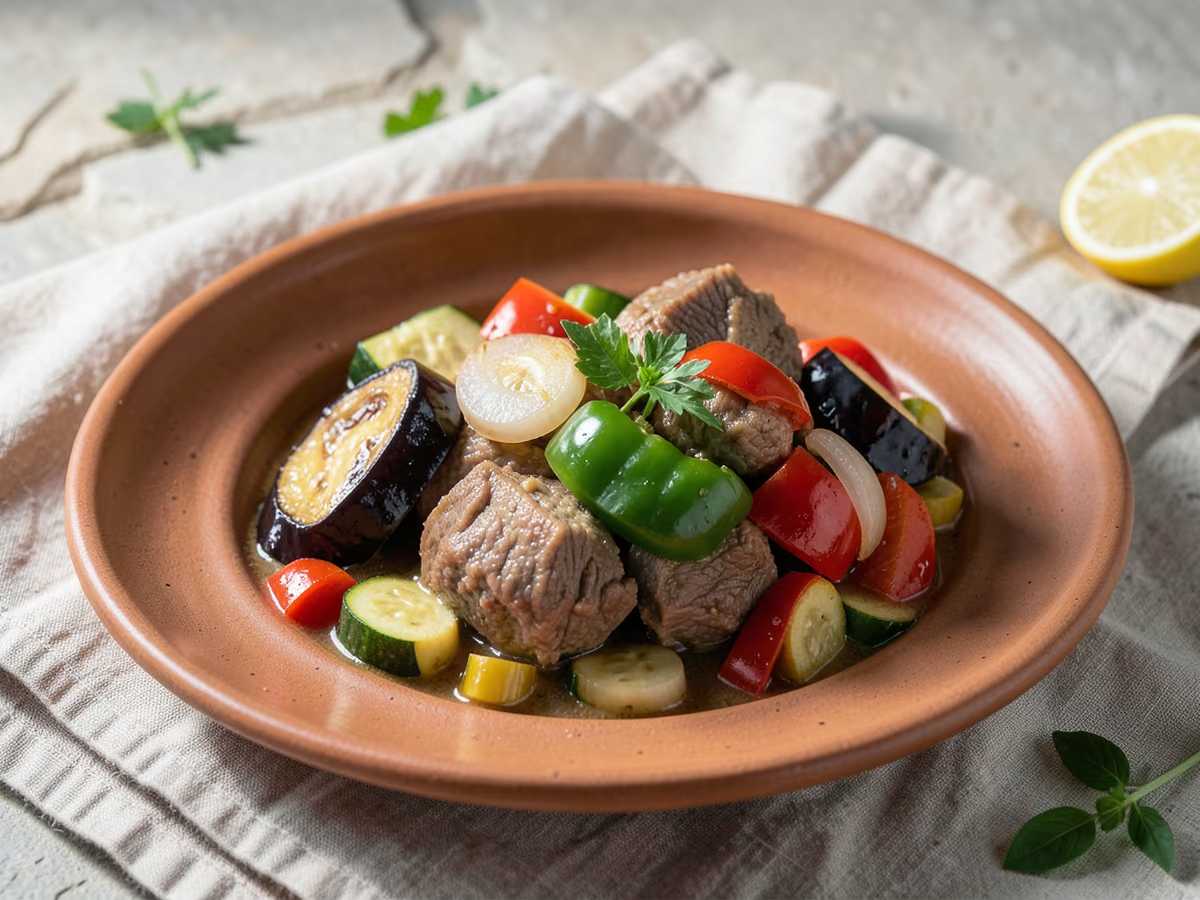
Guvec is Turkey's clay pot stew: 600 g of lamb shoulder and a deep stack of eggplant, zucchini, and peppers baked slowly in a tomato and oregano sauce, with no stirring once the pot is sealed. This version sears the lamb first and settles it into the middle layer, where it braises in its own juices while the vegetables above and below release theirs. Count on about 25 minutes of hands-on work, then 75-90 minutes in the oven with no attention at all.
- Prep
- 25 min
- Cook
- 90 min
- Total
- 145 min
- Additional time
- 30 min
- Serves
- 4
Ingredients
What you’ll need — tap to tick off as you go
- 600 g
- 3 cloves
- 2 tbsp
- 3 tbsp
- 250 ml
- 1 tsp
- ½ tsp
- 1 tsp
- 2 tbsp
Process
Timers built in · swap anything · ask as you cook
Preheat the oven to 180°C. If you are using a clay pot, set it to soak fully submerged in cold water now; it needs about 30 minutes to drink its fill before it goes into the oven. Pat the 600 g lamb cubes dry with paper towels and season them with the 1 tsp salt and the 0.5 tsp black pepper. Dry surfaces brown; wet ones steam.
Heat the 3 tbsp olive oil in a large skillet over medium-high heat. Sear the lamb in two batches, about 4–5 minutes per batch, turning only once or twice, until every side is deeply browned, then move the cubes to a plate. Crowding the pan drops the heat and steams the meat grey, so keep the cubes in a single layer.
Lower the heat to medium in the same skillet. Add the chopped onion and the 3 minced garlic cloves and cook for about 3 minutes, until soft and translucent. Stir in the 2 tbsp tomato paste and cook for 1 minute more, until it darkens and smells toasted rather than raw.
Add the 2 grated tomatoes, the 1 tsp dried oregano, and the 250 ml beef broth. Stir well, scraping up the browned bits from the bottom of the pan, and bring to a simmer, then take the pan off the heat. The sauce should be loose enough to pour evenly over the layers.
Drain the soaked clay pot if you are using one. Layer half of the eggplant, zucchini, green bell pepper, and red bell pepper across the bottom, add the seared lamb in an even middle layer, and finish with the remaining vegetables. The lamb belongs in the middle: the vegetables cushion it and baste it from both sides as they cook down.
Pour the tomato and broth mixture evenly over the top and cover the pot with its lid. Keep the vegetables just below the rim so nothing touches the lid and scorches; the trapped steam cooks the top layer from here, so resist stirring once the lid is on.
Bake at 180°C for 75–90 minutes, until the lamb is fork-tender and the eggplant has collapsed completely. Check once at 60 minutes: if the sauce looks dry, add a splash of broth, and if you want it thicker, prop the lid slightly ajar for the last 15 minutes. Each unnecessary lid lift releases the steam the top layer needs.
Take the pot out of the oven and let it rest, still covered, for 10 minutes. The rest settles the bubbling sauce so the layers hold together on the spoon. Scatter the 2 tbsp chopped parsley over the top and bring the pot to the table.
Why this recipe works
Shoulder is the right cut because its connective tissue breaks down over a long, moist bake: inside the covered pot, collagen melts into gelatin that lubricates the cubes and thickens the sauce, so the lamb turns fork-tender instead of dry. The layering does the rest. Eggplant and zucchini are more than 90 percent water, and as they cook they release it around the lamb, which sits in the middle and effectively bastes from both sides; that is why the full 250 ml of broth is enough liquid for the whole pot. Searing first, then blooming the tomato paste in the hot fat, builds the roasted depth the long bake carries.
Equipment
- Chef's knife and cutting board for the lamb and vegetable cuts
- Large skillet, about 30 cm, for searing the lamb in two batches
- Tongs for turning and lifting the lamb
- Large plate or tray to hold the seared lamb
- Clay pot or heavy Dutch oven with a tight-fitting lid, about 3-4 litres
- Wooden spoon or spatula for building the sauce
- Instant-read thermometer for checking doneness
- Paper towels for drying the lamb and blotting the vegetables
Kitchen notes
Kitchen notes
- Soak an unglazed clay pot fully submerged in cold water for 30 minutes before it goes into the oven: the saturated walls release steam from inside the pot as it bakes, and a proper soak is also what keeps the clay from cracking. Start it before you brown the lamb and the timing lines up.
- Keep the lamb in the middle layer, exactly as the recipe stacks it: the vegetables below protect it from the hottest part of the pot, and the ones above keep it moist, so it braises in its own juices instead of roasting dry.
- Sear in batches and let the crust release on its own: a cube that still sticks is not browned yet. Two batches in the same pan give every side room, and the browned film they leave behind, scraped up with the tomatoes, is the flavor base of the whole pot.
- Keep the bake gentle: the sauce should show only lazy bubbles at the edges, never a rolling boil. A hard boil tightens the lamb's muscle fibers and dries the cubes even while the vegetables are still giving up their water.
- Crush the 1 tsp dried oregano between your fingers before it goes in. Crushing releases the oils that carry its mint and thyme notes, and that aroma, more than any single vegetable, is what reads as guvec rather than a plain tomato stew.
Common mistakes
- A watery guvec: liquid went in that the pot did not need, a large seedy eggplant was wetter than most, or too much steam stayed trapped. Measure out the 250 ml of broth, salt a watery eggplant for 15 minutes and pat it dry, and crack the lid for the last 15 minutes of baking.
- Lamb that is still tough at the end of the bake: the cubes were cut smaller than 3 cm, the cut was too lean, or the pot never reached a real simmer. Use shoulder, keep the cubes at 3 cm, hold the oven at 180°C for the full 75-90 minutes, and judge by the fork: more time fixes underdone shoulder, while nothing recovers a lean cut that has dried out.
- A scorched or dried-out pot: a loose lid, or the habit of peeking, lets the sauce boil down onto the vegetables. Keep the layers just below the rim, check once at 60 minutes, and splash in broth only if the base looks dry; clay holds heat, so a gentle extension of the bake is safer than a hotter oven.
- Flat, dull flavor: the lamb was steamed rather than seared, or the tomato paste never got its full minute in the fat. Dry the cubes, brown them in two uncrowded batches, and let the paste darken in the pan; those few minutes decide how deep the finished sauce tastes.
- A cracked clay pot: it went into the oven bone-dry, or the hot pot was set down on a cold worktop. Soak the pot fully submerged for 30 minutes before use, set it out onto a board or cloth, and never pour cold liquid into a hot pot.
- Vegetables that collapse into mush: pieces were cut smaller than 2 cm, or the pot was stirred through during the bake. Cut everything to 2 cm, layer it once, leave it alone until the rest, and let a serving spoon lift portions out instead of stirring them.
Serving suggestions
- Bring the pot to the table and open it there: the steam that rises when the lid comes off is part of the dish, and clay keeps everything hot long after it leaves the oven.
- Pilaf is the classic partner, rice pilaf or bulgur pilaf to catch the tomato and lamb juices, and crusty bread or lavash does the same job by hand.
- A spoonful of plain yogurt or a cucumber-and-tomato salad with lemon cuts the richness between bites of lamb.
- Keep the drinks simple and cold: ayran, iced tea, or sparkling water against the warm, oregano-scented sauce.
Variations
- Vegetarian clay pot stew, honestly a different dish built the same way: leave out the lamb and tuck two 400 g tins of drained chickpeas into the middle layer instead, with an extra splash of broth. Bake as usual, checking from 60 minutes, until the chickpeas are hot through and the eggplant is silky.
- Spicier version: stir 0.5 tsp red pepper flakes or Turkish pul biber in with the tomato paste so the heat blooms in the oil instead of sitting raw on top.
- Individual pots: divide the layers between four small clay pots and bake them on a lined tray, checking early, since they cook faster than one large pot; serve each straight to a guest.
Refrigerator
- RefrigeratorCool the pot within 2 hours of baking, then refrigerate the stew in an airtight container for up to 4 days; it deepens on day two. Keep it covered, and reheat only what you plan to eat.
- ReheatingWarm portions gently in a covered saucepan over medium-low heat, or in the microwave in short bursts, until steaming: leftovers should reach 74°C, the USDA figure for reheating. If the sauce has thickened in the fridge, loosen it with a splash of broth or water. Do not reheat in the clay pot itself unless it is explicitly made for stovetop use.
- FreezingFreeze for up to 3 months in a freezer-safe container, leaving a little headroom. The lamb and sauce come back well; the eggplant and zucchini turn softer still, so thaw overnight in the fridge and reheat once.
- Make aheadAssemble the pot up to 24 hours ahead, cover, and refrigerate; bake it straight from cold with 10-15 minutes added to the timer. Fully baked, it makes a low-effort next-day dinner, and many cooks think it tastes better then; cool and refrigerate it within 2 hours.
Updated:
How this recipe was developed
- USDA FSIS safe minimum internal temperatures (whole-cut lamb 63°C with a 3-minute rest; poultry 74°C; leftovers reheated to 74°C)
- USDA FSIS Keep Food Safe! guidance and cold storage chart (refrigerate within 2 hours; soups and stews keep 3-4 days refrigerated and 2-3 months frozen; reheat to 74°C)
- Clay baker manufacturer instructions (soak an unglazed pot 15-30 minutes in cold water before each use; sudden temperature changes crack clay; moist clay bakes dishes with less added liquid)
- Robyn Eckhardt's eastern Turkey clay-pot guvec notes via Food52, with Yemek.com and Sofra.com.tr guvec recipes (vegetables layered above and below the lamb, preheated 180°C oven, better made ahead)
Editorial references are kept internally for verification. This page makes no claim of external certification or professional testing.
FAQ
The questions we get asked most
Can I make guvec in a regular Dutch oven instead of a clay pot?
Yes. A heavy Dutch oven with a tight-fitting lid bakes the same pot at the same 180°C for 75-90 minutes, and it is easier to check on mid-bake. The clay adds its earthy aroma and a slightly gentler, steamier heat, but a good Dutch oven gets you most of the way there; if its lid fits loosely, foil under the lid keeps the steam in.
Why did my guvec turn out watery?
Nearly always, liquid went into the pot that it did not need. Eggplant and zucchini are over 90 percent water and release it as they bake, so the measured 250 ml of broth plus the tomatoes already covers the whole pot. Check three things next time: no extra broth beyond the 250 ml, a watery eggplant salted for 15 minutes and patted dry, and the lid left slightly ajar for the last 15 minutes so some steam can escape.
Can I use chicken instead of lamb?
Yes, with a shorter bake. Boneless, skinless thighs have the fat and flavor to stand up to the tomatoes and oregano: check from 45 minutes and pull the pot when the meat reaches 74°C, the USDA FSIS minimum for poultry. Expect a slightly thinner sauce, because chicken brings less gelatin to the pot than lamb shoulder does.
How do I know when the lamb is fully cooked?
Press a 3 cm cube with a fork: it should give way with almost no resistance and pull into soft strands. Lamb is safe from 63°C with a 3-minute rest, but a clay pot stew belongs in the 85-90°C range, where the collagen has turned to gelatin; if the cubes still feel tight at 75 minutes, bake 10 minutes more and test again.
Can I prepare guvec ahead of time?
Yes, two ways. Assemble the pot up to 24 hours ahead, cover and refrigerate it, then bake it straight from cold with 10-15 minutes added to the timer. Or bake it fully a day in advance, cool it within 2 hours and refrigerate; portioned reheats come back gently, and the flavors are arguably deeper on day two.
Is guvec gluten-free?
As written, yes: the lamb, vegetables, tomato paste, broth, and spices are all naturally gluten-free. The two labels worth reading are the broth and the tomato paste, because some brands use wheat-based thickeners or flavorings; everything else in the pot carries no gluten.
What can I serve with guvec?
Rice pilaf or bulgur pilaf is the standard pairing, and it catches the juices the way bread or lavash does. Add yogurt or a lemony cucumber-and-tomato salad to cut the lamb's richness, and pour something cold and simple: ayran, iced tea, or sparkling water.
Ask KitchenMind about this recipe
Tell it what’s different tonight — it works within the actual recipe.