Fasolakia (Greek Green Beans)
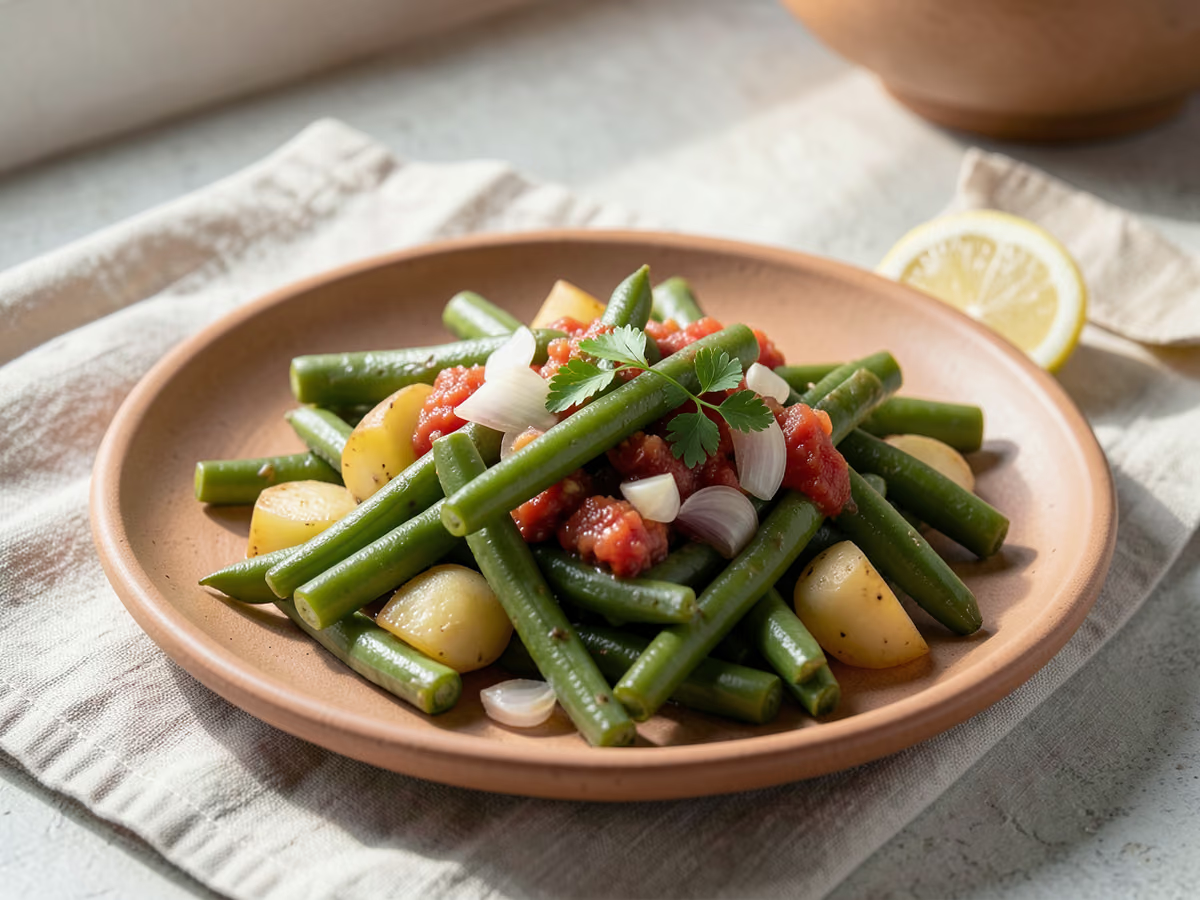
Fasolakia (φασολάκια) are Greek green beans in their most beloved form: 700 g of beans and 400 g of potato braised with onion, garlic and tomato in a generous 80 ml of olive oil until the pods slump into a silky, olive-green tangle. It is a ladera, the Greek family of one-pots built on olive oil, and it is vegan and gluten-free as written. Prep takes about 20 minutes and the covered simmer is mostly hands-off; the pot is arguably better on day two. Serve it warm or at room temperature with bread and feta.
- Prep
- 20 min
- Cook
- 50 min
- Total
- 70 min
- Serves
- 4
Ingredients
What you’ll need — tap to tick off as you go
- 700 g
- 400 g
- 3 cloves
- 400 g
- 1 tbsp
- 80 ml
- 15 g
- 10 g
- 1 tsp
- 1 tsp
- 1 ½ tsp
- ½ tsp
- 200 ml
Process
Timers built in · swap anything · ask as you cook
Warm the 60 ml of olive oil in a wide, heavy pot over medium heat; it should shimmer, not smoke, because oil pushed past its limit turns the sauce bitter. Add the chopped onion and cook for 6 to 7 minutes, stirring occasionally, until it slumps and turns translucent but not browned — those softened sugars become the sweet base for the tomatoes.
Add the 3 sliced garlic cloves and cook for about 1 minute, just until the slices smell sweet and fragrant. Keep them pale: garlic turns from toasted to acrid in seconds, and the slices keep cooking in the warm oil, so move straight on while they still look blond.
Stir in the 1 tbsp tomato paste and the 1 tsp dried oregano and let them fry in the oil for 1 minute, until the paste darkens and smells roasted rather than raw. Pour in the 400 g crushed tomatoes, 200 ml hot water, 1 tsp sugar, 1.5 tsp salt and 0.5 tsp black pepper, and bring to a gentle simmer.
Add the 700 g green beans and the 400 g potatoes and toss gently until every piece is coated — the tomato films the pods and the oil slicks them, which is what turns the braise silky. Cover the pot and keep it at a low simmer for 35 to 45 minutes; the trapped steam, not the flame, does the work.
Every 15 minutes, lift the lid and check the liquid: the beans should stay partly submerged, so if the sauce has thickened past a loose braise, add a splash of hot water — cold water stalls the simmer and can leave the pods squeaky inside. Shake the pot rather than stirring hard; the beans break easily once they start to soften.
The pot is ready when a potato chunk crushes effortlessly against the side and a bean is completely tender, the pods a dull olive-green rather than bright green. Stir in the 15 g chopped dill and the remaining 20 ml of olive oil; the residual heat is enough to open the dill's aroma without cooking it away.
Take the pot off the heat and let it settle for 10 minutes — as it cools, the beans and potatoes drink back some sauce and the pot tightens on its own. Taste and adjust the salt, scatter over the 10 g parsley if using, and serve warm or at room temperature with feta and bread.
Why this recipe works
Green beans won't soften on their own: their pods are built on pectin and fiber that need long, moist heat to give way, so the pot simmers 35 to 45 minutes. Tomatoes supply liquid and acidity; the 1 tsp of sugar rounds that edge so the sauce tastes sweet rather than sharp. Olive oil is more than a medium: its fat carries the tomato's and herbs' flavor compounds into every bean, which is why all 80 ml goes in and why the last 20 ml is stirred in off the heat, keeping the oil fruity and the dill bright. Potatoes release starch that gives the sauce body, and the covered pot keeps the heat steady and moist.
Equipment
- Wide, heavy-bottomed pot or deep saute pan, 4 to 5 litres, with a tight-fitting lid — a wide base gives the beans a shallow layer of sauce to braise in, while the lid traps the steam that does most of the cooking
- Wooden spoon or heatproof spatula, for folding the beans gently instead of crushing them
- Chef's knife and cutting board, for the onion, garlic, beans and herbs
- Measuring jug and spoons, for the 60 ml plus 20 ml olive oil split and the smaller measures
- Kitchen scale, for the 700 g of beans, the 400 g of potatoes and the 400 g of tomatoes — the balance between vegetables and sauce is what makes the pot work
- Shallow serving bowl or platter, for the warm or room-temperature presentation
Kitchen notes
Kitchen notes
- Do not cut the oil: ladera are 'the ones with oil', and all 80 ml belongs in the pot — cooks who pare it back end up with bland, watery beans. The 60 ml builds the sauce; the last 20 ml, stirred in off the heat, keeps its fruity edge.
- A wide pot is the quiet hero: the beans should sit in a shallow layer of sauce, not piled deep where they steam — if your pot is narrow, watch the level and top up with hot water a splash at a time.
- Waxy potatoes hold their shape and thicken the sauce gently; floury ones crumble and turn the pot into a puree — still delicious, but know which one you are cooking.
- If you can wait, rest the pot longer than the recipe's 10 minutes: at 20 to 30 minutes the sauce emulsifies further and the flavours round out, which is how the dish is finished in the Mani.
- Salt in two moments: the 1.5 tsp seasons the braise with the tomatoes, then taste again after the rest — a cooled, thickened sauce reads flatter than it tasted at the stove, so the final correction is the one that counts.
Common mistakes
- Still squeaky after 40 minutes: the pot simmered dry or ran too hot, so the beans never got the steady, moist heat that softens them — add a splash of hot water so they are partly submerged again, lower the flame to the barest simmer, and keep going; thick, mature pods simply need longer than slender ones.
- A watery, loose sauce at the end: too much liquid went in or the lid came off too early — finish uncovered for the last few minutes, until the sauce clings to a spoon and the oil beads at the surface; a wider pot does this faster next time.
- Sour or flat flavour: canned tomatoes vary in acidity, and the 1 tsp of sugar is the dial for it — if the pot still bites, add another half teaspoon; flatness usually means under-salting or too little oil, so taste again once the finishing 20 ml is in.
- Broken beans and a mashed base: a rolling boil rattles the pot and shatters the softened pods — hold a gentle simmer where a lazy bubble breaks the surface, and shake the pot by its handles instead of stirring hard.
- A scorched bottom: the sauce dried out while the pot sat unattended — check every 15 minutes as the recipe says, and if a patch does catch, leave it unscraped and finish the cook; stirred in, it bitters the whole pot.
Serving suggestions
- Serve warm or at room temperature — never chilled straight from the fridge — with crusty bread for mopping the tomato-oil sauce.
- A slab of feta alongside, or crumbled over the top, is the classic pairing; skip it to keep the table dairy-free, and set out olives and bread for a proper ladera plate.
- As a main it makes four generous plates with bread; as part of a spread it stretches to six smaller portions beside grilled vegetables, a tomato salad or rice pilaf.
- A squeeze of lemon at the table wakes up the cooled flavours, and a final thread of raw olive oil over each bowl is the ladera signature — both optional, both worth trying.
Variations
- Electric pressure cooker: saute the onion, garlic and tomato base on the browning setting, add the beans, potatoes, water and seasonings, then cook at high pressure for 15 minutes and release the pressure quickly; the beans come out very soft, closer to the slow-cooked character than to a fresh bite.
- Slow cooker: build the tomato base in a pan first, then tip everything into the slow cooker and cook on high until the potatoes crush under a spoon; slow cookers trap moisture, so if the sauce looks thin at the end, leave the lid off for the last 20 to 30 minutes.
- Kokkinista lean: some pots go redder and deeper — work an extra spoonful of tomato paste into the onion base and simmer uncovered for the last 10 minutes, so the sauce thickens onto the beans.
Refrigerator
- RefrigeratorCool the pot within 2 hours, divide it into shallow containers so it chills quickly, and refrigerate for up to 4 days. The beans soak up the seasoned oil as it sits, so day two often tastes best.
- ReheatingWarm gently in a covered pot over low heat with a splash of water to loosen the sauce, or in the microwave at 600 W for 2 to 3 minutes, stirring once, until steaming hot throughout (74°C).
- FreezingFreeze for up to 2 months: cool it completely, portion with a little headspace, and thaw overnight in the refrigerator. The potatoes soften further after freezing, but the beans and sauce keep their flavour; reheat as above.
- Make aheadA natural make-ahead dish: cook it fully one or two days ahead, cool it quickly and refrigerate; reheat gently, or let it come to room temperature and serve it warm or at room temperature. A double batch is worth the pot.
Updated:
How this recipe was developed
- USDA FSIS, Leftovers and Food Safety (cool leftovers within 2 hours; keep 3 to 4 days refrigerated or 3 to 4 months frozen; reheat to 74°C)
- Gastronomos.gr, Christoforos Peskias on Mani-style ladera fasolakia (a 50-minute low simmer in generous olive oil, an uncovered finish when the pot is soupy, a rest before serving, and raw oil added at the end)
- My Greek Dish, Fasolakia Giaxni (giahni means steamed under a lid; add hot water only if the pan dries; 15 minutes at high pressure in an electric pressure cooker; serve warm or at room temperature)
- Diane Kochilas, Fasolakia Yiahni (beans, potatoes and tomatoes simmered 45 minutes under a lid with olive oil divided between pot and finish; naturally vegan and gluten-free)
Editorial references are kept internally for verification. This page makes no claim of external certification or professional testing.
FAQ
The questions we get asked most
What is fasolakia made of?
Fasolakia is a ladera — sometimes spelled lathera — a Greek braise built on olive oil. This version combines 700 g of green beans and 400 g of potato with 1 large onion, 3 cloves of garlic, 400 g of crushed tomatoes and 1 tbsp of tomato paste, seasoned with 1 tsp dried oregano, 15 g fresh dill, 1 tsp sugar, 1.5 tsp salt and 0.5 tsp black pepper, and loosened with 200 ml of hot water. It is vegan, gluten-free and dairy-free as written; the feta served alongside is optional.
Why are my fasolakia still firm after 40 minutes?
The beans need steady, moist heat to soften, so firmness usually means the pot ran dry or the flame was high enough to cook the sauce away before the pods gave in. Add a splash of hot water so they are partly submerged again, drop to a bare simmer, cover, and give them 10 to 15 minutes more; test a bean and a potato together — older, thicker pods simply take longer than young ones.
Can I use frozen green beans instead of fresh?
Yes — frozen whole beans work well and need no thawing. Add the same 700 g straight from the freezer and expect a slightly softer pod; because they shed more water than fresh, start with a little less of the hot water and check the sauce level as they cook, topping up only if the pot looks dry.
Can I make fasolakia ahead of time?
It is one of the great make-ahead dishes of the Greek table: cook it fully, cool it, and refrigerate for up to 4 days. Overnight, the beans soak up the seasoned oil and the tomato deepens, so many cooks think day two is the best version; bring it back to warm or room temperature gently, with a splash of water to loosen the sauce.
Can I freeze fasolakia with the potatoes?
Yes — freeze for up to 2 months. The potatoes soften further and may crumble a little after thawing, but the beans and sauce come through well. Thaw overnight in the fridge, then reheat gently in a covered pot with a splash of water, or in the microwave at 600 W for 2 to 3 minutes, stirring once.
How do I know when fasolakia is properly done?
Press a potato chunk against the side of the pot — it should crush without resistance — and bend a bean; it should be completely tender with no snap. The pods will have turned a dull olive-green rather than bright green, and the sauce will be thick enough to coat a spoon, with the oil beginning to bead at the surface. If it still looks watery, simmer uncovered a few minutes more.
What is the difference between fasolakia and fasolia?
The two words share one root, and both belong to the Greek bean family. Fasolia (φασόλια) is the broad word for beans — the dried store-cupboard kind above all — while fasolakia (φασολάκια) is the diminutive, the everyday name for fresh green beans and, by habit, for this tomato-and-oil braise. This page is the green-pod rendition: beans, potato, tomato, olive oil and dill, vegan as written.
Ask KitchenMind about this recipe
Tell it what’s different tonight — it works within the actual recipe.