Greek Moussaka
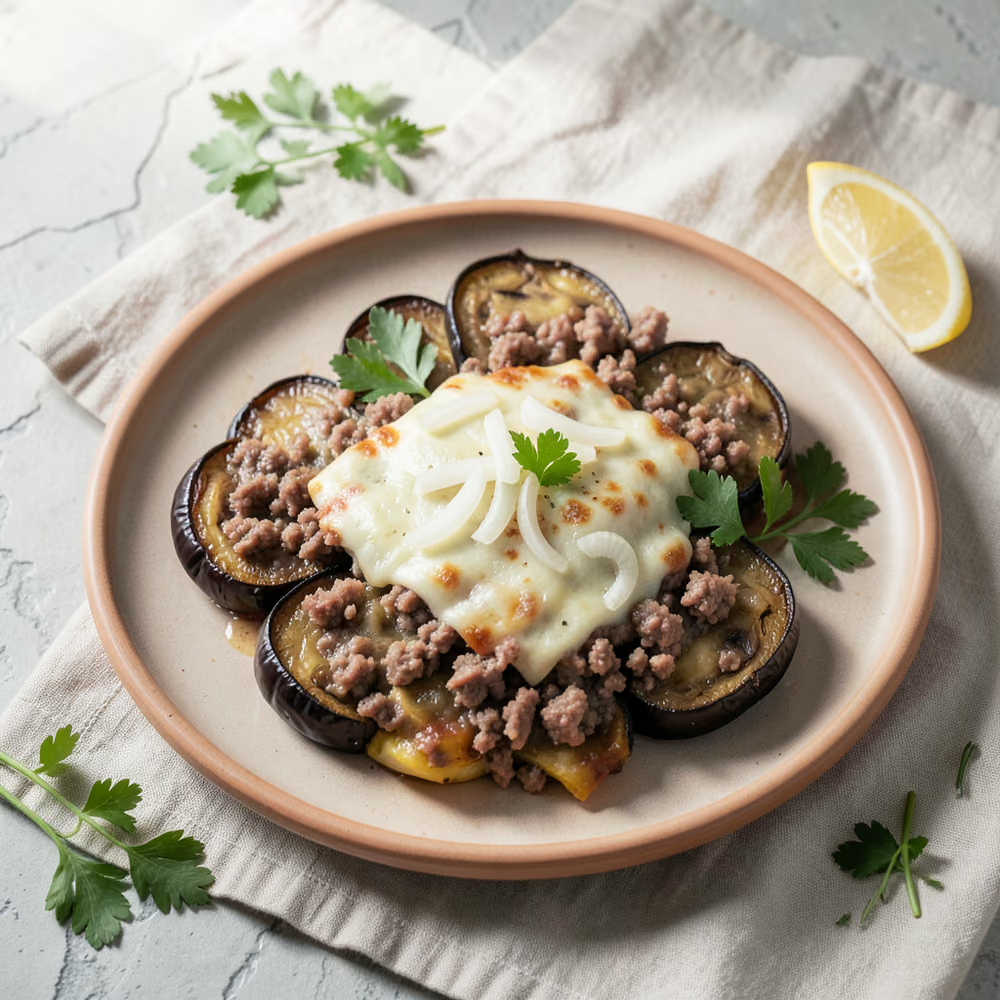
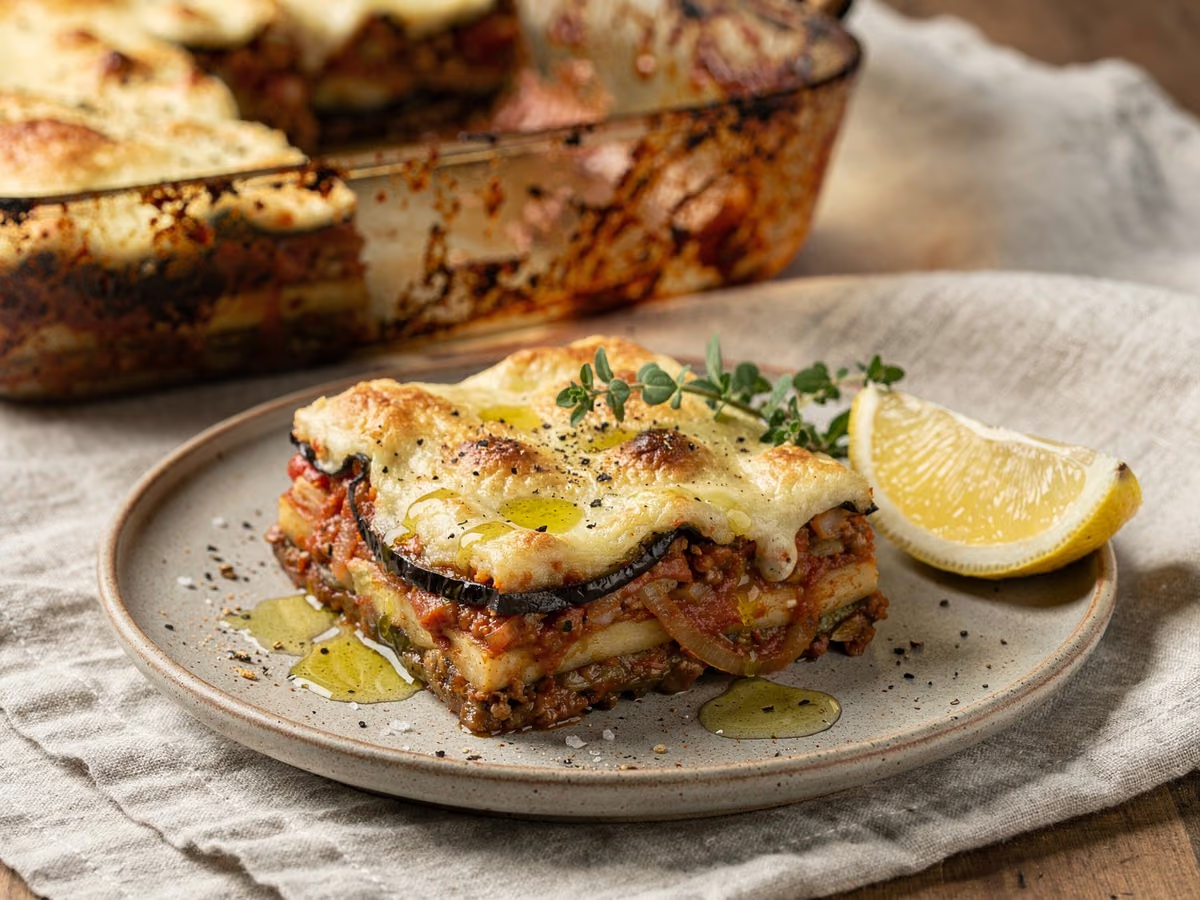
Picture the finished slice: a golden custard lid, distinct strata, edges that hold on the plate. Greek moussaka gets there with roasted eggplant, a cinnamon-and-allspice lamb sauce, and a nutmeg béchamel thickened with egg yolks. The custard is what separates a great bake from a good one: it sets firm enough that your knife passes through it as cleanly as through the layers below. Budget roughly 45 minutes of prep and 90 minutes in the oven, plus a 15-minute rest; most of that time goes to the sauce reducing and the bake building its crust.
- Prep
- 45 min
- Cook
- 90 min
- Total
- 150 min
- Additional time
- 15 min
- Serves
- 8
Ingredients
What you’ll need — tap to tick off as you go
- 1 tbsp
- 6 tbsp
- 500 g
- 3 cloves
- 2 tbsp
- 400 g
- 1 tsp
- ½ tsp
- 1 tsp
- ½ tsp
- 60 g
- 60 g
- 750 ml
- ¼ tsp
- 50 g
Process
Timers built in · swap anything · ask as you cook
Arrange the eggplant rounds in a colander, sprinkle the 1 tablespoon of salt over both sides, and leave them to weep for 30 minutes at room temperature. Patience pays here. The salt pulls water to the surface and tightens the flesh so your slices absorb less oil later. Rinse the salt off and pat every round dry; damp slices steam in the oven instead of browning.
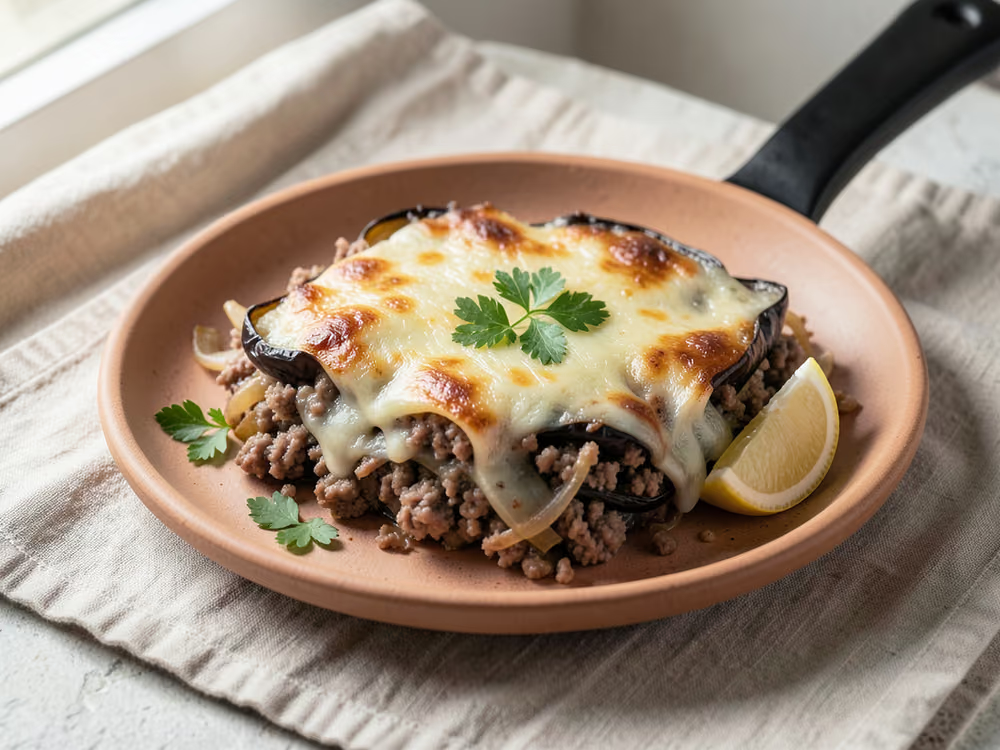
Heat the oven to 200°C and brush a rimmed baking sheet with 2 tablespoons of the olive oil. Lay your eggplant on it in a single layer, brush the tops with another 2 tablespoons, and roast for 15 minutes, turning the slices once about halfway, until soft through the middle with light browning at the edges. It's fine if some slices brown unevenly. The sauce covers them later. Crowding steams them. Pre-roasting keeps them from turning spongy later.
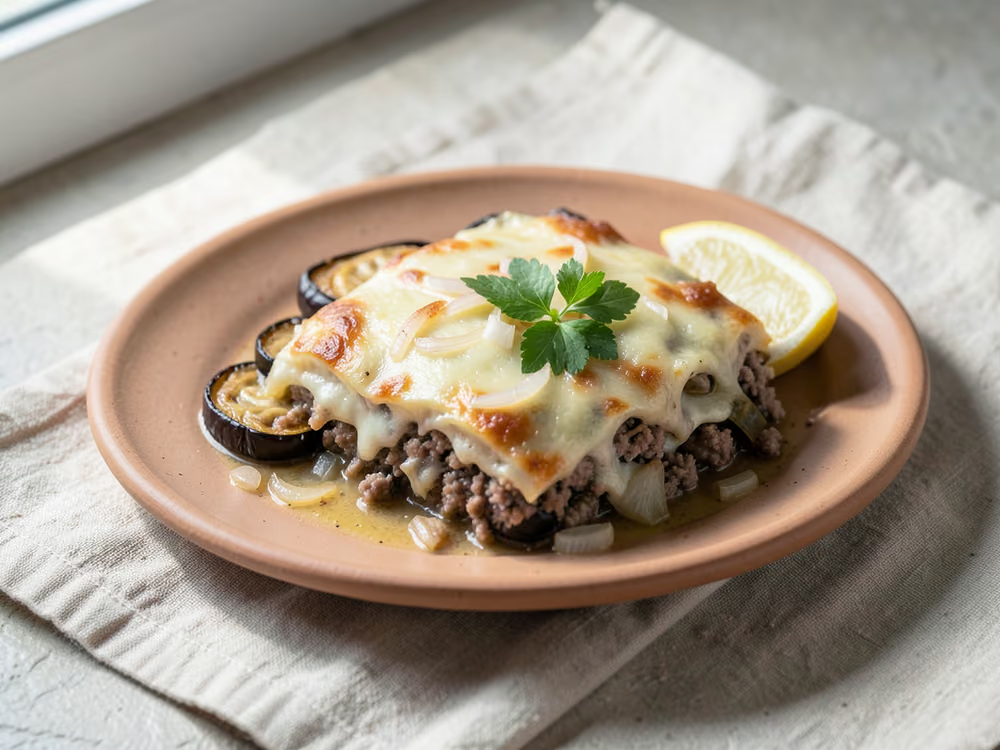
Warm the remaining 2 tablespoons of olive oil in a large skillet over medium heat. Add the ground lamb, press it into a single layer, and leave it undisturbed for 2 minutes before you break it up, so the underside browns instead of steaming. Cook about 5 minutes more, until no pink remains, then lift the meat out of the pan with a slotted spoon and leave the rendered fat behind.
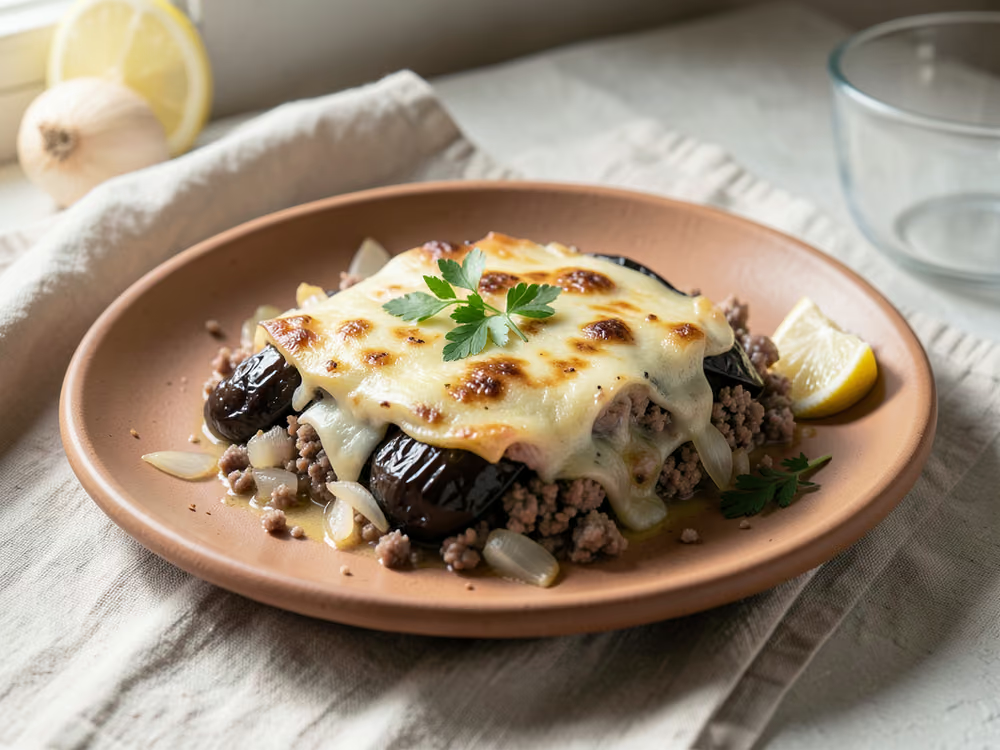
Drop the onion and garlic into the same pan and cook over medium heat for about 5 minutes, until the onion turns translucent and the garlic bite mellows. Push them to one side, add the tomato paste to the hot fat, and fry it for 1 minute, until it darkens from bright red to brick red and smells sweet. Frying the paste this way is worth the extra moment: it cooks off the raw edge and deepens your finished sauce.
Return the lamb to the pan, then add the crushed tomatoes, 1 tsp of cinnamon, 0.5 tsp of allspice, 1 tsp of dried oregano, and 0.5 tsp of black pepper. Bring to a bare simmer and cook uncovered for 20 minutes, until the sauce is thick enough that a spoon drawn through it leaves a trail. Watch that reduction. It keeps the finished dish from weeping on the plate.
While the sauce simmers, bring a pot of salted water to a boil and add the potato rounds. Cook for 5 minutes, until a knife tip slips in with slight resistance, then drain. Parboiling firms the starch so your base layer slices neatly later, and the remaining cooking happens under the meat sauce in the oven.
In a medium saucepan, melt the 60 g of butter over medium heat. Whisk in the 60 g of flour and keep the mixture moving for 2 minutes, until it turns pale blond (it should look like wet sand) and smells like toasted bread rather than raw starch. Blond, not brown. This short cook removes the floury taste from your topping before any liquid goes in.
Pour in the warm 750 ml of milk in a slow stream, whisking constantly so the roux dissolves smoothly instead of clumping. Keep whisking over medium heat for about 5 minutes, until the sauce coats the back of a spoon and a line drawn through it holds. Pull the pan off the heat before the yolks go anywhere near it.
Off the heat, whisk in 0.25 tsp of nutmeg and the 50 g of parmesan. Temper the 2 egg yolks by whisking a spoonful of the warm sauce into them first, then stir them back into the pan. Season your béchamel with salt to taste. The yolks enrich the top into a custard that sets firm; added straight to hot sauce they would scramble.
Spread the potato rounds across the bottom of a 9x13 inch baking dish. Top with half of your eggplant, pressing the slices into one even layer, then spread the meat sauce over them with the back of a spoon. Finish with the remaining eggplant. This order puts the firmest layer at the bottom. Portions hold their shape.
Pour the béchamel over the top layer and spread it to the edges of the dish with a spatula, working lightly so the sauce stays where it is. Scatter the extra parmesan over the surface. A full, even cap of custard seals the layers and browns into the golden crust that defines the dish.
Bake at 180°C for 45 minutes, until the top is deep golden and the edges bubble. A knife slipped into the center should come out hot (any thin knife works for the check), and the custard should read at least 75°C. Let the dish stand for 15 minutes. Warm slices slump. Why the wait? The custard and starch firm as they cool, and firm layers cut clean. Portions come out square.
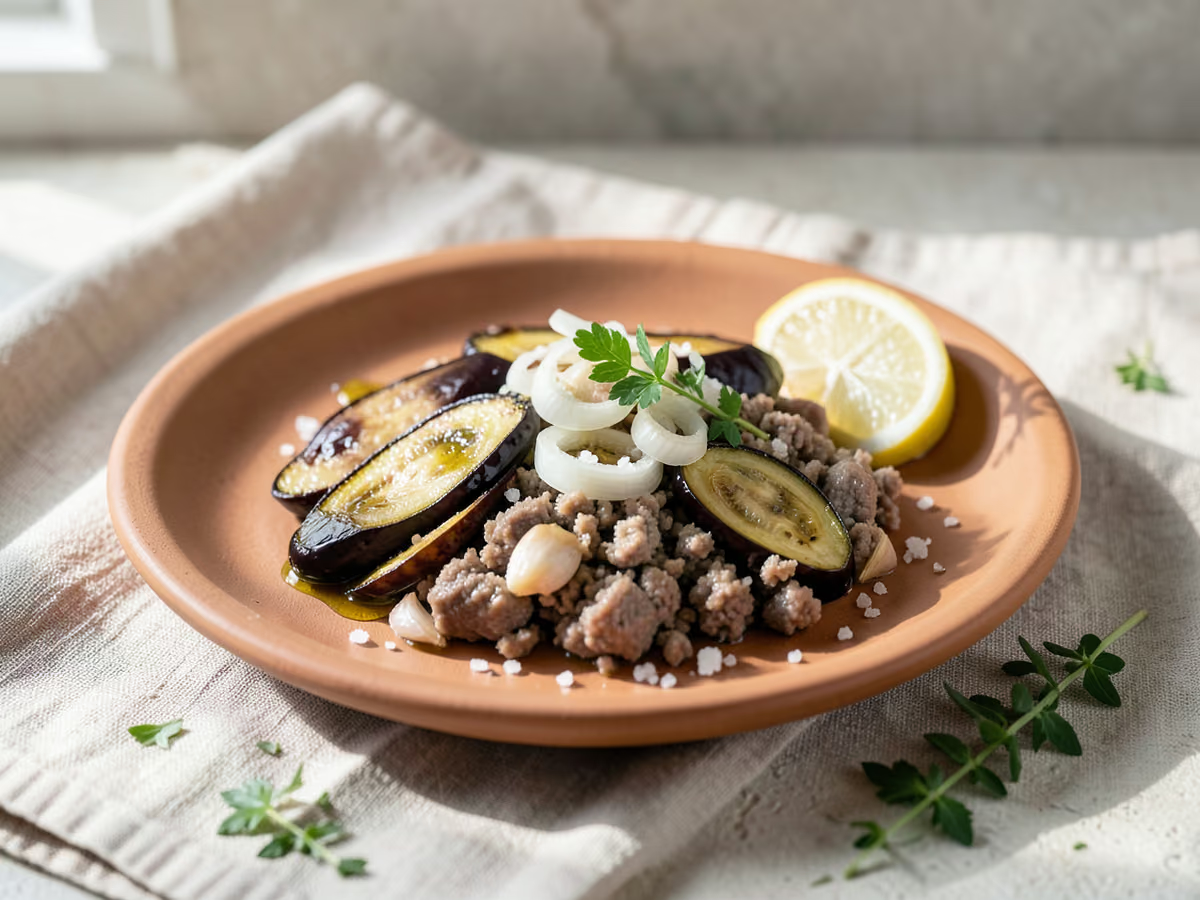
Why this recipe works
Roasting the salted eggplant before assembly does two jobs: the slices shed the water that would otherwise steam out during the bake, and their spongy structure collapses just enough to absorb sauce without drinking the topping. Water is the enemy here. Reducing the lamb sauce to spoon-coating thickness keeps that moisture balanced. The béchamel is a roux-thickened sauce enriched with parmesan and tempered egg yolks; during the 45-minute bake those proteins set the top into a sliceable custard rather than a pourable one. The 15-minute rest then lets custard and starch firm, so your portions hold their layers.
Equipment
- Colander
- Rimmed baking sheet
- 9x13 inch (23 x 33 cm) baking dish, deep enough for all the layers
- Large skillet or wide saute pan
- Medium saucepan
- Balloon whisk
- Slotted spoon
- Instant-read thermometer
Kitchen notes
Kitchen notes
- Ever picked up an eggplant that felt suspiciously light? That one is mostly air pockets and will drink more oil than the measured amount. Pick fruit that feels heavy for its size, with taut, glossy skin, and go by weight.
- Set the baking dish on a rimmed sheet pan before it goes in the oven; the custard bubbles at the edges, and a loaded dish can spill over near the end. The pan catches it.
- If the top reaches deep gold before the center is hot, lay foil loosely over the dish and keep baking, then uncover for the final minutes so the crust firms instead of steaming. Foil buys you time.
- Cut with a thin, sharp blade; the one to reach for here is a paring knife. Wipe it between slices. Dragging a dull knife pulls custard down through your layers and smears the portions.
- Season the béchamel only after the parmesan is in, since the cheese already carries salt, and salt added early in a sauce this large is hard to walk back. Taste before you salt.
Common mistakes
- The portions weep on the plate: eggplant that went in damp, a sauce that never reduced, or béchamel too thin. Dry your slices fully after rinsing, simmer the sauce the full 20 minutes to a spoon-coating texture, and let the baked dish stand 15 minutes before cutting.
- Every bite tastes greasy: under-salted eggplant acts like a sponge and drinks whatever oil it meets. Use the measured 6 tablespoons only. Roast the slices until soft, and don't top up the pan hoping for faster browning.
- The béchamel is lumpy: cold milk poured in too fast, or heat too high when it hits the roux. Warm your milk, stream it in whisking constantly, and if lumps still form, push the sauce through a fine sieve and return it to low heat.
- Flecks of scrambled egg in the topping: the yolks met sauce that was still on the burner. Take the pan off the heat first. Temper your yolks with a spoonful of warm sauce before stirring them back in.
- The top browns before the custard sets: the topping scorches while the center stays loose. Brown is not baked. Don't worry; lay a piece of foil loosely over your dish when the color is right (foil slows the top, not the center), keep baking until the center reads 75°C, and uncover for the last few minutes.
Serving suggestions
- Serve warm, not piping hot. Cut generous squares from the rested dish; the first warm one is the version worth repeating.
- A sharply dressed green salad, or a tomato and cucumber salad with feta, cuts the richness.
- Crusty bread to mop the plate.
- Thick plain yogurt on the side, the way it is served in Greece, adds a cool contrast.
- It also eats well the next day: the chilled slices firm up and cut even more cleanly, and leftover squares turn into a lunch worth packing.
Variations
- Potato-free build: leave out the parboiled potato and let the eggplant carry the base alone; it will feel softer, so rest the bake the full 15 minutes before you slice.
- Meatless version, served as its own dish rather than as classic moussaka: replace the lamb with cooked brown lentils in the same spiced tomato sauce and keep the béchamel and parmesan topping.
- Zucchini in the mix: swap half of your eggplant rounds for thick zucchini planks, salted and roasted the same way; drain them well, since zucchini releases more water.
Refrigerator
- RefrigeratorCool your dish within 2 hours, then refrigerate it in an airtight container for up to 4 days.
- ReheatingReheat covered at 160°C for 20-25 minutes, or microwave portions at medium power until steaming. Leftovers should be hot throughout (74°C). High microwave power makes your eggplant rubbery.
- FreezingWrap your portions tightly in foil and freeze for up to 2 months. No need to plan the thaw: overnight in the fridge does it, and the eggplant softens only slightly. The flavor holds.
- Make aheadAssemble the whole dish up to 24 hours ahead, cover, and refrigerate. Bake straight from the fridge at 180°C, adding 10-15 minutes. You can also hold the meat sauce and béchamel separately and assemble just before baking.
Updated:
How this recipe was developed
- FoodSafety.gov / USDA FSIS Safe Minimum Internal Temperature Chart (ground lamb to 71°C; meat casseroles and reheated leftovers to 74°C)
- U.S. FDA, Are You Storing Food Safely? (two-hour rule for leftovers; refrigerator at or below 4°C)
- My Greek Dish, Traditional Moussaka with Eggplants and Potatoes (potato base for structure; eggplant as the sauce-absorbing layer; layer order; tempering the eggs into the béchamel so they do not set)
- BBC Good Food, Moussaka (roux cooked before the milk goes in; cheese and egg stirred in off the heat; cover the dish if it browns too quickly)
Editorial references are kept internally for verification. This page makes no claim of external certification or professional testing.
Gallery
FAQ
The questions we get asked most
Why did my moussaka turn out watery?
Liquid usually comes from three places: eggplant that was rinsed but not dried, a meat sauce that never reduced, or a béchamel that stayed too thin. Pat your roasted slices dry. Simmer the sauce the full 20 minutes until a spoon leaves a trail. Let the baked dish stand 15 minutes, so the custard and starch set before you cut.
How do I know when moussaka is done?
The top should be deep golden with bubbling edges, and a knife slipped into the center should come out hot; the custard should read at least 75°C on an instant-read thermometer. If the surface browns faster than the center heats, lay foil loosely over your dish and keep baking.
Why is my béchamel lumpy?
Lumps mean the milk met the roux cold or too quickly, or the heat was too high. Warm your milk, stream it in with constant whisking, and keep the pan at medium. If lumps form anyway, strain the sauce through a fine sieve and return it to gentle heat.
Can I assemble moussaka ahead of time?
Yes. A fully assembled dish keeps, covered, in the fridge for up to 24 hours; bake it straight from cold at 180°C and add 10-15 minutes to the bake. You can also cook the meat sauce and béchamel a day ahead and layer them just before baking.
Can I freeze moussaka?
Yes, it freezes well for up to 2 months. Wrap your portions tightly in foil, thaw them overnight in the fridge, then reheat covered at 160°C for 20-25 minutes. The eggplant softens a little on freezing, but the flavor survives nicely.
Can I make moussaka without lamb?
Yes. Ground beef, or an even mix of beef and lamb, works at the same 500 g; beef alone is milder, so keep the full cinnamon and allspice. Avoid very lean meat. It bakes up dry and your sauce loses its richness.
Can I skip salting the eggplant?
You can, but the 30 minutes earn their keep in this dish: modern eggplant is rarely bitter, yet salting still draws out water and limits how much oil your slices soak up before roasting. Skip it and expect a slightly heavier, wetter bake.
Ask KitchenMind about this recipe
Tell it what’s different tonight — it works within the actual recipe.