- Prep
- 20 min
- Cook
- 12 min
- Total
- 32 min
- Serves
- 12
Ingredients
What you’ll need — tap to tick off as you go
- 100 g
- 100 g
- 100 g
- 1 tsp
- 1 tsp
- 1 pinch
- 1 tsp
Process
Timers built in · swap anything · ask as you cook
In a small bowl, whisk together 100 g all-purpose flour, 1 tsp baking powder, and 1 pinch salt. Set aside.
In a large bowl, combine 2 eggs and 100 g granulated sugar. Whisk vigorously for 2–3 minutes until the mixture is pale and slightly thickened. Whisk in 1 tsp vanilla extract and 1 tsp lemon zest if using.
Gently fold the dry ingredients into the egg mixture using a spatula until just combined. Do not overmix.
Fold in 100 g melted unsalted butter until fully incorporated and the batter is smooth and glossy.
Cover the bowl and refrigerate for at least 1 hour, or up to 24 hours. This rest is essential for the signature hump.
Preheat the oven to 200°C. Generously butter and flour a madeleine pan, tapping out any excess flour.
Spoon the chilled batter into the prepared molds, filling each about three-quarters full. Do not spread the batter.
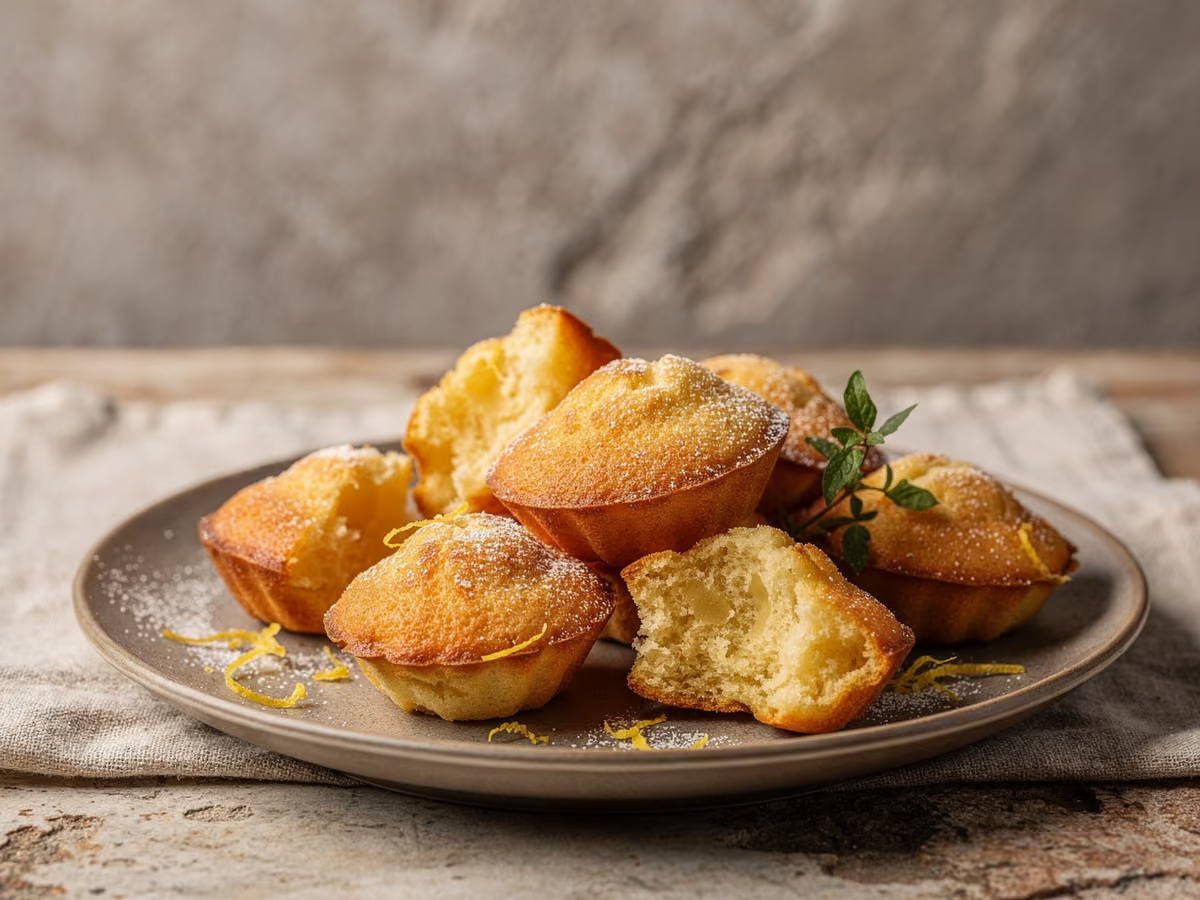
Bake for 10–12 minutes, until the edges are golden brown and the centers spring back when lightly touched. The humps should be prominent.
Remove from the oven and immediately unmold onto a wire rack. Let cool completely before serving.
Kitchen notes
Kitchen notes
- Chilling the batter is the most common mistake people skip; without it, the madeleines will not develop the characteristic hump and may spread flat.
- Properly preheating the oven and using a metal madeleine pan (not silicone) gives the best crust and rise. Place the pan on the middle rack.
- Do not overmix the batter after adding flour; overmixing develops gluten and results in tough, dense cakes instead of light, airy ones.
- If using a dark nonstick pan, reduce the oven temperature to 190°C to prevent the bottoms from burning before the centers cook.
Substitutions
- all-purpose flour→cake flour for a more delicate texture
- granulated sugar→same amount of caster sugar
- vanilla extract→almond extract or orange blossom water
- lemon zest→orange zest
Storage & reheating
Store cooled madeleines in an airtight container at room temperature for up to 2 days, or in the refrigerator for up to 5 days. To freeze, place in a single layer in a freezer bag and freeze for up to 2 months. Reheat in a 150°C oven for 3-5 minutes to refresh the crust; avoid microwaving as it makes them rubbery.
FAQ
The questions we get asked most
Why did my madeleines not get the hump?
The hump comes from the contrast between cold batter and a hot oven. Make sure the batter is thoroughly chilled (at least 1 hour) and the oven is fully preheated to 200°C before baking. Also, do not open the oven door during the first 8 minutes of baking.
Can I make the batter ahead of time?
Yes, the batter can be made up to 24 hours in advance and kept covered in the refrigerator. In fact, a longer rest (up to 24 hours) improves flavor and rise. Just give it a quick stir before filling the molds.
How do I know when madeleines are done?
They are done when the edges are golden brown and the centers spring back when lightly pressed with a finger. The humps should be set and not jiggly. Overbaking by even a minute can dry them out.
Can I use a silicone mold instead of a metal pan?
Silicone molds work but often produce a softer crust and less pronounced hump because they do not conduct heat as sharply. If using silicone, increase baking time by 2-3 minutes and check for doneness.
Why are my madeleines dry?
Dryness usually comes from overbaking or overmixing. Bake just until the centers spring back, and mix the batter only until the flour is incorporated. Also, measure flour accurately by spooning and leveling, not scooping directly from the bag.
Can I freeze madeleines?
Yes, freeze baked and cooled madeleines in an airtight container for up to 2 months. Thaw at room temperature and refresh in a 150°C oven for 3-5 minutes to restore the crust.
What is the best way to grease the madeleine pan?
Use softened butter and a pastry brush to coat every crevice, then dust with flour and tap out the excess. This ensures easy release and a golden crust. Avoid cooking spray, which can leave a sticky residue.
Ask KitchenMind about this recipe
Tell it what’s different tonight — it works within the actual recipe.