- Prep
- 25 min
- Cook
- 40 min
- Total
- 65 min
- Serves
- 6
Ingredients
What you’ll need — tap to tick off as you go
- 200 g
- 40 g
- 2 tbsp
- 80 ml
- ¼ tsp
- 1 tsp
- 300 g
- 400 ml
- 1 tsp
- 1 tsp
- 700 ml
Process
Timers built in · swap anything · ask as you cook
Make the syrup first: combine 300 g sugar, 400 ml water, 4 crushed green cardamom pods and 1 tsp lemon juice in a wide saucepan. Bring to a boil over medium heat, stirring only until the sugar dissolves, then simmer 5 minutes until very slightly sticky. Turn off the heat, stir in 1 tsp rose water and leave the syrup warm.
In a wide bowl whisk 200 g milk powder, 40 g all-purpose flour, 1 tsp fine semolina (if using) and 0.25 tsp baking soda until evenly combined and no lumps remain.
Add 2 tbsp melted ghee and rub it into the dry mix with your fingertips until it looks like fine breadcrumbs.
Sprinkle 80 ml milk over the mixture one tablespoon at a time, gathering the dough with your fingers. Stop adding milk the moment the dough holds together; it should be soft but not wet or sticky.
Cover the dough and rest it for 10 minutes, then divide into 18 equal portions. Grease your palms lightly with neutral oil and roll each portion into a smooth, crack-free ball, pressing firmly so no seams remain.
Heat 700 ml neutral oil in a deep pan over low heat to about 150°C. Test with a tiny piece of dough: it should rise slowly with small bubbles, not sizzle hard.
Slide in 5 to 6 balls at a time, keeping the heat low. Fry 6 to 8 minutes, moving them constantly with a slotted spoon so they brown evenly all over, until deep golden brown.
Lift the fried jamuns out with a slotted spoon and drain briefly on a plate lined with paper towel, then slide them straight into the warm syrup while still hot.
Repeat with the remaining dough balls. Let the jamuns soak in the syrup at room temperature for at least 2 hours, gently turning them once or twice, until they have swollen and feel soft and spongy all the way through.
Serve at room temperature or slightly warm, spooning a little syrup over each portion.
Kitchen notes
Kitchen notes
- The single biggest mistake is frying on high heat: the outside darkens before the centre cooks, so the jamuns stay hard and never absorb syrup. Keep the oil at about 150°C and be patient.
- The dough must be soft but not sticky. If it is wet, the balls crack in the oil; if it is dry, they stay dense. Add milk drop by drop and stop as soon as the dough just holds together.
- Roll each ball firmly and smoothly with greased palms. Any crack or seam splits open during frying and the jamun breaks apart in the oil.
- The syrup must be warm, not boiling, when the hot jamuns go in. Boiling syrup can make them break, and cold syrup slows soaking to a crawl.
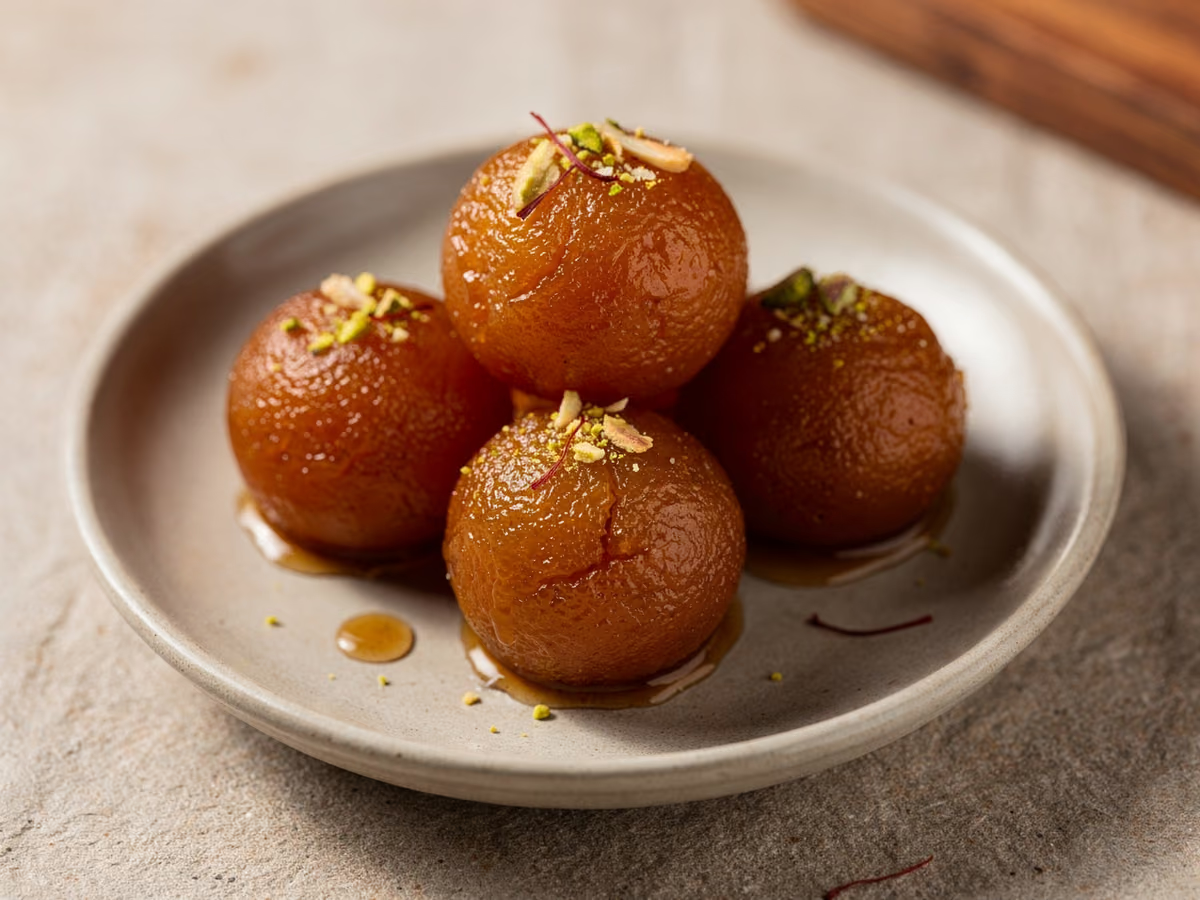
- A properly soaked jamun has visibly doubled in size, feels heavy and springs back when pressed. If it is still firm after 2 hours, the syrup was too thick or the balls were fried too hard.
Substitutions
- milk powder→250 g freshly grated khoya, crumbled and kneaded with the flour
- ghee→unsalted butter, melted and cooled
- rose water→1 tsp kewra water or 0.25 tsp ground cardamom
- fine semolina→leave it out; the jamuns will be slightly softer
- neutral oil→ghee for frying, for a richer flavour
Storage & reheating
Store soaked gulab jamuns in their syrup in a covered glass or plastic container in the fridge for up to 5 days; they actually improve on day two. Keep them submerged so they do not dry out. To serve, warm 4 to 5 jamuns with a few spoonfuls of syrup in a covered pan over low heat for 3 to 4 minutes, or microwave in a covered bowl in 20-second bursts. Unsoaked fried jamuns can be frozen for up to 1 month: thaw, then drop into warm syrup and let them soak for 3 to 4 hours.
FAQ
The questions we get asked most
Why did my gulab jamuns stay hard in the middle?
Almost always because the oil was too hot, so the crust set before the centre cooked. Fry at about 150°C on low heat for 6 to 8 minutes until deep golden, and keep the balls moving so they colour evenly. Hard centres can also mean the dough was too dry, so add milk a teaspoon at a time next time.
Why did my jamuns break or crack while frying?
Cracks come from a dough that is too wet or from balls rolled with seams and rough patches. Add milk only until the dough just holds together, then roll each portion firmly into a smooth ball with lightly greased palms. Frying on high heat also makes them split, so keep the heat low.
How do I know the jamuns are fully soaked?
They should have visibly doubled in size, feel noticeably heavier and spring back when you press one gently. That usually takes 2 hours in warm syrup. If they are still firm after that, the syrup was too thick or the balls were fried too hard; thin the syrup with a splash of warm water and soak another hour.
Can I make gulab jamuns ahead of time?
Yes, and they are better made a day ahead. Fry them, soak them in syrup, cool, then refrigerate covered for up to 5 days. The flavour deepens and the texture gets softer. Warm them gently in their syrup before serving rather than eating them cold.
Can I use khoya or milk powder instead of each other?
Both work. This recipe uses 200 g milk powder, which is the easiest option. If you have fresh khoya, use about 250 g, crumble it and knead it with 40 g flour and only a spoonful or two of milk, since khoya already contains moisture. Do not use skimmed milk powder; the fat is what keeps the jamuns soft.
Why is my sugar syrup grainy or crystallised?
Stirring the syrup after it starts boiling, or leaving out the lemon juice, causes crystallisation. Stir only until the sugar dissolves, then simmer undisturbed, and add 1 tsp lemon juice with the water. If it does turn grainy, add 2 tbsp water and simmer again until smooth.
Can I fry gulab jamuns in an air fryer or bake them?
No, they need deep frying to puff and cook through properly. Air frying gives a dry, hard shell that will not soak up syrup, and baking makes them dense. If you want to avoid deep frying, shallow-fry in a small pan with enough oil to half-submerge the balls, turning them constantly.
Ask KitchenMind about this recipe
Tell it what’s different tonight — it works within the actual recipe.