- Prep
- 20 min
- Cook
- 30 min
- Total
- 50 min
- Serves
- 4
Ingredients
What you’ll need — tap to tick off as you go
- 120 g
- 1 tbsp
- 2 tbsp
- ½ tsp
- 1 pinch
- 1 pinch
- 2 tbsp
- 300 ml
- 1 l
- 200 g
- 1 tsp
Process
Timers built in · swap anything · ask as you cook
In a small bowl, dissolve the active dry yeast (if using) in 2 tbsp of the lukewarm water with a pinch of sugar. Let it sit for 5 minutes until frothy.
In a large mixing bowl, whisk together the all-purpose flour, fine semolina, and plain yogurt. Add the yeast mixture, melted ghee, saffron strands, and orange food color (if using). Gradually add the remaining lukewarm water and whisk until you have a smooth, thick batter with no lumps. The batter should coat the back of a spoon but still flow slowly.
Cover the bowl with a clean cloth and let the batter ferment in a warm place for 8 to 12 hours, or until it has risen slightly and smells mildly tangy. If your kitchen is cold, place it near a warm oven.
While the batter ferments, make the syrup: In a saucepan, combine the sugar, 120 ml water, lemon juice, and crushed green cardamom pods. Bring to a boil over medium heat, stirring until the sugar dissolves. Reduce heat to low and simmer for 5 to 7 minutes, until the syrup is slightly sticky and reaches one-string consistency (when a drop is pressed between thumb and forefinger, a single thread forms). Remove from heat and keep warm.
After fermentation, whisk the batter gently to deflate. It should be thick but pipeable. If it is too thick, add a tablespoon of water; if too thin, add a tablespoon of flour.
Heat the vegetable oil in a deep, wide pan over medium heat until it reaches 170°C. To test, drop a small bit of batter into the oil; it should sizzle and rise to the surface without browning too quickly.
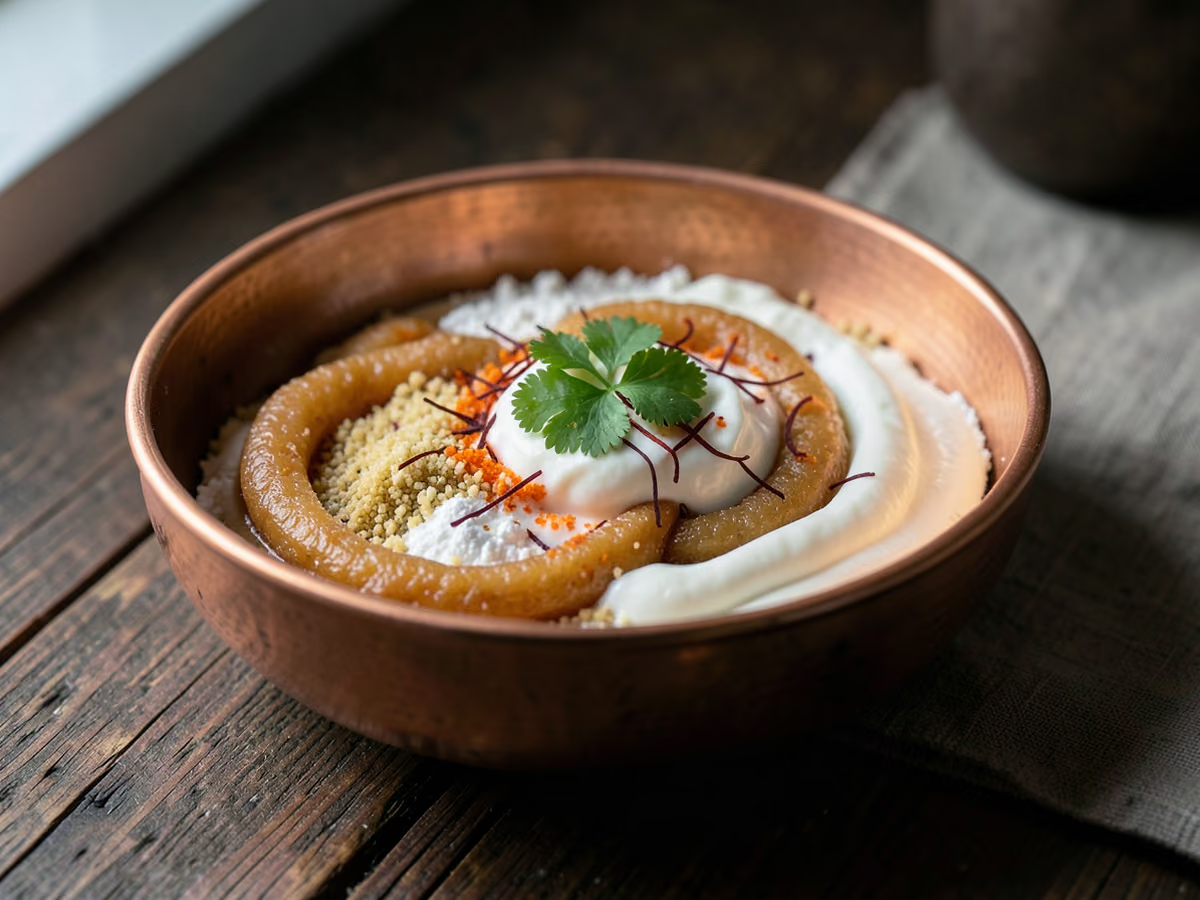
Transfer the batter to a squeeze bottle or a piping bag fitted with a small round tip (or a clean plastic bag with a tiny corner cut off). Carefully pipe the batter into the hot oil in a spiral shape, starting from the center and moving outward, then overlapping back inward to create a jalebi. Fry 2 to 3 jalebis at a time, depending on pan size.
Fry for 1 to 2 minutes per side, until crisp and golden orange. Flip using a slotted spoon or tongs. Remove with a slotted spoon and drain briefly on paper towels.
Immediately immerse the hot jalebis in the warm syrup for 30 to 45 seconds, turning once to coat evenly. Do not soak longer or they will become soggy. Remove with a slotted spoon and place on a wire rack to drain excess syrup.
Repeat with the remaining batter, keeping the oil temperature steady. Serve jalebis warm, garnished with extra saffron strands if desired.
Kitchen notes
Kitchen notes
- The most common mistake is frying at too high a temperature: the jalebis will brown outside but remain raw inside. Keep the oil at 170°C and adjust the heat as needed.
- Fermentation is key for the characteristic tang and texture. If your batter does not ferment after 12 hours, add a pinch of baking soda (about 1/8 tsp) just before frying to lighten it.
- The syrup must be warm, not hot, when you dip the jalebis. If it is too hot, the jalebis will absorb too much syrup and turn soggy; if too cold, they will not absorb enough.
- For uniform spirals, use a squeeze bottle with a narrow nozzle. Practice on a small piece of parchment paper first if you are new to piping.
Substitutions
- active dry yeast→1/4 tsp baking soda + 1/2 tsp lemon juice (add just before frying)
- ghee→unsalted butter or vegetable oil
- plain yogurt→dairy-free yogurt (coconut or soy) for a vegan version
- saffron strands→1/4 tsp turmeric for color (flavor will differ)
Storage & reheating
Jalebi is best eaten fresh and warm. To store, keep in an airtight container at room temperature for up to 2 days; they will lose crispness. To reheat, place on a baking sheet in a 150°C oven for 5 minutes to regain some crispness. Do not refrigerate, as they become hard and sticky. Freezing is not recommended.
FAQ
The questions we get asked most
Why did my jalebis turn out soft and not crispy?
Soft jalebis usually result from frying at too low a temperature or not frying long enough. The oil should be at 170°C, and the jalebis should be golden and crisp before removing. Also, ensure the batter is fermented properly; under-fermented batter absorbs more oil.
Can I make jalebi batter ahead of time?
Yes, you can mix the batter and let it ferment overnight in the refrigerator for up to 24 hours. Bring it to room temperature and whisk well before frying. Cold batter may need a few minutes to loosen up.
How do I get the perfect spiral shape?
Use a squeeze bottle or a piping bag with a small round tip. Pipe in a continuous circular motion, starting from the center and moving outward, then overlap slightly. Practice on a plate first. The batter should be thick enough to hold its shape but thin enough to pipe easily.
Can I use honey or jaggery instead of sugar for the syrup?
Yes, you can substitute jaggery for sugar; use the same weight and simmer until one-string consistency. Honey can be used but it will alter the flavor and may crystallize; if using honey, add a teaspoon of lemon juice to prevent crystallization.
Why is my jalebi batter not fermenting?
Fermentation depends on warmth and time. If your kitchen is cold, place the bowl in a warm spot (like near a heater or in an oven with the light on). If using yeast, make sure it is active. If after 12 hours there is no rise, add a pinch of baking soda before frying.
How do I know when the syrup is ready?
The syrup should reach one-string consistency: when you press a drop between your thumb and forefinger, a single thread should form. Alternatively, it should coat the back of a spoon thinly. If it is too thin, simmer longer; if too thick, add a little warm water.
Can I make jalebi without food color?
Yes, food color is optional. Without it, the jalebis will be pale golden. You can add a pinch of saffron for a natural yellow-orange hue, but the color will be less intense.
Ask KitchenMind about this recipe
Tell it what’s different tonight — it works within the actual recipe.