- Prep
- 20 min
- Cook
- 65 min
- Total
- 85 min
- Serves
- 10
Ingredients
What you’ll need — tap to tick off as you go
- 230 g
- 250 g
- 250 g
- 1 tsp
- ½ tsp
- 80 ml
- 1 tsp
Process
Timers built in · swap anything · ask as you cook
Heat the oven to 175°C. Grease a 23x13 cm loaf pan with butter, line the base with parchment, then dust the pan with 1 tbsp of the all-purpose flour and tap out the excess.
Put the zest of 3 lemons into a bowl with 200 g of the granulated sugar. Rub the zest into the sugar with your fingertips for about 1 minute until the sugar smells strongly of lemon and looks damp and pale yellow.
Add the 230 g room-temperature unsalted butter to the lemon sugar and beat with an electric mixer on medium-high for 4 to 5 minutes, until very pale and fluffy. Scrape down the bowl halfway through.
Beat in the 4 eggs one at a time on medium speed, adding each egg only after the previous one is fully absorbed. Add 1 tsp vanilla extract with the last egg. If the mixture looks curdled, beat in 1 tbsp of the 250 g all-purpose flour before continuing.
Whisk the remaining all-purpose flour with 1 tsp baking powder and 0.5 tsp salt in a separate bowl.
Fold half the flour mixture into the butter mixture with a spatula, then stir in the 80 ml whole milk and 1 tbsp lemon juice, then fold in the rest of the flour mixture just until no dry streaks remain. Do not overmix.
Scrape the batter into the prepared pan and smooth the top. Bake at 175°C for 55 to 65 minutes, until a skewer inserted into the centre comes out with only a few moist crumbs and the top springs back when lightly pressed.
Cool the cake in the pan for 15 minutes, then turn it out onto a wire rack set over a plate and let it cool completely, about 1 hour.
For the glaze, whisk the remaining 50 g granulated sugar with 80 ml lemon juice in a small saucepan over medium heat for 2 to 3 minutes, until the sugar dissolves and the syrup thickens slightly. Let it cool for 5 minutes.
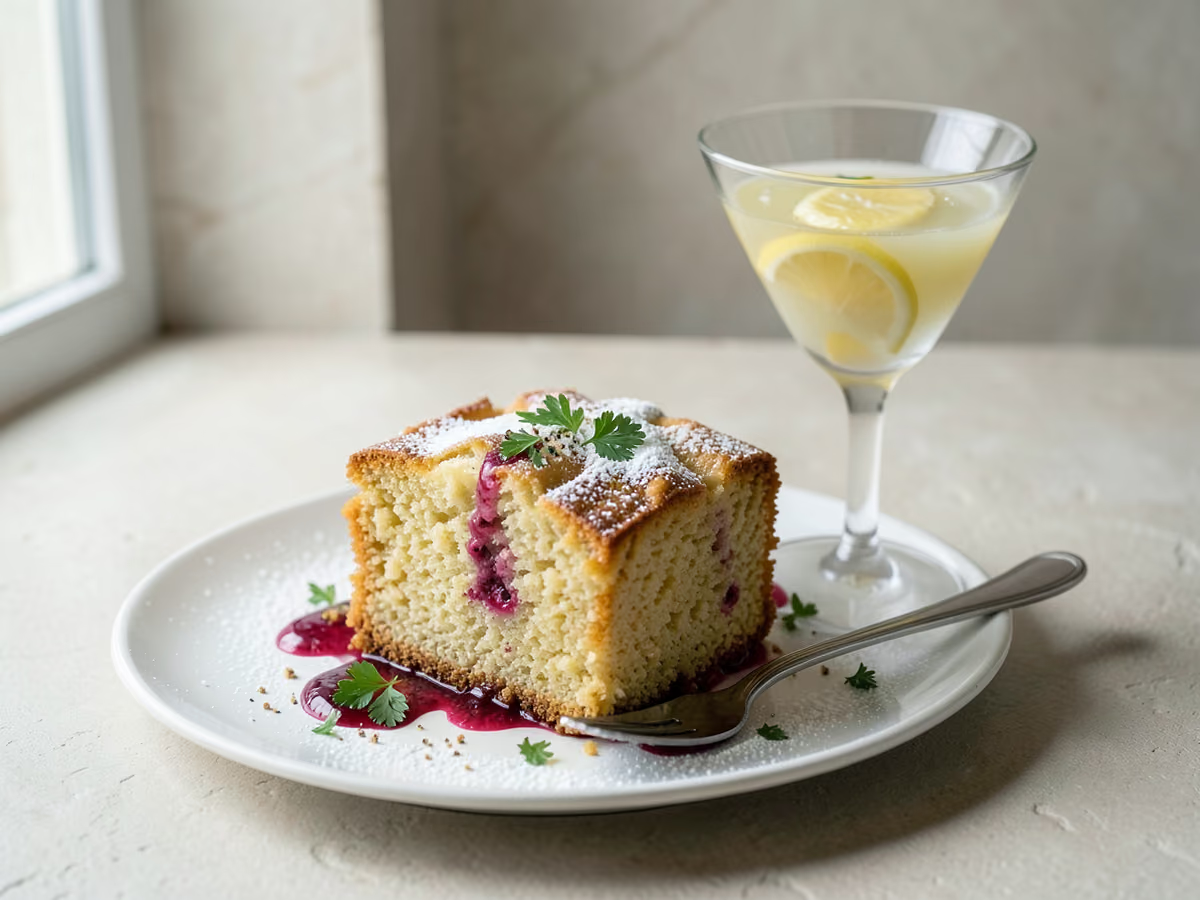
Brush or spoon the warm lemon syrup all over the cooled cake, letting it soak in and drip down the sides. Leave it to set for 20 minutes before slicing.
Kitchen notes
Kitchen notes
- The single biggest mistake is under-creaming the butter and sugar. Beat a full 4 to 5 minutes until the mixture is visibly pale and doubled in volume; this is what gives pound cake its fine, tender crumb.
- Room-temperature eggs and milk matter. Cold eggs seize the butter and make the batter look curdled, which bakes into a greasy, heavy cake. If you forgot to take them out, sit the eggs in warm water for 10 minutes.
- Stop mixing the moment the last of the flour disappears. Every extra stir develops gluten and turns the cake rubbery and tunnel-ridden.
- The syrup goes on while the cake is cool but the syrup is warm. Pouring hot syrup over a hot cake makes the crust soggy; cold syrup on a cold cake just sits on top instead of soaking in.
Substitutions
- whole milk→full-fat plain yogurt thinned with 2 tbsp water
- all-purpose flour→cake flour (use 280 g for a softer crumb)
- granulated sugar in the glaze→honey, whisked with the lemon juice off the heat
Storage & reheating
Keep the cake in an airtight container or wrapped tightly in plastic wrap at room temperature for up to 3 days, or in the fridge for up to 1 week. For longer storage, wrap individual slices in plastic wrap, then foil, and freeze for up to 3 months; thaw at room temperature for 2 hours. To refresh a slice, warm it in a 150°C oven for 5 minutes or microwave for 15 seconds.
FAQ
The questions we get asked most
Why did my lemon pound cake come out dry and crumbly?
Dry pound cake almost always means the batter was overmixed or the flour was measured too heavily. Spoon flour into the measuring cup and level it rather than scooping, and fold the flour in only until the last streaks disappear. Baking past the point where a skewer comes out clean also dries it out, so start checking at 55 minutes.
Can I use bottled lemon juice instead of fresh lemons?
You can use bottled juice for the glaze, but the zest is what carries the real lemon flavour and bottled juice has none. The zest rubbed into the sugar is the whole point of this cake, so use fresh lemons for at least the zest. If you only have bottled juice, add 1 tsp lemon extract to the batter to compensate.
My batter looked curdled after adding the eggs. Is it ruined?
No, it is fixable. Curdling happens when cold eggs hit the butter, or when the eggs are added too fast. Beat in 1 tbsp of the flour mixture to bring it back together, then continue adding the eggs slowly. Even a slightly curdled batter bakes fine as long as you fold in the flour gently.
How do I know when the pound cake is fully baked?
Insert a wooden skewer into the centre; it should come out with a few moist crumbs, not wet batter and not completely clean. The top should be golden and spring back when you press it lightly with a finger. If the top is browning too fast before the centre sets, tent it loosely with foil and keep baking.
Can I make lemon pound cake ahead of time?
Yes, and it actually tastes better the next day once the syrup has fully soaked in. Bake it, glaze it, and store it wrapped at room temperature overnight. If you want to make it further ahead, bake and freeze it unglazed, then thaw and add the syrup the day you serve it.
Why did my cake sink in the middle?
A sunken centre usually means the oven door was opened too early or the leavening was off. Keep the door closed for the first 45 minutes, and check that your baking powder is not older than 6 months. Underbaking also causes collapse, so do not pull the cake out before the skewer test passes.
Can I bake this in a bundt pan instead of a loaf pan?
Yes, a 23 cm bundt pan works well and gives more crust. Grease and flour it thoroughly, including every crevice, and start checking for doneness at 45 minutes since the batter is shallower. Let it cool in the pan for 20 minutes before turning out, or the cake may stick.
Ask KitchenMind about this recipe
Tell it what’s different tonight — it works within the actual recipe.