- Prep
- 20 min
- Cook
- 30 min
- Total
- 50 min
- Serves
- 4
Ingredients
What you’ll need — tap to tick off as you go
- 300 g
- 100 g
- 1 tsp
- 500 ml
- 1 tsp
- 150 g
- 2 tbsp
- 2 tbsp
- ½ tsp
- 1 tbsp
- 1 tsp
- ¼ tsp
- 150 g
- 2 tbsp
Process
Timers built in · swap anything · ask as you cook
Rinse the idli rice and urad dal separately in cold water until the water runs clear. Soak the rice in enough water for 4 hours. Soak the urad dal with fenugreek seeds in a separate bowl for 4 hours.
Drain the urad dal and fenugreek seeds, then grind in a blender with 100 ml of water to a smooth, fluffy batter. Transfer to a large bowl.
Drain the rice and grind with 200 ml of water to a slightly coarse, sandy texture. Mix the rice batter with the urad dal batter and 1 tsp salt. Add up to 200 ml more water to reach a thick pouring consistency. Cover and ferment in a warm place for 8–12 hours, until the batter rises and smells slightly sour.
For the sambar, rinse the toor dal and cook with 500 ml water and turmeric powder in a pressure cooker for 3 whistles or in a pot until soft and mushy. Set aside.
In a separate pot, combine tamarind paste, sambar powder, and 300 ml water. Bring to a boil, then add the mixed vegetables if using. Simmer for 10 minutes until vegetables are tender.
Add the cooked toor dal to the tamarind mixture, season with salt to taste, and simmer for 5 minutes. Adjust consistency with water if too thick.
For tempering, heat vegetable oil in a small pan. Add mustard seeds and let them splutter. Add dried red chilies, curry leaves, and asafoetida. Pour this tempering over the sambar and stir. Garnish with coriander leaves.
Grease idli plates with a little oil. Pour the fermented batter into the molds, filling them three-fourths full. Steam in a steamer or pressure cooker without the weight for 10–12 minutes, until a toothpick inserted comes out clean.
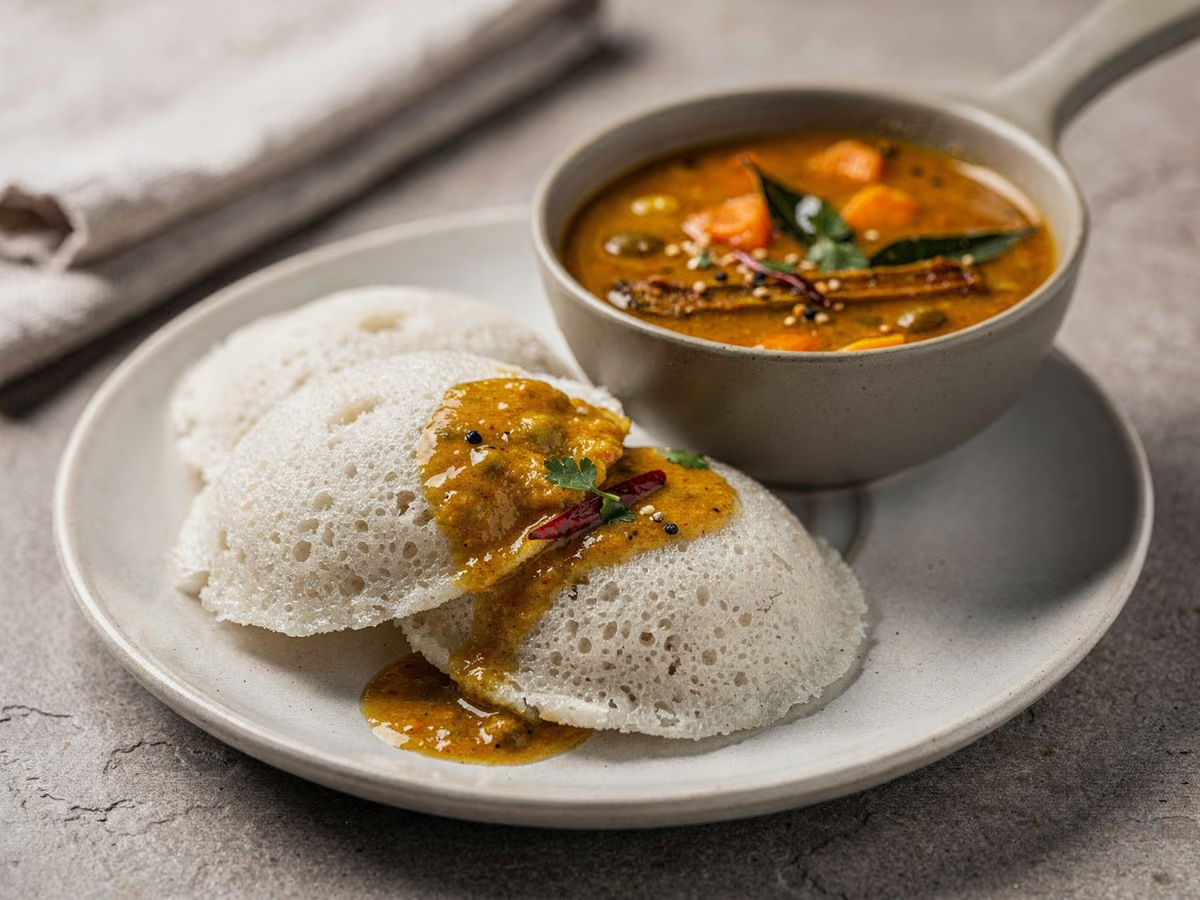
Let the idlis cool for 2 minutes, then remove with a spoon. Serve hot with sambar.
Kitchen notes
Kitchen notes
- The most common mistake is under-fermenting the batter. In cold weather, place the batter in a warm spot (like an oven with the light on) or add a few fenugreek seeds to help fermentation. The batter should double in volume and have a pleasant sour aroma.
- Grind the urad dal to a very smooth, fluffy paste and the rice to a slightly coarse texture. This ratio gives soft idlis. If the batter is too thick, idlis will be hard; if too thin, they will be flat.
- Steam the idlis immediately after pouring the batter into the molds. Do not let the batter sit in the molds for long, or the idlis will not rise properly. Also, do not overfill the molds.
- To check if the sambar is done, the dal should be completely soft and the raw smell of tamarind should be gone. Adjust salt and spice at the end.
Substitutions
- idli rice→ponni boiled rice or sona masoori rice
- urad dal→split black gram without skin
- tamarind paste→1 lemon-sized ball of tamarind soaked in warm water, extracted
- sambar powder→1 tbsp coriander powder + 1 tsp red chili powder + 1/2 tsp cumin powder
- toor dal→masoor dal or moong dal
Storage & reheating
Store leftover idlis in an airtight container in the refrigerator for up to 2 days. To reheat, steam them for 5 minutes or microwave covered with a damp paper towel for 30 seconds. Sambar can be stored in the refrigerator for up to 4 days; reheat on the stovetop over medium heat until simmering, adding a little water if needed. The fermented batter can be kept in the refrigerator for up to 1 week; bring to room temperature before steaming.
FAQ
The questions we get asked most
Why are my idlis hard and flat?
Hard idlis usually mean the batter did not ferment enough or the rice-to-dal ratio was off. Ensure the batter doubles in volume and has a sour smell. Also, grind the urad dal until fluffy and the rice slightly coarse. Steam immediately after filling the molds.
Can I make idli batter without fenugreek seeds?
Yes, you can omit fenugreek seeds, but they help with fermentation and give a softer texture. If you skip them, ferment the batter a bit longer and keep it in a warm place. The idlis will still be good but slightly less fluffy.
How do I know when the sambar is ready?
The sambar is ready when the dal is completely soft and the raw tamarind smell has disappeared. The vegetables should be tender, and the consistency should be like a thick soup. Taste and adjust salt and spice before serving.
Can I use canned or frozen vegetables in sambar?
Yes, you can use frozen mixed vegetables. Add them directly to the simmering tamarind mixture and cook until heated through, about 5-7 minutes. Canned vegetables are already cooked, so add them at the end and simmer for 2 minutes.
Why did my idli batter not ferment?
Fermentation depends on temperature. In cold weather, place the batter in a warm spot, such as an oven with the light on, or wrap the bowl in a warm towel. You can also add a pinch of baking soda just before steaming if the batter hasn't risen, but avoid overdoing it.
Can I freeze idli batter or cooked idlis?
Cooked idlis freeze well for up to 1 month. Wrap them individually in plastic wrap and store in a freezer bag. Reheat by steaming or microwaving. Idli batter can be frozen for up to 1 month, but fermentation stops; thaw in the refrigerator and let it sit at room temperature for a few hours before steaming.
How do I make sambar less spicy?
Reduce the amount of sambar powder and dried red chilies. You can also add a tablespoon of coconut milk or a boiled potato to mellow the heat. Adjust tamarind for tanginess and salt to balance.
Ask KitchenMind about this recipe
Tell it what’s different tonight — it works within the actual recipe.