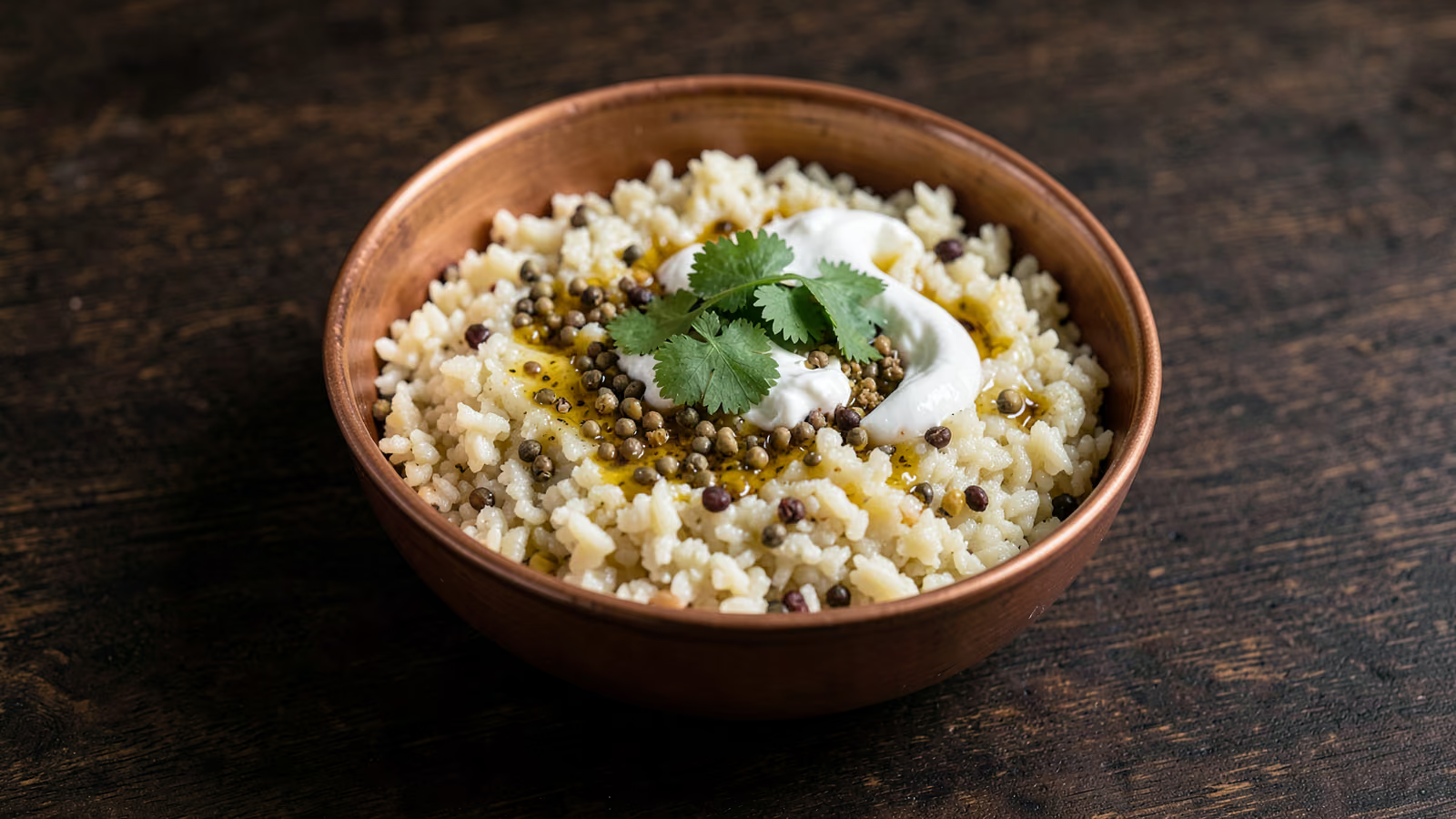
Bisibele Bath
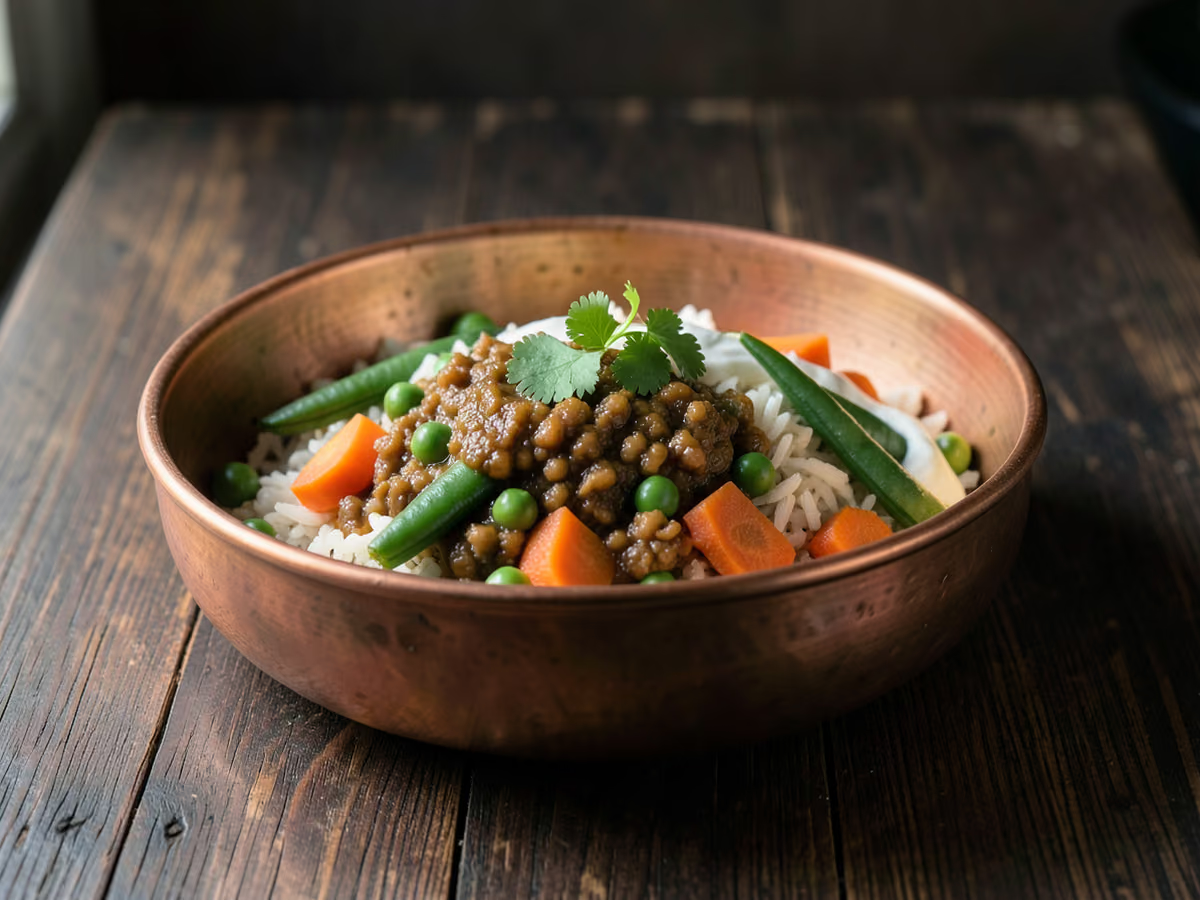
Bisi Bele Bath — also written bisibele bath, and known in Kannada as ಬಿಸಿ ಬೇಳೆ ಭಾತ್, which translates as hot lentil rice — is Karnataka's beloved one-pot dish: 200 g of rice and 150 g of toor dal cooked until soft with carrot, green beans, green peas and potato, soured with tamarind, and seasoned by a spice blend roasted and ground fresh for the pot. A ghee tempering of mustard seeds, curry leaves and cashews finishes it, and crunchy boondi goes on top. Prep is about 20 minutes; the stove does the rest in 40.
- Prep
- 20 min
- Cook
- 40 min
- Total
- 75 min
- Additional time
- 15 min
- Serves
- 4
Ingredients
What you’ll need — tap to tick off as you go
- 200 g
- 150 g
- 2 tbsp
- 100 g
- 100 g
- 3 tbsp
- 1 tbsp
- 1 tbsp
- 1 tbsp
- ½ tsp
- ½ tsp
- 1 pinch
- 1 tsp
- 20 g
- 30 g
- 1 ½ tsp
- 1 ¼ l
Process
Timers built in · swap anything · ask as you cook
Rinse the 200 g of rice and the 150 g of toor dal separately under cold water until it runs clear, then soak the dal in 300 ml of the water for 15 minutes. The rinse washes off surface starch that would otherwise make the finished pot gluey, and the soak gives the dense dal a head start so it softens in step with the rice.
Warm 2 tbsp of the ghee in a small pan over medium heat, then add the 1 tbsp chana dal, 1 tbsp urad dal, 1 tbsp coriander seeds, 4 dried red chillies, 0.5 tsp fenugreek seeds, the cinnamon stick, 3 cloves and 2 cardamom pods. Fry for 2 to 3 minutes, until the dals turn golden and the spices smell toasted; do not let them darken, or the whole pot turns bitter.
Spread the fried spices out on a plate and let them cool completely — warm spices steam in the grinder and clump. Grind them to a fine powder in a spice grinder or blender and set it aside. Take a moment to smell the powder: a sweet, toasted, gently smoky blend is what the pot needs, and it is your last chance to catch a scorched batch.
In a large pot, combine the soaked toor dal, its soaking water, the rice, the carrot, 100 g of green beans, 100 g of green peas, the potato, 0.5 tsp of turmeric, 1 pinch of asafoetida and 600 ml water. Bring to a boil, then cover, turn the heat to low and simmer for 20 to 25 minutes, until the rice and dal are soft and mash easily against the pot's side.
Stir in the 2 tbsp tamarind paste, the ground spice blend and 1.5 tsp of the salt. Add up to 300 ml more hot water — the mixture should be pourable, like a thick porridge — then simmer it uncovered for 5 minutes, stirring often and scraping the base so nothing sticks. This short simmer is what marries the raw spice powder and the tamarind into the pot.
For the tempering, melt the remaining 1 tbsp of ghee in a small pan over medium heat. Add the 1 tsp mustard seeds and wait about 30 seconds for them to pop, then add the 10 curry leaves and the 20 g of cashews and fry for 30 seconds more, until the cashews turn golden and the leaves crisp. Keep the flame moderate — smoking ghee tastes acrid.
Pour the sizzling tempering over the pot, scraping the pan so every bit of ghee and all the cashews go in, and stir it through. Taste and adjust the salt, ladle into bowls and top with the 30 g of boondi, if using. Serve immediately — the name translates as hot lentil rice, and bisi bele bath is best steaming and still flowing.
Why this recipe works
Two details set bisi bele bath apart from its plainer cousins: the roasted spice blend and the finish. Frying the dals, coriander, chillies and whole spices in ghee before grinding drives off moisture and browns the dals, and that browning is where the blend's deep, toasted aroma comes from — under-toast it and the dish tastes flat, scorch the fenugreek and it turns bitter. Simmering the rice and toor dal until both break down releases their starch, which is what gives the pot its thick, spoon-coating body. The tempering goes in at the very end, so the mustard, the curry leaves and the cashews keep their perfume instead of simmering away. Tamarind and ghee then balance the heat.
Equipment
- Heavy-bottomed pot or Dutch oven, 4 to 5 liters, with a tight lid — it must hold the rice, the dal and the vegetables at once, and a thick base keeps the final uncovered simmer from catching
- Small frying pan, for roasting the spice blend and for the final tempering
- Spice grinder or blender, for turning the cooled blend into a fine powder
- Wooden spoon or heatproof spatula, for stirring the thickening mixture right down to the base
- Measuring cups and spoons, for the blend's small measures and the 1.2 liters of water
- Chef's knife and cutting board, for cutting the vegetables into even 2 cm pieces
- Small bowl, for soaking the tamarind if you are starting from a block instead of paste
Kitchen notes
Kitchen notes
- Make the blend in a double or triple batch: it keeps for about a month in a clean, dry airtight jar, and having it ready turns this into a 40-minute weeknight pot. Use a dry spoon every time — a damp one cakes the powder and shortens its life.
- Slurry the powder before it goes in: whisk the ground blend with a ladleful of hot liquid from the pot, or with the tamarind water, and pour that in. It disperses evenly instead of sitting in lumps at the bottom of the pot.
- Fresh or frozen curry leaves only — dried curry leaves taste like hay and never crisp in the ghee. If you cannot find them, the tempering still works; it just loses its green top note.
- Pass the boondi at the table instead of stirring it in: dropped into the hot pot, the pearls soften within a minute, and the point of boondi is the crunch against the soft, tangy mixture. Keep a small bowl on the side and add a spoonful to each serving.
- Finish like a tiffin centre: a final drizzle of ghee over each bowl as it goes out, with the boondi on top. In Bengaluru and Mysuru restaurants, that last spoon of ghee is what makes a good pot taste like the classic one.
Common mistakes
- Bitter, medicinal pot: the blend was fried past golden or the fenugreek scorched, and once it is in there is no rescue — prevent it with medium heat, 2 to 3 minutes, and off the flame the moment the dals color. If the finished dish is only faintly bitter, 1 tsp of jaggery or a tablespoon of ghee stirred in rounds it off.
- Gluey, stiff mass: too little water for the amount of rice and dal, or a hard boil after they softened. Keep the pot looser than looks right, top it up with hot water rather than cold, and hold the simmer at a lazy bubble until everything breaks down.
- The base catches and scorches during the final simmer: the thickened mixture is heavy and settles. Stir down to the base every minute or two over low heat, and if a patch does catch, leave it undisturbed and finish over a smaller flame — scraping it in turns the pot bitter.
- Mushy, washed-out vegetables: they were cut smaller than the 2 cm pieces, or a delicate addition went in at the start. Keep everything at an even 2 cm, and hold quick-cooking greens like spinach for the last 5 minutes of the simmer.
- Flat, dull flavor: the blend was made with pre-ground spices or under-toasted dals, or the pot was simply under-salted. Toast whole spices to order and season at the end while the mixture is still pourable — the blend and the tamarind both taste muted in an under-salted pot.
- Over-soured pot: tamarind paste strength varies a lot between brands, and a heavy pour of a concentrated one overwhelms everything. Start with the 2 tbsp, taste after the 5-minute simmer, and if it is already sharp, a teaspoon of jaggery or a spoon of ghee softens the edge without hiding the tang.
Serving suggestions
- Serve it hot — the name means hot lentil rice — in warmed bowls, topped with boondi and a drizzle of ghee, with fried papad or potato chips alongside.
- The classic cool counterpoint: a spoon of raita or plain yogurt on the side, and cucumber or onion slices with lemon; the dairy and the crunch balance the tamarind and the spice.
- In Karnataka it is an all-day dish — breakfast, tiffin box or dinner. Take it to work in a thermos and loosen it with a little hot water before eating.
- For a spread, add something fresh and crisp next to the soft, rich pot: a simple Karnataka kosambari salad, or just sliced onions with lemon.
Variations
- Electric pressure cooker version: put the rinsed rice, the soaked toor dal with its soaking water, the vegetables, turmeric and asafoetida in the pot with 600 ml more water, cook at high pressure for 8 minutes and let the pressure release fully on its own; then stir in the tamarind, the ground blend and the salt and simmer on the saute setting for 5 minutes to marry everything.
- Vegetable-loaded swaps: cauliflower florets, chopped bell pepper, spinach or small pieces of pumpkin all work in place of, or alongside, the usual four; keep the total at roughly 300 g and add quick-cooking greens like spinach in the last 5 minutes so they stay bright.
- Vegan bisi bele bath: use sunflower or coconut oil in place of the ghee throughout — the dish is otherwise free of dairy; the finish is less rich, so the cashews in the tempering matter more.
- Avalakki version: around Karnataka the dish is also made with thick poha in place of the rice, often for fasting days; swap in the same 200 g of thick aval, add it late so it does not collapse, and keep the tempering as it is.
Refrigerator
- RefrigeratorCool it promptly — spread it into shallow containers so it stops steaming quickly — and refrigerate within 2 hours. It keeps for up to 3 days, and it sets to a stiff, spoonable mass when cold; that is normal, not a fault.
- ReheatingReheat gently in a saucepan over medium heat, adding 100 to 150 ml of hot water per portion and stirring until it flows like a thick porridge again, then bring it to a steady simmer (74°C, per USDA reheat guidance). Never add cold water — it makes the texture gluey — and do not boil hard, or the rice breaks down further.
- FreezingNot recommended for the pot as a whole — the vegetables soften to mush on thawing. If you must, portion it into freezer containers for up to 1 month, thaw overnight in the refrigerator and reheat with extra hot water, expecting softer vegetables.
- Make aheadThe spice blend can be made up to a month ahead and kept in an airtight jar, and the dish itself reheats well the next day. Cook it fully, cool it fast and refrigerate; do not hold it warm for hours.
Updated:
How this recipe was developed
- Wikipedia, Bisi Bele Bhat — the dish's Karnataka identity: a Mysore Palace origin story, the Kannada name meaning hot lentil rice, and traditional service with boondi, papad, chutney or potato chips.
- Swasthi's Indian Healthy Recipes, Bisi Bele Bath — roasting the spice blend on medium-low heat until the dals color without burning, mixing the ground powder with the tamarind water to avoid lumps, mashing the dal for a creamy texture, and loosening a thick pot with boiling water plus ghee.
- Subbu's Kitchen, Bisi Bele Bath and its electric pressure-cooker version — the Karnataka-style blend with its warm spices, the 8-minute high-pressure cook with full natural release, serving hot with boondi or potato chips, and adjusting the rice-to-liquid ratio so the pot stays semi-solid.
- USDA FSIS, Leftovers and Food Safety — cool food rapidly in shallow containers, refrigerate within 2 hours, keep leftovers 3 to 4 days refrigerated, and reheat to 74°C.
Editorial references are kept internally for verification. This page makes no claim of external certification or professional testing.
FAQ
The questions we get asked most
What is bisi bele bath made of?
At its core: rice and toor dal simmered until soft, loaded with vegetables — this version uses carrot, green beans, green peas and potato — soured with tamarind and seasoned by a spice blend roasted and ground from chana dal, urad dal, coriander seeds, dried red chillies, fenugreek, cinnamon, cloves and cardamom. Mustard seeds, curry leaves and cashews go in as a ghee tempering, and boondi and papad are the traditional toppings. It is also called bisi bele huli anna, it is said to have originated in the Mysore Palace kitchens, and it contains no onion or garlic — the asafoetida does that savory work. It is vegetarian as written, and vegan if you trade the ghee for oil; for a gluten-free kitchen, check that your asafoetida is a gluten-free type, since compounded versions often include wheat flour.
Is bisi bele bath the same as sambar rice?
They are close cousins, not the same dish. Both mix rice, lentils and vegetables, but sambar rice — sambar sadam or kadamba sadam in Tamil Nadu — is built on a coriander-and-pepper sambar powder, with vegetables like drumstick and brinjal, while bisi bele bath's own blend leans on roasted dals with cinnamon, cloves and cardamom, and it is finished with boondi and a ghee tempering. Bisi bele bath is the Karnataka classic; the sambar-rice family belongs to Tamil Nadu.
How is bisi bele bath different from khichdi?
Khichdi is the plainer ancestor: rice and usually moong dal cooked soft with salt and a simple tempering. Bisi bele bath shares the soft, spoonable texture, but that is where the resemblance ends — it is soured with tamarind, packed with vegetables, and seasoned by a roasted blend of dals, coriander and warm spices, then topped with boondi and cashews. Think of it as khichdi's more elaborate, tangier Karnataka relative.
Why did my bisi bele bath turn bitter?
Bitterness almost always comes from the spice blend: the dals or the fenugreek were fried past golden. Medium heat, 2 to 3 minutes, and out of the pan the moment the dals color is the whole trick. If the finished pot is only faintly bitter, 1 tsp of jaggery or a tablespoon of ghee stirred in rounds it off; if the blend smells acrid, grind a fresh batch — it takes only minutes to make.
Can I make bisi bele bath without tamarind?
Yes. Replace the 2 tbsp of tamarind paste with 1 tbsp of lemon juice plus 1 tsp of jaggery or sugar, added at the end of cooking. The tang lands brighter and less deep, and the jaggery keeps the sweet-sour balance. Do not add the lemon early — simmered for long, it tastes flat.
Can I use a pressure cooker or an electric pressure cooker for bisi bele bath?
Yes, and it is how many Karnataka kitchens make it on a weeknight. Pressure-cook the rinsed rice, the soaked toor dal, the vegetables, turmeric and asafoetida with 800 ml of the water for 3 whistles on medium heat, let the pressure release naturally, then open the pot and stir in the tamarind, the ground spice blend and the salt and simmer uncovered for 5 minutes to finish. An electric pressure cooker needs about 8 minutes at high pressure with a full natural release for the same mixture. Either way, the tempering goes on at the end.
How do I fix bisi bele bath that is too thick or too dry?
Loosen it with hot water, never cold. Bring a little water to a simmer — a kettle works — and stir it in a spoonful at a time over low heat until the texture flows like a thick porridge again; 100 to 150 ml is usually enough for a portion. A teaspoon of ghee added with the water helps it loosen smoothly. Cold water makes the starch seize and the texture gluey, which is why it is the one thing to avoid.
Ask KitchenMind about this recipe
Tell it what’s different tonight — it works within the actual recipe.