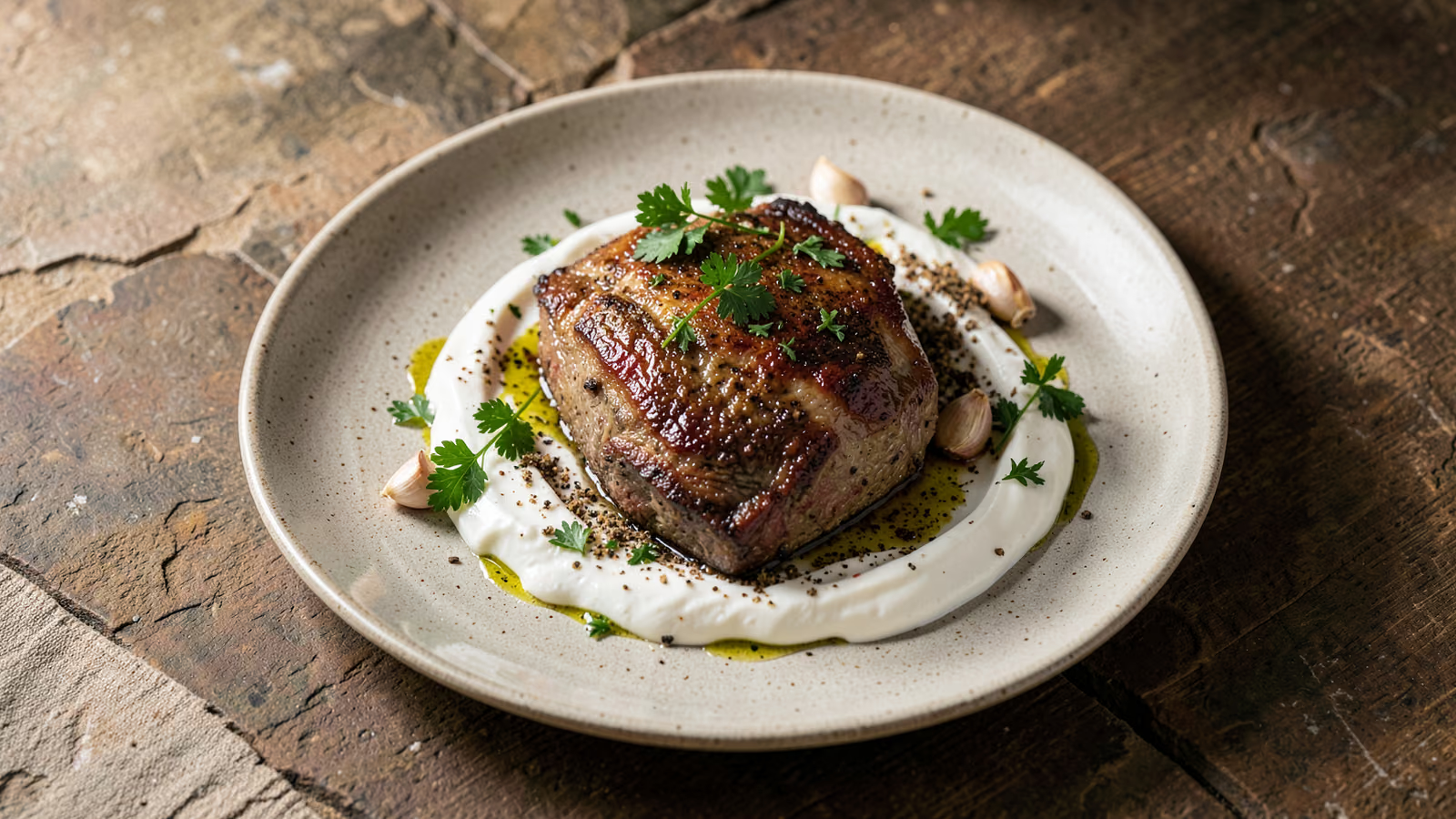
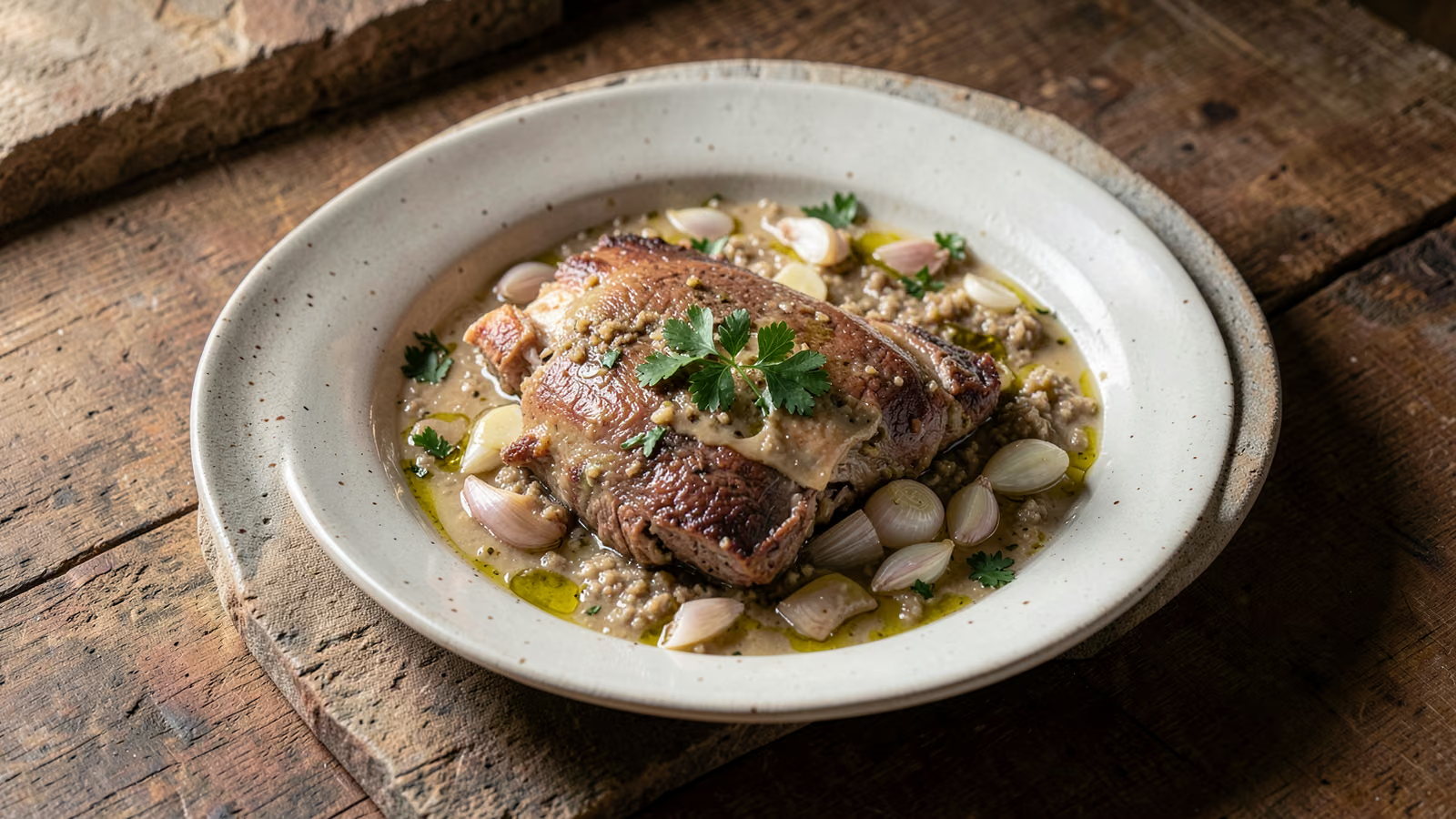
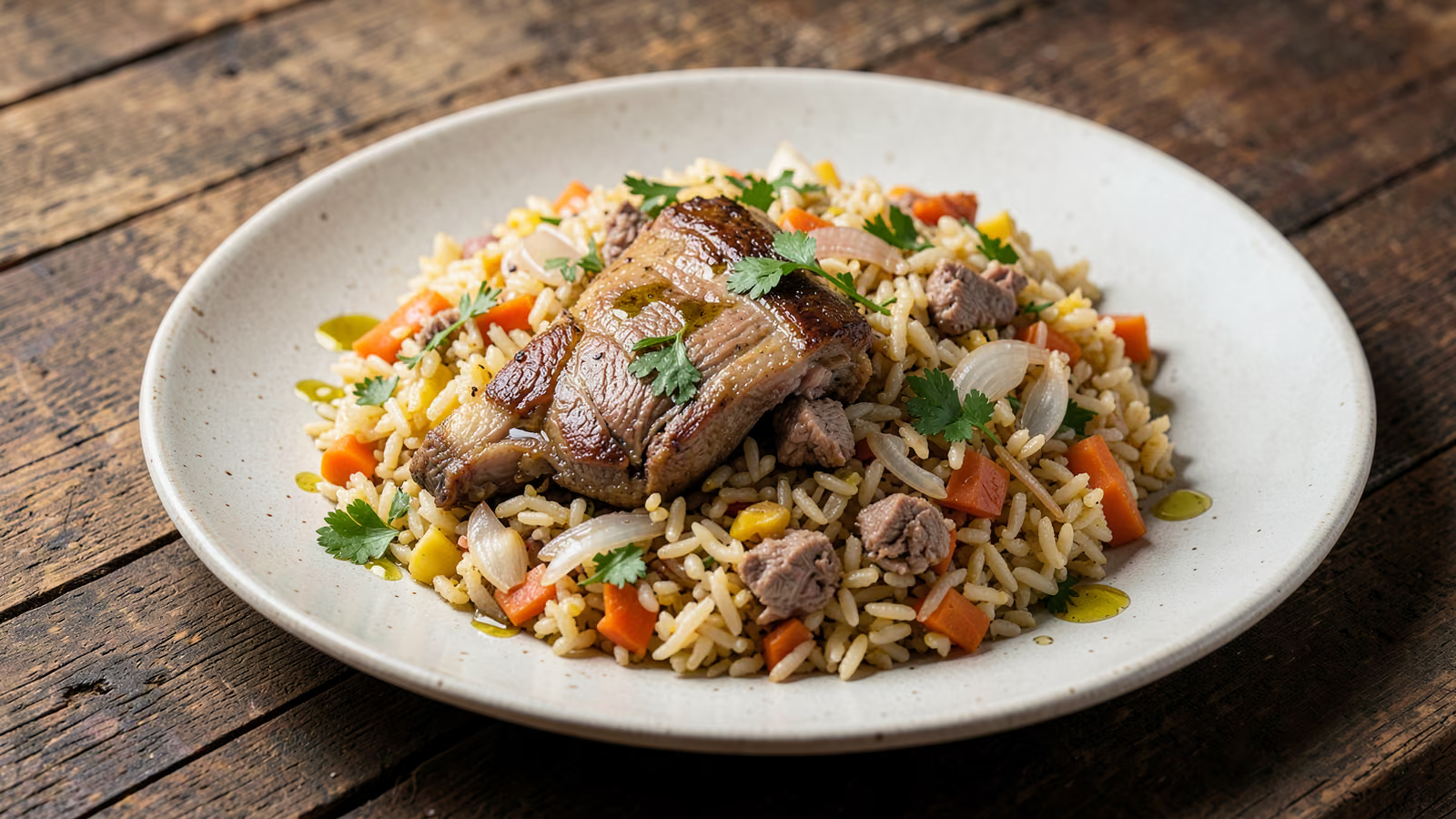
Lamb Mandi
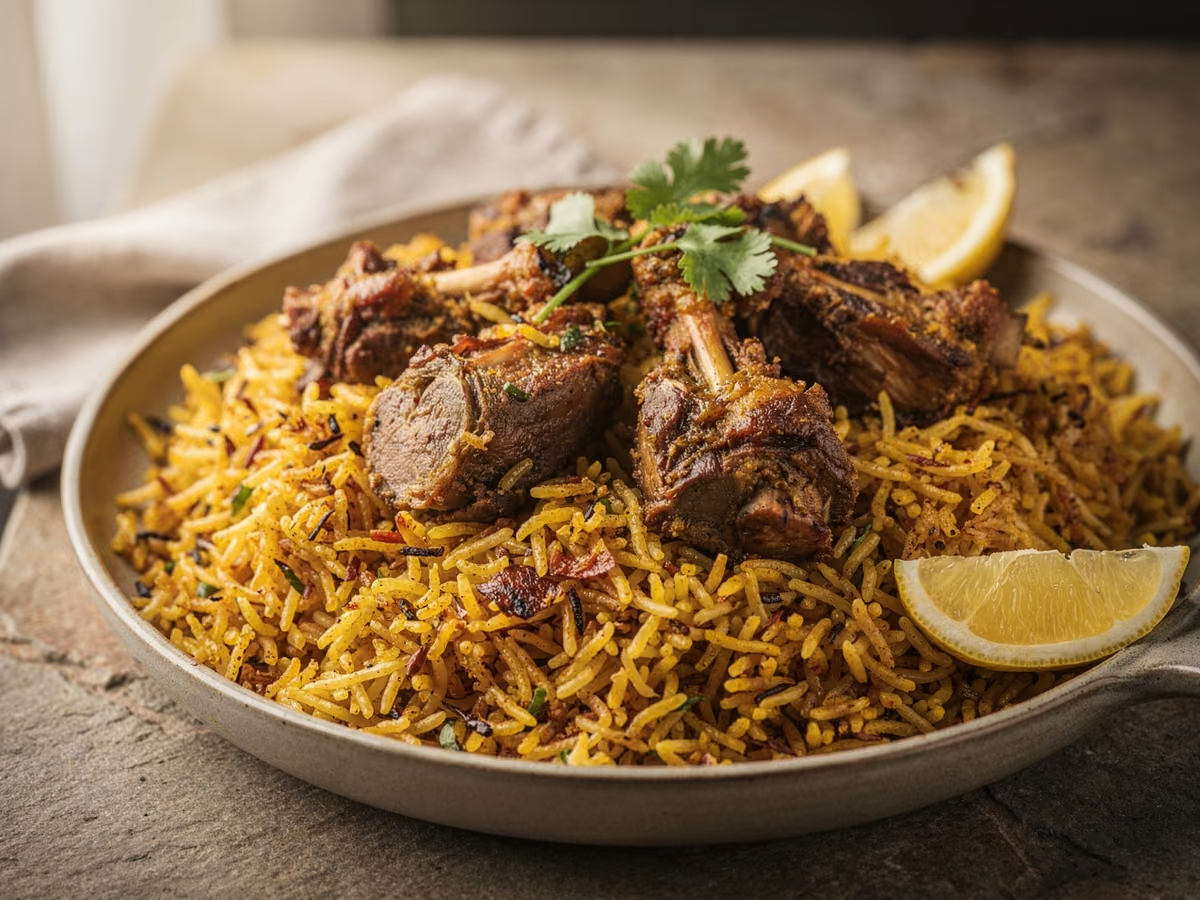
Lamb mandi: shoulder and basmati rice cooked with cardamom, cloves, cinnamon, cumin, coriander and turmeric, then topped with almonds and raisins. Serves 6.
- Prep
- 30 min
- Cook
- 150 min
- Total
- 180 min
- Serves
- 6
Ingredients
What you’ll need — tap to tick off as you go
- 1 ½ kg
- 500 g
- 6 cloves
- 1 tsp
- 2 tsp
- 2 tsp
- 1 tsp
- 2 tsp
- 2 tbsp
- 1 ½ l
- 60 g
- 40 g
Process
Timers built in · swap anything · ask as you cook
Pat the lamb shoulder dry with paper towels. Rub it all over with the ground cumin, ground coriander, ground turmeric, and 1 tsp of the salt.
Heat the olive oil in a large heavy pot over medium-high heat. Sear the lamb on all sides until deeply browned, about 4 minutes per side. Remove the lamb and set aside.
Add the onion, garlic, bay leaves, cardamom pods, cloves, cinnamon stick, and black peppercorns to the pot. Cook for 2 minutes until fragrant.
Return the lamb to the pot, add the water, and bring to a boil. Reduce the heat to low, cover, and simmer gently for 90 minutes, until the lamb is tender and a knife slides in with little resistance.
Transfer the lamb to a plate and strain the cooking liquid into a bowl, discarding the solids. You should have about 1 litre of broth. Skim off any excess fat.
Rinse the soaked basmati rice and drain well. In a wide pot, combine the rice with 750 ml of the reserved broth and 1 tsp salt. Bring to a boil, then reduce heat to low, cover, and cook for 10 minutes until most of the liquid is absorbed.
Place the lamb on top of the partially cooked rice. Drizzle with 100 ml of the remaining broth, cover tightly, and cook on low for 25 minutes without lifting the lid.
Turn off the heat and let the pot rest, covered, for 10 minutes. Fluff the rice with a fork and transfer to a serving platter. Top with the lamb, then scatter over the toasted almonds and raisins if using.
Kitchen notes
Kitchen notes
- The most common mistake is lifting the lid while the rice steams under the lamb. Every time you open the pot, you release the steam that cooks the rice evenly, resulting in crunchy grains. Keep it closed until the resting time is over.
- Sear the lamb properly before simmering. This builds the deep browned flavour that makes mandi taste authentic, and it also renders some fat so the final dish is not greasy.
- The rice is done when the grains are tender but still separate and the liquid is fully absorbed. If there is still liquid at the bottom after 25 minutes, cook uncovered for 3 to 5 minutes on low.
- Use a heavy pot with a tight-fitting lid. A thin pot loses steam and the rice will not cook through. If your lid is loose, place a sheet of foil over the pot before putting the lid on.
Substitutions
- lamb shoulder→lamb leg or bone-in goat shoulder
- basmati rice→long-grain rice such as jasmine, though basmati is preferred
- almonds→pine nuts or cashews
- raisins→dried apricots, chopped
Storage & reheating
Store leftovers in an airtight container in the refrigerator for up to 3 days. To reheat, place the lamb and rice in a covered oven-safe dish with a splash of water or broth, and warm at 160°C for 15 to 20 minutes, until steaming hot. You can also freeze the lamb and rice separately for up to 2 months; thaw overnight in the fridge before reheating.
FAQ
The questions we get asked most
Why is my mandi rice crunchy or undercooked?
Crunchy rice usually means too little liquid or too much steam escaping. Make sure the rice is soaked for 30 minutes before cooking, use the full 750 ml of broth for the first stage, and keep the lid tightly closed during the final 25 minutes. If the rice is still firm after resting, add 60 ml hot broth, cover, and cook on low for 5 more minutes.
Can I make lamb mandi ahead of time?
Yes. You can braise the lamb up to 2 days ahead and store it in its broth in the fridge. The day of serving, skim the fat, reheat the lamb in the broth, and cook the rice fresh. This actually improves the flavour because the spices have more time to penetrate the meat.
How do I know when the lamb is tender enough?
The lamb is ready when a skewer or thin knife pierces the thickest part with almost no resistance, and the meat pulls away from the bone easily. If it still feels tight, simmer for another 15 minutes and check again. Overcooking is hard to do with shoulder, so err on the side of longer.
Can I use a slow cooker or pressure cooker for the lamb?
Yes. For a slow cooker, sear the lamb on the stove first, then cook on low for 6 to 7 hours with the spices and 500 ml water. For a pressure cooker, brown the lamb, add 750 ml water and spices, and cook at high pressure for 45 minutes. Then proceed with the rice as written, using the strained broth.
What can I use instead of lamb shoulder?
Bone-in lamb leg or goat shoulder both work well and are traditional alternatives. If using leg, reduce the simmering time to about 75 minutes because it is leaner. Chicken thighs or a whole chicken can also be used; simmer for only 30 minutes before steaming with the rice.
Why did my rice turn out mushy?
Mushy rice comes from too much liquid or cooking it too long after the lamb is added. Measure the broth carefully: 750 ml for 500 g of soaked rice. Also, do not stir the rice while it steams, and let it rest off the heat for 10 minutes before fluffing. If it is already mushy, spread it on a tray and let it dry in a 120°C oven for 5 minutes.
Is lamb mandi gluten-free and dairy-free?
Yes, this recipe as written contains no wheat, barley, rye, dairy, or gluten-containing ingredients. However, always check your spice blends and broth labels for hidden gluten or dairy additives. The optional almonds and raisins are naturally gluten-free and dairy-free.
Ask KitchenMind about this recipe
Tell it what’s different tonight — it works within the actual recipe.