Margherita Flatbread
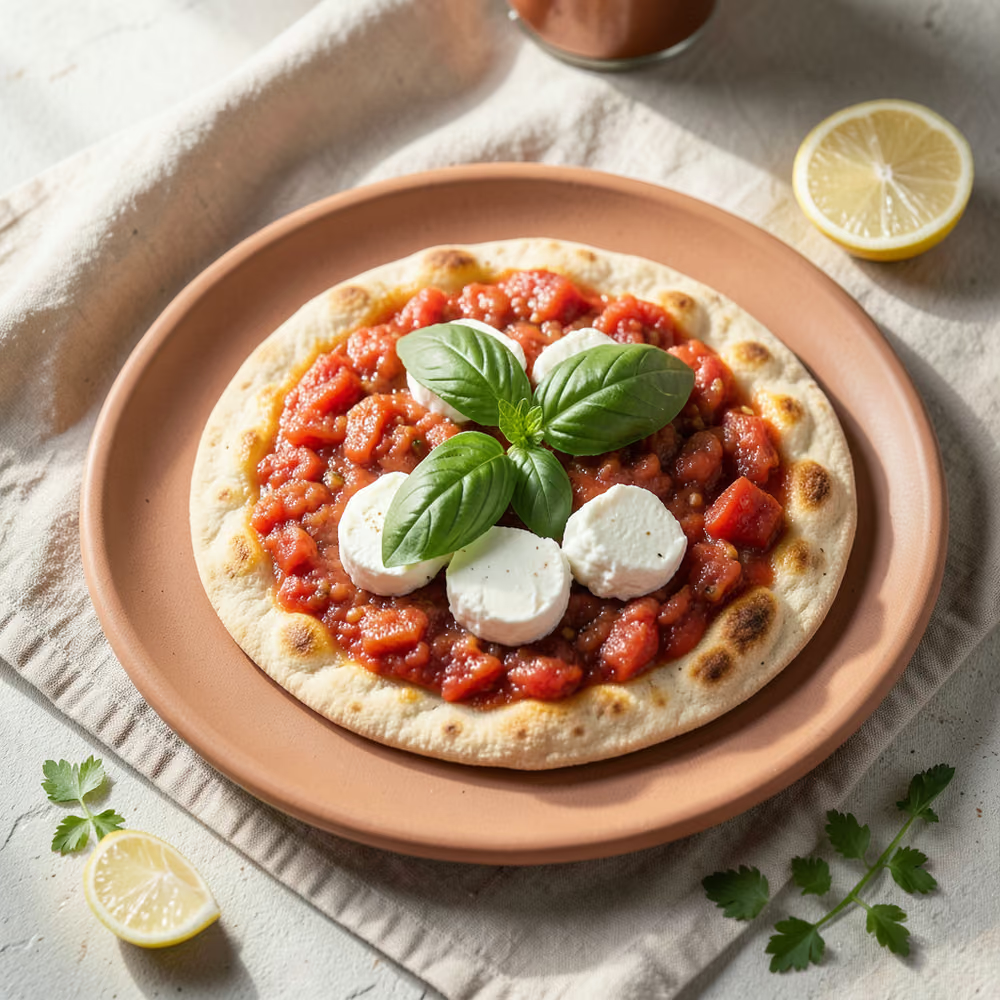
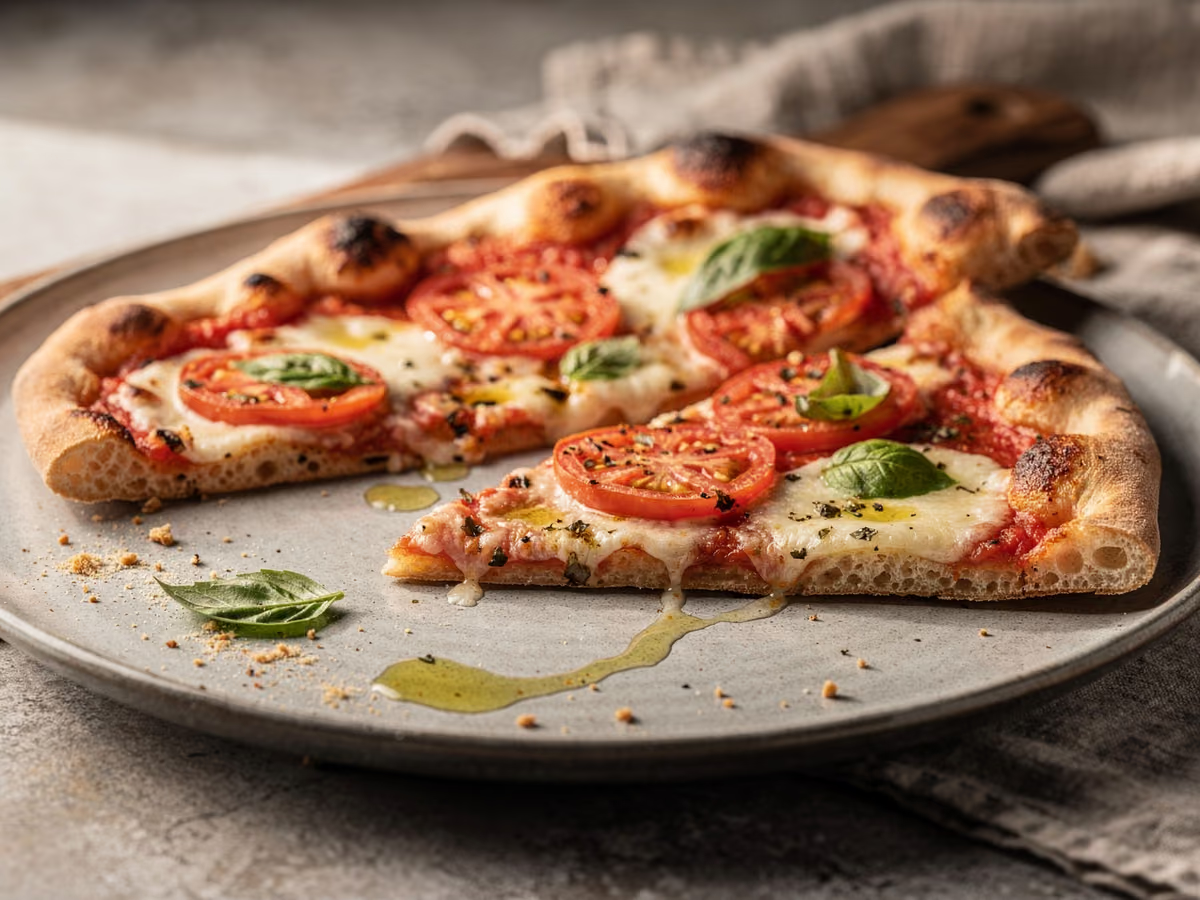
Margherita flatbread is the tomato, mozzarella and basil classic built on ready-made flatbreads: 4 pieces, 200 g of crushed tomatoes, 250 g of fresh mozzarella and 10 g of basil, on the table in about 15 minutes of hands-on work. A fully preheated 240°C baking surface crisps each base in 8 to 12 minutes while the cheese melts into bubbling pools, and the basil goes on fresh the moment it leaves the oven. With no dough to mix, stretch or prove, it is the dinner shortcut worth keeping in rotation — quick, vegetarian and crisp.
- Prep
- 15 min
- Cook
- 12 min
- Total
- 27 min
- Serves
- 4
Ingredients
What you’ll need — tap to tick off as you go
- 200 g
- 250 g
- 10 g
- 2 tbsp
- 1 clove
- ½ tsp
- ¼ tsp
Process
Timers built in · swap anything · ask as you cook
Preheat the oven to 240°C with a baking sheet or pizza stone inside for at least 15 minutes. The flatbreads crisp on contact, so the surface itself has to be fully hot: on a cold sheet the base steams and turns pale and leathery instead of golden, and there is no spare time in a 12-minute bake to make up for it.
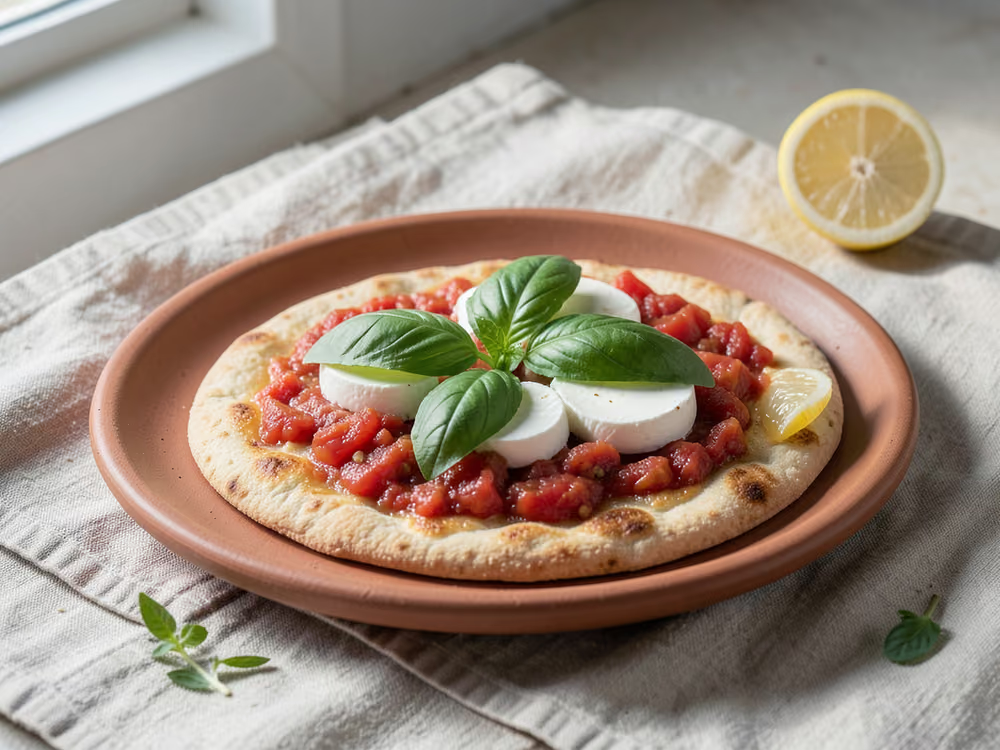
In a small bowl, stir the 200 g canned crushed tomatoes with the grated garlic if using, 1 tbsp of the olive oil, the 0.5 tsp salt and the 0.25 tsp black pepper. Let the mixture stand while the oven finishes heating: a few minutes lets the salt dissolve and the garlic flavour mellow into the oil, so the sauce tastes seasoned rather than raw.
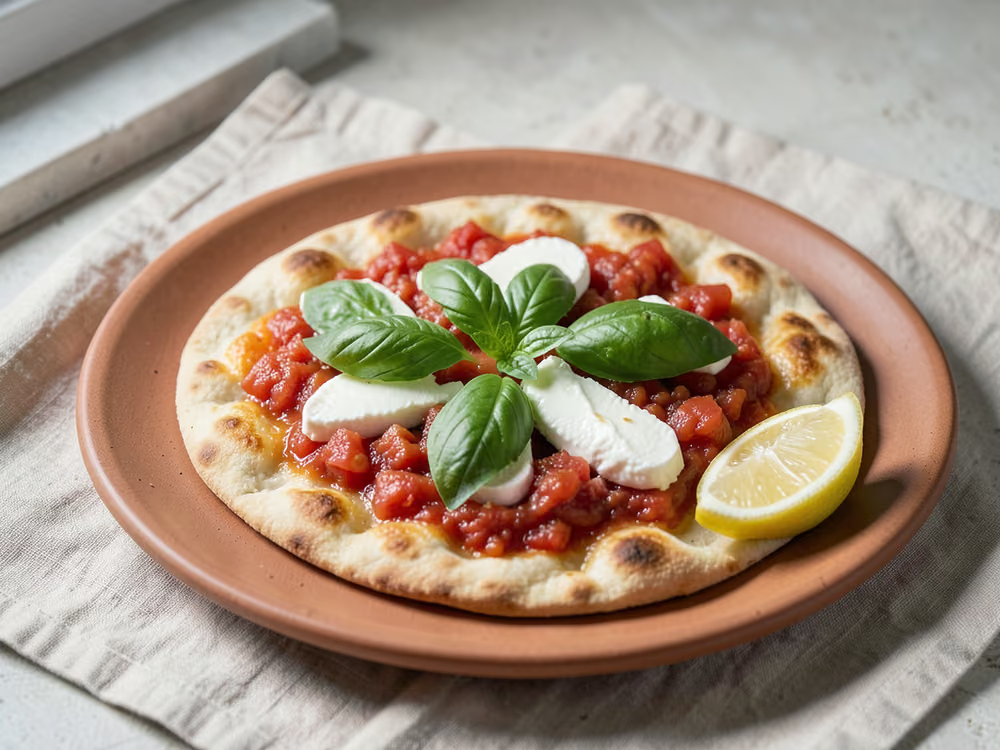
Pat the 250 g fresh mozzarella dry with paper towels and tear it into bite-sized pieces, letting any milky liquid drain away as you work. The cheese is about half water by weight, and tearing it gives more surfaces for that water to escape from; dry, loosely torn pieces are what keep the middle of the flatbread crisp.
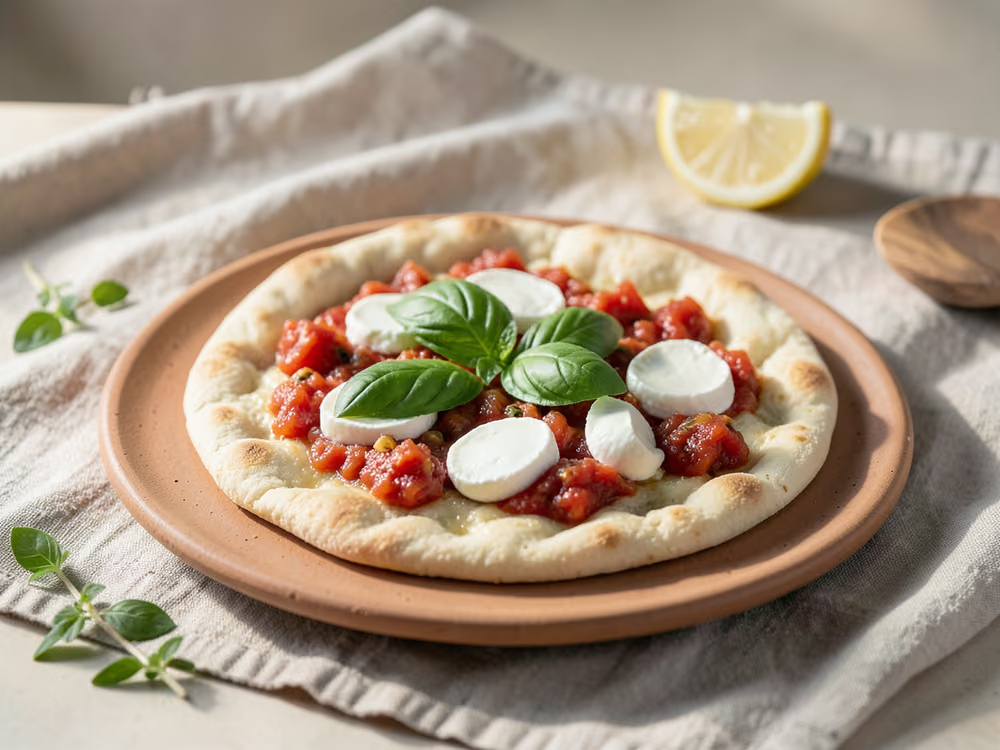
Brush both sides of each of the 4 flatbreads lightly with the remaining 1 tbsp olive oil, working right out to the edges. The underside film helps the base brown at the contact points and keeps it from sticking, while the top coat gives the sauce something to glide over and stops the bare rim from drying in the heat.
Spread about 2 tbsp of the tomato mixture over each flatbread with the back of a spoon, leaving a 1 cm border all the way around. Keep the layer thin and even: the bare rim is what crisps and lifts, and a heavy layer of wet tomato would soak into the base and leave the middle flabby.
Scatter the mozzarella over the tomato sauce in a single loose layer, stopping at the border. Leave gaps between the pieces rather than pressing them down: the gaps let steam escape as the cheese melts, and evenly spaced pieces melt at the same rate instead of one cold clump in the centre.
Slide the flatbreads onto the hot sheet or stone and bake for 8 to 12 minutes, until the crust is golden and the cheese has melted into bubbling pools. Check for the first time at 8 minutes: at 240°C the gap between bubbling and scorched is narrow, so once the cheese moves, stay close to the oven door.
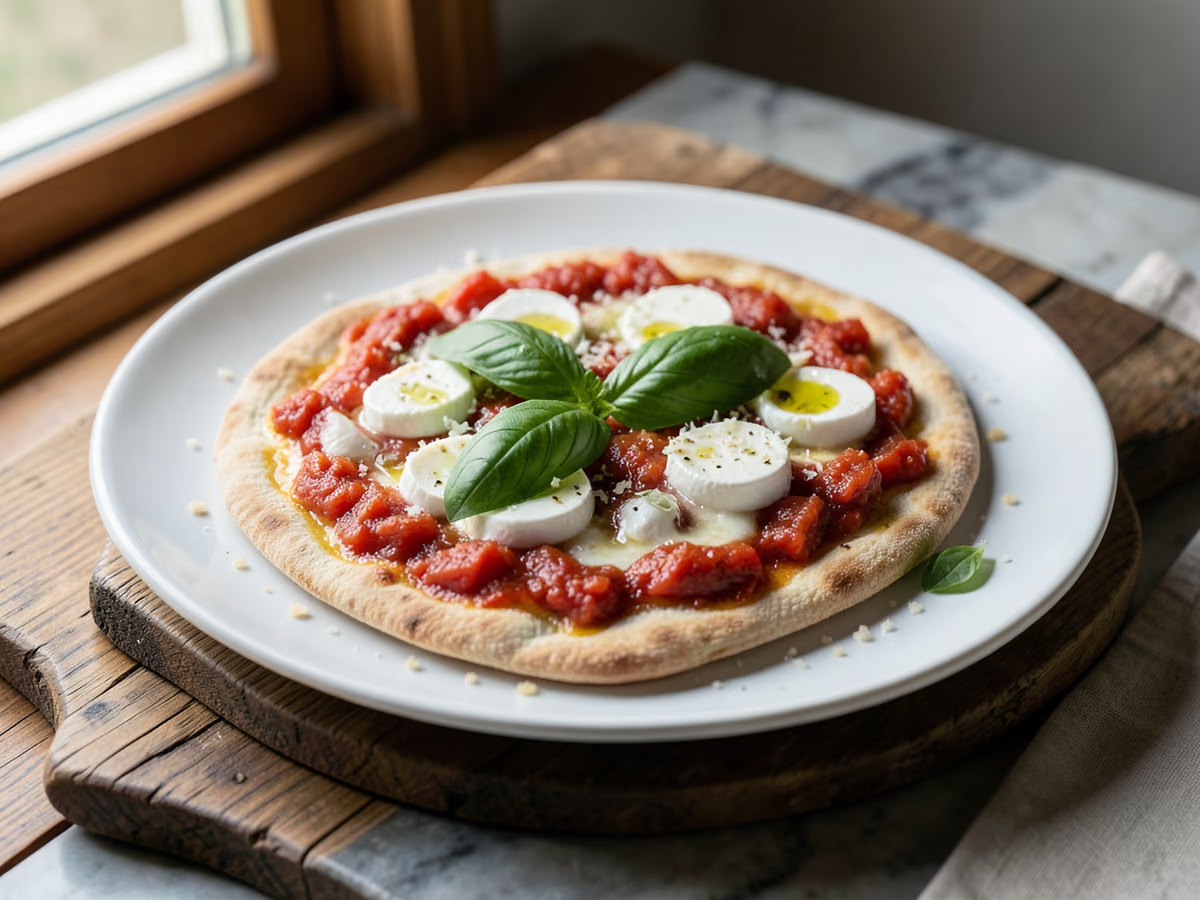
Take the flatbreads out and scatter the 10 g basil over them straight away, tearing any large leaves once so they lie flat; the heat still coming off the cheese softens them just enough without turning them black. Drizzle with a little extra olive oil if you like, cut into wedges with a wheel or scissors, and serve hot.
Why this recipe works
High heat does the work here: at 240°C a fully preheated sheet or stone drives heat straight into the base so it browns at the contact points in minutes, which is what keeps a thin, already-baked flatbread crisp instead of drying it to a cracker. Fresh mozzarella is about half water, so patting it dry and tearing it into small pieces limits the free liquid that would otherwise soak down through the sauce and soften the bread. Basil goes on after baking: a home oven runs for minutes rather than the seconds a wood-fired oven takes, and that much heat turns the leaves black and bitter.
Equipment
- Baking sheet or pizza stone large enough to hold the flatbreads without crowding, preheated with the oven
- Small bowl for the tomato mixture
- Pastry brush
- Paper towels, for draining the mozzarella
- Rimless baking sheet, flexible cutting board or pizza peel, for sliding the flatbreads onto the hot surface
- Pizza wheel or kitchen scissors, and a cutting board
- Measuring spoons
Kitchen notes
Kitchen notes
- Start the oven early: the recipe's 15-minute preheat is a minimum, and a stone or steel keeps charging well past the signal — if your schedule allows, give it close to an hour on the rack. The stored heat in that slab, not a higher dial, is what browns the bottom.
- Drain the mozzarella like it matters, because it does: tear the ball, lay the pieces on paper towels for 15 minutes, then blot the tops. That single step does more for a crisp base than any other tweak.
- For a mellow garlic hit, rub the still-hot rim of a baked flatbread with a cut clove. The heat tames the clove's raw bite into something sweeter — and if you do this, leave the grated garlic out of the tomato mixture so the two do not compete.
- Tear, do not cut, the basil: a knife bruises the leaves and the cut edges blacken first, while torn leaves stay intact enough to keep their colour on the hot cheese.
- Bake in batches if your surface is small, and give the sheet or stone a few minutes to come back up between rounds. Flatbreads that crowd together trap steam, and the later batches bake paler than the first.
Common mistakes
- Soggy centre: wet mozzarella, watery tomatoes, or a baking surface that never got fully hot are the three usual causes. Drain and blot the cheese, drain the tomatoes if the can is thin, and give the sheet or stone its full preheat before the flatbreads go near it.
- Pale, steamy bottom: the surface under the bread was not hot enough, so the base dried while the cheese melted. There is no catching up inside 8 to 12 minutes — preheat until the oven has held 240°C for the full 15 minutes and keep the door closed early.
- Scorched rim under melted cheese: at 240°C thin flatbreads go from golden to burnt fast. Check them at the 8-minute mark, pull the tray as soon as the cheese bubbles and the edges colour, and bake in batches rather than crowding one sheet.
- Black, bitter basil: the leaves rode the whole bake. Scatter the 10 g on after the flatbreads come out, when the residual heat is enough to release their oils without scorching them.
- Flatbreads that tear or stick on the way in: they were grabbed or dragged instead of slid, and thin breads take the damage. Support each one on a rimless sheet, flexible board or peel and slide it onto the hot surface in one movement.
- A heavy, doughy result: the bases or the topping layer were too thick, and steam under the sauce did the rest. Use thin flatbreads, about 2 tbsp of sauce each and the cheese in a loose single layer, and leave the 1 cm rim bare.
Serving suggestions
- Serve hot, straight from the sheet: the base is at its crispest in the first minutes out of the oven and softens as it sits, so hand out the wedges as soon as the cheese stops bubbling.
- One flatbread per person makes a light dinner; cut each into quarters and they work as a starter for a bigger table instead.
- Additions that work on top: paper-thin red onion, olives or marinated artichoke hearts go on before baking, while arugula tossed in olive oil, extra torn basil or a pinch of chilli flakes go on after, so they keep their bite.
- Pair with a crisp green salad dressed with lemon and olive oil, or a bowl of tomato soup; sparkling water, iced tea or barley tea alongside keeps the meal easy.
Variations
- Vegan margherita flatbread: use a vegan mozzarella in place of the fresh cheese, about the same 250 g, and check that the flatbreads are made without milk, butter or egg. The melt is softer and looser than dairy mozzarella, so this is a different, dairy-free version of the dish rather than the same one.
- Cherry tomato version: halve about 200 g of cherry tomatoes, salt them on paper towels while the oven heats, and scatter them over the cheese before the bake; they roast into sweet, jammy pockets and the base stays crisp.
- Gluten-free version: the same 4 gluten-free flatbreads, about 20 cm across. They tend to be thinner and crisp quickly, so start checking at the 8-minute mark and expect a snappier, drier bite.
Refrigerator
- RefrigeratorCool any leftovers within 2 hours, then refrigerate them in an airtight container for up to 3 days. Stack slices with a sheet of baking paper between them if you must layer; the base softens as it sits, so the crispest days are the first two.
- ReheatingA baking sheet in a 180°C oven for 5 to 7 minutes brings the base back closer to crisp and melts the cheese again; leftovers should be hot throughout, 74°C on a thermometer (USDA reheat guidance). The microwave is the one method to avoid, because it softens the bread faster than it warms the cheese.
- FreezingNot recommended: the fresh mozzarella releases water as it thaws and the basil blackens, so the fresh-baked texture does not come back. If you must, freeze fully baked flatbreads in a single layer, wrapped tightly, and reheat them straight from frozen at 200°C for 8 to 10 minutes, expecting a softer base than freshly baked.
- Make aheadMix the tomato base and tear and dry the mozzarella up to a day ahead, kept covered in the fridge; both components are quick, so the real saving is having everything ready the moment the oven is hot. Assemble only as the oven finishes preheating — ten minutes on the counter is about the limit before the sauce starts soaking in.
Updated:
How this recipe was developed
- USDA FSIS, Leftovers and Food Safety (refrigerate within 2 hours; refrigerated leftovers keep 3-4 days; reheat to 74°C)
- King Arthur Baking, Pizza steel vs. stone (preheat the oven and baking surface well in advance — about an hour — for the crispiest bottom; a steel or stone outheats a thin pan)
- The Spruce Eats, Prevent Pizza With Fresh Mozzarella From Being Watery (fresh mozzarella holds about 52 percent water; drain torn pieces 15 minutes on towels; combining with low-moisture cheese limits sogginess)
- The Practical Kitchen, When to Put Fresh Basil on Pizza (fresh basil belongs on after the bake; a home oven's longer bake blackens and shrivels the leaves)
Editorial references are kept internally for verification. This page makes no claim of external certification or professional testing.
Gallery
FAQ
The questions we get asked most
Is a flatbread the same as a pizza?
Not quite: a flatbread is the older, broader family of flat breads, often just flour, water and salt with little or no leavening, while pizza is a specific, yeast-risen flatbread baked with toppings. This recipe sits firmly on the flatbread, shortcut side of that line — ready-made flatbreads stand in for dough, so the base crisps in 8 to 12 minutes and dinner needs about 15 minutes of hands-on work.
Why did my flatbread come out soggy?
Water only comes from three places here: the cheese, the tomatoes, or a surface that was not fully hot. Blot the torn mozzarella dry before it goes on, drain the crushed tomatoes if the can is watery, spread the sauce thinly and keep the 1 cm rim bare, and let the sheet or stone take its full preheat at 240°C before the flatbreads touch it.
Should I use fresh or shredded mozzarella?
Fresh mozzarella, as written: 250 g torn and patted dry melts into the soft, milky pools that define this flatbread, but the drying step is not optional, because fresh cheese is about half water by weight. Shredded low-moisture mozzarella, the same weight, is the forgiving alternative — an even, elastic melt that is much harder to make soggy, with a less milky flavour.
Can I use naan or pita for margherita flatbread?
Yes, both belong to the same shortcut. Keep to the same 4 pieces of about 20 cm: pita is thin and crisps fast, so look at it from 8 minutes, while naan is thicker, softer and often made with yoghurt, so it may want the longer end of the 8 to 12 minutes. Check labels if you are keeping the dish dairy-free.
Do I need a pizza stone?
No: the recipe is built for either a stone or an ordinary baking sheet, and what matters is preheating whichever one you use — a minimum of 15 minutes at 240°C, longer for a stone. A stone or steel holds more heat, so it browns the bottom harder and bounces back between batches; a sheet is lighter and gives a slightly softer base.
Can I make margherita flatbread vegan?
You can, as a variation: swap the fresh mozzarella for a vegan mozzarella, about the same 250 g, and check that the flatbreads contain no milk, butter or egg — naan and some packaged breads do. The tomatoes, oil, garlic and basil are already plant-based; the only real change is the cheese, which melts softer and stretches less.
Can I make margherita flatbread ahead of time?
Part of it: mix the tomato base and tear and dry the mozzarella up to a day ahead and keep both covered in the fridge, then assemble at the last minute, because an assembled flatbread starts soaking the moment the sauce touches the bread. Leftovers reheat best on a baking sheet at 180°C for 5 to 7 minutes.
Ask KitchenMind about this recipe
Tell it what’s different tonight — it works within the actual recipe.