- Prep
- 20 min
- Cook
- 75 min
- Total
- 95 min
- Serves
- 4
Ingredients
What you’ll need — tap to tick off as you go
- 400 g
- 500 g
- 2 tbsp
- 3 cloves
- 2 tbsp
- 800 g
- 250 ml
- 1 tsp
- 1 tsp
- ½ tsp
- 60 g
- 10 g
Process
Timers built in · swap anything · ask as you cook
Heat olive oil in a wide heavy pot over medium heat. Add the diced onion, carrot and celery and cook for 8 to 10 minutes, stirring often, until soft and lightly golden.
Add the minced garlic and cook for 1 minute until fragrant, then push the vegetables to the side and add the ground beef. Break it up with a wooden spoon and cook for 6 to 8 minutes until no pink remains and any liquid has evaporated.
Stir in the tomato paste and cook for 2 minutes to caramelise it, then add the crushed tomatoes, beef broth, dried oregano, bay leaf, salt and black pepper. Stir well and bring to a gentle simmer.
Reduce heat to low and simmer uncovered for 50 to 60 minutes, stirring every 10 minutes, until the sauce is thick and glossy and a spoon dragged through leaves a clear trail. Remove the bay leaf.
About 12 minutes before the sauce is done, bring a large pot of water to a rolling boil, add a generous handful of salt, and cook the spaghetti until al dente according to the package instructions.
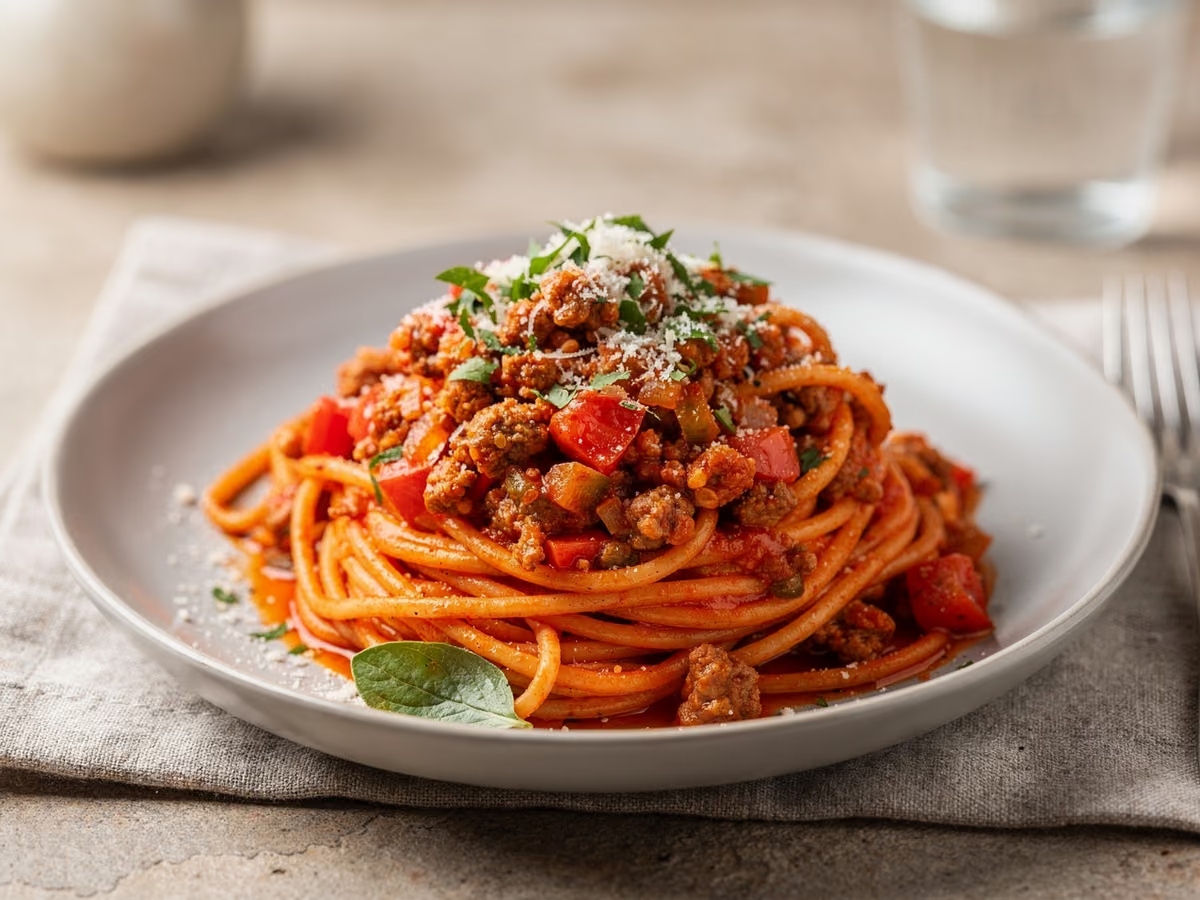
Reserve 250 ml of the starchy pasta water, then drain the spaghetti. Add the spaghetti to the sauce pot along with a splash of the reserved water and toss over medium heat for 1 to 2 minutes until every strand is coated.
Serve immediately in warm bowls topped with grated parmesan and torn fresh basil.
Kitchen notes
Kitchen notes
- The most common mistake is not reducing the sauce enough: it should be thick enough that a spoon leaves a clear trail, otherwise it will water down the pasta. If it is still loose after 60 minutes, simmer uncovered for 10 more minutes.
- Do not rinse the spaghetti. The starch on the surface helps the sauce cling; the reserved pasta water is the key to a glossy, cohesive ragu.
- Brown the beef properly before adding liquid. Let it sit undisturbed for a minute at a time so it develops a deep crust, which is where most of the flavour comes from.
- Salt the pasta water like sea water (about 1 tbsp per 4 litres) and taste the sauce only after it has reduced, since it concentrates as it cooks.
Substitutions
- ground beef→ground lamb or ground turkey
- beef broth→vegetable broth
- parmesan cheese→pecorino romano or a dairy-free hard cheese
- spaghetti→rigatoni, penne or gluten-free spaghetti
Storage & reheating
Cool leftovers within 2 hours and store in an airtight container in the fridge for up to 4 days. The sauce alone freezes well for up to 3 months in a sealed container; thaw overnight in the fridge. Reheat in a saucepan over medium-low heat with a splash of water, or in the microwave covered at 70 percent power in 1-minute bursts, until piping hot. Do not reheat more than once.
FAQ
The questions we get asked most
Why is my Bolognese sauce watery?
The sauce was not simmered long enough or the lid trapped steam. Simmer uncovered over low heat, stirring every 10 minutes, until a spoon dragged through the pot leaves a clear trail. Crushed tomatoes vary in water content, so the time can range from 50 to 75 minutes.
Can I make Bolognese ahead of time?
Yes, the sauce actually improves after a day in the fridge as the flavours meld. Make it up to 3 days ahead, cool quickly, and refrigerate in an airtight container. Reheat gently on the stovetop with a splash of water before tossing with freshly cooked spaghetti.
Can I freeze spaghetti Bolognese?
The sauce freezes very well for up to 3 months; thaw overnight in the fridge and reheat on the stovetop. Cooked spaghetti does not freeze well because it turns mushy, so freeze only the sauce and boil fresh pasta when serving.
How do I know when the Bolognese is done?
It is ready when the sauce is thick, glossy and no longer pools liquid at the edges, and a spoon dragged across the base leaves a clear trail that holds for a second. The beef should be tender and the tomatoes darkened from deep red to a richer brick colour.
Can I use canned tomatoes instead of fresh?
Yes, canned crushed tomatoes are actually preferred for Bolognese because they are picked ripe and give a more consistent sauce. Use 800 g of good-quality crushed or whole peeled tomatoes, crushing whole ones by hand. Avoid cans with added herbs or salt so you can control the seasoning.
Why did my Bolognese turn out dry?
The beef was too lean or the sauce simmered too long without liquid. Use ground beef with about 20 percent fat and add the beef broth to keep it moist during the long simmer. If it looks dry near the end, stir in a splash of pasta water or broth before tossing with the spaghetti.
Can I add milk or cream to Bolognese?
A small splash of whole milk (about 60 ml) added with the tomatoes is traditional in Bologna and softens the acidity of the tomatoes. Add it after the beef has browned and let it evaporate for 2 minutes before adding the crushed tomatoes. Do not use sweetened or flavoured milk.
Ask KitchenMind about this recipe
Tell it what’s different tonight — it works within the actual recipe.