Paneer Butter Masala
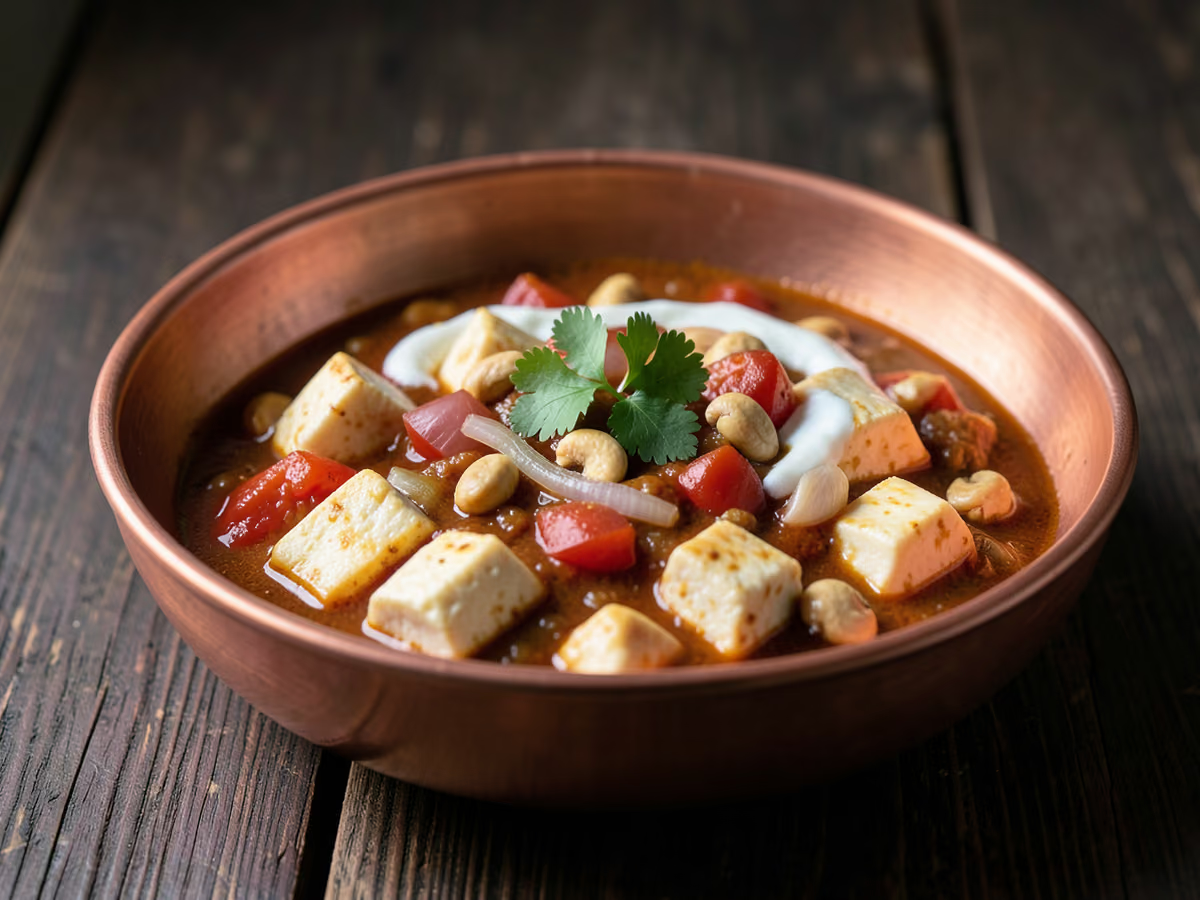
Paneer butter masala, also called paneer makhani, is the North Indian restaurant classic: soft paneer cubes folded into a silky tomato-cashew gravy finished with real butter and a drizzle of cream. This version keeps the mild, gently sweet character that has made paneer butter masala a restaurant standard, with Kashmiri chili for deep red colour, crushed dried fenugreek leaves for the signature aroma, and a teaspoon of sugar to soften the tomatoes. Prep is 15 minutes, the stove takes about 35, and it serves four; most of that is hands-off simmering.
- Prep
- 15 min
- Cook
- 35 min
- Total
- 50 min
- Serves
- 4
Ingredients
What you’ll need — tap to tick off as you go
- 400 g
- 700 g
- 40 g
- 15 g
- 4 cloves
- 50 g
- 1 tbsp
- 1 tsp
- 1 tsp
- 1 tsp
- ½ tsp
- 1 tsp
- 1 tsp
- 1 tsp
- 80 ml
- 200 ml
Process
Timers built in · swap anything · ask as you cook
Soak the 40 g cashews in 100 ml of hot water for 10 minutes, then drain them and set aside. Hot water softens the nuts enough for the blender to turn them into a completely smooth paste, and gritty cashew pieces are one of the ways this gravy turns grainy, so do not cut the soak short.
In a heavy pan, heat the 1 tbsp neutral oil with 15 g of the butter over medium heat. Add the chopped onion, the 15 g of ginger and the 4 garlic cloves and cook for 5 to 6 minutes, stirring now and then, until soft and lightly golden. Do not let it brown, or the gravy darkens with it.
Add the 700 g chopped tomatoes with the 1 tsp ground coriander, the 0.5 tsp ground cumin and 0.5 tsp of the salt. Cook for 10 to 12 minutes, stirring occasionally, until the tomatoes collapse completely and the mixture thickens into a glossy, jammy paste; this is where the gravy gains its depth, and undercooked tomatoes taste raw and thin.
Stir in the soaked cashews and cook for 1 minute so they warm through, then take the pan off the heat and let the mixture cool for 5 minutes. The short cook melds the nuts into the base, and the pause matters because a very hot puree can blow the lid off a full blender.
Blend the cooled mixture to a completely smooth puree, adding the 200 ml of water gradually to keep the blades moving, and give it a full two minutes rather than stopping at mostly smooth. For the silkiest result, press the puree through a fine sieve; this is the step that separates restaurant-silky paneer butter masala from a good home version.
Return the puree to the pan over medium-low heat and stir in the 1 tsp Kashmiri chili powder, the 1 tsp garam masala, the 1 tsp sugar and the remaining 0.5 tsp salt. Simmer gently for 5 minutes, stirring, until the gravy thickens slightly, deepens in colour and no longer smells raw; that raw-spice note is the signal to keep going.
Stir in the remaining 35 g of butter and the 80 ml of cream, and simmer for 2 minutes without letting the gravy boil. Add the 400 g paneer cubes and the 1 tsp crushed dried fenugreek leaves, then cook on low for 3 to 4 minutes, until the paneer is heated through and has absorbed some sauce; gentle heat protects both the cream and the cheese.
Taste and adjust the salt and sugar, remembering that the paneer mutes seasoning as it sits in the sauce. Finish with a small extra knob of butter and a drizzle of cream, then serve hot, while the paneer is still soft and the gravy glossy; paneer butter masala loses its silk if it waits.
Why this recipe works
Silkiness in paneer butter masala comes from the blend, not from cream alone: cooking the tomatoes until they collapse lets them puree completely, blending them with the soaked cashews turns the nuts into particles fine enough to thicken the gravy, and sieving removes the tomato skins, seeds and onion fibres that would otherwise read as grain. The spices go into the hot puree, where the butter in the pan carries their flavour, and a five-minute simmer drives off the raw note. Cream and finishing butter go in below a boil: a fat-in-water emulsion splits when pushed too hard, and a gentle bubble keeps the gravy glossy. Crushed fenugreek goes in last: its aroma lives in volatile oils that heat destroys.
Equipment
- Heavy-bottomed pan or Dutch oven, 3 to 4 litres, for sweating the base and finishing the gravy in one vessel
- Blender, with enough headroom to fill the jar no more than two-thirds for a hot puree
- Fine-mesh sieve, for pressing the blended gravy through and catching skins and fibres
- Kitchen scale and measuring spoons, for the 700 g of tomatoes, the 400 g of paneer and the teaspoons of spice
- Chef's knife and cutting board, for roughly chopping the onion, ginger, garlic and tomatoes
- Instant-read thermometer, for checking that the gravy reaches 74°C when you reheat leftovers
- Warm serving bowl or individual bowls, since the sauce holds its silky texture better when it does not cool sharply
Kitchen notes
Kitchen notes
- Test the gravy the way restaurants do: when it coats the back of a spoon and a finger drawn through the coating leaves a trail that holds for a beat, it is ready. If it looks watery at that stage, simmer it uncovered a few minutes longer before the cream goes in.
- Crush the dried fenugreek leaves between your palms right over the pan and add them in the final minutes; the friction releases their oils, which dissolve into the butter and cream, and prolonged heat would boil that aroma away.
- Paneer is at its softest when fresh: buy it the day you cook, or keep the block submerged in cold water in the fridge and change the water daily. Old, firm paneer is the usual reason a paneer butter masala turns out chewy no matter how good the gravy is.
- Salt in two stages, part with the tomatoes and the rest at the end: reducing concentrates everything in the pan, and the paneer itself mutes seasoning as it soaks. Taste after each addition instead of trusting the measure.
- Use a blender jar with plenty of headroom for the hot puree, fill it no more than two-thirds and start on the lowest speed; hot liquid in an overfilled blender is the classic kitchen accident, and blending in two batches beats cleaning up.
Common mistakes
- Grainy gravy: the base was not blended or sieved long enough, so skins, seeds and cashew grit stay suspended. Cook the tomatoes until they collapse, blend a full two minutes with the water, then press the puree through a fine sieve before it returns to the pan.
- A split, oily sauce: the cream or finishing butter met hard heat, and the emulsion broke. Pull the pan down to a low simmer before they go in, keep it there, and fold the sauce instead of whisking it hard.
- Rubbery paneer: the cubes went in early and simmered too long, or the gravy was boiled after they went in. Add them for only the last 3 to 4 minutes and keep the finish below a boil; room-temperature cubes heat through in that time.
- A gravy that tastes raw: the spices never got their five-minute simmer, so the coriander and cumin read dusty. Let it bubble gently until it smells toasty and the colour deepens; a raw gravy needs more time, not more spice.
- Too tangy or too sweet: tomato acidity swings from batch to batch, so the 1 tsp of sugar can land light or heavy. Sharpen a sweet pot with a squeeze of lemon or a spoonful of tomato paste; round a tart one with a pinch more sugar and a spoonful of cream.
- A paste instead of a sauce: the gravy thickened because it cooled. Loosen it with a splash of warm water or milk over low heat, not more cream, which makes each leftover bowl heavier than the last.
Serving suggestions
- Serve paneer butter masala hot with warm naan, tandoori roti or steamed basmati rice, jeera rice included, and let the gravy pool over the bread or grain; plain sides suit the mild sauce better than sharply spiced ones.
- A quick salad of diced cucumber, onion and tomato with a squeeze of lemon, or a plain bowl of yogurt, cuts through the butter and cream between bites.
- Dress each portion like a restaurant plate: a swirl of cream, a pinch of crushed fenugreek or fresh coriander, and the paneer cubes coaxed to the top so every serving gets its share.
- Treat paneer butter masala as a rich, occasional dish: the butter, cream and cashews make it energy-dense, so serve modest portions with plenty of rice or bread and vegetables alongside, and let the gravy be the indulgence rather than the whole meal.
Variations
- Charred paneer, a restaurant flourish: pan-fry the paneer cubes in a little oil until pale gold before they meet the gravy; the cubes hold their shape and carry a nuttier edge, though the classic paneer butter masala adds them raw and soft.
- Dairy-free version: pressed firm tofu in place of paneer, coconut milk in place of the cream and vegan butter or oil in place of the butter make a plant-based curry in the same style. It is a different dish rather than a swap that tastes the same.
- Dhaba-style, slightly rustic: skip the sieve and keep the blended base a touch coarse; the gravy is less silky but tastes deeper and more of the tomatoes, and this is the version to choose when your tomatoes are outstanding.
Refrigerator
- RefrigeratorCool the paneer butter masala quickly, spreading it in a shallow container rather than leaving the pot standing, and refrigerate within two hours. Covered, it keeps for up to 3 days; the gravy thickens as it cools and the paneer absorbs some sauce, which is expected.
- ReheatingWarm it gently on the stovetop over low heat with a splash of water or milk, stirring until loosened and steaming hot, and check with an instant-read thermometer: 74°C is the USDA reheat target for leftovers. Skip the hard boil and the high microwave, both of which can split the cream.
- FreezingNot recommended for the finished dish, because frozen paneer turns spongy and the cream sauce can separate. The plain gravy base freezes well: take it through the simmering stage without cream, finishing butter or paneer, freeze it for up to 1 month, then finish it fresh once reheated.
- Make aheadThe gravy base can be made up to 2 days ahead and refrigerated, and many cooks think it tastes better on the second day. On the day, reheat it gently and stir in the cream, the finishing butter and the paneer just before serving so the cheese stays soft.
Updated:
How this recipe was developed
- Wikipedia, Paneer makhani (also called paneer butter masala) — dish identity and New Delhi origin, and the butter, tomato and cashew gravy definition with Kashmiri chili, garam masala and kasuri methi
- Dassana's Veg Recipes of India, Paneer Butter Masala (restaurant style) — warming firm paneer in water to soften it, Kashmiri chili as colour with mild heat and its paprika or cayenne alternatives, and adding kasuri methi, garam masala and cream off the heat
- Swasthi's Indian Healthy Recipes, Paneer Butter Masala (restaurant style) — blending and straining the onion-tomato-cashew base with cold water for a silky gravy, canned tomatoes and almonds as substitutes, and finishing briefly with kasuri methi and cream
- USDA FSIS, Leftovers and Food Safety — refrigerate leftovers within 2 hours, keep 3 to 4 days refrigerated, reheat to 74°C (165°F), and cool in shallow containers
Editorial references are kept internally for verification. This page makes no claim of external certification or professional testing.
FAQ
The questions we get asked most
What is paneer butter masala made of?
The gravy is built from 700 g of tomatoes, 40 g of cashews, 1 onion, 15 g of ginger and 4 garlic cloves, simmered with ground coriander and cumin and finished with Kashmiri chili powder, garam masala, 50 g of butter and 80 ml of cream. The 400 g of paneer goes in at the end, with crushed dried fenugreek leaves and a teaspoon of sugar to round the tomatoes. It is vegetarian and gluten-free as written.
Is paneer butter masala the same as paneer makhani or butter paneer?
Yes: paneer butter masala, paneer makhani and butter paneer are three names for the same dish, and menus use them interchangeably; makhani simply means buttery, and all three describe paneer simmered in the tomato, cashew and butter gravy. What varies between kitchens is the garnish and how generously the cream is poured, not the dish itself.
Is paneer butter masala the same as butter chicken?
No. They are close relatives from the same Delhi gravy tradition and share the silky tomato-butter sauce, but this paneer butter masala is the vegetarian version, built on fresh cheese rather than meat, so it is milder and lighter on the palate. The cooking technique is shared; the star ingredient is not.
Why did my paneer butter masala turn out grainy?
Grit almost always means the blend or the strain was rushed: tomato skins, seeds, ginger fibres and cashew pieces survive a short blend. Cook the tomatoes until they collapse, blend a full two minutes with the water, then press the puree through a fine sieve before it returns to the heat; the sieve step is non-negotiable with a weaker blender.
How do I stop the paneer from turning rubbery?
Add the cubes only for the last 3 to 4 minutes on low heat, just long enough to warm through and soak up a little sauce, and never boil the gravy once they are in. If your paneer is the firm, fridged kind that stays stubborn, soak the cubes in warm salted water for 10 minutes before they go in.
Can I make paneer butter masala without cashews?
Yes. Soak 2 tbsp of blanched almonds and blend them into the base instead, or use 2 tbsp of melon seeds, which give a lighter, very smooth body; both thicken the gravy close to how cashews do. The flavour shifts slightly towards the nut you choose, so taste before the final salt.
Can I make paneer butter masala ahead of time for a party?
Yes, and it is the sane way to cook for guests. Make the gravy through the simmering stage up to 2 days ahead, refrigerate it, then reheat gently and stir in the cream, the finishing butter and the paneer at the last minute so the cheese stays soft. Do not add the paneer before storing, or it turns spongy and drinks the sauce.
Ask KitchenMind about this recipe
Tell it what’s different tonight — it works within the actual recipe.