- Prep
- 20 min
- Cook
- 90 min
- Total
- 110 min
- Serves
- 6
Ingredients
What you’ll need — tap to tick off as you go
- 200 g
- 50 g
- 1 ½ l
- 60 g
- 1 tbsp
- 15 g
- 15 g
- 400 g
- 1 tsp
- 1 tsp
- 1 ½ tsp
- 1 tsp
- ½ tsp
- 1 ½ tsp
- 120 ml
- 1 tsp
Process
Timers built in · swap anything · ask as you cook
Rinse the whole black lentils and kidney beans under cold water until the water runs clear. Place them in a large bowl with 1 litre of the water and soak for at least 8 hours or overnight.
Drain the soaked lentils and beans, then transfer to a heavy pot or pressure cooker. Add the remaining 500 ml water and 1 tsp of the salt. Bring to a boil, then reduce heat to low, cover, and simmer until the beans are completely soft and breaking apart, about 60 to 75 minutes on the stovetop (or 15 to 20 minutes in a pressure cooker). Add more hot water if needed to keep them submerged.
While the lentils cook, prepare the masala. Heat the neutral oil and 30 g of the unsalted butter in a wide pan over medium heat. Add the grated ginger, minced garlic, and slit green chilies. Sauté for 1 minute until fragrant, not browned.
Add the ground cumin, ground coriander, 1 tsp of the garam masala, Kashmiri chili powder, and ground turmeric to the pan. Stir constantly for 30 seconds to bloom the spices.
Pour in the tomato puree and cook over medium heat, stirring often, until the mixture thickens and the oil starts to separate at the edges, about 10 to 12 minutes.
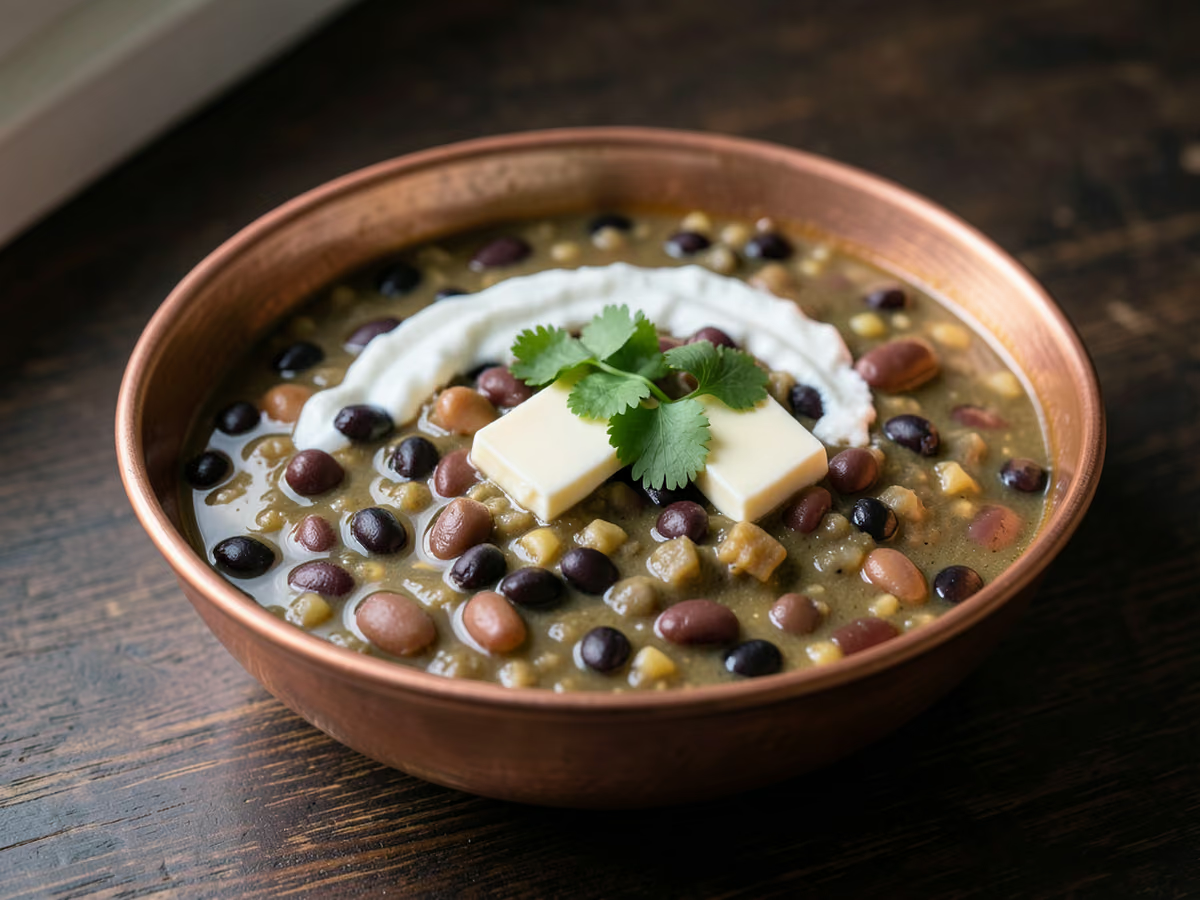
Add the cooked lentils and beans along with their cooking liquid to the masala. Stir well, then add the remaining 30 g butter and the crushed dried fenugreek leaves. Simmer uncovered on low heat for 20 to 30 minutes, mashing some of the lentils against the side of the pot with the back of a spoon to create a creamy texture. Stir occasionally and add a splash of hot water if it becomes too thick.
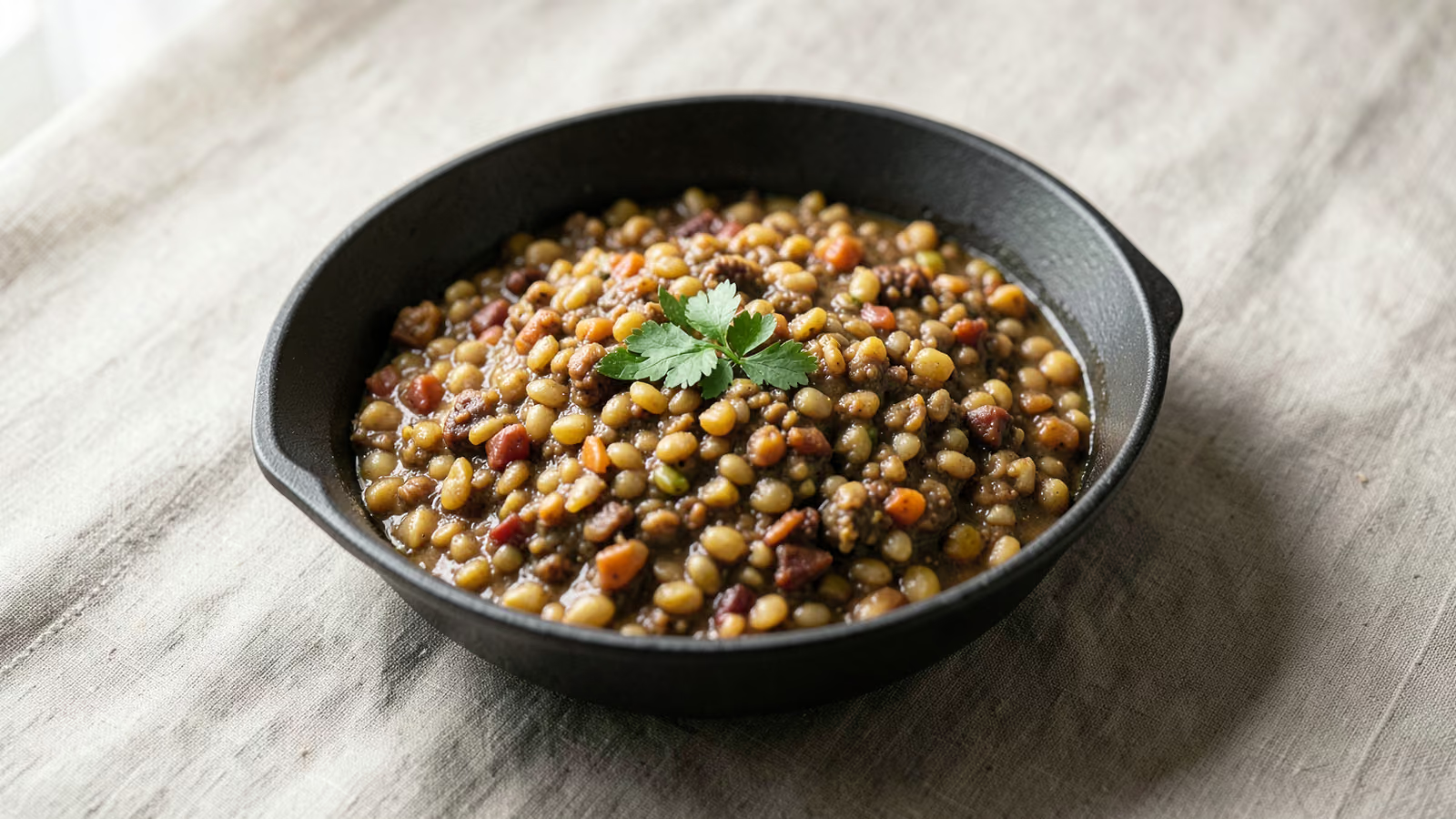
Stir in the heavy cream and the remaining 0.5 tsp garam masala. Simmer for 5 more minutes. Taste and adjust salt. The dal should be thick enough to coat a spoon but still flow slightly.
Serve hot, drizzled with a little extra cream if desired, with rice or flatbread.
Kitchen notes
Kitchen notes
- The most common mistake is undercooking the lentils and beans. They must be completely soft and falling apart before you add them to the masala; otherwise the final dish will be grainy and never become creamy.
- Mashing some of the cooked lentils against the pot is what gives dal makhani its signature velvety body. Do not skip this step or rely on blending, which can turn it gluey.
- Slow simmering after adding the lentils is essential for flavor development. If you rush this stage, the spices will taste raw and the dish will be flat.
- If the dal thickens too much as it sits, adjust with hot water, not cold, to keep the texture smooth.
Substitutions
- whole black lentils→whole brown lentils or green lentils (cooking time will be shorter)
- kidney beans→canned kidney beans, drained and rinsed (add during the last 15 minutes of simmering)
- heavy cream→full-fat coconut milk for a dairy-free version
- unsalted butter→vegan butter or additional neutral oil for a dairy-free version
- dried fenugreek leaves→a pinch of dried oregano or celery seed (flavor will differ)
Storage & reheating
Store dal makhani in an airtight container in the refrigerator for up to 4 days. It thickens considerably when cold; reheat gently on the stovetop over low heat, adding 2 to 3 tablespoons of hot water per serving and stirring until smooth. You can also reheat in the microwave in 1-minute bursts, covered, stirring between intervals. For freezing, cool completely and freeze in portions for up to 2 months. Thaw overnight in the refrigerator, then reheat as above. Do not boil vigorously after adding cream, as it may split.
Gallery
FAQ
The questions we get asked most
Why is my dal makhani not creamy?
The lentils and beans were likely not cooked until fully soft before adding them to the masala. They need to break down completely during simmering. Also, mashing some of the cooked lentils against the pot releases starch that thickens the dal naturally. If it is still thin after simmering, continue cooking uncovered until it reduces.
Can I make dal makhani without soaking the lentils overnight?
Yes, but the cooking time will be much longer. Use a pressure cooker or instant pot to speed things up: cook unsoaked lentils and beans with 1.5 litres of water for 30 to 35 minutes under pressure. On the stovetop, unsoaked beans can take 2 to 3 hours and may still remain firm. Soaking is strongly recommended for even texture.
How do I know when the lentils and beans are fully cooked?
They should be completely soft with no resistance when pressed between your fingers, and the beans should be splitting open. If you can still feel a firm center, keep cooking. Undercooked beans will never become creamy no matter how long you simmer the final dish.
Can I use canned lentils and beans to save time?
Yes. Use 2 cans of cooked black lentils and 1 can of kidney beans, both drained and rinsed. Skip the boiling step and add them directly to the masala with 250 ml of water. Simmer for 20 minutes, mashing some of the lentils, then proceed with the cream and fenugreek.
Why did my dal makhani turn out bitter?
Bitterness usually comes from burning the spices or garlic. Bloom ground spices for only 30 seconds over medium heat, and do not let the garlic brown. If the dal tastes slightly bitter, stir in a tablespoon of butter and a pinch of sugar to balance it.
Can I freeze dal makhani?
Yes, it freezes very well. Cool it completely, then transfer to freezer-safe containers, leaving 2 cm of headspace. Freeze for up to 2 months. Thaw overnight in the refrigerator and reheat gently on the stovetop with a splash of water. The texture may become slightly grainy after freezing; stirring vigorously while reheating helps.
Is dal makhani very spicy?
It is typically mild and creamy. The heat comes from green chilies and Kashmiri chili powder, which is mild. You can remove the green chilies after simmering or omit them entirely. Adjust the chili powder to taste without affecting the authentic flavor.
Ask KitchenMind about this recipe
Tell it what’s different tonight — it works within the actual recipe.