- Prep
- 40 min
- Cook
- 20 min
- Total
- 60 min
- Serves
- 4
Ingredients
What you’ll need — tap to tick off as you go
- 150 g
- 50 g
- 120 ml
- 1 tsp
- 2 tbsp
- 100 g
- 30 g
- 20 g
- 10 g
- 1 tbsp
- 1 tsp
- ½ tsp
Process
Timers built in · swap anything · ask as you cook
In a bowl, mix 150 g semolina, 50 g all-purpose flour, and 0.5 tsp salt. Add 2 tbsp vegetable oil and rub into the flour until it resembles breadcrumbs.
Gradually add 120 ml water and knead into a stiff dough. Cover with a damp cloth and rest for 30 minutes.
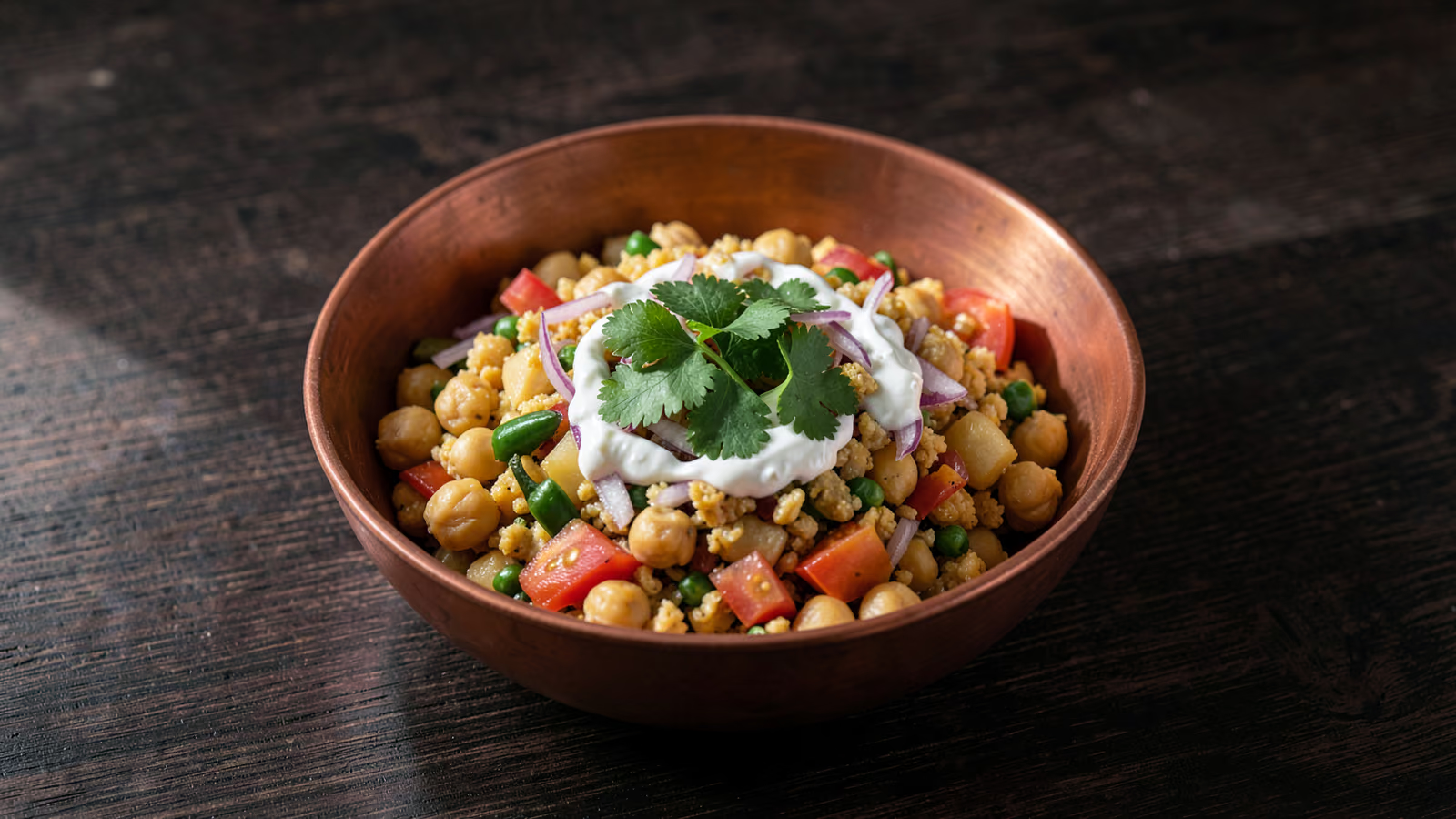
Meanwhile, boil 2 medium potatoes until tender, about 15 minutes. Peel and mash them in a bowl. Add 100 g cooked chickpeas, 1 small finely chopped red onion, and a pinch of salt. Mix well and set aside.
For the pani, blend 30 g fresh coriander, 20 g fresh mint, 2 green chilies, 10 g ginger, 1 tbsp tamarind paste, 1 tsp roasted cumin powder, 0.5 tsp black salt, and 0.5 tsp salt with 200 ml water until smooth.
Strain the blended mixture through a fine sieve into a large bowl. Add 400 ml cold water and 6 ice cubes. Stir and refrigerate until serving.
Divide the rested dough into small balls. Roll each ball into a thin circle of about 4 cm diameter. Keep the rolled puris covered with a damp cloth to prevent drying.
Heat 500 ml vegetable oil in a deep pan over medium heat. To test, drop a small piece of dough; it should rise immediately. Fry the puris in batches, gently pressing with a slotted spoon, until they puff up and turn golden brown, about 1–2 minutes per side.
Remove the puris with a slotted spoon and drain on paper towels. Cool completely.
To serve, make a small hole in the center of each puri. Fill with a spoonful of the potato-chickpea mixture, then dip into the chilled pani and eat immediately.

Kitchen notes
Kitchen notes
- The most common mistake is rolling the puris too thick; they must be paper-thin to puff up and stay crisp. If they do not puff, the dough is too moist or the oil is not hot enough.
- Resting the dough is crucial for gluten development; skipping this step makes rolling difficult and the puris may not hold shape.
- Fry the puris on medium heat; if the oil is too hot, they brown before cooking through and remain soft inside.
- Assemble pani puri just before eating; filled puris become soggy within minutes.
Substitutions
- semolina→fine whole wheat flour (for a softer texture)
- tamarind paste→lemon juice mixed with a pinch of sugar
- chickpeas→white peas or black chickpeas
Storage & reheating
Store unfried puris in an airtight container at room temperature for up to 3 days, or freeze for up to 1 month. Fry directly from frozen. The pani (spiced water) can be refrigerated in a covered jar for up to 2 days; stir well before use. The potato-chickpea filling keeps in the fridge for up to 2 days. Reheat leftover filling in a pan over medium heat until warmed through, or enjoy at room temperature.
FAQ
The questions we get asked most
Why did my puris not puff up?
Puris fail to puff if the dough is too moist, rolled too thick, or the oil is not hot enough. Ensure the dough is stiff, roll paper-thin, and test the oil by dropping a small piece of dough; it should sizzle and rise immediately. Fry on medium heat, pressing gently with a slotted spoon.
Can I make the pani water ahead of time?
Yes, the pani can be made up to 2 days in advance and stored in a covered jar in the refrigerator. The flavors meld and deepen overnight. Stir well and add ice cubes before serving.
How do I keep the puris crisp after frying?
Cool the fried puris completely on paper towels, then store them in an airtight container at room temperature. Do not refrigerate, as moisture will soften them. If they lose crispness, reheat in a 150°C oven for 3-4 minutes.
Can I use store-bought puris?
Yes, ready-made pani puri shells are widely available and save time. Look for ones that are crisp and unbroken. Warm them in a 150°C oven for a few minutes to refresh their crunch before serving.
What can I use instead of tamarind paste?
If you don't have tamarind paste, substitute with 1 tbsp lemon juice mixed with a pinch of sugar or jaggery. This provides the necessary tang and slight sweetness. Adjust the quantity to taste.
Is pani puri gluten-free?
Traditional pani puri is not gluten-free because the puris are made with semolina and all-purpose flour, both containing gluten. For a gluten-free version, use gluten-free flour blends, but the texture may differ. Always check labels if you have allergies.
Ask KitchenMind about this recipe
Tell it what’s different tonight — it works within the actual recipe.