- Prep
- 20 min
- Cook
- 90 min
- Total
- 110 min
- Serves
- 8
Ingredients
What you’ll need — tap to tick off as you go
- 200 g
- 2 tsp
- 1 tsp
- 1 tsp
- 300 ml
- 2 tbsp
- 200 g
- 100 g
Process
Timers built in · swap anything · ask as you cook
Preheat oven to 120°C. Line a baking tray with parchment paper. Draw an 20 cm circle on the parchment as a guide, then flip the paper over so the pencil mark faces down.
In a clean, dry bowl, beat the egg whites with an electric mixer on medium speed until soft peaks form. Ensure no yolk or grease is present.
Gradually add the caster sugar, one tablespoon at a time, beating well after each addition. Continue until the meringue is stiff, glossy, and the sugar has dissolved (rub a little between your fingers; it should not feel gritty).
Gently fold in the cornstarch, white vinegar, and vanilla extract with a spatula until just combined. Do not overmix.
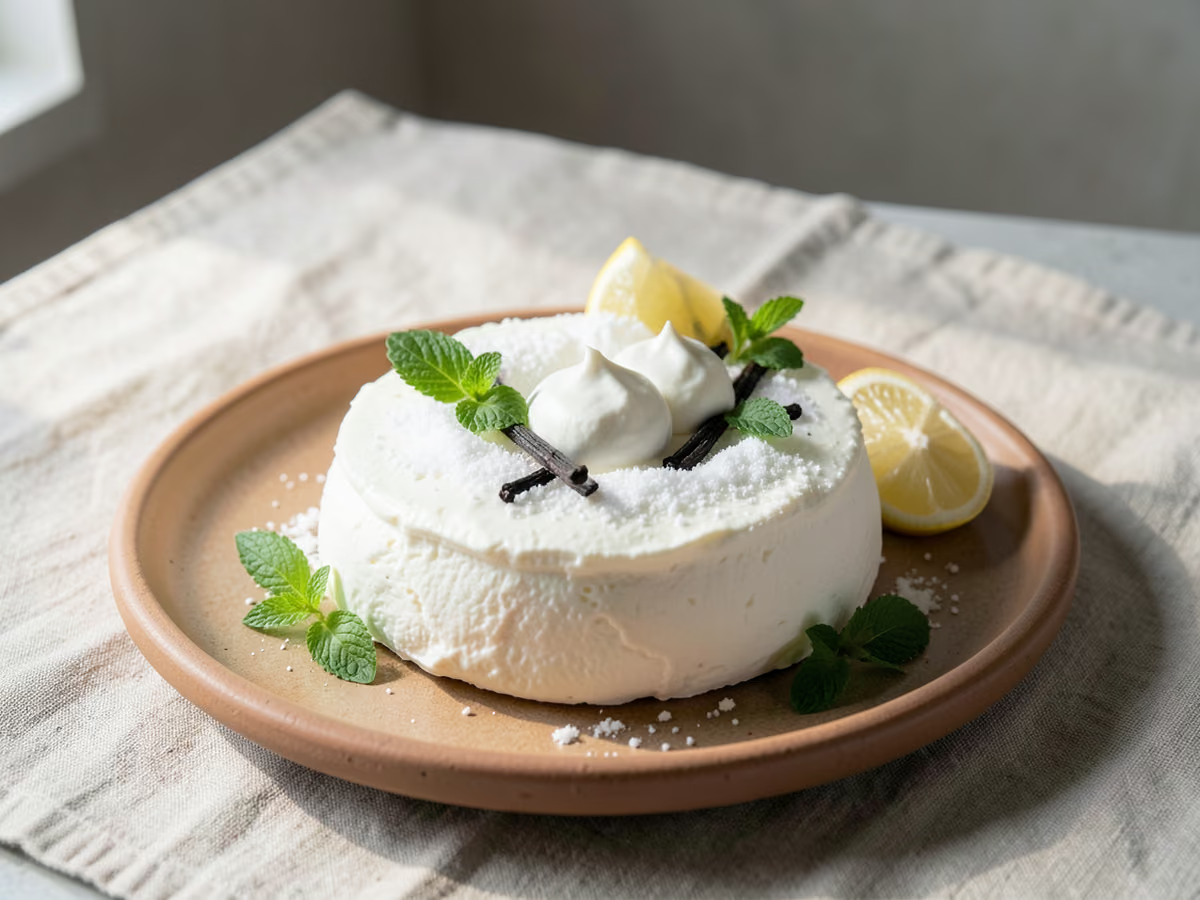
Spoon the meringue onto the prepared tray inside the circle. Spread it to the edges, building up the sides slightly higher than the center to create a shallow well for the cream.
Bake for 90 minutes. Do not open the oven during baking. Turn off the oven and leave the pavlova inside with the door slightly ajar to cool completely, about 1 hour.
Once cooled, carefully transfer the pavlova to a serving plate. In a chilled bowl, whip the heavy cream with powdered sugar (if using) until soft peaks form. Spoon the cream into the center of the pavlova.
Top with sliced strawberries, blueberries, and drizzle with passion fruit pulp if desired. Serve immediately.
Kitchen notes
Kitchen notes
- The most common mistake is under-beating the meringue; it must be stiff and glossy, and the sugar fully dissolved, or it will weep and collapse.
- Adding cornstarch and vinegar is key to achieving the signature marshmallow center; do not skip them.
- Cooling the pavlova gradually in the oven prevents cracking; sudden temperature changes cause the shell to shatter.
- Assemble just before serving; the cream will soften the crisp shell if left standing.
Substitutions
- caster sugar→granulated sugar blitzed in a food processor until fine
- white vinegar→lemon juice
- heavy cream→coconut cream (chilled overnight) for a dairy-free version
- fresh strawberries→kiwi or raspberries
Storage & reheating
Store the unassembled pavlova shell in an airtight container at room temperature for up to 2 days. Do not refrigerate the shell as moisture will make it soggy. Once assembled with cream and fruit, it is best eaten immediately; leftovers can be refrigerated for up to 1 day, but the shell will soften. To revive a slightly soft shell, place it in a 120°C oven for 10 minutes, then cool completely before serving.
FAQ
The questions we get asked most
Why did my pavlova crack or collapse?
Cracking often happens if the oven temperature is too high or if the pavlova cools too quickly. Always bake at 120°C and cool gradually in the oven with the door ajar. Collapse can occur if the meringue is under-beaten or if there is any grease in the bowl.
Can I make pavlova ahead of time?
Yes, you can make the shell up to 2 days ahead and store it in an airtight container at room temperature. Assemble with cream and fruit just before serving to keep the shell crisp.
How do I know when the pavlova is done?
The pavlova is done when it is dry and crisp on the outside and lifts off the parchment easily. It should sound hollow when tapped on the base. The inside will be soft and marshmallow-like.
Can I use frozen berries?
Frozen berries release too much liquid and will make the pavlova soggy. If using frozen, thaw and drain them well, then pat dry with paper towels before topping.
Why is my pavlova weeping or leaking syrup?
Weeping happens when the sugar is not fully dissolved in the egg whites. Beat the meringue until the sugar granules disappear; rub a bit between your fingers to check. Also, avoid making it on a humid day.
Can I make pavlova without cornstarch?
Cornstarch helps create the marshmallow center. If omitted, the pavlova will be crisper throughout and may lack the signature soft interior. You can substitute with an equal amount of arrowroot powder.
Is pavlova gluten-free?
Yes, this recipe is naturally gluten-free as it uses no wheat flour. However, always check that your cornstarch and other ingredients are certified gluten-free if you have celiac disease.
Ask KitchenMind about this recipe
Tell it what’s different tonight — it works within the actual recipe.