Peking Duck
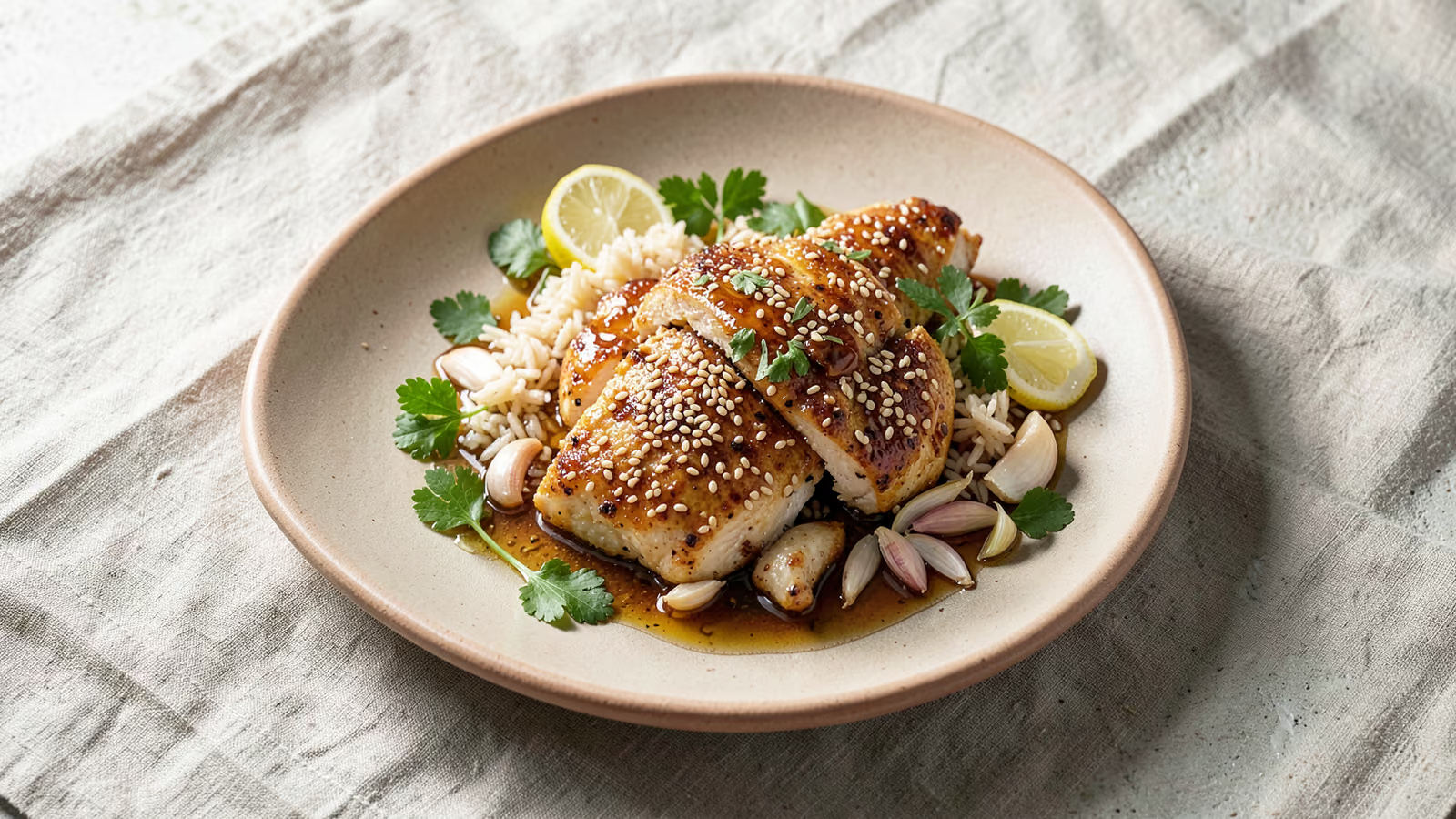
Peking duck is the Chinese banquet showpiece: a whole bird with shatteringly crisp, lacquered skin, carved at the table and wrapped in warm mandarin pancakes with hoisin, cucumber and scallion. This home-kitchen version keeps the drama and skips the restaurant setup — no air pump, no hanging oven, nothing intoxicating in the mix — so it suits halal kitchens as written. The skin crisps through scalding, air-drying and a two-stage roast in a regular oven. Budget about 30 minutes of hands-on work, 100 minutes of roasting, and ideally a night of hands-off drying in the fridge.
- Prep
- 30 min
- Cook
- 100 min
- Total
- 145 min
- Additional time
- 15 min
- Serves
- 4
Ingredients
What you’ll need — tap to tick off as you go
- 1 tbsp
- 1 tsp
- 2 tbsp
- 2 tbsp
- 1 tbsp
- 4 tbsp
- 1 tbsp
Process
Timers built in · swap anything · ask as you cook
Preheat the oven to 180°C. Rinse the duck inside and out, pull out the giblets, and trim any excess fat at the neck and the cavity opening. Pat the skin completely dry with paper towels, working into every fold: moisture left on the skin turns to steam and keeps it from crisping.
Rub the 1 tbsp salt and 1 tsp five spice powder all over the duck, into the cavity and over every inch of skin, massaging it into the folds at the wings and thighs. Season until the coating looks even; the salt seasons the meat through the skin and pulls a little surface moisture with it.
Set the duck breast-side up on a rack inside a roasting pan and roast at 180°C for 40 minutes. The rack keeps the bird clear of its own fat as it renders, and this first stage is about rendering rather than colour — expect a pale gold skin with fat beginning to collect in the pan, not a deep brown.
While the first stage roasts, mix the glaze in a small bowl: 2 tbsp soy sauce, 2 tbsp honey and 1 tbsp rice vinegar. Whisk until the honey dissolves, warming the bowl briefly if the honey is too thick to blend. Honey sugars are the browning engine here, and the vinegar keeps the glaze from reading as plain sweetness.
After the first 40 minutes, pull the pan out, brush the duck all over with the glaze, and return it to the oven for 40 more minutes, brushing a fresh coat every 15 minutes. Thin coats give an even amber lacquer and caramelise without scorching; keep the strokes light and watch the colour build.
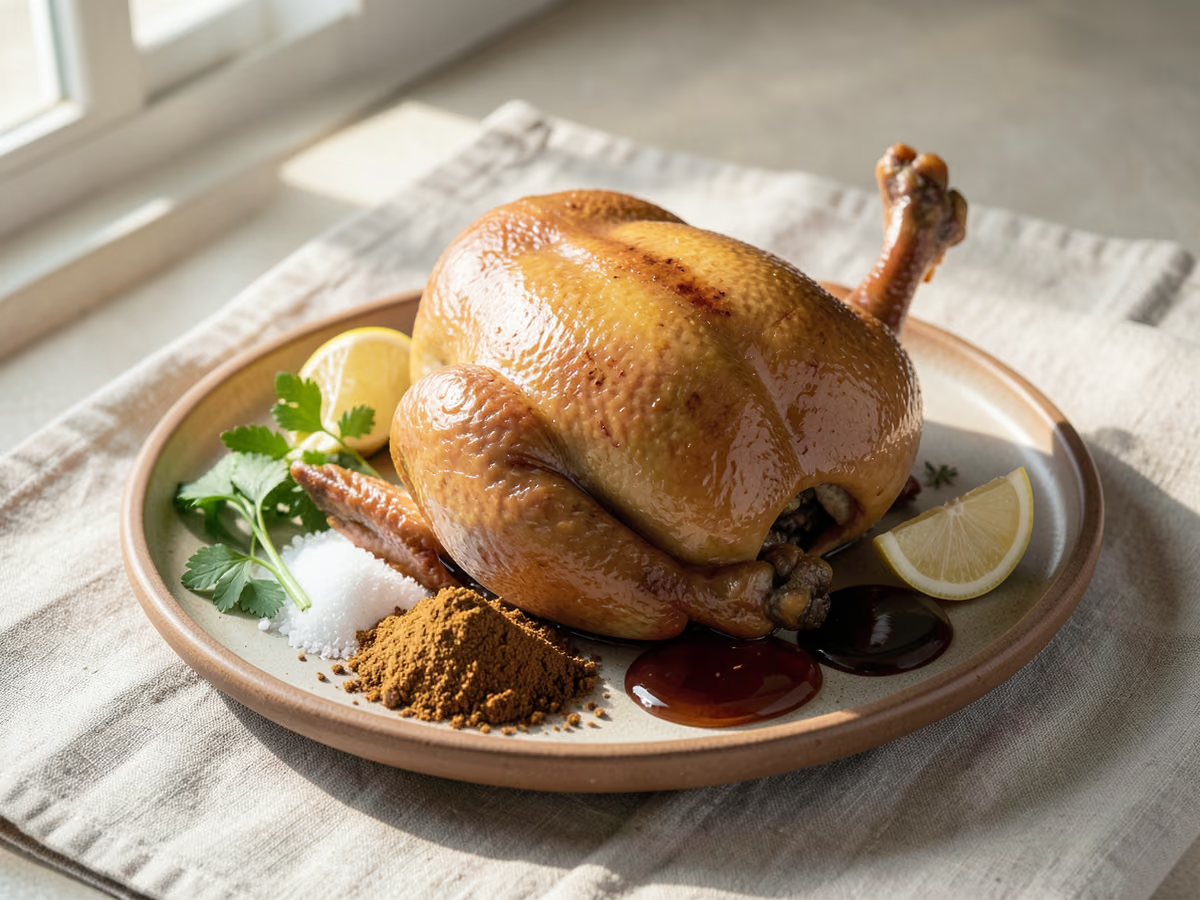
Turn the oven up to 220°C and roast for a final 20 minutes, until the skin is deep brown, glossy and audibly crisp when tapped. Check the thickest part of the thigh with an instant-read thermometer: 75°C is the target, just above the 74°C minimum USDA FSIS sets for poultry. Tent any fast-browning patch loosely with foil.
Move the duck to a board and let it rest for 15 minutes, uncovered. Resting lets the juices settle back into the meat instead of running onto the board at the first cut; keep it uncovered, because foil traps steam and softens the skin you just built.
While the duck rests, warm the 16 mandarin pancakes as the packet directs — steam or a quick microwave keeps them soft and foldable — and cut the cucumber and 4 scallions into fine strips. Keep the pancakes under a clean cloth so they stay pliable.
Carve the duck into thin slices, keeping the crisp skin pieces separate. Serve with the 4 tbsp hoisin, the cucumber and scallion strips, and let each person spread hoisin on a warm pancake, add duck, cucumber and scallion, and roll it up to eat.
Why this recipe works
Two things turn duck skin crisp: dehydration and heat staging. Water pins a damp surface at 100°C while it evaporates, so a wet bird steams instead of browning; a thorough pat-down, or better, an overnight air-dry in the fridge, lets the skin climb into real browning. A boiling-water scald tightens the skin and lifts it slightly off the fat beneath, giving the rendered fat somewhere to drain. The two-stage roast then does the rest: 180°C renders the fat slowly under the glaze, and the final 220°C blast caramelises the honey into a brittle amber lacquer while the thigh finishes safely at 75°C.
Equipment
- Roasting pan deep enough to catch the fat, with a wire rack that fits inside
- Instant-read thermometer
- Pastry brush for the glaze
- Small bowl and whisk for the glaze
- Large kettle, for the boiling-water scald
- Heatproof ladle or jug
- Carving knife and cutting board
- Steamer basket or microwave, for the pancakes
Kitchen notes
Kitchen notes
- Work ahead if you can: scald the duck with boiling water, dry it again, and leave it uncovered on a rack in the fridge overnight. The pour tightens the skin — it pales and shrinks on contact — and the cold, dry air pulls the surface moisture away; together they are the single biggest upgrade a home oven can get.
- Choose the bird deliberately: a Pekin duckling of about 2 kg carries the thick fat layer that renders into crisp skin, and an air-chilled duck — dry to the touch, not packaged in added water — crisps more evenly than a water-chilled one.
- Once the glaze is on, watch the colour rather than the clock: during the final 220°C blast, the skin can turn from deep gold to scorched in a couple of minutes. Brush thin, rotate the pan once, and stay near the oven door.
- Probe the thigh, not the breast, and keep the thermometer tip clear of the bone: the thigh is the slowest part to reach temperature, so 75°C there means the whole bird is done. If one patch of skin browns ahead of the thigh, tent that patch with foil.
- Have the table ready before you carve — warm pancakes under a cloth, hoisin in a bowl, cucumber and scallion cut — because the skin's crispness fades within about half an hour, and this dish is at its best the moment it is sliced.
Common mistakes
- Chewy, leathery skin: the bird went into the oven with a damp surface. Pat the skin bone-dry, and when you have the time scald it with boiling water and air-dry it uncovered on a rack in the fridge for several hours — the skin should feel dry and papery before it goes in.
- A scorched, patchy glaze: honey darkens quickly and heavy coats scorch at the edges, especially before the first 40-minute stage is up. Start glazing only after that stage, brush thin coats every 15 minutes, and tent any patch that browns too fast with a loose piece of foil.
- Smoke and a soggy underside: the bird is sitting in its own rendered fat. Keep it on the rack above the pan and spoon the fat out before the final 220°C stage — a full pan smokes, and the underside steams instead of crisping.
- A dry breast: the duck stayed in past doneness while you chased more colour. Trust the 75°C thigh reading and pull it then; the 15-minute rest finishes the cooking gently, while extra oven time only dries the meat further.
- Skin that softens after it leaves the oven: covering the resting bird traps steam, and stacking carved meat under its own skin does the same. Rest it uncovered, carve skin and meat separately, and leave both open to the air until serving.
Serving suggestions
- Serve as soon as it is carved, while the skin still shatters: bring it to the table on a warm platter, skin-side up, and leave it uncovered so no steam undoes the crisping.
- Build the wraps at the table — warm pancakes, hoisin, cucumber and scallion strips set out together — and let everyone spread, pile and roll their own; the 16 pancakes divide neatly for four.
- Hot jasmine or oolong tea is the classic accompaniment; chilled barley tea or sparkling water with a squeeze of lime also cuts the richness without weighing the meal down.
- Stretch it into a banquet: a light clear soup to start and steamed jasmine rice alongside, with the leg meat shredded over the rice for anyone who wants a second round.
Variations
- Duck-breast version: four skin-on duck breasts, scalded and glazed the same way, on a rack in a 200°C oven — they crisp in a fraction of the time and reward close watching, because breast meat passes its best window quickly. Rest them briefly before slicing.
- Day-ahead drying version: scald and glaze the bird in the evening, leave it uncovered in the fridge overnight, and roast it the next day — the same recipe on the classical schedule, with the crispest skin a home kitchen gets.
- Lettuce-cup version, for a gluten-free or lighter serve: use crisp lettuce cups in place of the pancakes and tamari in place of the soy sauce, and check the hoisin label; a lighter way to serve the same bird.
Refrigerator
- RefrigeratorUp to 3 days, kept airtight and off the bone: the USDA FSIS window for cooked poultry leftovers is 3 to 4 days, and 3 keeps you comfortably inside it. Refrigerate within 2 hours of cooking, and store the meat separate from the skin, which will not stay crisp.
- ReheatingWarm the meat in a 160°C oven for 10 to 15 minutes until hot through — 74°C in the thickest piece is the FSIS reheat target — or in the microwave on medium. For the skin, lay the pieces flat under a hot grill for about a minute: not as good as freshly carved, but crisp again.
- FreezingFreeze the cooled meat off the bone, wrapped tightly, for up to 2 months, and thaw it overnight in the fridge. Frozen cooked poultry keeps 2 to 6 months for quality under the same USDA FSIS guidance, so 2 months gives you good margin. The skin does not survive freezing well; the pancakes do, and steam back beautifully.
- Make aheadThe real make-ahead move is the drying, not the roasting: scald and glaze the bird, leave it uncovered in the fridge for several hours or overnight, and roast it fresh the day you serve it. Everything up to roasting can be done the day before; plan for the 100 minutes in the oven to happen close to dinnertime.
Updated:
How this recipe was developed
- USDA FSIS safe minimum internal temperature chart — all poultry, including duck, cooked to 74°C; leftovers reheated to 74°C
- USDA FSIS leftovers and food safety guidance — refrigerate within 2 hours; cooked leftovers keep 3 to 4 days; frozen cooked poultry 2 to 6 months for quality
- J. Kenji López-Alt, The Food Lab (Serious Eats) — Peking duck at home: boiling-water scald, overnight air-drying, why surface moisture blocks crisping and rendered fat must drain
- Harold McGee, On Food and Cooking — why a dry surface browns while a wet one stalls at the boiling point, and the effect of a boiling-water scald on poultry skin
Editorial references are kept internally for verification. This page makes no claim of external certification or professional testing.
FAQ
The questions we get asked most
Why is my Peking duck skin not crispy?
Almost always moisture. The skin has to be dry before it meets the heat — pat it thoroughly, and if you can, scald it with boiling water and air-dry it uncovered in the fridge for several hours or overnight, until it feels dry and papery, like parchment. In the oven, keep the temperature at the full 180°C for the first stage, do not baste before the first 40 minutes, and make sure the bird sits on a rack so fat drains instead of pooling.
How do I know when the duck is cooked through?
Check the thickest part of the thigh with an instant-read thermometer, away from the bone: it should read 75°C, just above the 74°C USDA FSIS minimum for poultry. Juices running clear and skin that is deep brown and crisp confirm it, but the thermometer is the reliable test — the thigh is the last part to reach temperature, so when it reads done, the whole bird is done.
Is this Peking duck recipe halal-friendly?
Yes, as written — there is nothing intoxicating in the ingredient list at any stage: the rub is salt and five-spice, the glaze is soy sauce, honey and rice vinegar, and the skin crisps through scalding, air-drying and heat. Halal also depends on the bird and the bottles, so choose a halal-certified duck, and check that your hoisin, soy sauce and five-spice carry a certification mark if you keep strictly halal.
Can I make Peking duck ahead of time?
Yes, and it is the better way to do it: scald and glaze the bird and let it air-dry uncovered in the fridge overnight, then roast it the day you serve it — the drying is hands-off and improves the skin. You can also roast it fully a day ahead and reheat, but the skin softens, so roasting fresh is worth the small extra effort.
What can I use instead of mandarin pancakes?
Warm thin flour tortillas, thin crêpes or lettuce cups all work; steam or microwave whichever you use briefly so it folds without cracking. Tortillas are chewier, crêpes more delicate, and lettuce the crisp, gluten-free route — but check that the hoisin you serve with them is gluten-free if that matters.
How long does leftover Peking duck last in the fridge?
Three days, stored airtight with the meat off the bone. Cooked poultry leftovers are good for 3 to 4 days under USDA FSIS guidance, and 3 days is the conservative pick while the quality still holds. Keep meat and skin apart, and reheat the meat at 160°C for 10 to 15 minutes until hot through.
Can I freeze Peking duck?
Yes. Freeze the cooled meat off the bone, tightly wrapped, for up to 2 months, and thaw it overnight in the fridge — comfortably inside the 2-to-6-month quality window USDA FSIS gives frozen cooked poultry. Expect the skin to lose its texture in the freezer; the pancakes, on the other hand, steam back perfectly.
Ask KitchenMind about this recipe
Tell it what’s different tonight — it works within the actual recipe.