Kung Pao Chicken
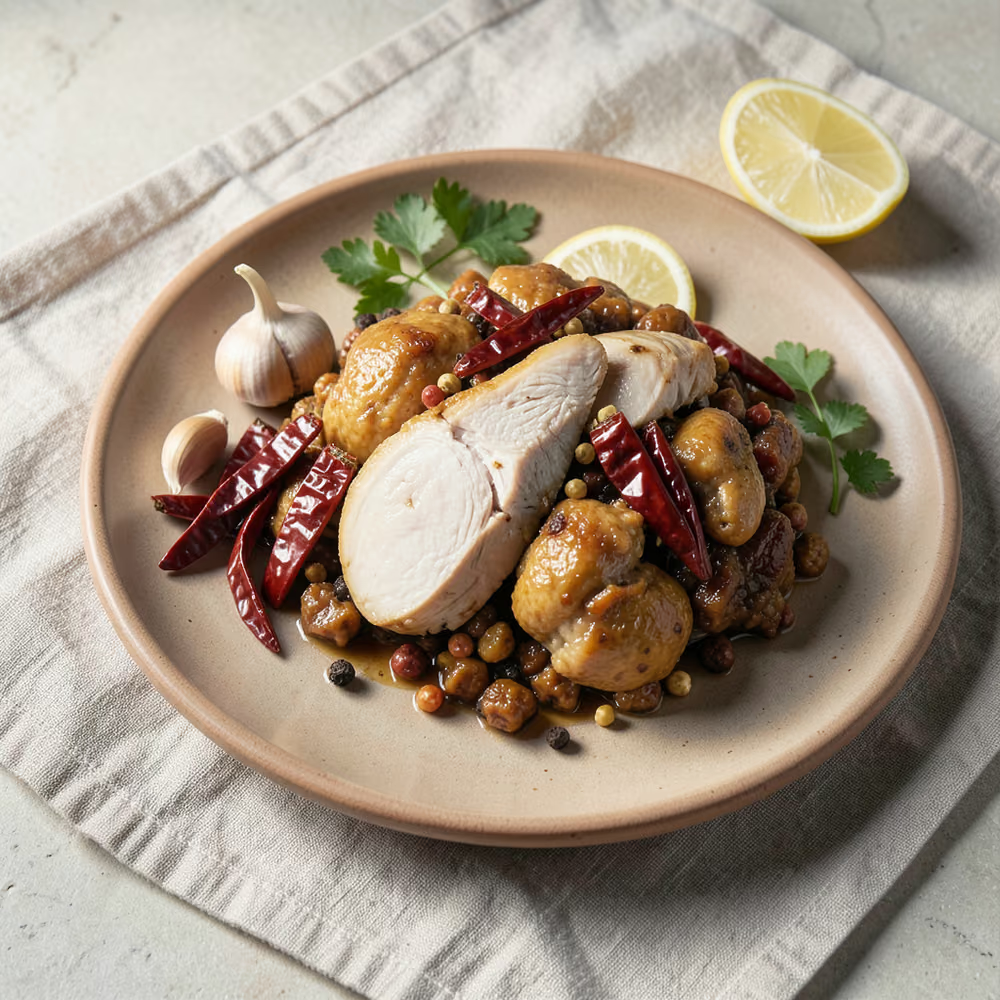
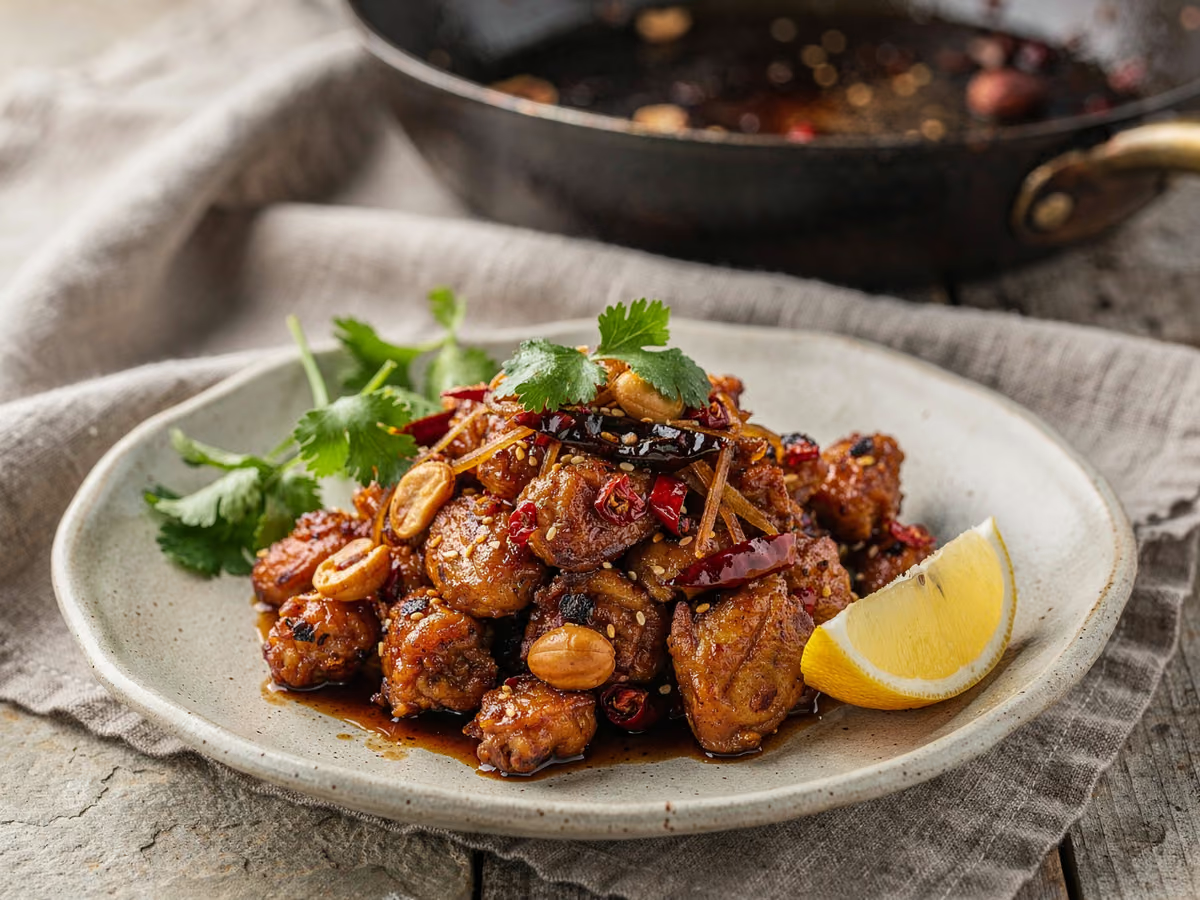
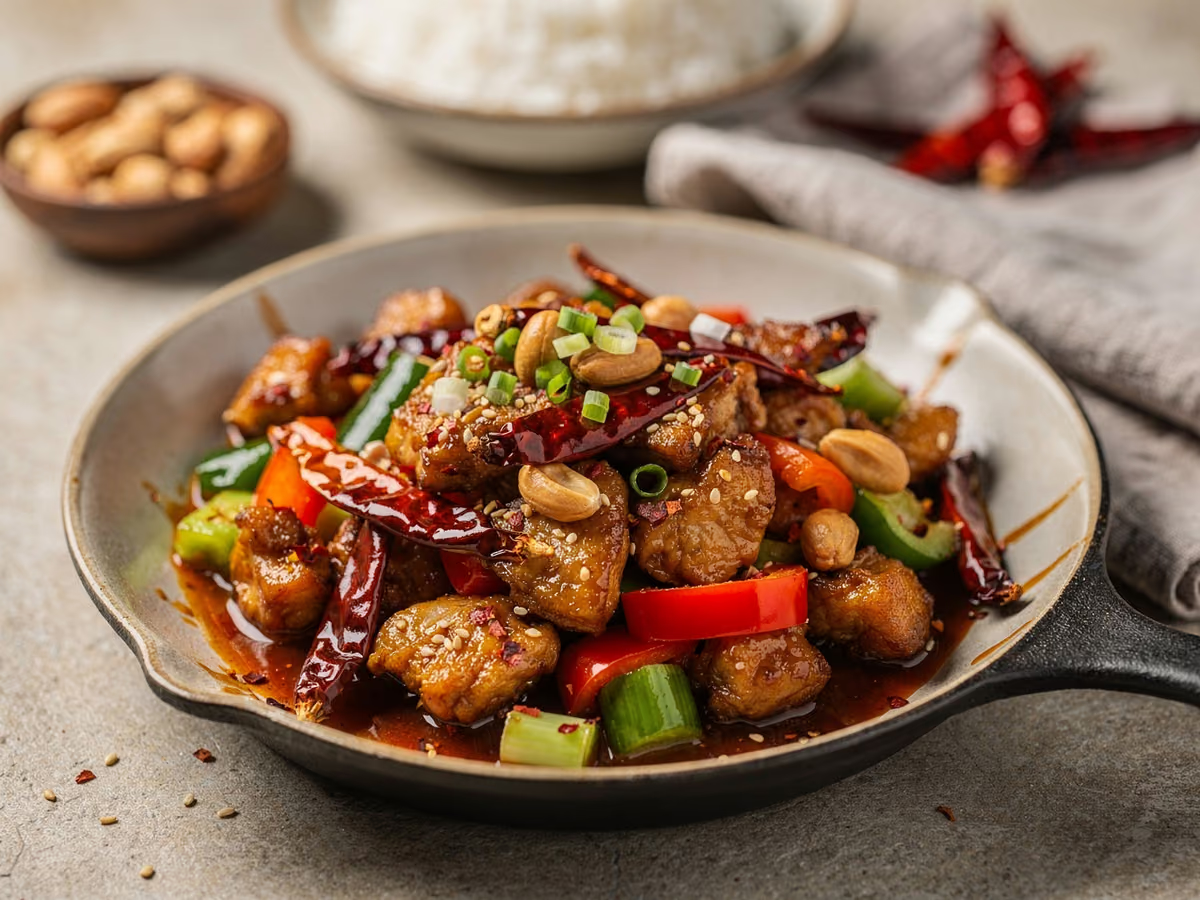
Kung pao chicken is the Sichuan stir-fry that balances sweet, sour, salty and numbing heat in one glossy glaze: 500 g of chicken breast velveted in cornstarch and soy, seared hard, then finished with 10 dried red chilies, Sichuan peppercorns, garlic, ginger, scallions and 100 g of peanuts. The wok work takes about 10 minutes once everything is cut and the marinade has had its 15; the dish is fast, but the prep is where the care goes.
- Prep
- 20 min
- Cook
- 10 min
- Total
- 45 min
- Additional time
- 15 min
- Serves
- 4
Ingredients
What you’ll need — tap to tick off as you go
- 500 g
- 3 tbsp
- 2 tbsp
- 2 tbsp
- 3 tbsp
- 1 tsp
- 3 cloves
- 1 tbsp
- 100 g
- 2 tbsp
- 1 tbsp
- 1 tbsp
- 2 tbsp
- 1 tsp
Process
Timers built in · swap anything · ask as you cook
Cut the 500 g chicken breast into 2.5 cm cubes and mix with 1 tbsp of the soy sauce, 1 tbsp of the cornstarch and the 2 tbsp water until every piece is coated. Leave to marinate for 15 minutes; the water and starch make the velvet layer that keeps the cubes tender in a hot wok, and the rest is what stops them drying out later.
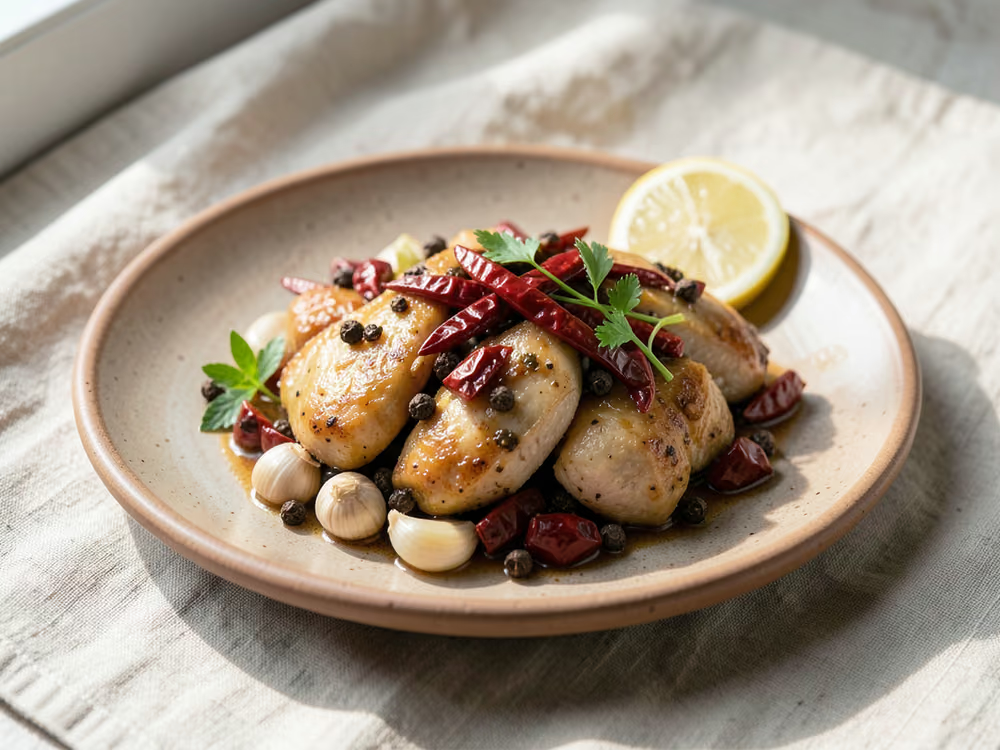
Stir the remaining 2 tbsp soy sauce with the 1 tbsp dark soy sauce, 2 tbsp rice vinegar, 1 tbsp sugar, 2 tbsp chicken broth and 1 tsp cornstarch until the sugar and starch dissolve. Keep the bowl by the stove and give it one more stir before it goes in, because the starch settles as it waits.
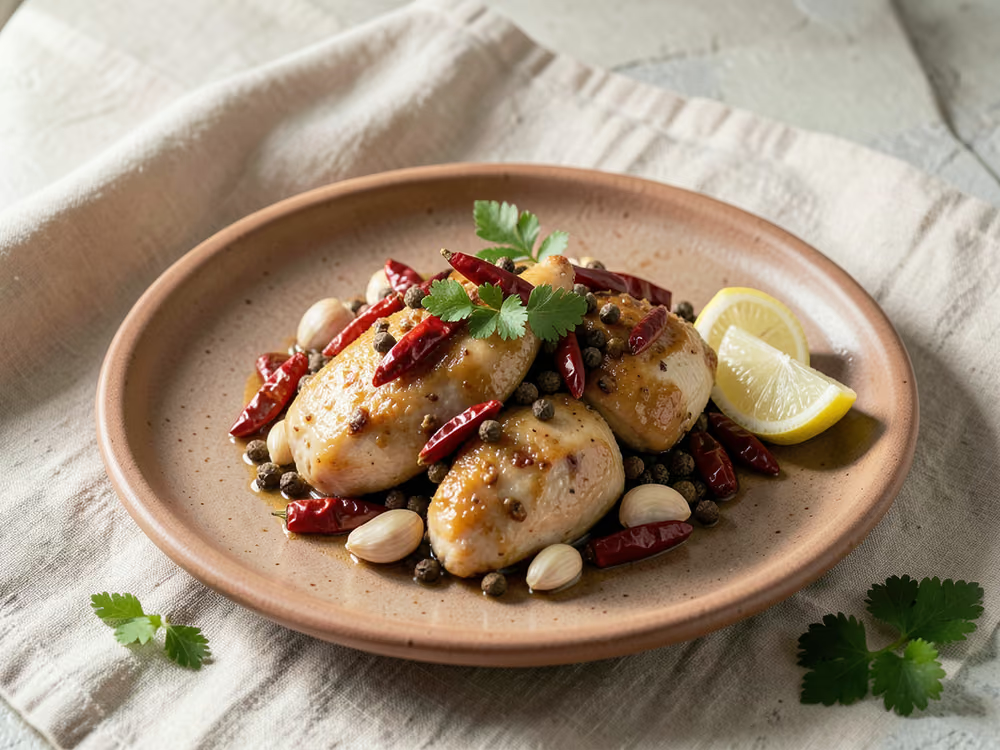
Heat 2 tbsp of the vegetable oil in a wok or large skillet over high heat until it shimmers, then add the chicken in a single layer and let it sear before you start tossing. Stir-fry for 4 to 5 minutes, until the cubes are lightly browned and just cooked through; check that the thickest piece reads 74°C, the USDA FSIS minimum for poultry, then lift them out to a bowl.
Turn the heat down to medium, add the remaining 1 tbsp oil and the 10 halved dried chilies and the 1 tsp Sichuan peppercorns. Stir constantly for about 30 seconds, until the chilies deepen to a dark red and smell toasted; they turn from fragrant to acrid in seconds, and burnt aromatics flavour everything that follows.
Add the 3 minced garlic cloves, the 1 tbsp minced ginger and the white parts of the 4 scallions, and stir-fry for another 30 seconds, until the raw edge is gone and the smell turns sweet and nutty. Keep everything moving: these aromatics catch far faster than the chilies did.
Return the chicken to the wok, stir the sauce once more and pour it in. Stir-fry over high heat for 1 to 2 minutes, until the sauce bubbles and clings to every cube in a glossy coat; the cornstarch needs that full simmering minute to thicken, so if it is still loose, keep going rather than adding more starch.
Add the 100 g roasted peanuts and the green scallion tops and toss for about a minute, just until everything is combined and hot through. This is the crunch window: the peanuts start softening after about 2 minutes against the hot sauce, so they go in last and come off the heat quickly.
Drizzle over the 1 tsp sesame oil, fold everything once more and take the wok off the heat, then serve straight away with steamed rice. Sesame oil is a finishing oil here: added at the end it stays fragrant, and added earlier it flattens into the background.
Why this recipe works
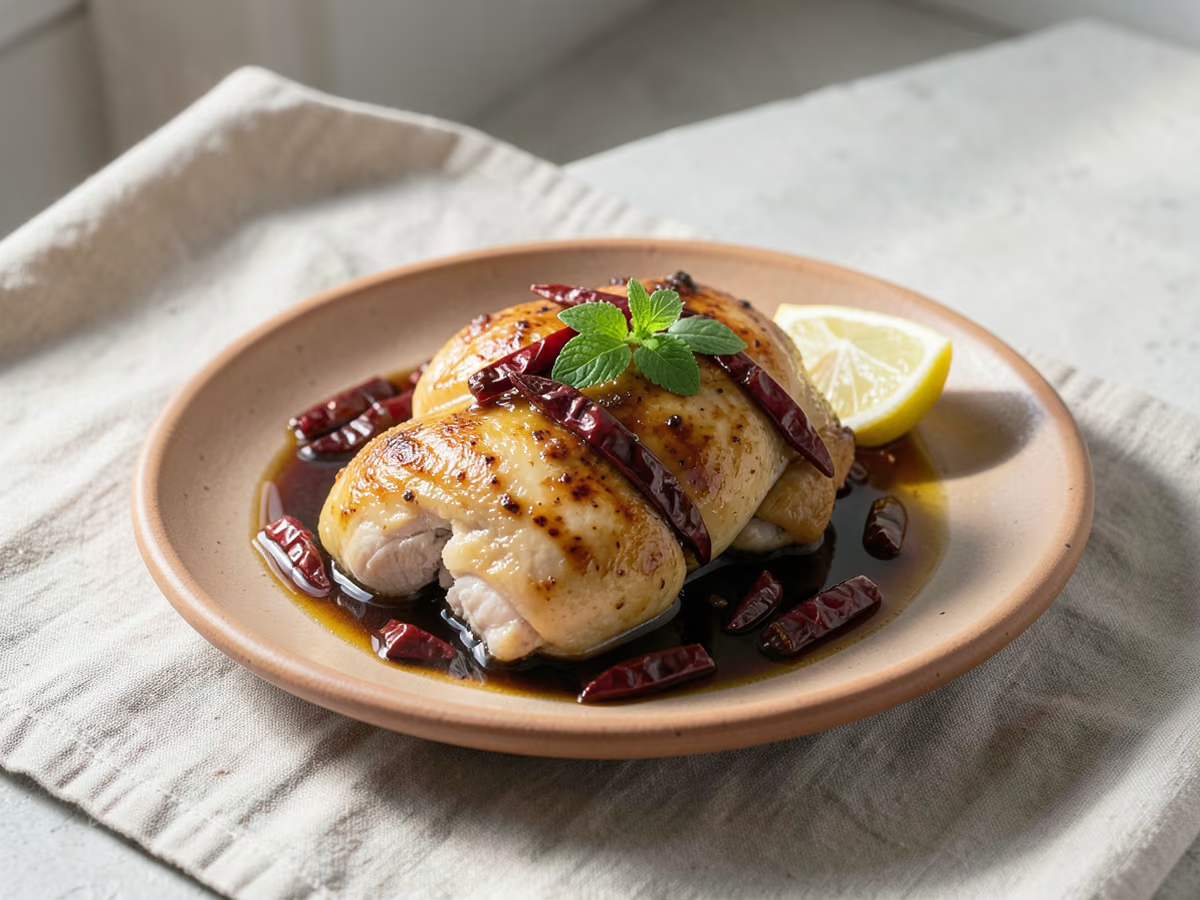
The marinade is velveting in its home form: cornstarch and water wrap each cube, and against wok heat that starch sets into a silky shell while the inside steams gently, which is why the chicken stays juicy through a hard sear. Cooking in two passes matters just as much: the chicken browns, leaves the wok, and the chilies, peppercorns, garlic and ginger bloom in fresh oil for barely 30 seconds, so their flavour infuses without scorching. When the sauce goes in, its cornstarch gelatinises at a simmer and the thin liquid turns into a glaze that clings instead of pooling. Peanuts and scallion greens go in last, where they can stay crisp.
Equipment
- Wok or large deep skillet
- Medium bowl for marinating, and a small one for the sauce
- Chef's knife and cutting board
- Measuring spoons
- Heatproof bowl for resting the seared chicken
- Instant-read thermometer
Kitchen notes
Kitchen notes
- Do every piece of cutting, measuring and mixing before the wok goes on; from the first sear to the plate is a ten-minute sprint, and there is no time to chop once the oil is hot.
- Grind your Sichuan peppercorns fresh if you can. The tingle fades within months of grinding, and this one teaspoon is half the character of the dish; whole peppercorns toasted for 30 seconds and crushed in a mortar are the upgrade.
- Pull the chicken from the wok just shy of done: it goes back into a hot sauce for its last minute, and that second cook finishes it; holding it to fully done at the sear is how cubes turn dry.
- Taste after the sauce coats and season only then. Both soy sauces bring salt, and a pinch more can be added in a second; there is no way back from a salty wok.
- Refresh the peanuts if yours have been open a while: a minute in the dry wok over medium heat brings back their toastiness, and they go into the finished dish crunchier.
Common mistakes
- A bitter, acrid batch: the chilies or peppercorns scorched. They need only 30 seconds over medium heat, and once they blacken the flavour cannot be rescued; tip them out, wipe the wok and start the step again with fresh ones.
- Rubbery chicken or steamed, grey cubes: the marinade was rushed or the wok was crowded. Give the chicken its full 15 minutes, spread it in a single layer, and sear in two batches if your pan is smaller than the pile.
- A sauce that stays thin: it did not get its simmer, or it hit a cold wok. Stir the settled starch back in, add it to a hot pan and let it bubble for the full 1 to 2 minutes; a teaspoon of cornstarch slurried in cold water tightens it further if needed.
- Peanuts with no crunch: they went in too early. They need about a minute, not five; add them with the scallion greens at the very end and toss just to combine.
- Uneven cooking, some dry and some pink: the cubes were cut to different sizes. Keep them at a uniform 2.5 cm and test the thickest piece in the pan rather than trusting the clock alone.
Serving suggestions
- Steamed white rice, one bowl per person: the glaze is intense, and plain rice is the classic partner that lets the sweet-sour-salty balance read.
- Serve family-style the moment it leaves the wok; it is eaten with chopsticks or a spoon, and the peanuts stay crisp only for the first minutes at the table.
- A plain cucumber salad or a plate of steamed greens rounds out the meal without competing: this stir-fry already carries salt, sugar and heat.
- Keep the drinks cold and simple: iced tea, barley tea or sparkling water clears the chili and the tingling heat between bites.
Variations
- Kung pao tofu or mushrooms, a different dish: use the same sauce, chilies and aromatics over firm cubed tofu or meaty sliced mushrooms in place of the 500 g chicken, and brown them well so the glaze has something to cling to.
- Extra heat, a hotter version: keep the seeds in the 10 dried chilies and slice them into rings so more of their oil reaches the wok; the tingle from the 1 tsp of peppercorns stays as it is.
- Kung pao noodles, a different build: double the sauce and toss the stir-fry through boiled wheat noodles instead of serving it with rice; add the peanuts and greens off the heat so they stay crisp.
Refrigerator
- RefrigeratorCool the dish within 1 hour, then refrigerate in an airtight container for up to 3 days; keep the peanuts separate if you can, because they soften in the sauce. The flavour deepens overnight, and the chicken stays tender.
- ReheatingReheat in a skillet or wok over medium heat for 3 to 4 minutes with a splash of water or chicken broth, or covered in the microwave at 70 percent power for 2 to 3 minutes; either way, bring the chicken to 74°C before eating. Scatter fresh peanuts and scallion greens on top.
- FreezingUp to 2 months in a freezer-safe container. The peanuts and scallions will lose their texture, so add fresh ones after reheating; thaw overnight in the fridge for the best result.
- Make aheadThe marinade and the mixed sauce both keep in the fridge for up to 24 hours, which turns the stir-fry itself into a ten-minute job. A fully cooked batch holds for up to 3 days: reheat it quickly in a hot wok and add the crunchy bits at the end.
Updated:
How this recipe was developed
- The Woks of Life kung pao chicken (velveted chicken breast, two-stage stir-fry with the chicken seared first, chilies and Sichuan peppercorn bloomed briefly, cornstarch-thickened sauce stirred in at high heat, peanuts added last)
- The Woks of Life guide to velveting chicken for stir-fry (water, soy sauce and cornstarch marinade absorbed into the cubes; seared in a single layer over high heat; the coating keeps the meat tender and juicy)
- USDA FSIS safe minimum internal temperatures (poultry 74°C; leftovers reheated to 74°C)
- USDA FSIS leftovers and food safety guidance (refrigerate within 2 hours; 3 to 4 days in the fridge; freeze for longer storage)
Editorial references are kept internally for verification. This page makes no claim of external certification or professional testing.
Gallery
FAQ
The questions we get asked most
Why did my kung pao chicken turn out bitter?
The chilies and peppercorns were almost certainly scorched. They need only about 30 seconds over medium heat, and if the oil smokes or they darken past a deep red they turn acrid. Tip out that batch, wipe the wok and start the step again with fresh aromatics.
How do I know the chicken is fully cooked?
The cubes should be opaque white through the centre and feel firm and springy when pressed. Cut the thickest one open to check, or use a thermometer: 74°C is the USDA FSIS minimum for poultry. If any pink remains, stir-fry for 1 more minute before the sauce goes in.
Can I make this dish less spicy?
Yes. Use 4 of the 10 dried chilies and shake out most of the seeds, since the seeds carry much of the heat. Keep the 1 tsp of Sichuan peppercorns for the signature tingle, or halve them for a very gentle version, and taste the sauce before it goes in.
Why is my sauce thin instead of coating the chicken?
The cornstarch needs 1 to 2 minutes of simmering in a hot wok to thicken, so keep stirring once it goes in. If it is still loose, whisk 1 tsp of cornstarch with 1 tbsp of cold water and stir that in; a sauce added to a cold pan will never tighten properly.
Can I make kung pao chicken ahead of time?
The marinade and the sauce can be mixed up to 24 hours ahead and kept covered in the fridge. For a cooked version, stir-fry everything except the peanuts and scallion greens, refrigerate for up to 3 days, then reheat in a hot wok for 3 to 4 minutes and fold in the fresh crunchy bits.
Can I use frozen chicken?
Yes, if it is fully thawed in the fridge overnight and patted dry. Wet surfaces shed the marinade and steam instead of searing, which is the difference between tender cubes and rubbery ones.
Ask KitchenMind about this recipe
Tell it what’s different tonight — it works within the actual recipe.