- Prep
- 20 min
- Cook
- 50 min
- Total
- 70 min
- Serves
- 6
Ingredients
What you’ll need — tap to tick off as you go
- 400 g
- 4 tbsp
- 3 cloves
- 2 tbsp
- 400 g
- 1 ¼ l
- 200 g
- 200 g
- 1 tsp
- 1 tsp
- ½ tsp
Process
Timers built in · swap anything · ask as you cook
Heat 3 tbsp olive oil in a large heavy pot over medium heat. Add the chopped onion, diced carrots, and diced celery. Cook, stirring occasionally, until softened and lightly golden, about 8 minutes.
Add the minced garlic and tomato paste. Cook for 1 minute, stirring constantly, until the paste darkens slightly and smells sweet.
Stir in the canned chopped tomatoes, vegetable broth, dried thyme, salt, and black pepper. Bring to a gentle simmer.
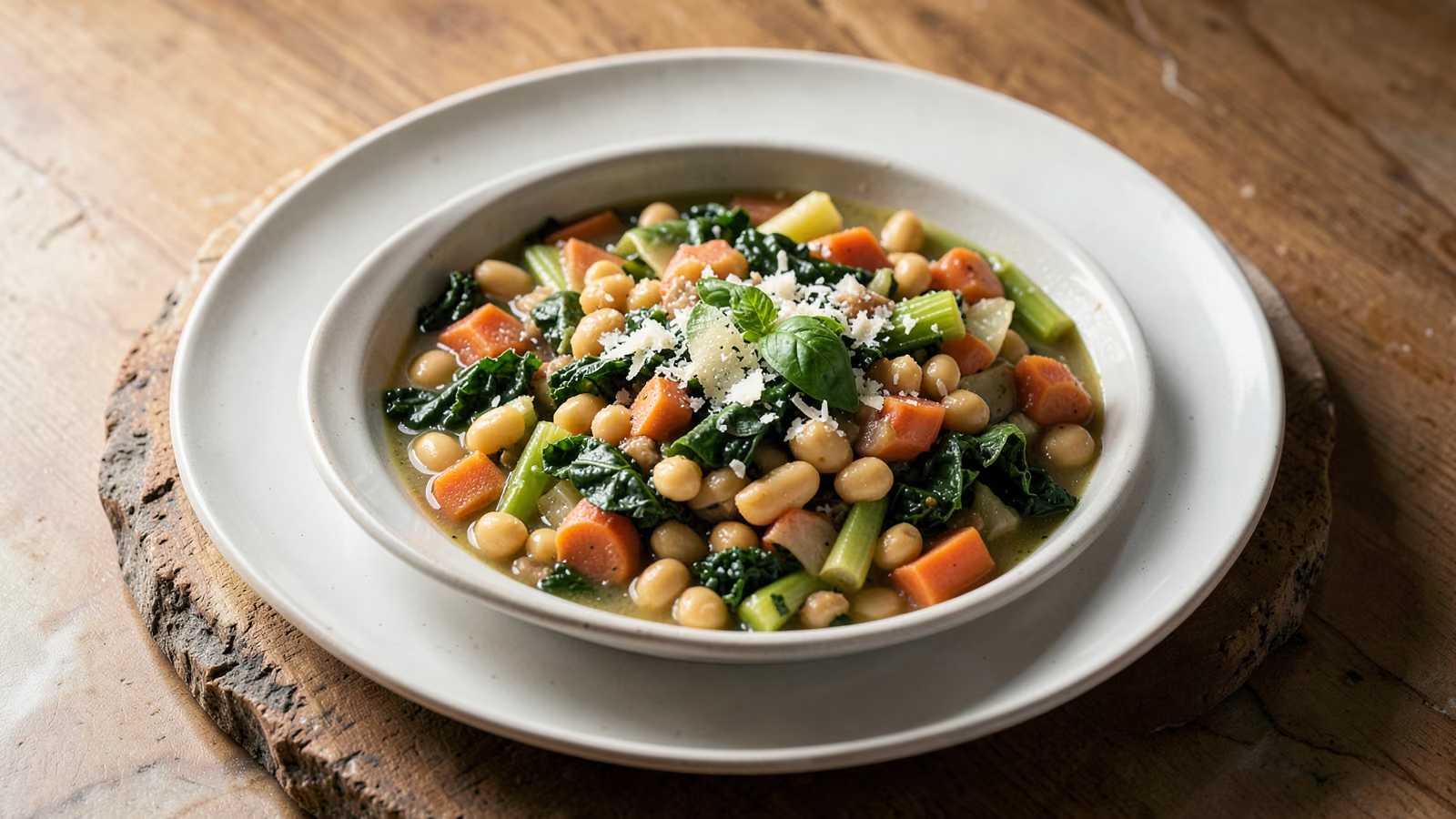
Add half of the cannellini beans (200 g). Use a potato masher or the back of a spoon to mash the remaining 200 g beans directly in the pot or in a bowl, then stir the mashed beans into the soup. This thickens the broth.
Simmer uncovered over medium-low heat for 20 minutes, stirring occasionally, until the vegetables are tender and the broth has reduced slightly.
Stir in the chopped kale and cook for 10 minutes, until wilted and tender.
Add the torn stale bread. Stir well, pressing the bread into the liquid. Simmer for 10 more minutes, stirring often, until the bread breaks down and the soup becomes thick and porridge-like. If it becomes too thick, add a splash of vegetable broth or water.
Taste and adjust salt and pepper. Remove from heat and let rest for 5 minutes. Ladle into bowls and drizzle each serving with the remaining 1 tbsp olive oil.
Kitchen notes
Kitchen notes
- The most common mistake is using fresh bread instead of stale: fresh bread turns gummy and dissolves too quickly. Use bread that is at least 2 days old and hard.
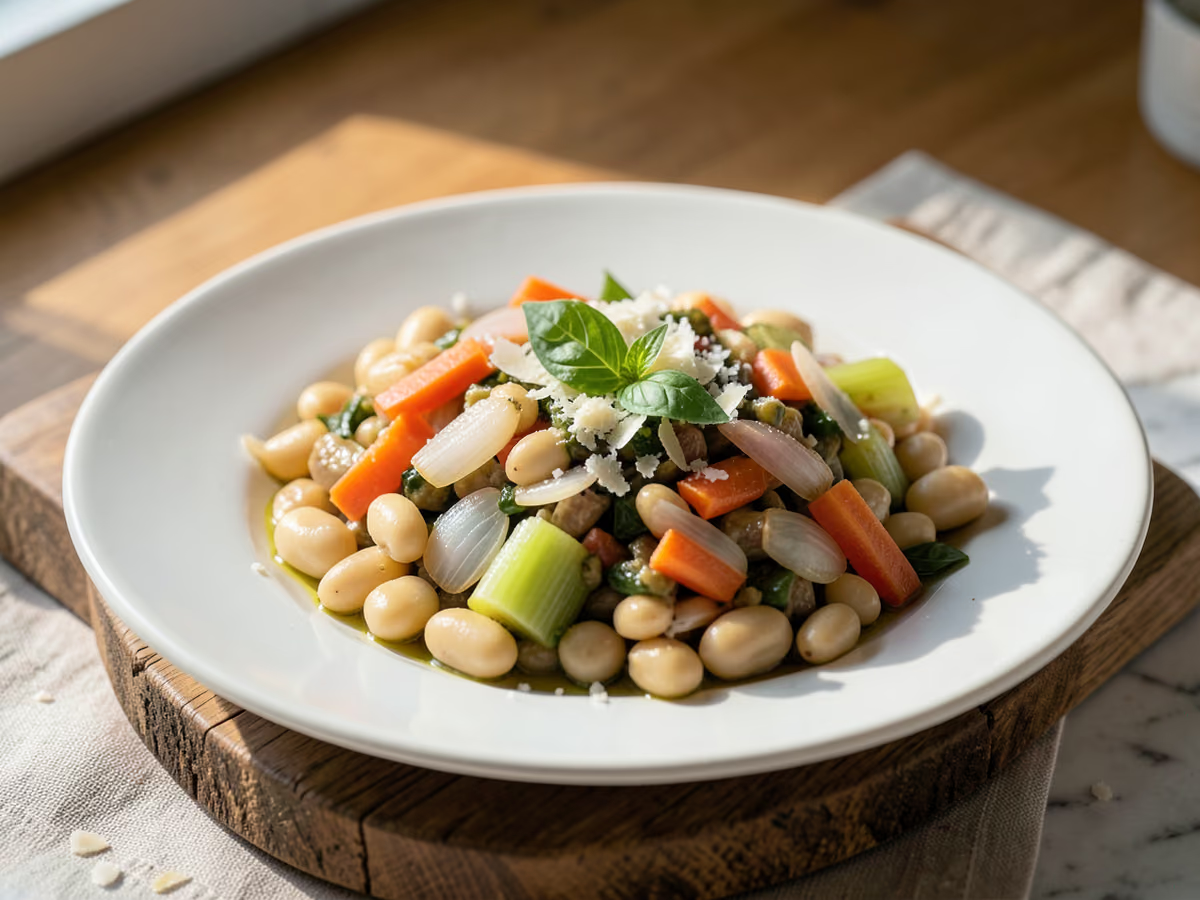
- Mashing half the beans is what gives ribollita its signature creamy body without cream. Do not skip this step or the soup will be thin.
- Ribollita is traditionally made a day ahead and reheated; the flavor deepens overnight. If you can, cool it completely and refrigerate, then reheat gently the next day.
- Kale can be replaced with savoy cabbage or Swiss chard. If using chard, add the chopped stems with the carrots for extra texture.
Substitutions
- cannellini beans→borlotti beans or white kidney beans
- kale→savoy cabbage or Swiss chard
- vegetable broth→water with an extra pinch of salt
- dried thyme→dried oregano or a fresh rosemary sprig
Storage & reheating
Store ribollita in an airtight container in the refrigerator for up to 4 days. It thickens considerably when cold; reheat in a saucepan over medium-low heat, adding 2-4 tbsp water or vegetable broth per serving to loosen it back to a spoonable consistency. Stir frequently and bring to a gentle simmer before serving. Ribollita freezes well for up to 3 months; thaw overnight in the refrigerator before reheating. Do not microwave from frozen as the bread can become rubbery.
FAQ
The questions we get asked most
Why is my ribollita too thin?
You likely did not mash enough beans or did not cook it long enough after adding the bread. Mash half the beans thoroughly and simmer the soup uncovered after adding the bread until it reaches a porridge-like consistency. If it is still thin, simmer 5-10 more minutes, stirring often.
Can I use fresh bread instead of stale?
Fresh bread will make the soup gluey and pasty because it breaks down too fast. If you only have fresh bread, tear it into chunks and leave it uncovered at room temperature for a few hours, or toast it lightly in a dry pan until dry and crisp before adding.
How do I know when ribollita is done?
The soup is ready when the bread has completely broken down into the broth and the texture is thick enough that a spoon stands upright in the center for a moment. The vegetables should be very tender and the color deep and rich. Taste for salt before serving.
Can I make ribollita ahead of time?
Yes, ribollita is actually better made a day ahead. Cool it completely, refrigerate in an airtight container, and reheat gently the next day with a splash of broth or water. The flavors meld and the texture improves overnight.
Can I freeze ribollita?
Yes, freeze it in portions for up to 3 months. Thaw overnight in the refrigerator, then reheat in a saucepan over medium-low heat, stirring and adding liquid as needed. The potatoes and bread may soften further, but the taste remains good.
What can I use instead of kale?
Savoy cabbage, Swiss chard, or collard greens all work well. If using chard, chop the stems and add them with the carrots. Spinach is not ideal because it becomes too soft and watery; if you use it, add it only in the last 2 minutes of cooking.
Is ribollita supposed to be thick like a stew?
Yes, traditional ribollita is very thick, almost like a bread porridge, not a brothy soup. It should be dense enough to eat with a fork. If you prefer a looser soup, add more broth, but note that this deviates from the classic Tuscan texture.
Ask KitchenMind about this recipe
Tell it what’s different tonight — it works within the actual recipe.