- Prep
- 20 min
- Cook
- 60 min
- Total
- 80 min
- Serves
- 6
Ingredients
What you’ll need — tap to tick off as you go
- 400 g
- 250 g
- 300 g
- 250 g
- 3 cloves
- 400 g
- 1 ¼ l
- 4 tbsp
- 1 tsp
- 1 tsp
- 1 tsp
- ½ tsp
Process
Timers built in · swap anything · ask as you cook
Heat 2 tbsp olive oil in a large heavy pot over medium heat. Add the onion, carrots and celery and cook for 8 to 10 minutes, stirring, until soft and lightly golden.
Add 2 sliced garlic cloves, the rosemary and the thyme and cook for 1 minute until fragrant, then stir in the tomato passata and cook for 3 minutes.
Add the kale and savoy cabbage and stir for 2 minutes until they begin to wilt into the base.
Pour in the hot vegetable broth, add 1 tsp fine salt and 0.5 tsp black pepper, and bring to a gentle simmer. Cook uncovered for 20 minutes.
Add the cannellini beans and simmer for 10 minutes, then mash about a third of the beans against the side of the pot with a wooden spoon to thicken the broth.
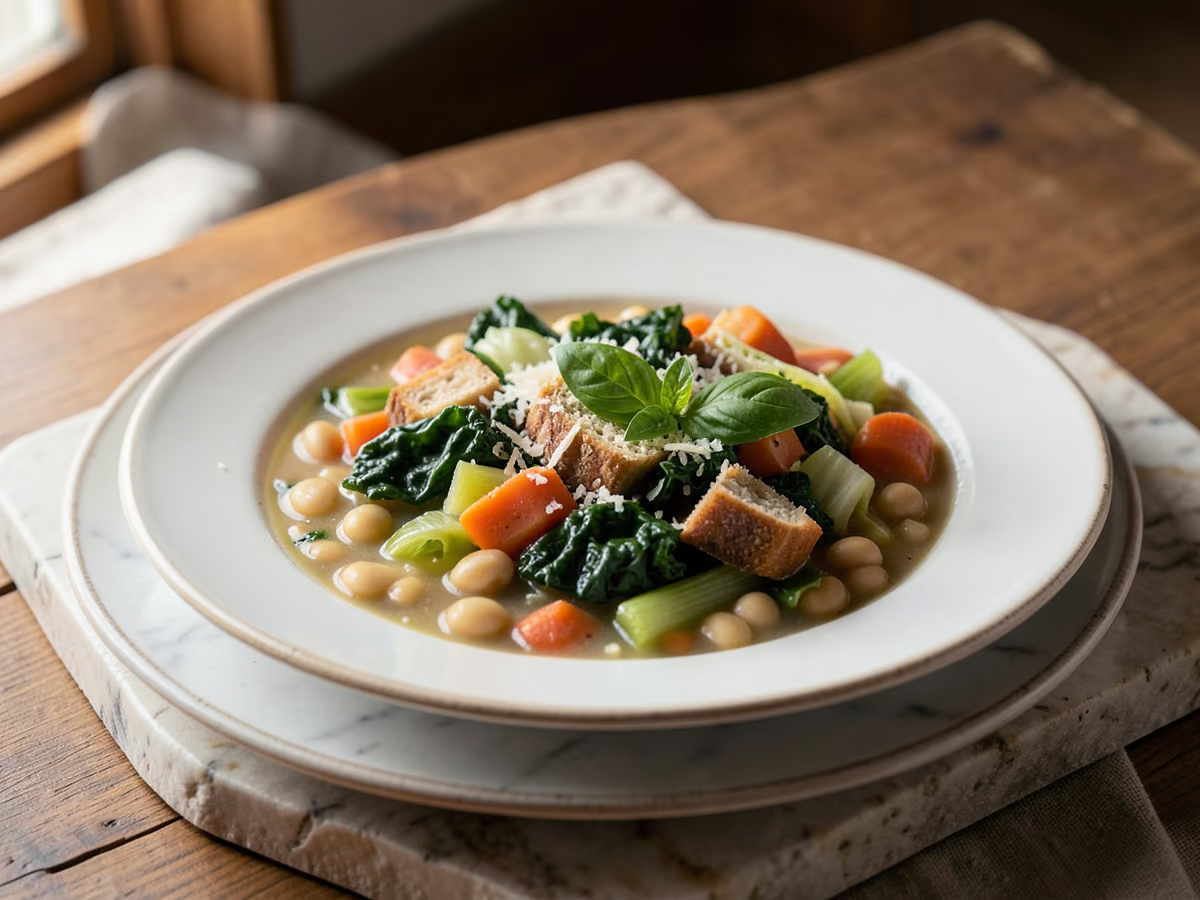
Stir in the torn bread, pressing it under the liquid. Simmer for 15 minutes, stirring every few minutes, until the bread collapses and the soup is thick enough that a spoon leaves a clear trail.
If it is too thick, add hot vegetable broth a ladle at a time; the finished soup should be spoonable, not stiff. Taste and adjust salt and black pepper.
Take the pot off the heat and rest for 10 minutes. Stir in the remaining 1 grated garlic clove and 2 tbsp raw olive oil, then ladle into bowls and finish with more black pepper and olive oil.
Kitchen notes
Kitchen notes
- The classic mistake is adding the bread too early or too much liquid: add bread only after the vegetables are fully tender, and keep the soup at a gentle simmer so the bread melts into the broth instead of turning gluey.
- Doneness marker: the soup is ready when a spoon dragged across the bottom of the pot leaves a trail that fills in slowly, and the bread has no visible cubes left.
- Ribollita is traditionally better the next day; if you plan to eat it later, cook it slightly looser than you want, because it firms up considerably as it cools.
- Use a heavy-bottomed pot and stir every few minutes during the bread stage; the starch in the bread sinks and catches on the base of thin pans.
Substitutions
- kale→cavolo nero or spinach (spinach needs only 5 minutes of cooking)
- savoy cabbage→green cabbage or chard
- cannellini beans→borlotti or pinto beans, cooked and drained
- vegetable broth→water plus 1 extra tsp salt and 1 tbsp olive oil
- tomato passata→canned chopped tomatoes blended smooth
Storage & reheating
Cool within 1 hour, then store in an airtight container in the fridge for up to 4 days; the flavor deepens after a day. It freezes well for up to 2 months in a sealed container, though the bread will fully break down. Reheat gently on the stovetop over low heat with a splash of water or broth, stirring often, until steaming; do not boil hard or the bottom will scorch. Reheat only the portion you need.
FAQ
The questions we get asked most
Why did my ribollita turn out gluey or pasty?
Too much bread or too little liquid is the usual cause. Use no more than 250 g bread for 1.2 l broth, add the bread only after the vegetables are tender, and keep the pot at a bare simmer. If it tightens up, whisk in hot broth a ladle at a time until it is spoonable again.
Can I use fresh bread instead of stale bread?
Yes, but dry it first. Spread torn pieces on a tray and leave them uncovered for a few hours, or toast them in a 150°C oven for 10 to 12 minutes until dry and crisp. Fresh soft bread dissolves too fast and makes the soup pasty.
How do I know when ribollita is done?
The bread should have no visible cubes left and the soup should be thick enough that a spoon drawn across the pot bottom leaves a trail that fills in slowly. The greens must be fully soft, not chewy. If it looks like a vegetable soup with floating bread, simmer it 5 to 10 minutes longer.
Can I make ribollita ahead of time?
Yes, and it is arguably better the next day. Cook it fully, cool it within 1 hour, and refrigerate for up to 4 days. Reheat over low heat with a splash of broth, since it thickens a lot overnight. Add the raw garlic and finishing olive oil only after reheating.
Can I freeze ribollita?
It freezes for up to 2 months in a sealed container, but the bread breaks down completely and the texture becomes softer and more porridge-like. Thaw overnight in the fridge and reheat gently on the stovetop. If you want it closer to the original texture, freeze it before adding the bread and stir in fresh bread when reheating.
Can I use canned beans instead of dried?
Yes, and it saves time. Use 400 g drained canned cannellini, add them in step 5, and simmer only 10 minutes so they do not turn mushy. If you cook dried beans, reserve their cooking liquid and use it as part of the broth for extra body.
Is ribollita supposed to be vegetarian?
The traditional Tuscan version often uses meat or chicken broth, but this recipe uses vegetable broth, so it is fully vegetarian and vegan as written. Check your bread label if you need it to be vegan, since some loaves contain milk or honey.
Ask KitchenMind about this recipe
Tell it what’s different tonight — it works within the actual recipe.