- Prep
- 25 min
- Cook
- 45 min
- Total
- 70 min
- Serves
- 6
Ingredients
What you’ll need — tap to tick off as you go
- 2 tbsp
- 300 g
- 200 g
- 400 g
- 400 g
- 1 ½ l
- 100 g
- 1 tsp
- ½ tsp
- 60 g
- 3 cloves
- 80 ml
- 40 g
Process
Timers built in · swap anything · ask as you cook
Warm the 2 tbsp olive oil in a large pot over medium heat. Add the diced onion, carrots and celery and cook for 8 minutes, stirring, until soft but not browned.
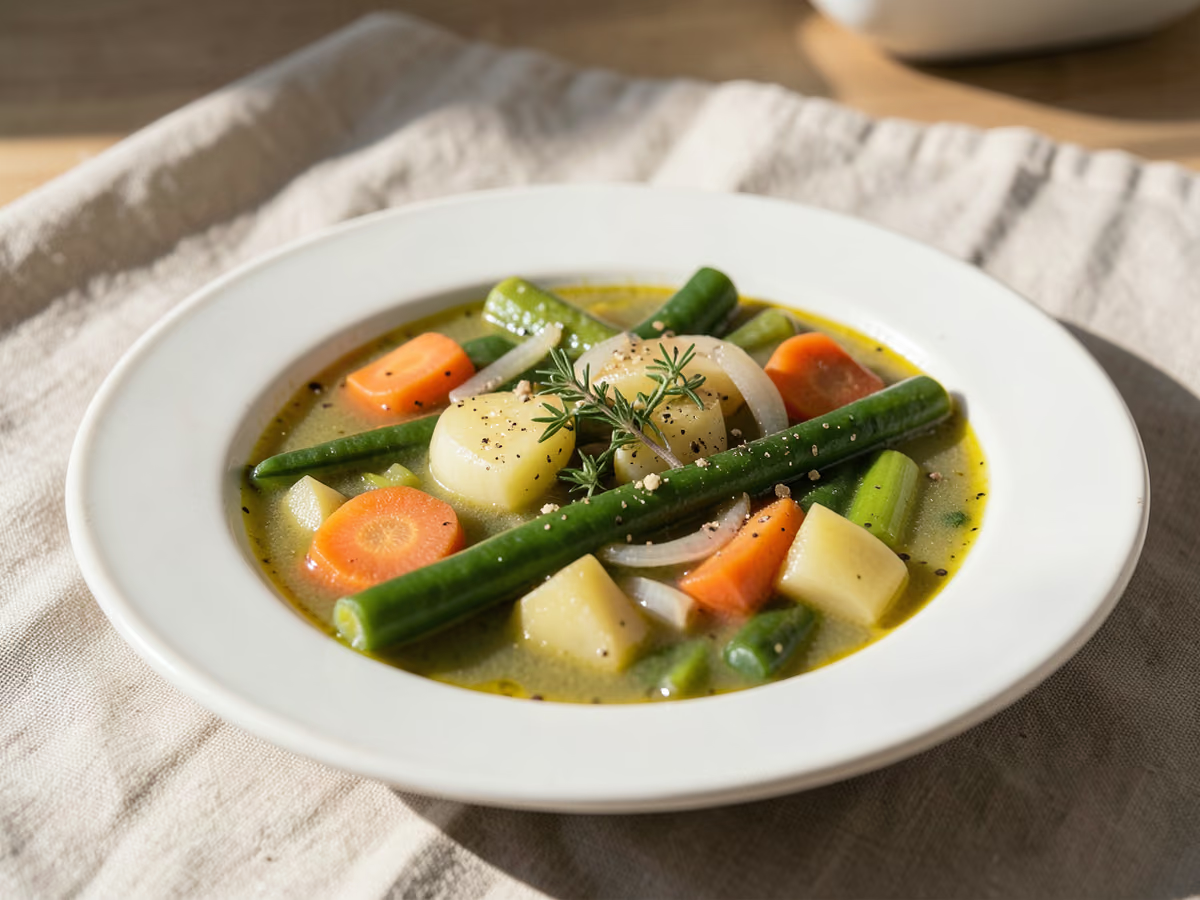
Add the potatoes, green beans, courgettes, canned chopped tomatoes, canned white beans, hot vegetable stock, 1 tsp fine salt and the black pepper. Bring to a gentle simmer.
Simmer uncovered for 20 minutes, until the potatoes and carrots are just tender when pierced with a knife.
Stir in the small pasta and cook for a further 8 to 10 minutes, until the pasta is al dente. Taste and adjust the salt.
Meanwhile make the pistou: pound the fresh basil leaves and garlic cloves in a mortar, or pulse in a small food processor, then gradually work in the 80 ml extra virgin olive oil to make a loose green paste.
Take the soup off the heat. Stir half the pistou through the pot, then ladle into bowls and spoon the rest on top. Scatter with grated parmesan if using and serve.
Kitchen notes
Kitchen notes
- The most common mistake is boiling the pistou: adding it to a bubbling pot turns the basil black and bitter. Always stir it in off the heat, just before serving.
- Cut all the vegetables to roughly the same 2 cm size so they finish cooking together; the potatoes should be tender but still hold their shape, not dissolving into the broth.
- Cook the pasta directly in the soup only if serving everything at once. If you plan on leftovers, boil the pasta separately and add it per bowl, otherwise it swells and turns the soup stodgy.
- A mortar gives a silkier, more fragrant pistou than a blender, which can heat and oxidise the basil. If using a processor, pulse in short bursts.
Substitutions
- canned white beans→250 g cooked dried cannellini beans
- courgettes→diced aubergine or extra green beans
- small pasta→broken vermicelli or small shell pasta
- parmesan→grated pecorino or a dairy-free hard cheese
Storage & reheating
Cool the soup within 2 hours and refrigerate in an airtight container for up to 3 days; keep the pistou separately in a small jar with a film of olive oil on top for up to 2 days. The soup freezes well without the pasta or pistou for up to 3 months. Reheat gently on the stovetop over medium heat until steaming, adding a splash of stock or water if it has thickened, and stir in fresh pistou only after reheating.
FAQ
The questions we get asked most
Why did my pistou turn dark and bitter?
The basil was either heated or blended too long. Basil oxidises and turns black above about 60°C, so the pistou must never be boiled. Pound or pulse it cold, add it off the heat, and serve any extra at the table rather than cooking it in.
Can I make soupe au pistou ahead of time?
Yes, the vegetable base can be made up to 2 days ahead and refrigerated, which actually improves the flavour. Cook the pasta and make the pistou on the day you serve, then reheat the base gently and finish. If you must make the whole soup ahead, leave out the pasta and add it when reheating.
How do I stop the pasta from soaking up all the broth?
Cook the pasta separately in salted water and add it to each bowl, or cook it in the soup only when you are serving immediately. Pasta left sitting in the pot keeps absorbing liquid, so the soup turns thick and gluey by the next day.
Can I use dried beans instead of canned?
Yes. Soak 150 g dried cannellini beans overnight, drain, and simmer in unsalted water for 45 to 60 minutes until tender, then add them with the stock. Dried beans give a firmer texture and a better broth, but add roughly 1 hour to the total time.
What vegetables can I add or swap?
This soup is built for summer vegetables, so shelled fresh beans, peas, diced aubergine or spinach all work. Add quick-cooking greens like spinach in the last 5 minutes. Avoid strong vegetables such as broccoli or cabbage, which overwhelm the basil.
How do I know when the soup is done?
The potatoes and carrots should be tender enough to crush easily against the side of the pot with a spoon, and the pasta should be al dente with no chalky centre. If the vegetables are still firm, simmer 5 more minutes before adding the pasta.
Can I freeze soupe au pistou?
Freeze the vegetable base without pasta or pistou for up to 3 months in a sealed container, leaving 2 cm of headspace. Thaw overnight in the fridge and reheat gently. Potatoes can turn slightly grainy after freezing, so stir well and adjust the seasoning.
Ask KitchenMind about this recipe
Tell it what’s different tonight — it works within the actual recipe.