Sweet Balaleet Vermicelli
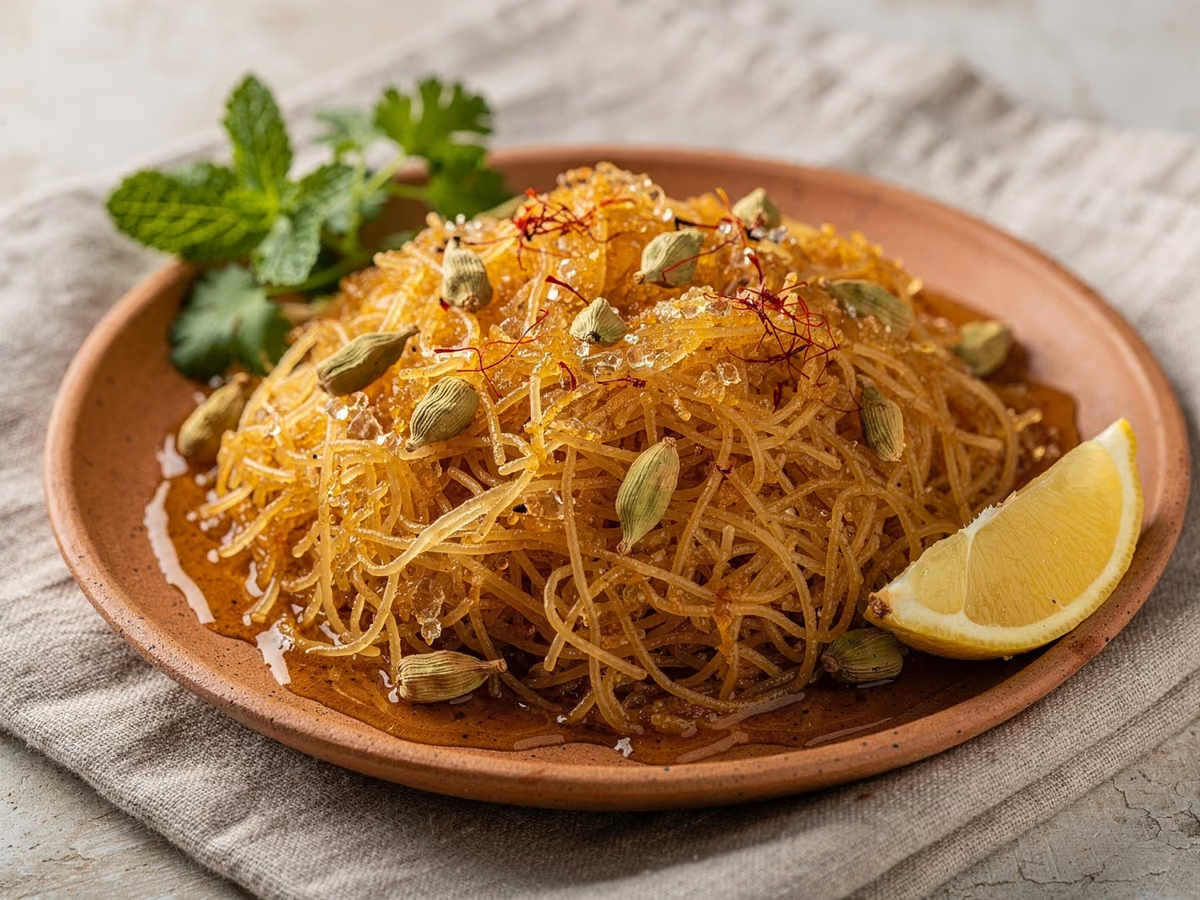
Balaleet is the Emirati breakfast that puts a sweet course and a savoury one on the same plate: fine vermicelli toasted in ghee, then simmered with cardamom and saffron until every strand turns gold, finished with rose water and topped with a thin omelet cut into ribbons. The toasting gives the noodles their nutty backbone, and the plain omelet is the counterweight that keeps the sugar in check. Prep is 10 minutes and the cook is 20, most of it quiet simmering, which is why it survives as a weekday breakfast across the Gulf.
- Prep
- 10 min
- Cook
- 20 min
- Total
- 30 min
- Serves
- 4
Ingredients
What you’ll need — tap to tick off as you go
- 3 tbsp
- 200 g
- 500 ml
- 100 g
- ¼ tsp
- 1 tbsp
- ¼ tsp
- 1 tbsp
Process
Timers built in · swap anything · ask as you cook
Melt 2 tbsp of the ghee in a wide non-stick skillet over medium heat, add the 200 g of broken vermicelli and toast for 3 to 4 minutes, stirring constantly with a wooden spoon. The strands should turn an even golden brown and smell nutty; that colour is the backbone of the dish, and it crosses into bitter in seconds, so do not step away from the pan.
Pour the 500 ml of boiling water over the toasted vermicelli in one careful movement, standing back from the steam, then add the 100 g of sugar, the 4 lightly crushed cardamom pods and the 0.25 tsp of saffron with its 2 tbsp of soaking water. Stir to combine; the boiling water starts the starch softening, and stirring now stops the sugar settling and scorching on the base.
Reduce the heat to low, cover the pan and simmer for 8 to 10 minutes, until the noodles are tender with no chalky bite and the liquid has been absorbed. Taste a strand at 8 minutes, because thin vermicelli can be ready early; if liquid still pools at 10 minutes, uncover the pan and cook for 1 to 2 minutes more.
Take the pan off the heat and stir in the 1 tbsp of rose water and the remaining 1 tbsp of ghee. Off the heat is the point: the perfume of rose water is volatile and turns flat and bitter when it boils, while the ghee melts into a gloss that keeps every strand loose. Cover the pan and keep it warm while you make the omelet.
Whisk the 3 eggs with the 0.25 tsp of salt. Heat the 1 tbsp of vegetable oil in a 20 cm non-stick pan over medium-low heat, pour in the eggs and tilt to spread them thin. Cook for 2 to 3 minutes until the surface is fully set, the USDA FSIS standard of 71°C for egg dishes, then flip and cook 1 minute more. Slide onto a plate and cut into strips.
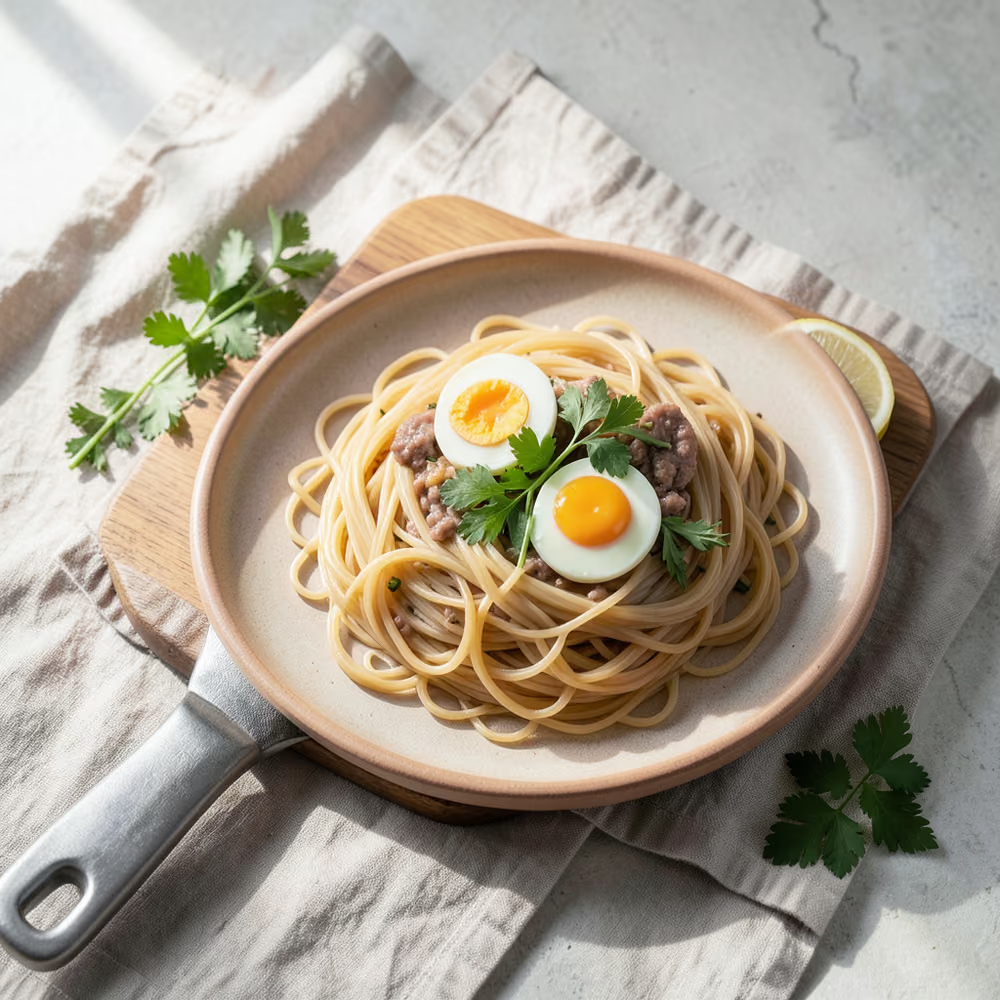
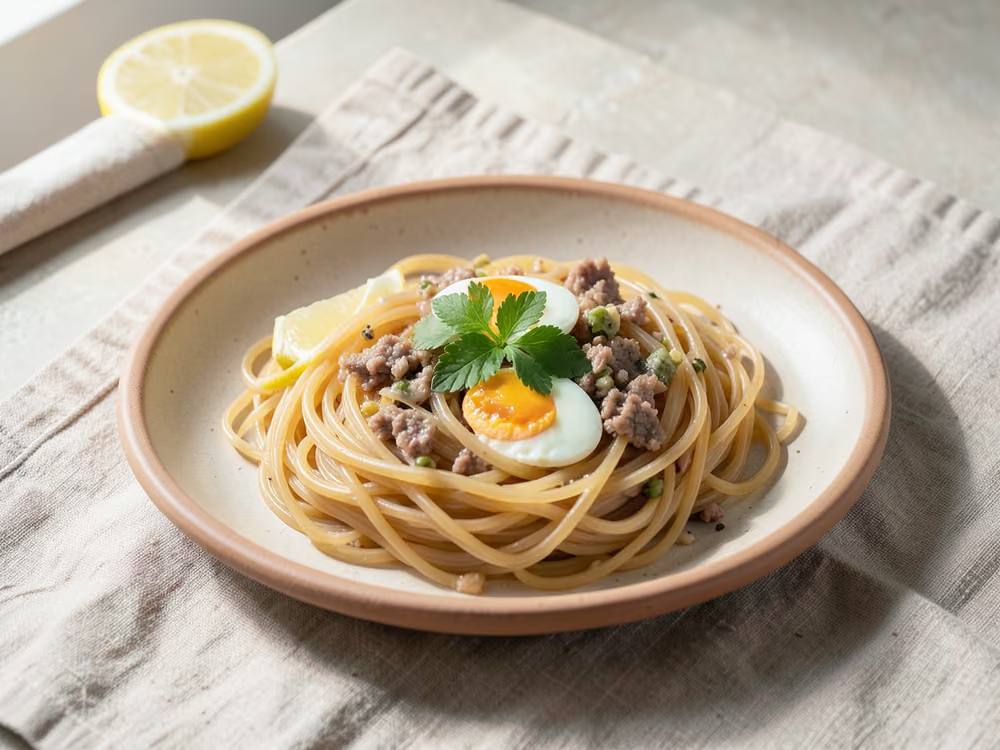
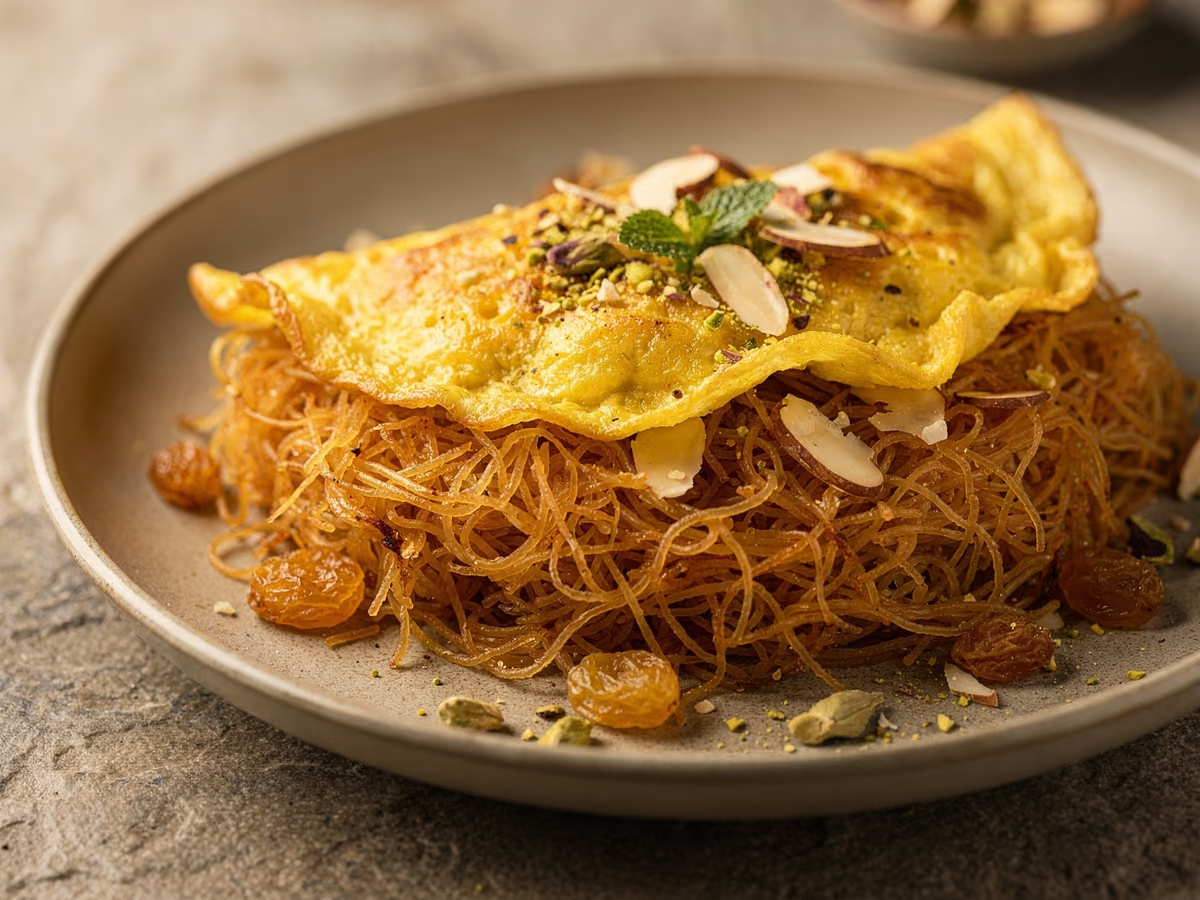
Mound the sweet vermicelli on a warmed serving platter and lay the omelet strips over the top, then serve while everything is warm. Eat the noodles and the egg together in one spoonful: the plain omelet is the counterweight to 100 g of sugar and the aromatics, and the two halves only make sense as a single bite.
Why this recipe works
Toasting is not decoration: dry vermicelli in hot ghee browns and develops the nutty notes of the Maillard reaction before any liquid arrives, and the fat coats every strand so the noodles stay separate once the syrup forms. The sugar goes in with the water, not at the end, so it dissolves into what the noodles absorb, and what is left reduces to a clinging glaze instead of pooling. Cardamom and saffron simmer with the noodles, where heat draws their colour and aroma into the pan, while rose water goes in off the heat because its perfume is volatile and cooking turns it flat. The omelet stays thin and barely coloured so the savoury counterweight lands.
Equipment
- Wide non-stick skillet, about 28 cm, with a lid
- Small non-stick omelet pan, 20 cm
- Wooden spoon or heatproof spatula
- Small cup for blooming the saffron
- Whisk or fork for the eggs
- Wide slotted spatula for turning the omelet
- Serving platter, warmed
Kitchen notes
Kitchen notes
- Bloom the saffron properly: crush the 0.25 tsp of threads with a pinch of the 100 g of sugar, add the 2 tbsp of warm water and leave it for at least 5 minutes, until the liquid turns deep amber. Saffron releases its colour only in liquid, and dry threads dropped straight into the pan stain unevenly and waste most of their aroma.
- Weigh the noodles rather than eyeballing them. The volume of broken vermicelli varies wildly with how finely it is snapped, and more than 200 g in a 28 cm pan leaves the noodles soupy and the top layer undercooked against the 500 ml of water.
- Keep the omelet plain: salt only. Sugar or spice in the eggs blurs the sweet-savoury line the plate depends on, and a lightly seasoned omelet is the point, because it resets your palate between spoonfuls of sweet noodles.
- Break the vermicelli inside the sealed bag, pressing down with the heel of your hand. The shards stay contained, you get even 2-inch pieces without chasing noodles across the counter, and the offcuts are easier to spoon than long coils.
- Warm the plates for a breakfast table. Sweet noodles stiffen as they cool and read heavier on a cold plate, while 4 warmed plates keep the strands loose to the last spoonful.
Common mistakes
- Bitter, dark noodles: the vermicelli was toasted past golden and the burnt note spreads through the whole dish. Stay at medium heat, keep the spoon moving and pull the pan off the heat the moment the strands turn even golden, about 3 to 4 minutes; a scorched batch cannot be rescued, so start again rather than serving it.
- Sticky, clumped strands: too much water, or a simmer that ran too high for too long, so the starch glues the noodles together as the syrup over-reduces. Use exactly 500 ml for 200 g of noodles, keep the pan covered on low, and stop as soon as the liquid is absorbed; stirring in the final 1 tbsp of ghee off the heat also loosens the strands.
- Rose water that smells harsh or of nothing at all: it was added during the simmer, where its perfume boils away and can turn bitter. Stir it in only after the pan is off the heat, and start with 1 tbsp because brands vary a great deal in strength.
- A rubbery, browned omelet: the pan was too hot or the egg cooked too long, so the proteins over-tighten and the browned flavour competes with the sweet noodles. Use medium-low heat in a 20 cm pan, cook until the top is just set, 2 to 3 minutes, flip, and give the second side only 1 minute.
- An omelet that tears when you flip it: the layer was too thin, or the pan was not hot enough so the base had not set before the turn. Let it cook the full 2 to 3 minutes until the edges lift cleanly, then flip with a wide spatula rather than a narrow one.
- Gummy noodles at the bottom of the pan: a narrow deep pot steams the top layer and traps moisture below. Use a wide skillet so the noodles sit in a shallow layer, and stir once midway through the simmer so nothing sits against the hot base for long.
Serving suggestions
- Serve on 4 warm plates or one platter, giving each portion its share of omelet; the dish is eaten by scooping noodles and egg together, so keep the strips broad enough to hold up on a spoon.
- Karak chai or cardamom coffee alongside, with dates and a small bowl of toasted pistachios on the table, which is what a Gulf breakfast table looks like around this plate.
- Some households in the region serve 1 or 2 spoonfuls of sautéed onion or cooked chickpeas at the edge of the plate as a savoury counterweight; set them at the side so the sweet-savoury balance stays each eater's choice.
- Traditional at Eid al-Fitr and at iftar as the first dish of the day, and it is served from the middle of the table while it is still warm, so bring the platter over straight from the pan.
Variations
- Pistachio and raisin finish: scatter 2 tbsp of toasted pistachios and a small handful of raisins over the platter; several Gulf households dress balaleet this way for celebrations, and the crunch and chew sit well against the soft strands.
- One-pot version, a softer dish: stir the beaten eggs through the sweet vermicelli in the last 2 minutes of the simmer instead of making a separate omelet; the result is looser and closer to a pudding, and it loses the clean sweet-savoury split.
- Savoury balaleet, a different dish: some Emirati households make a turmeric-and-black-pepper version with no sugar and serve it as a side; it shares the toasting and simmering technique but not the sweet identity of this recipe.
Refrigerator
- RefrigeratorCool the noodles quickly, then refrigerate them in an airtight container; USDA FSIS guidance is to chill leftovers within 2 hours, and the noodles keep for up to 3 days, inside the FSIS 3 to 4 day window. Keep the omelet strips in a separate container so they do not turn rubbery.
- ReheatingReheat the vermicelli in a covered non-stick pan over low heat with 1 tbsp of water for 4 to 5 minutes, or microwave it covered at 50 percent power in 30-second bursts until steaming, about 2 minutes. Warm the omelet separately in a dry pan for 1 minute per side over gentle heat, because a hot pan turns the strips tough.
- FreezingFreeze the vermicelli only, without the omelet, in freezer bags for up to 1 month and thaw overnight in the fridge. FSIS gives frozen leftovers 2 to 3 months, but cooked noodles keep their texture best for about a month, so eat them sooner.
- Make aheadCook the noodles up to 1 day ahead, cool them and refrigerate covered; on the day, reheat them with a splash of water, then stir in the rose water and the last spoon of ghee so the finish stays fresh. Make the omelet just before serving, because the strips are at their best within minutes of leaving the pan.
Updated:
How this recipe was developed
- Wikipedia, Balaleet (Eastern Arabian breakfast of vermicelli sweetened with sugar, cardamom, rose water and saffron and served under an egg omelette; also served at Eid al-Fitr)
- Gulf Spoon, Emirati balaleet recipe (vermicelli toasted in ghee until golden, then simmered until the liquid is absorbed, rose water stirred in off the heat, thin set omelet as the topping)
- Tara's Multicultural Table, Balaleet (toasting vermicelli for its nutty depth, the covered pot to capture moisture, and a thin omelet cooked on medium-low until just set)
- USDA FSIS / FoodSafety.gov safe minimum internal temperatures and leftovers guidance (egg dishes 71°C and cook until yolk and white are firm; refrigerate within 2 hours; leftovers 3 to 4 days in the fridge, 2 to 3 months in the freezer)
Editorial references are kept internally for verification. This page makes no claim of external certification or professional testing.
Gallery
FAQ
The questions we get asked most
Why did my balaleet turn out sticky and clumpy?
Too much water, or too long at too high a simmer, lets the starch glue the strands together. Measure the 500 ml exactly for 200 g of noodles, keep the heat on low with the lid on, and stop the moment the liquid is absorbed; the final 1 tbsp of ghee stirred in off the heat coats the strands and loosens them again.
Can I make sweet balaleet ahead of time for a breakfast gathering?
Yes. Cook the vermicelli up to 1 day ahead, cool it, cover and refrigerate, then reheat it in a covered pan over low heat with 1 tbsp of water for 4 to 5 minutes and stir in the rose water and ghee at the end. Make the omelet fresh just before serving so the strips stay tender.
How do I know when the vermicelli is fully cooked?
Taste a strand at the 8-minute mark: it should be tender with no chalky centre, the pan should be dry and the strands glossy rather than wet. Thin vermicelli is often ready before the full 10 minutes, and the clearest sign of trouble is liquid still pooling, in which case uncover and cook for 1 to 2 minutes more.
Why did my omelet tear when I flipped it?
The layer was too thin, or the pan was not hot enough, so the base had not set before the turn. Use a 20 cm non-stick pan, let the omelet cook the full 2 to 3 minutes until the edges lift cleanly, then flip with a wide spatula and give the second side only 1 minute.
Can I reduce the sugar or skip the saffron?
Lower the sugar to 70 g for a less sweet dish, but do not remove it completely, because dissolved sugar is what helps the noodles absorb the liquid and stay soft. Saffron can be left out, though the colour goes pale; a pinch of ground turmeric brings the gold back without changing the flavour much.
How long does balaleet keep, and can I freeze it?
Refrigerate it in an airtight container for up to 3 days, keeping the omelet strips separate so they stay tender. Freeze only the vermicelli, without the omelet, for up to 1 month, then thaw it overnight in the fridge and reheat it with a splash of water before stirring in a little fresh rose water.
Can I double this for a bigger table?
Yes, but cook the noodles in 2 batches rather than one crowded pan. A double quantity in a single skillet steams instead of toasting, and the bottom layer absorbs more syrup than the top; 2 rounds in the same wide pan keep the toast even and the strands separate. Make extra omelets in the same 20 cm pan and stack the strips.
Ask KitchenMind about this recipe
Tell it what’s different tonight — it works within the actual recipe.