- Prep
- 10 min
- Cook
- 20 min
- Total
- 30 min
- Serves
- 4
Ingredients
What you’ll need — tap to tick off as you go
- 200 g
- 2 tbsp
- 1 tbsp
- 1 tsp
- 1 tsp
- 1 tsp
- 1 tbsp
- 60 g
- 500 ml
- 1 ½ tsp
- ½ tsp
- 1 tbsp
- 2 tbsp
Process
Timers built in · swap anything · ask as you cook
Heat a wide dry pan over medium heat. Add the semolina and dry-roast for 4 to 5 minutes, stirring constantly, until it smells nutty and turns pale golden. Tip it onto a plate to cool; do not let it brown deeply or the upma will taste bitter.
Wipe the pan, return it to medium heat and add the ghee and vegetable oil. Once hot, add the mustard seeds and wait for them to crackle, about 30 seconds.
Add the urad dal and chana dal and fry for 1 minute until light golden. Add the cashews, if using, and fry until they turn golden, then add the curry leaves, green chilli and ginger and stir for 20 seconds until fragrant.
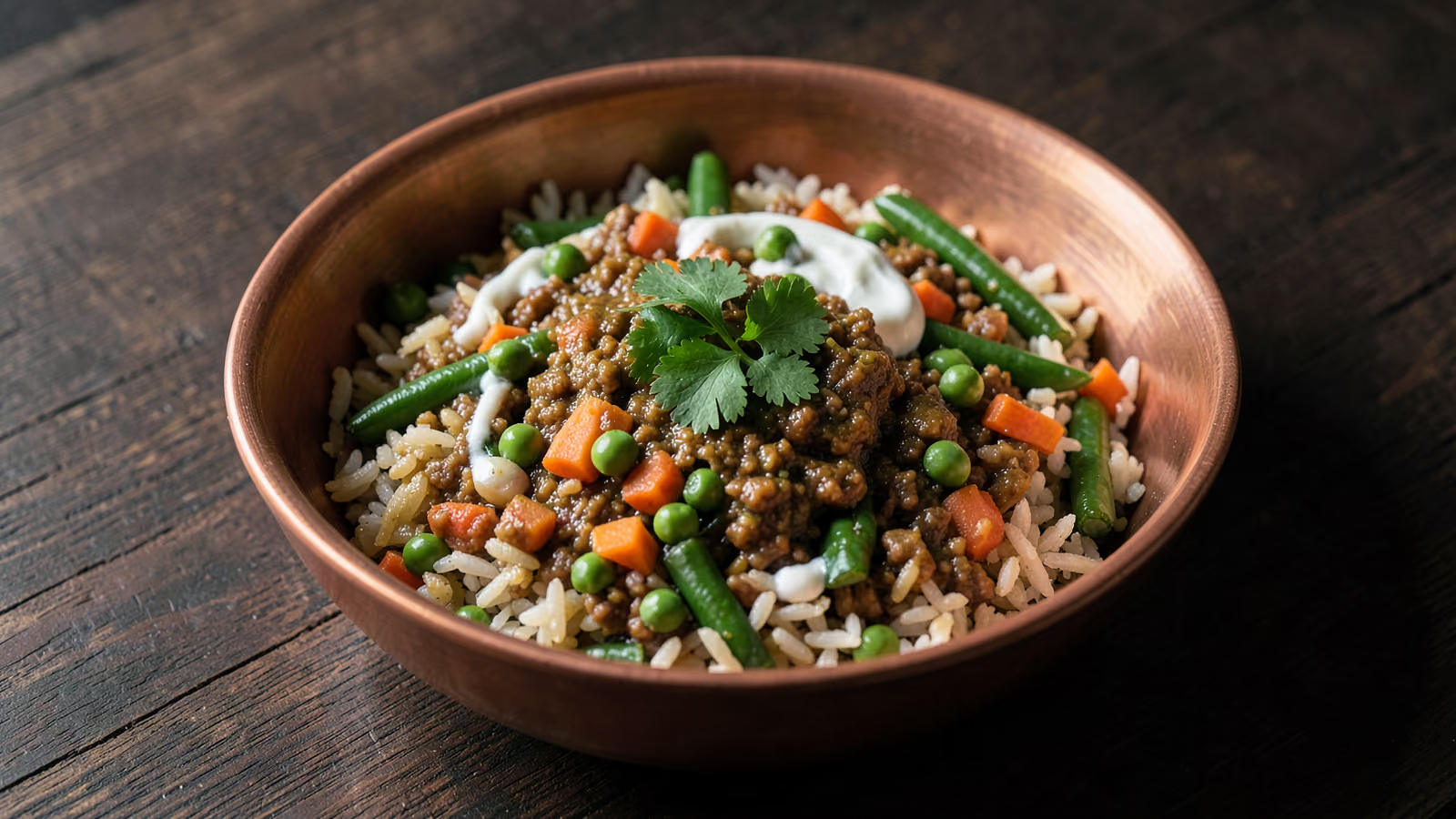
Add the onion and cook for 3 to 4 minutes until soft and translucent. Stir in the carrot, green peas and tomato, if using, and cook for 2 minutes so they soften slightly.
Pour in the water, add the salt and sugar, and bring to a rolling boil over high heat.
Reduce the heat to low and rain the roasted semolina into the water in a slow steady stream while stirring continuously with the other hand. Keep stirring for 1 minute so no lumps form.
Cover the pan and cook on low for 3 to 4 minutes, stirring once halfway, until the semolina has absorbed the water and the mixture pulls away from the sides of the pan.
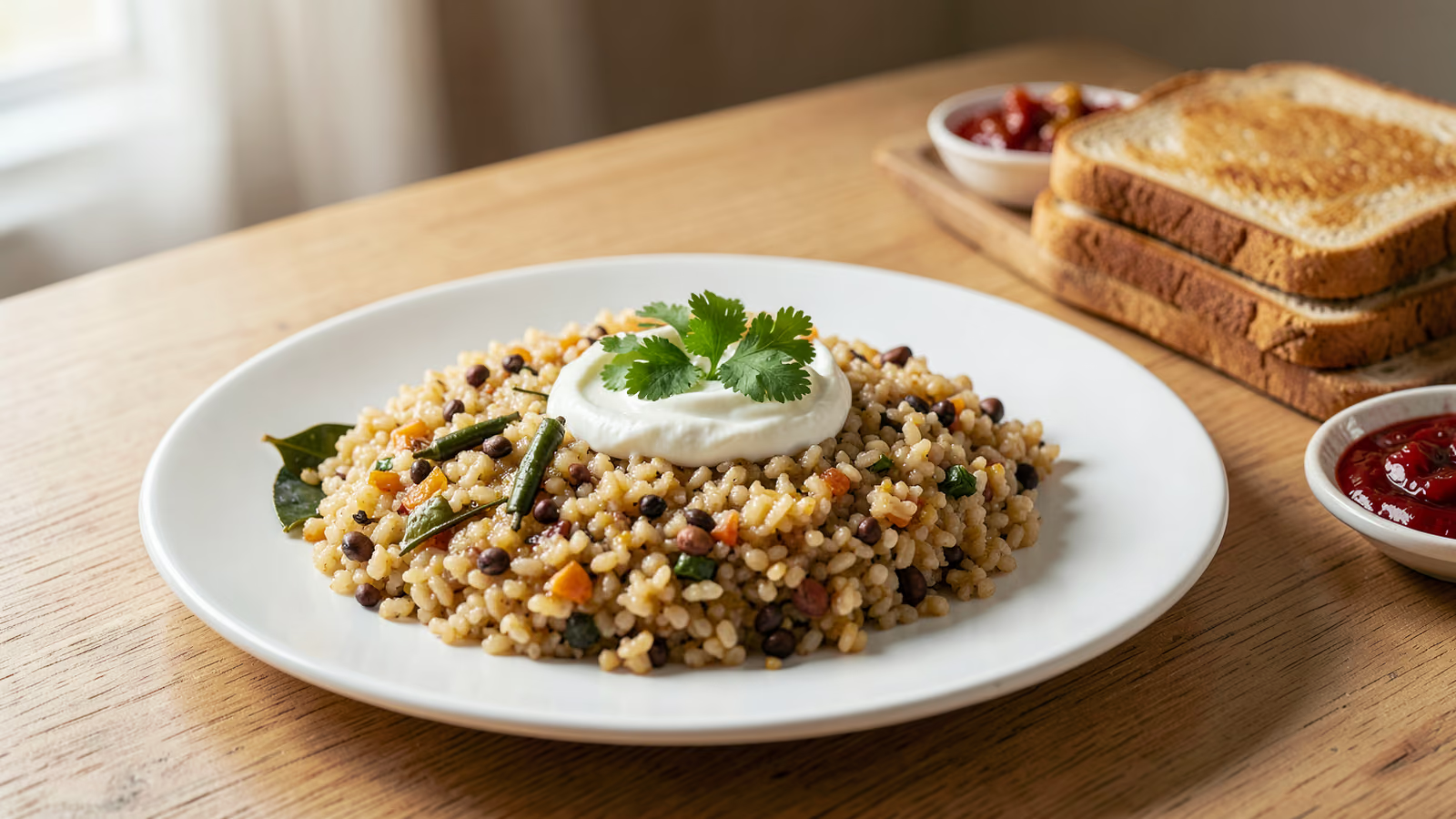
Turn off the heat, stir in the lemon juice and coriander leaves, cover and rest for 2 minutes. Fluff with a fork and serve hot.
Kitchen notes
Kitchen notes
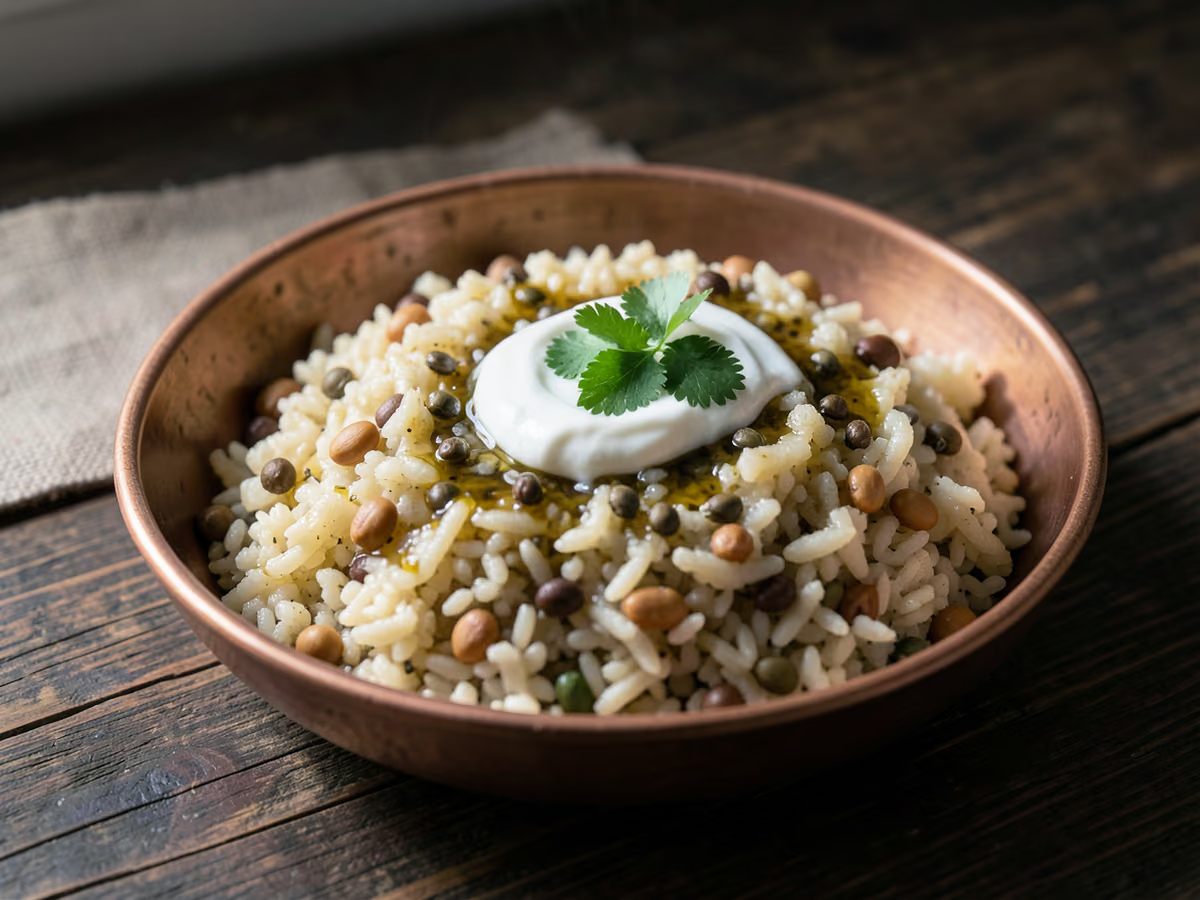
- The single biggest mistake is skipping the dry roast of the semolina. Unroasted rava turns gluey and pasty the moment it hits water; roast until it smells nutty and flows like sand.
- Keep the semolina-to-water ratio at 1 part semolina to 2.5 parts water for fluffy upma. More water gives porridge, less gives dry crumbly upma.
- Always add the semolina in a slow stream while stirring, and keep the heat low. Dumping it in all at once is what creates lumps.
- The upma is done when it no longer looks wet, holds a soft mound on a spoon and leaves the sides of the pan clean. Resting it covered for 2 minutes after cooking lets the grains finish steaming.
Substitutions
- semolina→coarse bulgur or cracked wheat (soak 10 minutes first, use 600 ml water)
- ghee→extra vegetable oil for a dairy-free version
- urad dal and chana dal→1 tbsp roasted peanuts or 1 tbsp split yellow peas
- green chilli→1 tsp red chilli flakes or 1/2 tsp black pepper
- vegetable oil→any neutral oil such as sunflower or rice bran
Storage & reheating
Cool completely, then store in an airtight container in the fridge for up to 2 days. Upma firms up when cold; reheat in a covered pan over low heat with 1 to 2 tbsp water sprinkled on top, or microwave covered in 30-second bursts until steaming. Do not freeze, as the semolina turns mushy and grainy on thawing.
FAQ
The questions we get asked most
Why did my upma turn sticky and gluey?
You either skipped roasting the semolina or added too much water. Dry-roast the rava for 4 to 5 minutes until nutty before cooking, and measure 2.5 parts water to 1 part semolina by volume. Stirring constantly while adding the semolina also prevents the starch from clumping.
How do I fix upma that has too many lumps?
Break the lumps with the back of a ladle while the upma is still hot and moist, or press them against the side of the pan. If it is very lumpy, add 2 to 3 tbsp hot water, cover and steam for 2 minutes, then mash gently. Next time, sprinkle the semolina in a slow stream with one hand while stirring with the other.
Can I make upma without onion and garlic?
Yes. Skip the onion and instead add 1 extra tbsp grated ginger and a pinch of asafoetida with the curry leaves. The tempering of mustard seeds, dals and curry leaves carries most of the flavour, so the dish still tastes complete.
Can I prepare upma ahead of time for breakfast?
You can dry-roast the semolina and chop the vegetables the night before and keep them in the fridge. The finished upma is best eaten fresh, but it reheats well within 2 days; sprinkle a little water and warm it covered over low heat so it steams back to softness.
How do I know when the upma is fully cooked?
The grains should look plump and separate, the mixture should no longer look wet and it should pull away from the sides of the pan. Taste a small spoonful: it should be soft with no raw semolina flavour. If it still tastes raw, add 2 tbsp hot water, cover and cook 2 more minutes.
Can I use fine semolina or sooji flour instead of coarse rava?
Fine semolina works but absorbs water faster and turns sticky easily. If that is all you have, use 450 ml water instead of 500 ml, roast it a minute longer and stir more vigorously. Coarse or medium rava gives the fluffiest, most distinct grains.
Is upma gluten-free?
No. Semolina is made from durum wheat, so traditional upma contains gluten. For a gluten-free version, replace it with 200 g of coarse millet rava or 180 g of rinsed quinoa and adjust the water to about 450 ml.
Ask KitchenMind about this recipe
Tell it what’s different tonight — it works within the actual recipe.