- Prep
- 20 min
- Cook
- 25 min
- Total
- 45 min
- Serves
- 4
Ingredients
What you’ll need — tap to tick off as you go
- 150 g
- 450 ml
- 1 tsp
- ½ tsp
- ¼ tsp
- 150 g
- 30 g
- 2 tbsp
- 4 tbsp
- 3 tbsp
- 5 g
- 1 tsp
Process
Timers built in · swap anything · ask as you cook
In a large bowl, whisk together 150 g all-purpose flour, 0.5 tsp baking powder, and 0.25 tsp salt. In another bowl, combine 450 ml dashi stock, 2 beaten eggs, and 1 tsp soy sauce. Pour the wet mixture into the dry ingredients and whisk until just smooth; a few small lumps are fine. The batter should be thin, like crepe batter. Let it rest while you prepare the fillings.
Prepare the fillings: dice 150 g cooked octopus into 1 cm pieces, finely chop 30 g pickled red ginger, and thinly slice 2 scallions. Set them near the stove.
Place a takoyaki pan over medium heat and brush each cup generously with neutral oil using a heatproof brush or paper towel. The pan is ready when a drop of batter sizzles immediately.
Pour the batter into the pan, filling each cup to the brim and letting it overflow slightly to connect the cups. Work quickly.
Immediately scatter the octopus, pickled ginger, and scallions evenly over the batter in each cup. Use a small spoon or your fingers to distribute them; they will sink as the batter sets.
Let the takoyaki cook undisturbed for 2–3 minutes, until the edges are set and the bottom is golden. The center will still be runny.
Using two skewers or takoyaki picks, cut the connecting batter between the cups, then rotate each ball a quarter turn. Tilt the pan to let excess batter flow into the gaps, then tuck the loose edges into the balls.
Continue cooking and turning every 1–2 minutes, rotating the balls to cook all sides evenly, for about 8–10 minutes total. The takoyaki are done when they are deep golden brown, crisp on the outside, and easily move when shaken. If they stick, add a little more oil.
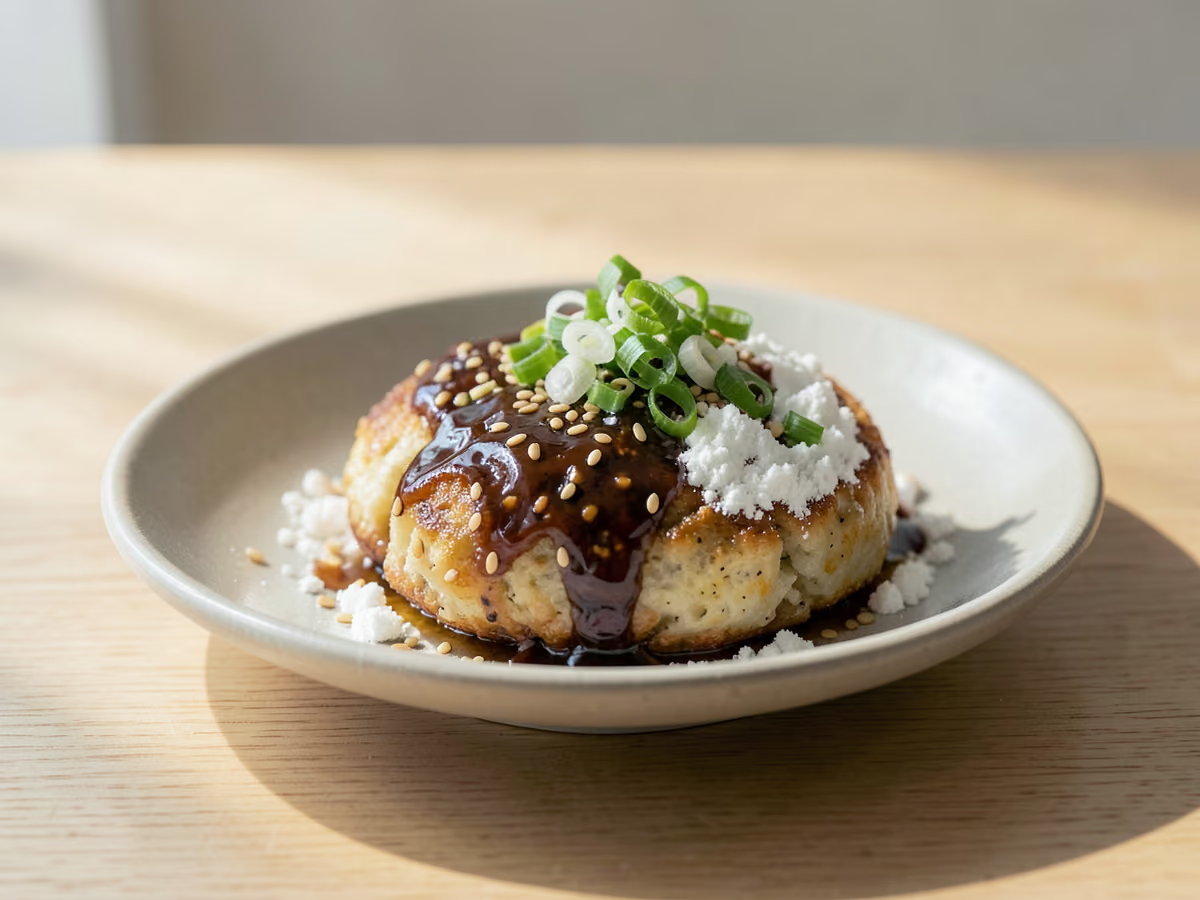
Transfer the takoyaki to a serving plate. Drizzle with 4 tbsp takoyaki sauce and 3 tbsp Japanese mayonnaise. Sprinkle with 5 g bonito flakes and 1 tsp aonori powder if using. Serve immediately.
Kitchen notes
Kitchen notes
- The most common mistake is overmixing the batter, which develops gluten and makes the takoyaki tough instead of light and airy. Whisk until just combined; lumps are fine.
- The batter should be thin enough to pour easily but thick enough to coat a spoon lightly. If it is too thick, add dashi stock 1 tablespoon at a time; if too thin, add flour 1 tablespoon at a time.
- Do not rush the turning process. The first turn should happen only after the bottom is fully set and golden, otherwise the balls will tear. Use two skewers for better control.
- A well-seasoned or nonstick takoyaki pan is essential. If using a cast-iron pan, season it thoroughly before use to prevent sticking.
- For extra-crispy takoyaki, cook them 1-2 minutes longer after the final turn, until the exterior is deeply browned.
Substitutions
- cooked octopus→cooked shrimp or squid, cut into small pieces
- dashi stock→vegetable stock mixed with 1 tsp soy sauce
- pickled red ginger→fresh ginger, finely grated
- takoyaki sauce→tonkatsu sauce or a mix of 2 tbsp ketchup, 1 tbsp soy sauce, and 1 tsp sugar
- bonito flakes→toasted nori strips
Storage & reheating
Takoyaki are best eaten immediately. To store, cool completely and refrigerate in an airtight container for up to 2 days. Reheat in a 180°C oven for 5-7 minutes, or in a lightly oiled frying pan over medium heat until heated through. Do not microwave, as they become soggy. Freezing is not recommended because the texture deteriorates.
FAQ
The questions we get asked most
Why did my takoyaki turn out doughy inside?
Doughy centers usually mean the batter was too thick or the pan was not hot enough. The batter should be thin like crepe batter, and the pan must be preheated over medium heat until a drop of batter sizzles immediately. Also, do not overfill the cups; the batter needs room to cook through.
Can I make takoyaki without a takoyaki pan?
Yes, you can use a cake pop maker or an ebelskiver pan, but the shape and texture will differ. A takoyaki pan is ideal because its hemispherical cups allow the batter to be turned and tucked, creating the signature round shape. If using an alternative, fill the cups only halfway and turn more gently.
How do I know when takoyaki are fully cooked?
They are done when they are deep golden brown on all sides and feel firm but light when lifted with a skewer. The outside should be crisp, and the inside should be soft and slightly molten. If they are pale, continue cooking and turning for another 1-2 minutes.
Can I prepare the batter ahead of time?
The batter can be mixed up to 2 hours in advance and kept covered in the refrigerator. However, it may separate, so whisk briefly before using. For best results, bring it to room temperature for 15 minutes before cooking, as cold batter can cause sticking.
What can I use instead of octopus?
Cooked shrimp, squid, or even diced chicken thigh work well. For a vegetarian version, use diced firm tofu or mushrooms. Adjust cooking time slightly; shrimp and squid cook quickly, while chicken may need an extra minute.
Why are my takoyaki sticking to the pan?
Sticking happens when the pan is not hot enough or not oiled properly. Preheat the pan over medium heat for at least 3 minutes, then brush each cup generously with oil. Also, do not attempt to turn the balls too early; wait until the bottom is set and golden.
Can I freeze cooked takoyaki?
Freezing is not recommended because the texture becomes mushy upon thawing. The batter absorbs moisture and loses its crisp exterior. If you must, freeze in a single layer, then reheat in a 200°C oven for 8-10 minutes, but the result will be inferior to fresh.
Ask KitchenMind about this recipe
Tell it what’s different tonight — it works within the actual recipe.