- Prep
- 20 min
- Cook
- 25 min
- Total
- 45 min
- Serves
- 4
Ingredients
What you’ll need — tap to tick off as you go
- 300 g
- 100 g
- 100 g
- 1 tsp
- 1 tsp
- 1 tsp
- 1 tsp
- 1 tsp
- 1 tsp
- 2 tbsp
- 80 ml
Process
Timers built in · swap anything · ask as you cook
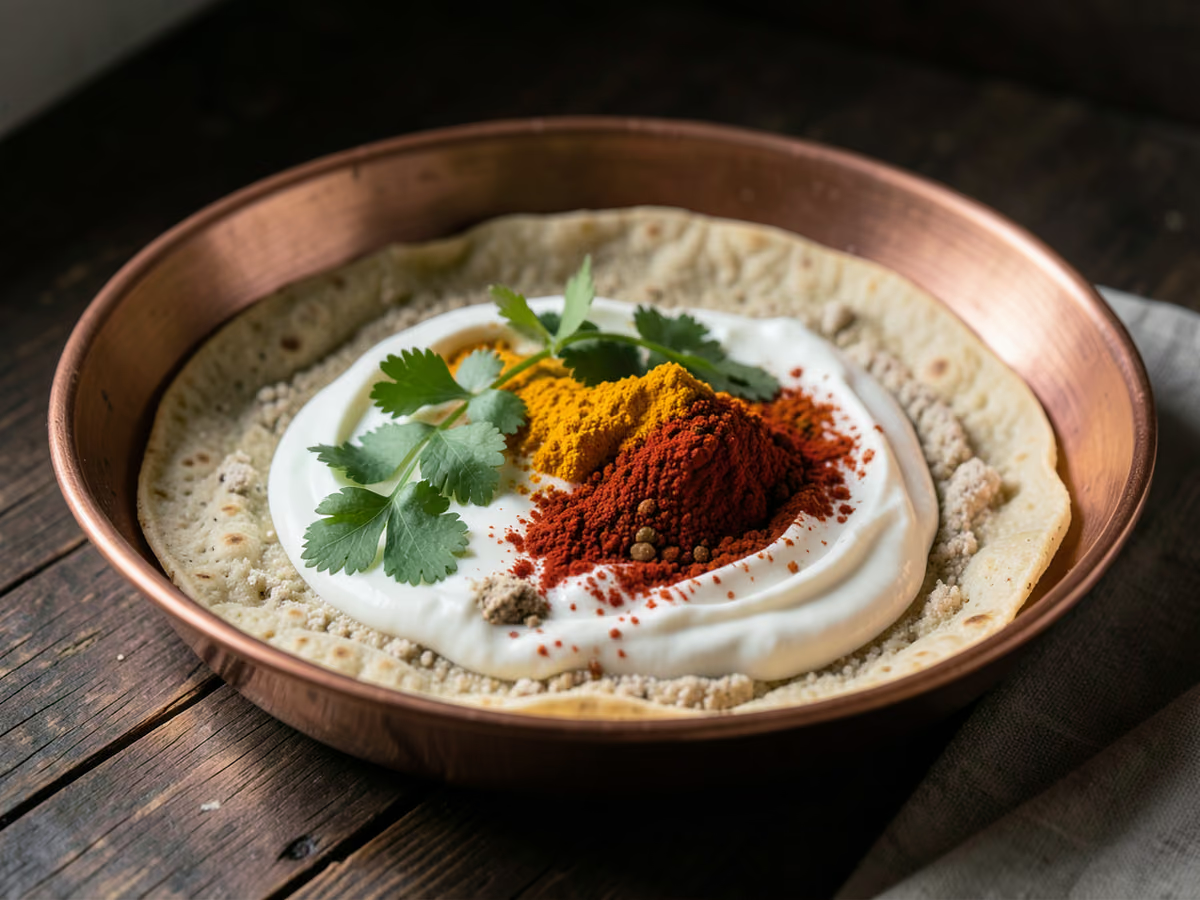
In a large bowl, whisk together the whole wheat flour, turmeric powder, red chili powder, ground cumin, ground coriander, salt and sugar (if using).
Add the finely chopped fresh fenugreek leaves, plain yogurt and 2 tbsp vegetable oil to the dry mixture. Rub everything together with your fingertips until the leaves are well distributed and the mixture looks crumbly.
Pour in the lukewarm water a little at a time and knead into a soft, smooth dough. It should be softer than chapati dough but not sticky. If it sticks, sprinkle a little more flour; if it feels stiff, wet your hands and knead again.
Cover the dough with a damp cloth or a lid and rest for 15 minutes. This allows the flour to hydrate and makes rolling easier.
Divide the dough into 10 equal balls (about 55 g each). Keep them covered while you roll.
Lightly dust a work surface and a rolling pin with whole wheat flour. Roll one ball into a thin circle about 15 cm in diameter, dusting as needed to prevent sticking. Do not press too hard or the edges will crack.
Heat a tawa or heavy skillet over medium heat. Place the rolled thepla on the dry pan and cook for 30 to 40 seconds until small bubbles appear on the surface.
Flip the thepla and drizzle about 1/2 tsp vegetable oil around the edges. Press gently with a spatula and cook for 30 seconds until golden spots appear underneath.
Flip again, drizzle another 1/2 tsp oil if you like, and cook for 20 to 30 seconds until both sides are evenly golden and the thepla puffs slightly in places. Repeat with the remaining dough balls.
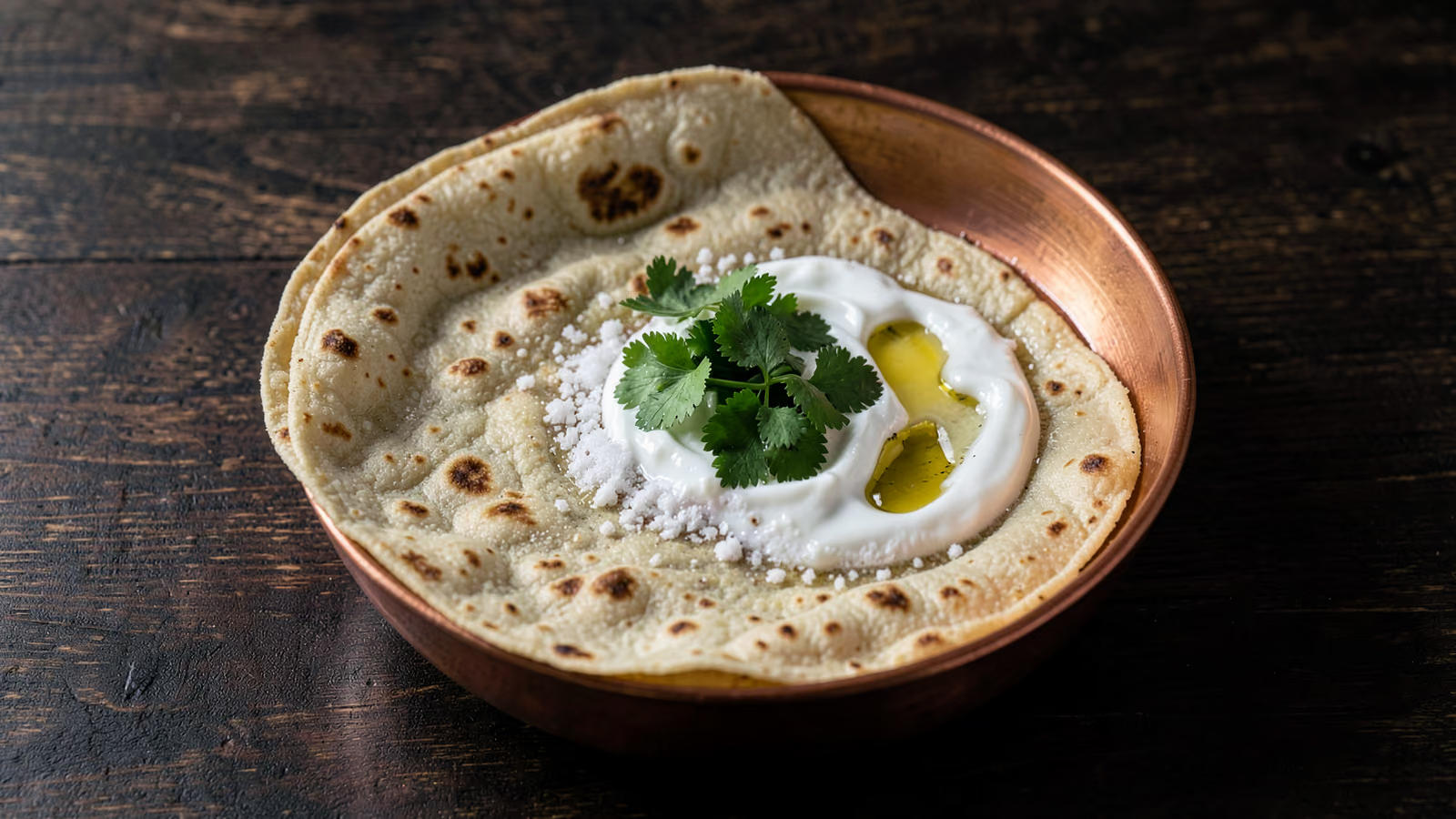
Stack the cooked theplas in a clean kitchen towel or an insulated casserole to keep them soft. Serve warm with plain yogurt, pickle or chutney.
Kitchen notes
Kitchen notes
- The most common mistake is adding too much water at once. Add it gradually because yogurt already brings moisture; a sticky dough will make rolling difficult and the theplas tough.
- Do not skip resting the dough. A 15-minute rest hydrates the flour and relaxes the gluten, so the theplas roll out without shrinking back and stay soft after cooking.
- Cook on medium heat, not high. High heat browns the outside before the inside cooks, leaving raw patches; medium heat gives even golden spots and a fully cooked flatbread.
- If fresh fenugreek is unavailable, use 2 tbsp dried fenugreek leaves (kasuri methi) soaked in 2 tbsp warm water for 5 minutes, then drain and add. Reduce salt slightly because dried leaves can be salty.
Substitutions
- fresh fenugreek leaves→2 tbsp dried fenugreek leaves (kasuri methi), soaked and drained
- plain yogurt→100 g dairy-free plain yogurt for a dairy-free version
- vegetable oil→any neutral oil such as sunflower or canola
Storage & reheating
Cool the theplas completely, then stack them and wrap tightly in foil or place in an airtight container. They keep at room temperature for 2 days, in the refrigerator for up to 5 days, and freeze well for up to 2 months with parchment between each one. To reheat, warm on a dry tawa over medium heat for 30 seconds per side, or microwave covered with a damp paper towel for 20 to 30 seconds. From frozen, thaw in the refrigerator overnight or reheat directly on the tawa over low heat until pliable.
FAQ
The questions we get asked most
Why did my thepla turn out hard and brittle?
Hard thepla usually means the dough was too stiff or the flatbread was overcooked on high heat. Use a soft dough with the full amount of yogurt and water, rest it for 15 minutes, and cook on medium heat just until golden spots appear. Stacking them in a towel right after cooking also keeps them soft.
Can I make thepla without fresh fenugreek leaves?
Yes. Replace the fresh leaves with 2 tablespoons of dried fenugreek leaves (kasuri methi). Soak them in 2 tablespoons of warm water for 5 minutes, drain well, and add to the dough. The flavor will be slightly more concentrated, so you may want to reduce the salt by a pinch.
How do I know when a thepla is fully cooked?
A fully cooked thepla has golden-brown spots on both sides and puffs up slightly in places. The raw doughy smell disappears, and the surface looks dry rather than glossy. If you press it with a spatula, it should feel firm and spring back lightly.
Can I prepare thepla dough ahead of time?
Yes, the dough can be made up to 24 hours in advance. Cover it tightly and refrigerate; the cold dough will be firmer, so let it sit at room temperature for 20 minutes before rolling. You can also roll out the theplas, stack them with parchment paper, and refrigerate for up to 8 hours before cooking.
Why does my thepla dough feel sticky and difficult to roll?
Sticky dough means there is too much moisture, often from watery yogurt or added water. Sprinkle in whole wheat flour, 1 tablespoon at a time, and knead until the dough is soft but no longer sticks to your fingers. Let it rest for 10 minutes before rolling, and dust generously with flour as you roll.
Can I freeze cooked thepla, and how do I reheat it?
Yes, cooked theplas freeze very well. Cool them completely, place parchment paper between each one, and seal in a freezer bag for up to 2 months. Reheat directly on a medium tawa for about 1 minute per side, or microwave covered with a damp paper towel for 30 seconds until soft and warm.
Is thepla gluten-free or dairy-free?
Traditional thepla is neither gluten-free nor dairy-free because it uses whole wheat flour and yogurt. For a dairy-free version, substitute the yogurt with a dairy-free plain yogurt. For gluten-free, you would need a gluten-free flour blend, but the texture will be different and the dough more delicate to roll.
Ask KitchenMind about this recipe
Tell it what’s different tonight — it works within the actual recipe.