- Prep
- 20 min
- Cook
- 15 min
- Total
- 35 min
- Serves
- 8
Ingredients
What you’ll need — tap to tick off as you go
- 300 g
- 180 ml
- ½ tsp
- 1 tbsp
Process
Timers built in · swap anything · ask as you cook
In a large bowl, whisk the whole wheat flour and salt together. Make a well in the centre.
Pour in the lukewarm water and 1 tsp of the vegetable oil. Mix with your fingers until a shaggy dough forms.
Knead on a clean surface for 8 to 10 minutes until the dough is smooth, soft and slightly tacky but not sticky. If it feels dry, wet your hands rather than adding more flour.
Cover the dough with a damp cloth and rest for 15 minutes. This relaxes the gluten so the rotis roll out thin without springing back.
Divide the dough into 8 equal balls, about 60 g each. Keep them covered as you work.
Lightly flour the surface and roll one ball into a 15 to 18 cm circle, about 2 mm thick. Rotate the dough a quarter turn after each roll to keep it round.
Heat a heavy skillet or tawa over medium-high heat until a drop of water sizzles and evaporates immediately.
Place the rolled roti on the hot skillet. Cook for 30 to 40 seconds until small bubbles appear on the surface, then flip with tongs.
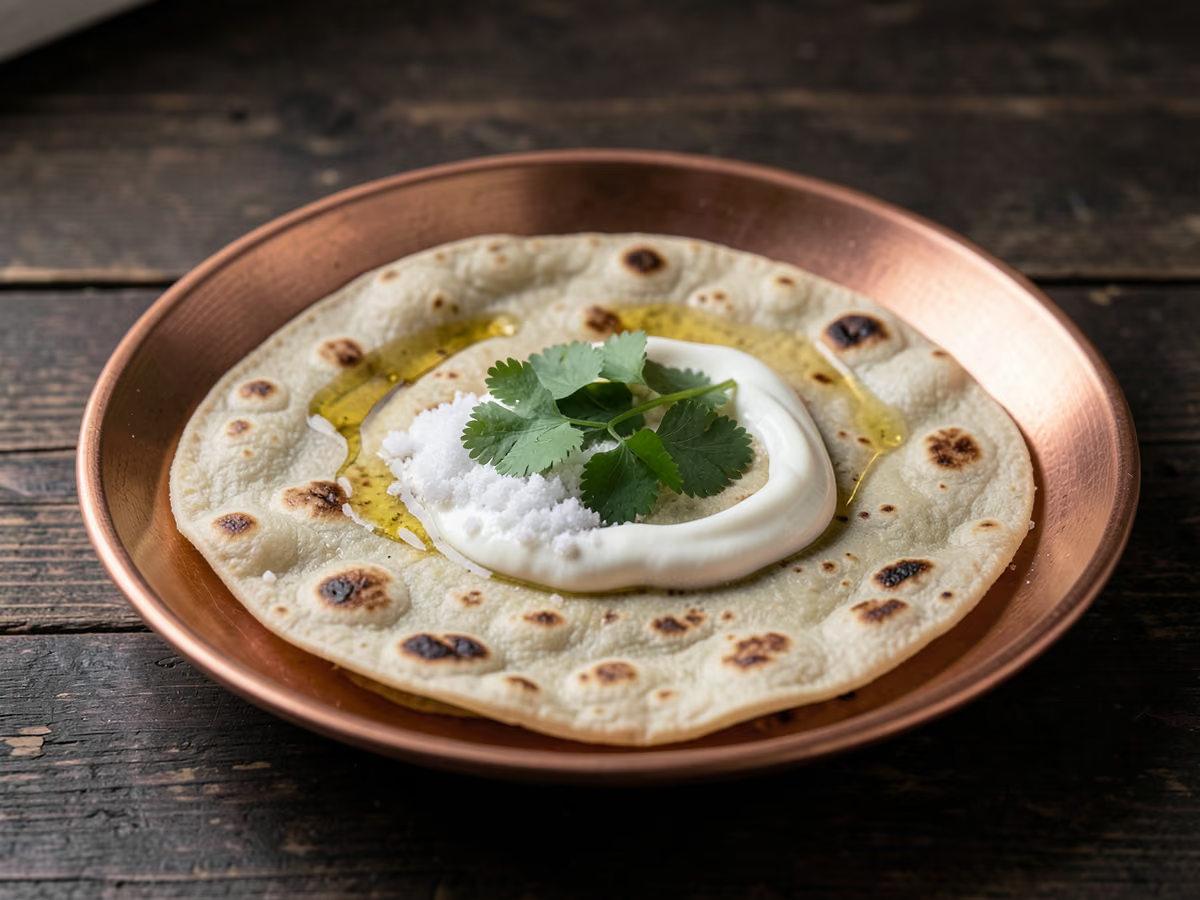
Cook the second side for 40 to 50 seconds until light brown spots form. Flip again and press gently with a clean cloth or spatula; the roti should puff up.
For extra puffing and char, lift the roti with tongs and hold it directly over a medium flame for 5 to 10 seconds per side until it balloons and has dark spots. Repeat with the remaining dough.
Brush the cooked rotis with the remaining vegetable oil, if using, and stack them in a clean towel or insulated container to keep them soft.
Kitchen notes
Kitchen notes
- The most common mistake is adding too much flour while rolling, which makes the roti dry and stiff. Use only a light dusting and brush off excess.
- The dough should be softer than bread dough; a tacky surface gives a pliable roti. If it sticks badly, oil your hands instead of flouring heavily.
- A properly heated skillet is essential: if the pan is too cool, the roti will dry out before it puffs. Test with a drop of water before the first roti.
- Stacking hot rotis under a towel traps steam and keeps them soft for up to an hour. Reheat gently on a dry skillet, not in a microwave, to avoid rubberiness.
Substitutions
- whole wheat flour→white whole wheat flour or a 50/50 mix of whole wheat and all-purpose flour
- vegetable oil→ghee or melted butter for brushing
Storage & reheating
Cool the rotis completely, then stack them and wrap tightly in foil or place in an airtight container. They keep at room temperature for 1 day, in the fridge for up to 3 days, or in the freezer for up to 2 months with parchment between each roti. Reheat on a dry skillet over medium heat for 30 seconds per side, or wrap in foil and warm in a 150°C oven for 5 minutes. Avoid microwaving, which makes them tough.
FAQ
The questions we get asked most
Why did my roti turn out hard and brittle?
The dough was likely too stiff or the skillet was not hot enough. Use a soft, tacky dough and preheat the pan until a water drop sizzles instantly. Also avoid over-flouring during rolling, as excess flour burns and dries the surface.
How do I get my roti to puff up like a balloon?
Puffing needs a hot, dry skillet and a thin, evenly rolled roti. Press gently on the edges with a cloth after the first flip to push steam into the centre. If it still does not puff, the dough may be too dry or the pan not hot enough.
Can I make the dough ahead of time?
Yes. Knead the dough, cover it tightly and refrigerate for up to 24 hours. Let it come to room temperature for 30 minutes before rolling, as cold dough is stiff and tears easily.
Can I use a different type of flour?
Whole wheat flour (atta) gives the most authentic texture. You can substitute up to half with all-purpose flour for a softer roti, but 100% all-purpose will lack the nutty flavour and may not puff as well. Avoid bread flour, which is too high in gluten.
How do I keep rotis soft for a long time?
Stack them immediately after cooking and wrap in a clean towel or place in an insulated container. The trapped steam keeps them pliable. For longer storage, cool completely, wrap tightly and freeze; reheat on a skillet.
Why does my roti have dark spots but is still raw inside?
The pan is too hot, cooking the outside before the inside sets. Lower the heat to medium and cook a little longer per side. Also ensure the roti is rolled evenly, about 2 mm thick, so it cooks through.
Ask KitchenMind about this recipe
Tell it what’s different tonight — it works within the actual recipe.