Tofu Vegetable Stir Fry
A tofu vegetable stir fry is a 30-minute answer to dinner: 400 g of pressed extra-firm tofu seared until the edges are golden and crisp, then tossed with 200 g broccoli, a red bell pepper and a carrot in a ginger-garlic soy and sesame sauce that thickens to a glossy coat. The tofu presses while you chop the vegetables; the pan takes about 15 minutes, and it is vegetarian, vegan and dairy-free as written, gluten-free too if you reach for tamari.
- Prep
- 15 min
- Cook
- 15 min
- Total
- 45 min
- Additional time
- 15 min
- Serves
- 4
Ingredients
What you’ll need — tap to tick off as you go
- 400 g
- 200 g
- 3 tbsp
- 1 tbsp
- 1 tbsp
- 2 cloves
- 1 tbsp
- 2 tbsp
- 1 tsp
- 1 tsp
Process
Timers built in · swap anything · ask as you cook
Press the 400 g block of extra firm tofu for 15 minutes: wrap it in paper towels or a clean towel, set it on a plate and weigh it down with a heavy skillet or a few cookbooks. It is ready when the block feels firmer and drier and the towel is damp. Cut into 2 cm cubes; water left inside only steams in the pan and keeps the cubes from browning.
Whisk the sauce in a small bowl: 3 tbsp soy sauce, 1 tbsp sesame oil, 1 tbsp grated fresh ginger, the 2 minced garlic cloves and 1 tsp maple syrup if you are using it. Stir until the syrup dissolves; it rounds off the saltiness of the soy. Leave the bowl by the stove.
Heat 1 tbsp of the vegetable oil in a large non-stick skillet or wok over medium-high heat until it shimmers and moves easily. Lay the tofu cubes in a single layer and sear for 6 to 8 minutes, turning now and then, until all sides are deep golden and the cubes release without tugging. A single layer is what keeps them browning instead of steaming. Transfer to a plate.
Add the remaining 1 tbsp vegetable oil, then the 200 g broccoli florets, the sliced red bell pepper and the sliced carrot. Stir-fry for 4 to 5 minutes, keeping everything moving, until the broccoli is bright green and a stem bends with a slight snap. The pan should stay loudly sizzling the whole time.
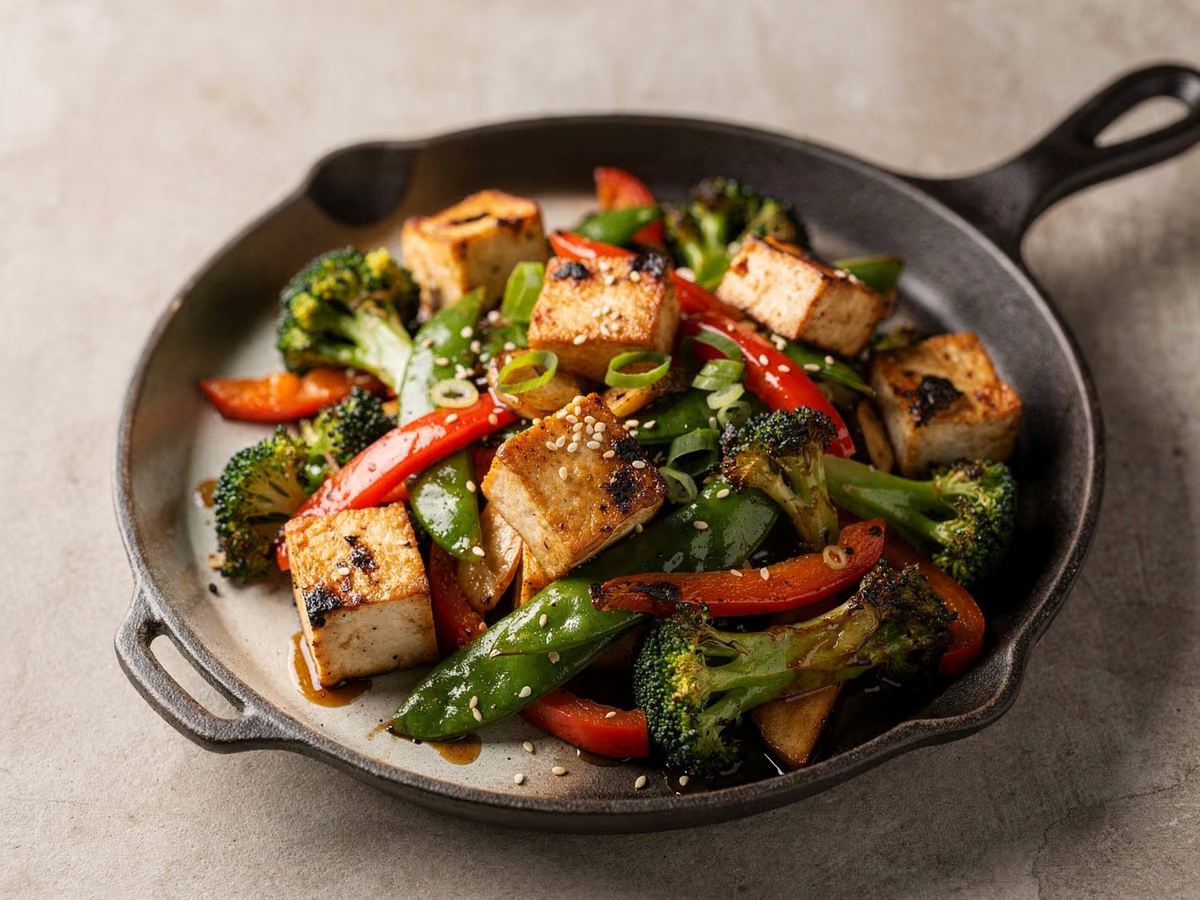
Return the tofu to the pan, pour in the sauce and toss gently for 1 minute so every cube and every vegetable piece is coated. The sauce will bubble and reduce slightly against the hot pan; keep the cubes moving so no side sits long enough to soften.
Stir the slurry, 1 tbsp cornstarch mixed with 2 tbsp water, because it settles within minutes, then pour it into the pan. Cook for 1 to 2 minutes, stirring, until the sauce tightens into a glossy coat that clings to the tofu and vegetables instead of running off.
Take the pan off the heat, taste and add a splash more soy sauce only if it needs it, then scatter over the 1 tsp sesame seeds if you are using them. Serve immediately, while the tofu edges are still crisp; they soften as the dish cools.
Why this recipe works
Three details make the difference between a crisp tofu vegetable stir fry and a soggy one. Pressing first: the block loses the water that would otherwise sit on the surface and hold it at steaming temperature until it boils away, and a drier surface browns sooner and crisps harder. Extra-firm tofu keeps its structure through the sear. Space and heat next: in a single layer the pan stays hot enough to brown the cubes, while a crowded one drops below searing temperature and the tofu steams. Finally the cornstarch slurry: its starch swells in the simmering sauce and turns a thin soy mixture glossy, so it clings to every cube and floret instead of pooling.
Equipment
- Large non-stick skillet or wok, 28 to 30 cm across, wide enough to hold all 400 g of tofu in a single layer
- Heavy weight for pressing, such as a cast-iron skillet, a few cookbooks or a tofu press
- Paper towels or a clean kitchen towel, for wrapping and drying the pressed tofu
- Chef's knife and cutting board, for the 2 cm tofu cubes and the vegetables
- Small bowl and whisk or fork, for the sauce and the cornstarch slurry
- Measuring spoons and a small jug, for the soy sauce, sesame oil, ginger and cornstarch
- Heatproof spatula or tongs, for turning the tofu without tearing it
- Plate, for holding the seared tofu while the vegetables cook
Kitchen notes
Kitchen notes
- Crisp without a deep fryer: the shallow sear does the work, but a dusting helps. Toss the dried 2 cm cubes with a light coating of cornstarch before they hit the oil; the starch dries the surface into a thin shell that fries into an extra-crunchy crust. Keep that dusting out of the sauce, and add the sauce's own cornstarch separately.
- Heat is a sound test: a tofu cube should sizzle the moment it touches the oil. If the pan is quiet, wait; cubes added to a lukewarm pan brown slowly and unevenly, and they will not release cleanly.
- Cut for even cooking: thin carrot rounds and bite-sized broccoli mean all three vegetables finish on the same 4 to 5 minute schedule. The carrot is the slowest to soften and the pepper the fastest, so the knife is what evens them out.
- Press the tofu first and chop while it drains. The 15 minutes under the weight are hands-off, and that order turns three separate tasks into one 30-minute window.
- Taste the sauce before it goes in. Soy sauce brands vary a lot in salt and the maple syrup is optional, so adjust the balance on the spoon; once the tofu is in the pan there is no way back.
Common mistakes
- Soggy, pale tofu: the block went into the pan wet, too crowded, or under-pressed. Press the full 15 minutes, pat the cubes dry, sear them in one layer, and do not turn them until they release; if your pan is small, sear in two batches rather than piling the cubes up.
- Tofu that sticks and tears: a cold pan, too thin an oil film, or an early flip. Let the oil shimmer before the cubes go in, use enough to coat the base, and give the tofu its full 6 to 8 minutes; it lets go on its own once the crust forms, and tugging early is what breaks it.
- Vegetables that steam instead of searing: they were still wet from washing, or the pan was crowded. Dry them thoroughly, cook them in the same single layer you used for the tofu, and keep the heat at medium-high; 4 to 5 minutes is enough, and longer turns broccoli to mush.
- A sauce full of starch lumps: dry cornstarch hit the pan, or the settled slurry went in without stirring. Whisk the 1 tbsp cornstarch into 2 tbsp cold water right before pouring, stir the slurry again, and keep the pan moving for the full 1 to 2 minutes it takes to thicken.
- Tofu that loses its crust by the time you eat: the sauce went in too early, or the pan stayed on the heat after the slurry thickened. The sauce needs only the last 1 to 2 minutes; take the pan off the heat as soon as it clings to the cubes.
Serving suggestions
- Spoon it over steamed jasmine rice, brown rice or wide rice noodles, or serve it as it is for a lighter plate; the sauce is built to dress a plain base.
- Eat it hot from the pan: the tofu crust is at its best in the first 10 minutes and softens as the dish cools, so this is not a dish that waits.
- It is a light plate: 400 g of tofu brings the plant protein, the vegetables do the bulk, and the whole tofu vegetable stir fry uses only 3 tbsp of oil across four servings, with no deep frying.
- A cool contrast helps: a plain cucumber salad, quick-pickled vegetables or steamed edamame on the side keep the meal fresh. For drinks, iced tea or sparkling water with a wedge of lime.
Variations
- Spicier tofu vegetable stir fry: bloom a pinch of dried chili flakes or a spoonful of chili oil in the pan with the vegetables; the sauce already carries enough garlic and ginger to stand up to heat.
- Different vegetables, same dish: keep the tofu and the sauce exactly as they are and swap the broccoli, pepper and carrot for snap peas, mushrooms or bok choy. Add quick-cooking mushrooms or snow peas for the last 2 minutes so they do not release water into the pan.
- Oven version for a double batch: dust the pressed cubes with cornstarch and roast at 220°C until golden, then fold them into the stir-fried vegetables; the crust is a little less crisp than the pan-sear, but the tofu looks after itself while you finish the sauce.
Refrigerator
- RefrigeratorCool the dish within 2 hours of cooking, then refrigerate it in a shallow airtight container for up to 3 to 4 days. The vegetables stay reasonably firm, but the tofu loses its crispness and turns chewy; reheat only what you plan to eat.
- ReheatingWarm it in a skillet over medium heat for 3 to 4 minutes with a splash of water or soy sauce to loosen the sauce, or cover and microwave for 1 to 2 minutes, until it is steaming hot throughout, 74°C. High heat will not bring the crust back; it only dries the tofu out.
- FreezingPossible, with a real texture cost: the tofu turns spongy and the vegetables go soft, even though the flavour holds. If you freeze it anyway, pack it within a day in an airtight container for up to 3 months, thaw overnight in the fridge and reheat gently.
- Make aheadPrep the components up to 1 day ahead: press and cube the tofu, cut the vegetables, whisk the sauce and store the slurry separately. Everything keeps covered in the fridge; cook and sauce it fresh for the crispest result.
Updated:
How this recipe was developed
- USDA FSIS, Leftovers and Food Safety (cool and refrigerate leftovers within 2 hours; keep 3 to 4 days in the fridge; reheat leftovers to 74°C; freeze for best quality up to 3 to 4 months)
- The Kitchn, How To Make Crispy Tofu Without Deep-Frying (press the block 15 to 30 minutes under a weight; coat in cornstarch for crunch; use a large heavy pan and a single layer so the tofu does not steam from overcrowding; cubes sizzle on contact and release before flipping)
- The Woks of Life, How to Make Stir-fry (dense vegetables such as carrots and broccoli need thin cuts or par-cooking to finish tender-crisp; never overcrowd the pan because it cools and stews instead of stir-frying; keep the heat high throughout)
- Canada.ca, Canada's food guide, Tofu and vegetable stir fry (extra-firm tofu browned then combined with mixed vegetables and a thickened ginger-sesame sauce; a 30-minute vegetarian dinner)
Editorial references are kept internally for verification. This page makes no claim of external certification or professional testing.
FAQ
The questions we get asked most
Why did my tofu turn out soggy instead of crispy?
Soggy tofu almost always means water or crowding. The block was not pressed long enough, the cubes were not patted dry, or they were piled in the pan so they steamed. Press the full 15 minutes, dry the surface, sear in a single layer over medium-high heat, and wait for the cubes to release before turning. On a small pan, cook the tofu in two batches; wet tofu also cools the oil, and the pan never recovers its temperature around it.
How do I press tofu without a tofu press?
Set the drained block on a plate lined with paper towels or a clean towel, put a second plate on top and weigh it down with a heavy skillet, a few cookbooks or a couple of cans. Tilt the plate occasionally and pour off the liquid; 15 minutes is enough for extra-firm, and the towel should be damp when you unwrap it. Pre-pressed or super-firm tofu sold vacuum-sealed can skip the step entirely.
Can I use firm tofu instead of extra-firm?
You can, but firm tofu holds more water, so press it longer, about 30 minutes, and expect a softer middle and a less pronounced crust. It also breaks more easily when tossed, so fold it in gently. Silken tofu is not a substitute at all, since it collapses in the pan; extra-firm gives the crispest result for this sear-then-toss method.
What vegetables go best in a tofu vegetable stir fry?
Firm vegetables that cook in 4 to 5 minutes work best. The recipe's broccoli, red bell pepper and carrot are a balanced baseline, and snap peas, mushrooms, bok choy, snow peas or cauliflower all swap in well. Slice dense ones thin, dry whatever you use because wet vegetables steam, and add tender quick-cookers like mushrooms in the last 2 minutes.
How do I make this tofu vegetable stir fry gluten-free?
Swap the 3 tbsp soy sauce for tamari, which is brewed without wheat; coconut aminos also work but taste sweeter and less salty. Everything else in the dish, including the tofu, the vegetables, cornstarch, sesame oil, ginger, garlic and maple syrup, is naturally gluten-free, but check labels on any packaged extras you add. Regular soy sauce is the one ingredient here that usually contains wheat.
Why is my sauce too thin, and how do I thicken it?
The slurry is the usual suspect: cornstarch settles in seconds, so stir it again right before pouring, then let the sauce bubble for the full 1 to 2 minutes, as it thickens visibly as it simmers. If it is still thin, stir in a second slurry, 1 tsp cornstarch plus 1 tbsp water, and simmer for another minute. If it overshoots and turns gluey, loosen it with a splash of warm water off the heat.
Can I make tofu vegetable stir fry ahead of time for meal prep?
Yes, in parts. Press and cube the tofu, chop the vegetables and mix the sauce up to a day ahead, keeping the slurry separate until cooking and everything covered in the fridge. Cook it fresh for the best texture, since reheated tofu loses its crispness. The finished dish keeps for 3 to 4 days in the fridge and reheats gently in a skillet with a splash of water; freeze it only if texture matters less than convenience.
Ask KitchenMind about this recipe
Tell it what’s different tonight — it works within the actual recipe.