Honey Garlic Chicken
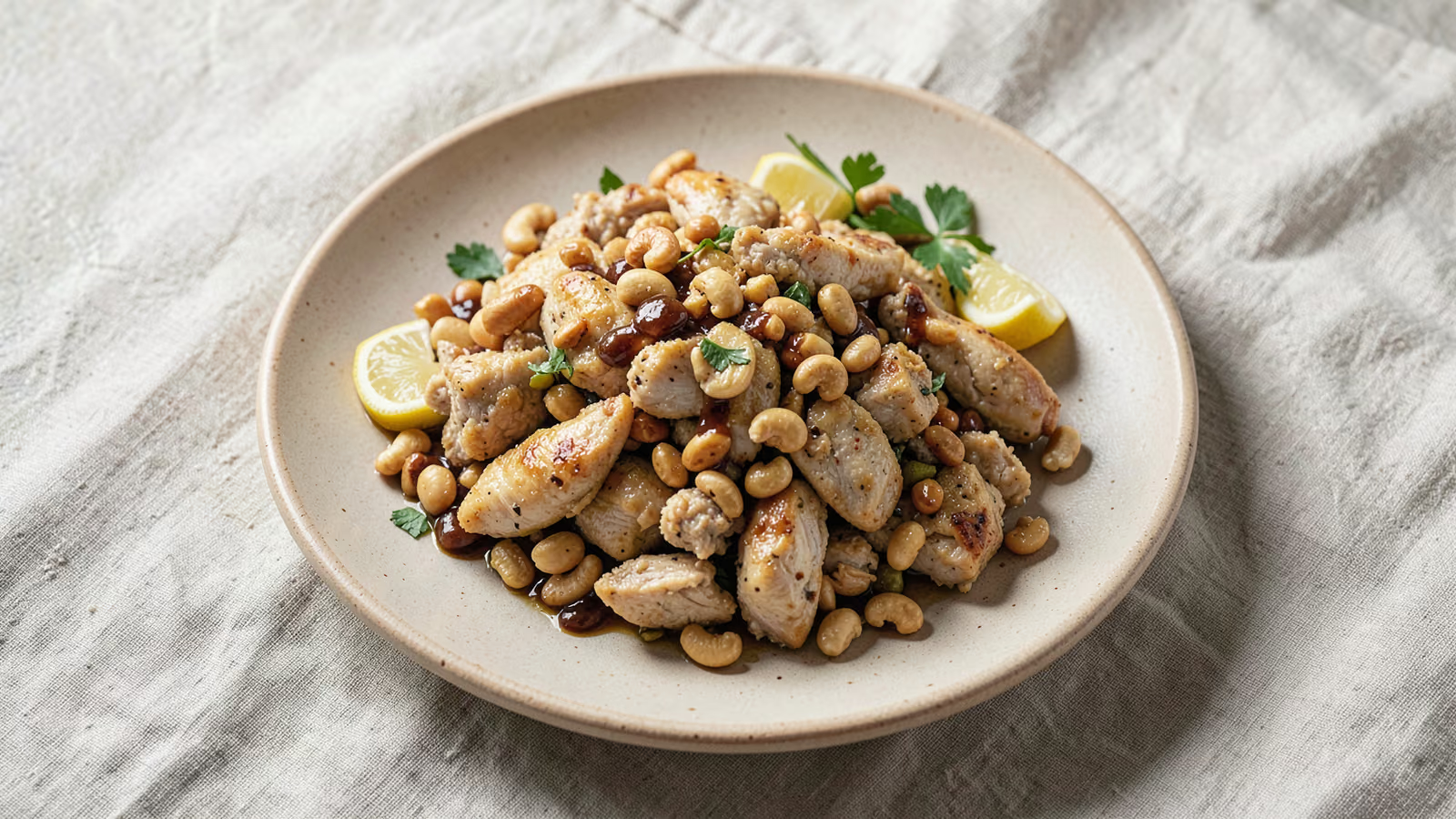
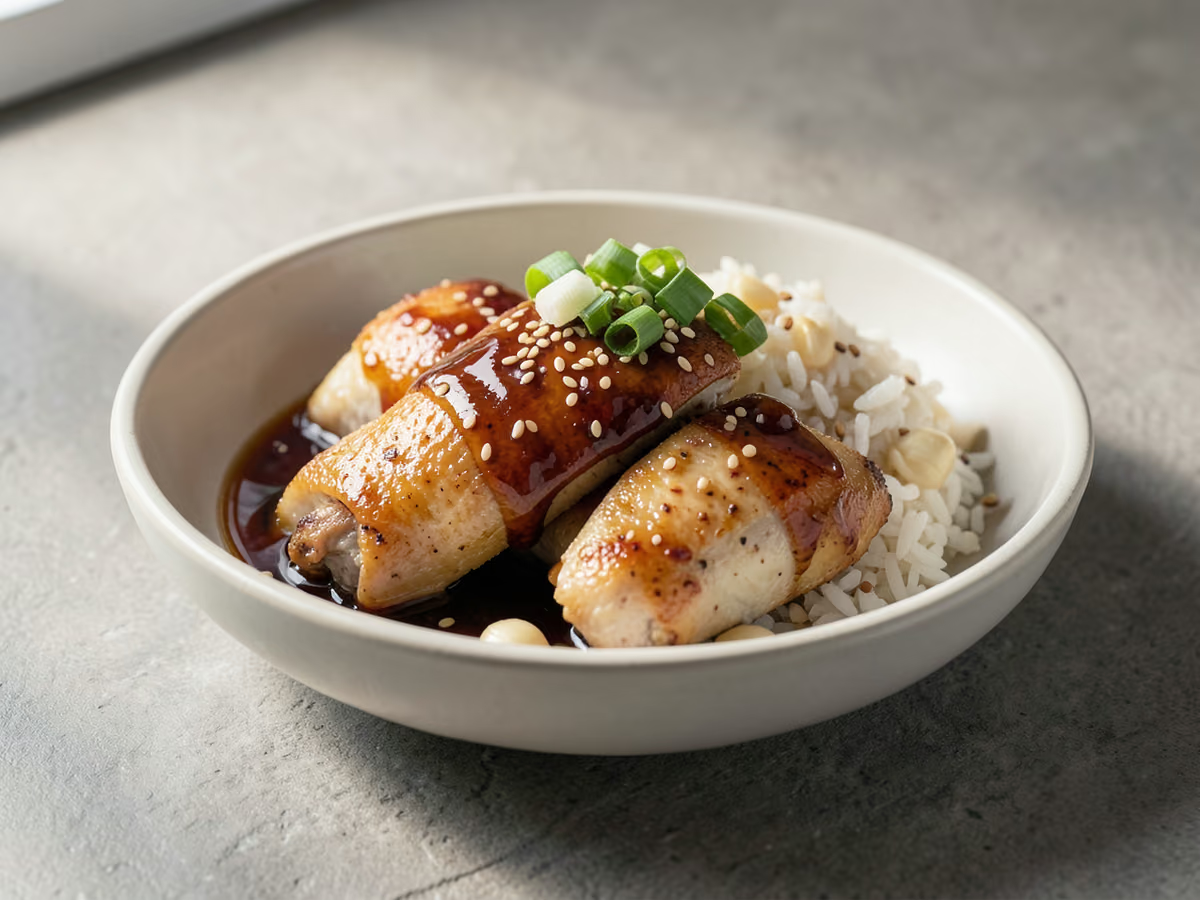
Honey garlic chicken is a 30-minute skillet dinner: bite-size chicken thighs seared hard until the edges caramelize, then tumbled in a glossy sauce of honey, soy, garlic and ginger that thickens around the meat in the last two minutes of cooking. A cornstarch slurry does the work a long reduction would, so the glaze stays pourable instead of gluey, and the whole dish comes together in one pan from pantry staples. Serve it over rice with the sesame seeds and green onions scattered on top.
- Prep
- 10 min
- Cook
- 20 min
- Total
- 30 min
- Serves
- 4
Ingredients
What you’ll need — tap to tick off as you go
- 600 g
- 4 tbsp
- 3 tbsp
- 4 cloves
- 1 tbsp
- 1 tbsp
- 1 tsp
- 2 tbsp
- 2 tbsp
- 1 tsp
Process
Timers built in · swap anything · ask as you cook
Pat the 600 g chicken thighs dry with paper towels and cut them into 2.5 cm pieces; season lightly with salt and pepper if you like. Dry, evenly sized pieces are what sear instead of steam, and they finish cooking at the same time.
Whisk the 4 tbsp honey, 3 tbsp soy sauce, 4 minced garlic cloves, 1 tbsp grated ginger, 1 tbsp rice vinegar, 1 tsp cornstarch and 2 tbsp water in a small bowl until completely smooth, with no dry cornstarch left in the corners. Blending the slurry cold now is what keeps the sauce glossy later.
Heat the 2 tbsp vegetable oil in a large skillet over medium-high until it shimmers. Add the chicken in a single layer and leave it untouched for 3–4 minutes to build a golden crust; crowding the pan drops the temperature and steams the pieces instead of browning them.
Flip the pieces and cook for another 3–4 minutes until browned on the second side and cooked through, checking that the thickest pieces reach 74°C on an instant-read thermometer, the safe minimum for poultry.
Reduce the heat to medium, pour in the sauce and stir constantly for 2–3 minutes until the glaze thickens and coats every piece. Honey burns fast over high heat, so watch the sauce rather than the clock and stop as soon as it looks syrupy.
Take the pan off the heat and scatter over the 1 tsp sesame seeds and the 2 sliced green onions if using. Serve immediately over rice: the glaze tightens as it cools, so have the plates ready before the chicken comes off the stove.
Why this recipe works
The slurry is the quiet trick: cornstarch suspended in the 2 tbsp of cold water swells and thickens once the sauce simmers, so the glaze clings in 2-3 minutes instead of reducing for ten. Browning first does real work too — dry pieces sear rather than steam, and the caramelized edges give the sweet sauce something savoury to sit against. Honey and soy balance as sugar and salt, the rice vinegar keeps the sweetness from turning cloying, and stirring at medium heat keeps the garlic from scorching; honey burns quickly, which is why the sauce waits until the chicken is done.
Equipment
- Large skillet, about 30 cm, or a wok
- Small bowl and whisk for the sauce
- Cutting board and chef's knife
- Measuring spoons
- Instant-read thermometer
- Paper towels for drying the chicken
- Wooden spoon or spatula for stirring the glaze
Kitchen notes
Kitchen notes
- Grate the ginger on a fine grater so it melts into the sauce; coarser strands stay stringy and can catch on the pan and burn.
- If the honey has crystallized, stand the jar in a bowl of warm water for a few minutes before measuring: crystallized honey pours like sand and measures unevenly.
- Use the widest skillet you have, or cook the chicken in two batches: the browned fond left in the pan dissolves back into the glaze and is a large part of the flavour.
- Taste the glaze on a piece of chicken before the last stir. If it reads too sweet, a few extra drops of rice vinegar or soy correct it; if too salty, a touch more honey.
- Whisk a double batch of the sauce to have waiting in the fridge for a stir-fry the next day; it thickens as it sits, so loosen it with a spoonful of water when you reheat it.
Common mistakes
- A bitter, scorched sauce: the garlic burned because the sauce went in early or the pan stayed too hot. Cook the chicken through first, drop the heat to medium before the sauce goes in, and stir constantly for the 2-3 minutes it takes to thicken.
- A sauce that stays watery: the slurry was not simmered long enough. Keep the sauce at a gentle bubble for the full 2-3 minutes; cornstarch needs that heat to swell and thicken, and stopping short leaves a thin, runny glaze.
- Chicken that steams instead of browning: wet pieces or a crowded pan. Dry the thighs thoroughly with paper towels, use a 30 cm skillet, and keep the pieces in a single layer; batch them if your pan is smaller.
- A glaze that turns gluey: too much cornstarch, or a hard boil broke the starch down. Keep to the 1 tsp and stop at medium heat; if the glaze tightens too far, loosen it with a splash of water.
- Dry chicken: thighs cooked well past 74°C, or the pieces cut too small. Cut the 2.5 cm pieces as written and pull the pan as soon as the centre of the thickest piece reads 74°C.
Serving suggestions
- Steamed jasmine or basmati rice is the standard landing place; spoon the chicken and glaze over the rice so the sauce soaks in.
- Keep the sides plain and green — steamed broccoli, snap peas or bok choy with a squeeze of lime — because the sauce already brings sweet and salty.
- Toss the chicken and glaze through rice noodles or ramen-style noodles the moment it comes off the heat for a faster one-bowl dinner.
- Serve straight from the pan: the glaze tightens as it cools, so bring the pan to the table and portion while it is hot.
Variations
- Gluten-free version: use 3 tbsp gluten-free soy sauce or tamari in place of the regular soy sauce, keep the cornstarch (it is gluten-free), and check the rice vinegar label. Traditional soy sauce is brewed with wheat, so this swap is what makes the dish suit a gluten-free diet.
- Crispier version: toss the dry chicken pieces with 1 tbsp extra cornstarch before searing; the thin coating crisps in the oil and the glaze clings more heavily, at the cost of a slightly thicker mouthfeel.
- Add heat: stir a teaspoon of chilli flakes or a spoonful of chilli paste into the sauce, or shake in a pinch of cayenne; none of it changes how the glaze sets.
- Vegetable version: the same glaze works over 600 g of seared firm tofu or roasted cauliflower florets; cook them until well coloured first, then glaze off the heat as with the chicken.
Refrigerator
- RefrigeratorCool, then refrigerate in an airtight container for up to 3 days; cooked poultry keeps 3 to 4 days by USDA guidance. The glaze sets as it chills and loosens again when reheated.
- ReheatingReheat gently in a skillet over medium heat with a splash of water to loosen the glaze, until hot throughout and 74°C (the USDA FSIS minimum for reheated leftovers). Covered in the microwave works too, but the browned edges soften.
- FreezingNot recommended. The cornstarch-thickened glaze separates and turns grainy on thawing, and the chicken loses its sear; this dish is at its best made fresh in 30 minutes.
- Make aheadThe dish is quick enough that little is gained, but the sauce can be whisked and refrigerated up to a day ahead, and the chicken cut and covered in the fridge. Cook it fresh for the best glaze: the sauce tightens as it waits, so stir in a splash of water before it goes into the pan.
Updated:
How this recipe was developed
- USDA FSIS and FoodSafety.gov safe temperatures and storage (poultry and reheated leftovers: 74°C / 165°F; cooked poultry keeps 3 to 4 days refrigerated)
- CDC infant and toddler nutrition guidance (no honey for children under 12 months, cooked or not)
- Coeliac UK gluten-free guidance on soy sauce (traditional soy sauce contains wheat; use gluten-free soy sauce or tamari)
- RecipeTin Eats, honey garlic chicken (simmering the sauce just until it thickens, loosening it with water, and using light rather than dark soy sauce)
Editorial references are kept internally for verification. This page makes no claim of external certification or professional testing.
FAQ
The questions we get asked most
Why did my honey garlic sauce turn bitter?
The garlic caught in the pan, which happens when the sauce goes in before the chicken is cooked or the heat stays high. Cook the chicken through first, reduce to medium before the sauce goes in, stir constantly for the 2-3 minutes it takes to thicken, and take the pan off the heat the moment it looks syrupy; honey itself scorches fast and turns acrid.
How do I know when the chicken is cooked through?
Check the thickest piece with an instant-read thermometer: 74°C is the USDA FSIS safe minimum for poultry and this recipe pulls right at it. The pieces should look springy and show no pink when cut. Thighs are forgiving, but every minute past 74°C trades juiciness for nothing.
Can I use chicken breast instead of thighs?
Yes, with attention: breast is leaner and dries out faster, so sear it 2-3 minutes per side, check for 74°C, and do not let it sit in the pan after glazing. Cut the pieces the same 2.5 cm so the timing stays predictable.
How do I thicken the sauce without cornstarch?
Simmer the sauce a minute or two longer to reduce it, or whisk in arrowroot or potato starch instead, at the same 1 tsp dissolved in the 2 tbsp water. A teaspoon of peanut butter adds body and a nutty note, and if the glaze ever thickens too far, a splash of water loosens it without thinning the flavour.
Is honey garlic chicken gluten-free?
Only if you use a gluten-free soy sauce. Traditional soy sauce is brewed with wheat, so use gluten-free soy sauce, tamari (check the label) or coconut aminos for the 3 tbsp. The cornstarch, honey, rice vinegar, ginger and garlic are naturally gluten-free.
Can I make honey garlic chicken ahead, and how long do leftovers keep?
The sauce can be whisked a day ahead and the chicken cut and refrigerated, but the finished dish is best straight from the pan. Leftovers keep up to 3 days covered in the fridge; reheat gently in a skillet with a splash of water until hot, and skip the freezer, where the starch-thickened glaze turns grainy.
Can I double the recipe?
Yes, but respect the pan: doubling the chicken in one skillet drops the oil temperature and steams the pieces, so cook the thighs in two batches and make the full batch of sauce once. If your pan is at least 35 cm, one large single layer can work; the sauce itself scales straight up.
Ask KitchenMind about this recipe
Tell it what’s different tonight — it works within the actual recipe.