Tom Yum Shrimp Soup
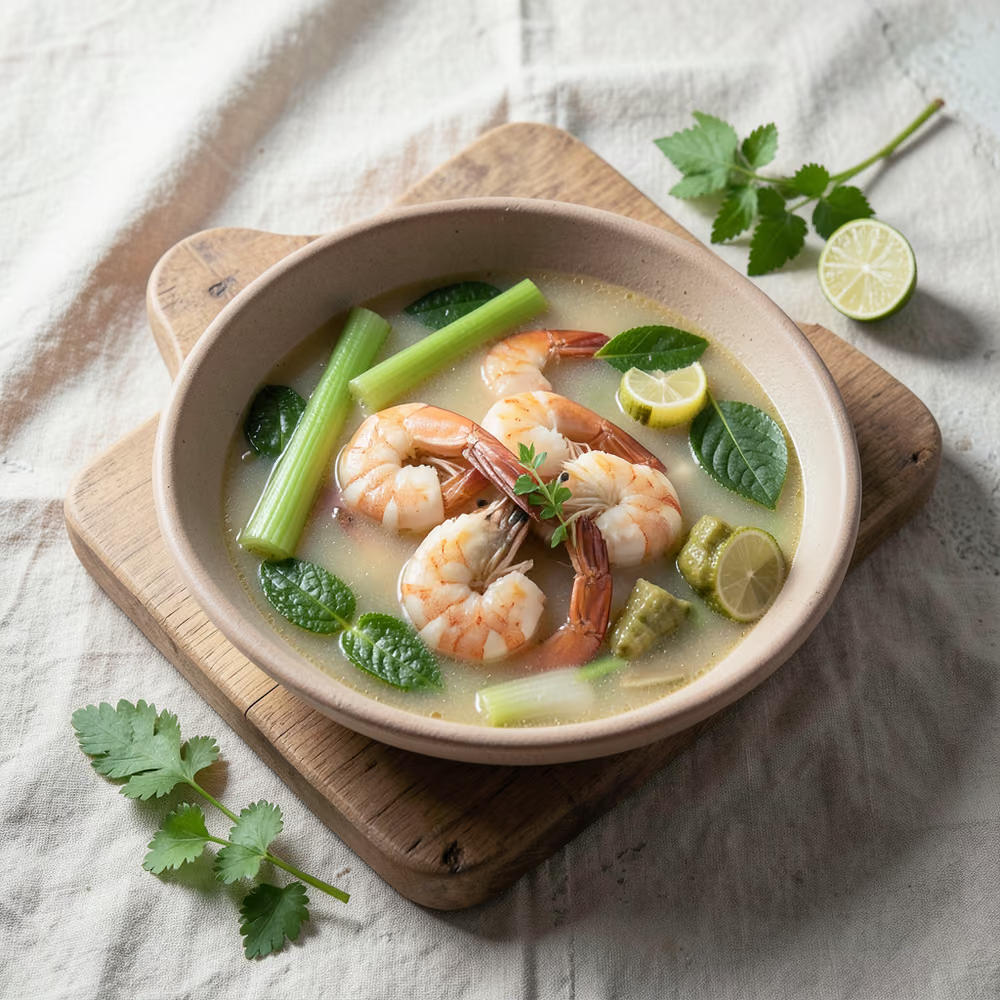
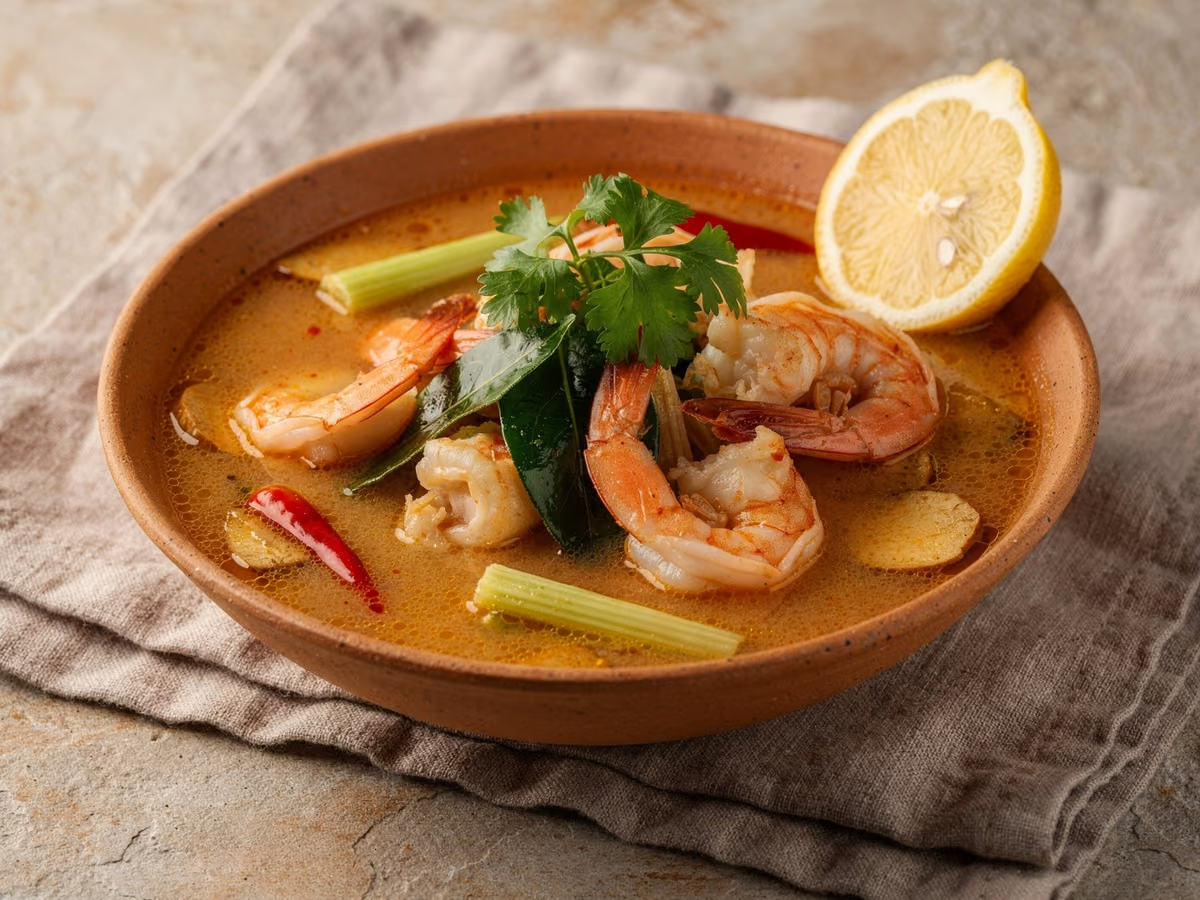
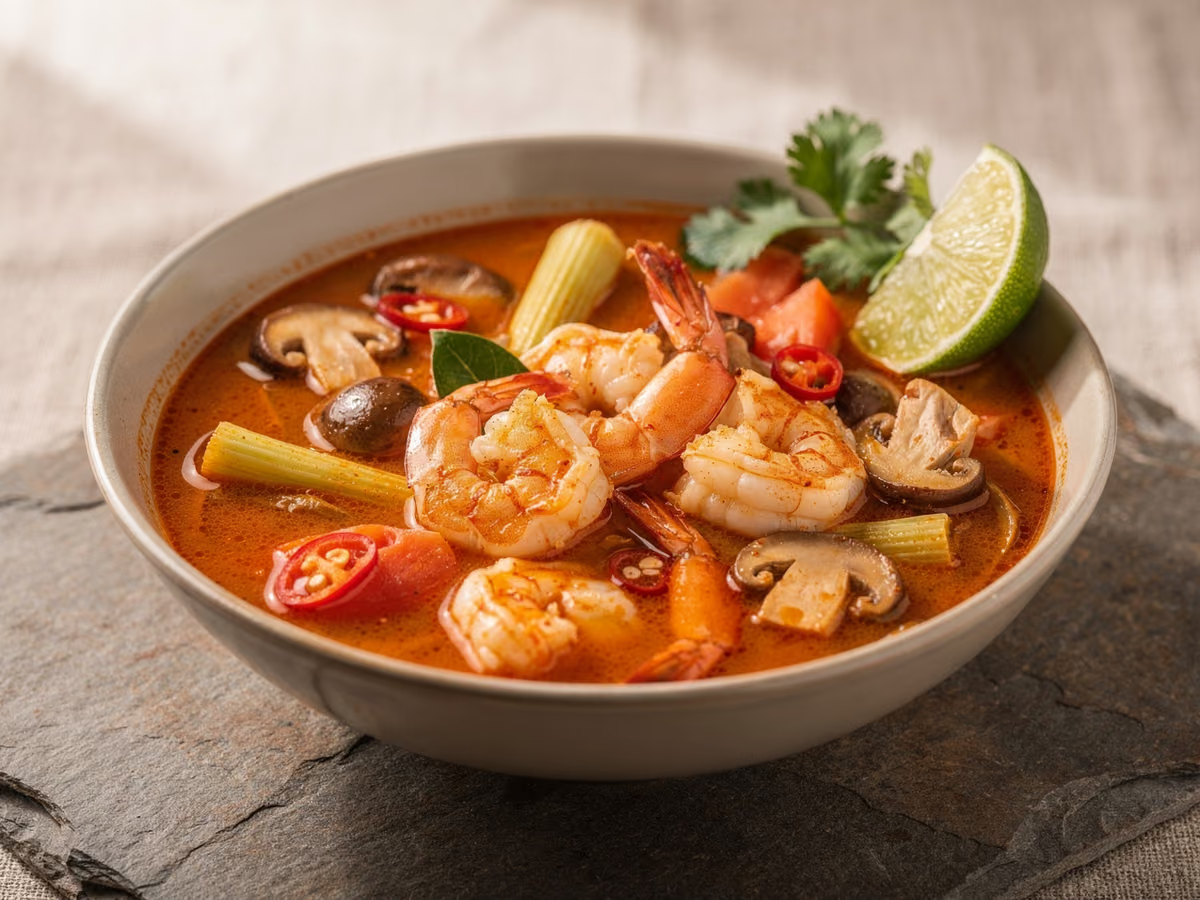
Tom yum is Thailand's hot-and-sour shrimp soup, and it is built backwards from most soups: 2 bruised lemongrass stalks, 5 slices of galangal, 6 torn kaffir lime leaves and 3 smashed Thai chilies infuse the 1 litre of broth for 5 minutes before 200 g of straw mushrooms and 400 g of shrimp cook in it for a matter of minutes. The lime juice and fish sauce go in only after the heat is off, so the sourness stays bright, and the whole pot is ready in half an hour with 15 minutes of prep.
- Prep
- 15 min
- Cook
- 15 min
- Total
- 30 min
- Serves
- 4
Ingredients
What you’ll need — tap to tick off as you go
- 400 g
- 1 l
- 5 slices
- 200 g
- 3 tbsp
- 3 tbsp
- 1 tsp
- ½ cups
Process
Timers built in · swap anything · ask as you cook
Bring the 1 litre of chicken broth to a boil in a large pot over high heat, which takes about 4 to 6 minutes. Start with a broth you would happily drink on its own, because nothing in the aromatics hides a weak or over-salted base, and leave room in the pot for everything that follows.
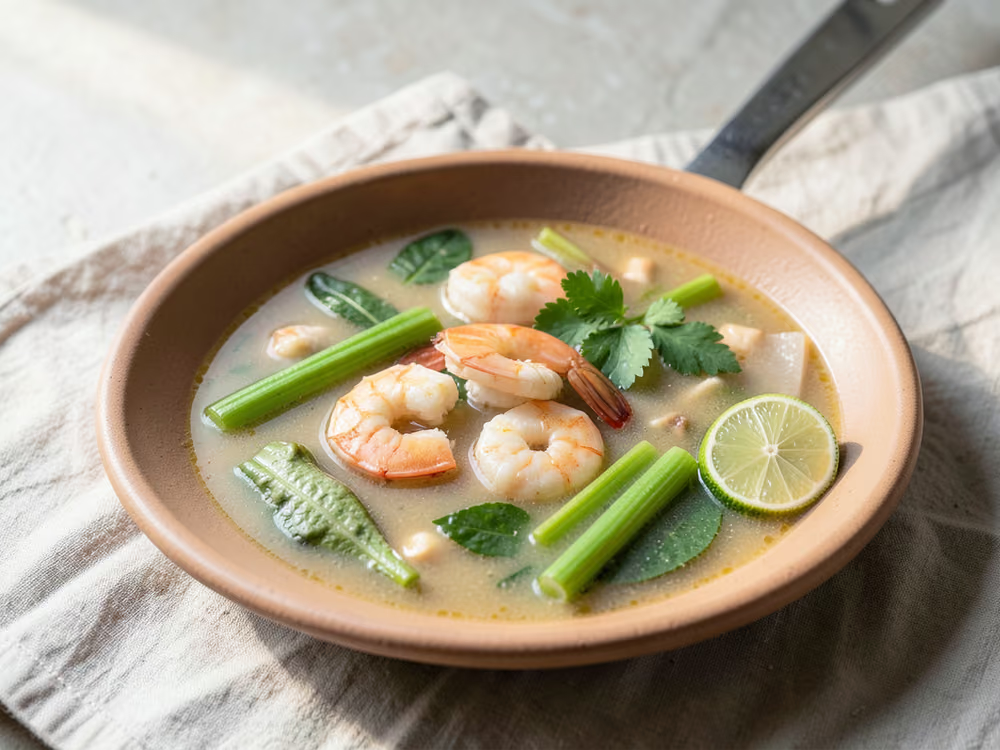
Add the 2 bruised lemongrass pieces, the 5 slices of galangal, the 6 torn kaffir lime leaves and the 3 smashed Thai chilies, reduce the heat to medium and simmer for 5 minutes. The woody aromatics are steeping, not cooking: the broth should smell of citrus and herbs while staying pale and clear, with no bitterness creeping in.
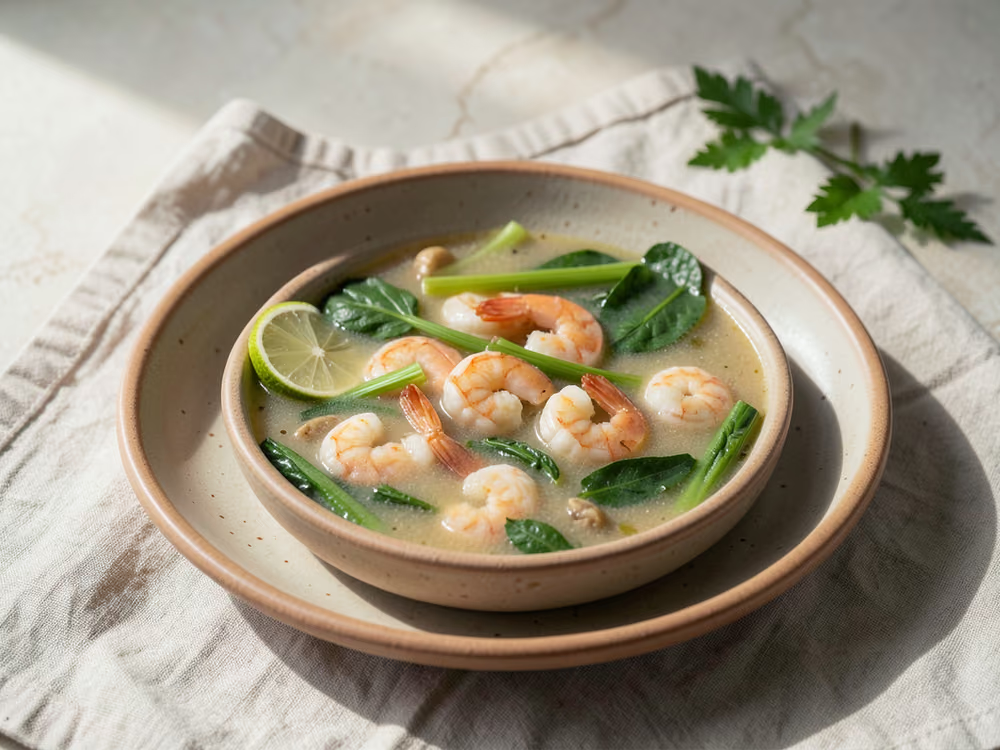
Add the 200 g of straw mushrooms and cook for 2 minutes, just until they are hot through and plump again. Canned mushrooms are already cooked, so this is only a warming step; a longer simmer pulls their springy texture out and leaves them spongy in the bowl.
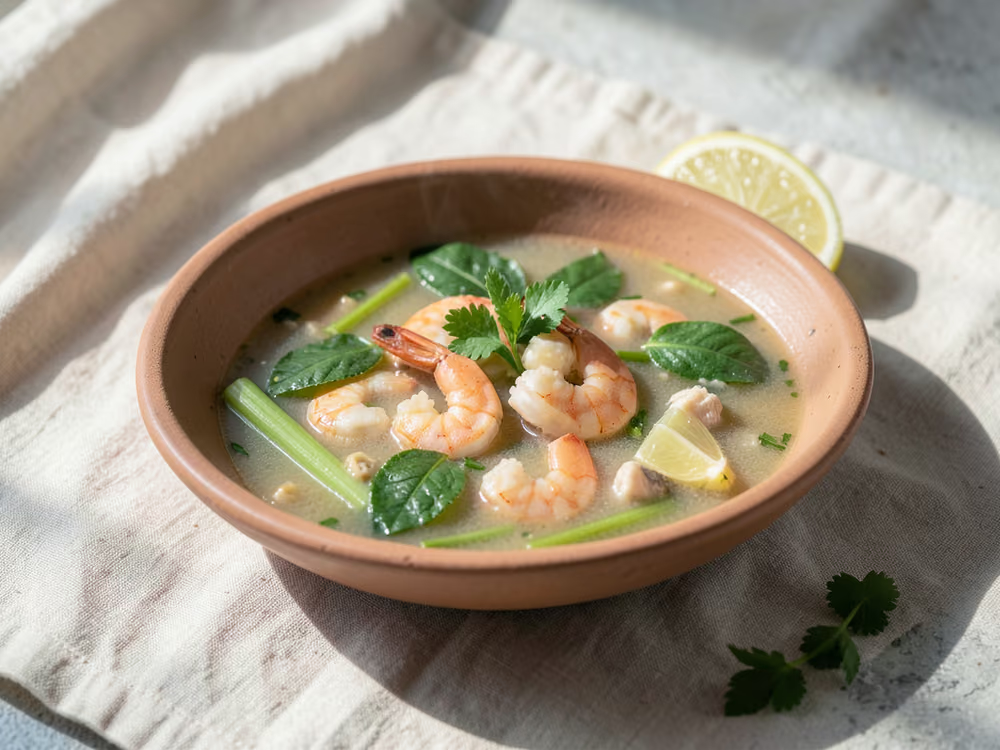
Add the 400 g of shrimp and cook for 2 to 3 minutes, until they turn pink, curl into a loose C and the flesh is pearly and opaque, the FDA marker for shrimp, or 63°C if you check with a thermometer. Stay at a gentle simmer, because a hard boil tightens them, and a tight O curl means they are already past done.
Take the pot off the heat and season with the 3 tbsp of fish sauce, the 3 tbsp of lime juice and the 1 tsp of sugar. Stir well and taste: the soup should hit salty, sour and hot at once with a little sweetness underneath, and this is the moment to fix the balance before anyone gets a bowl.
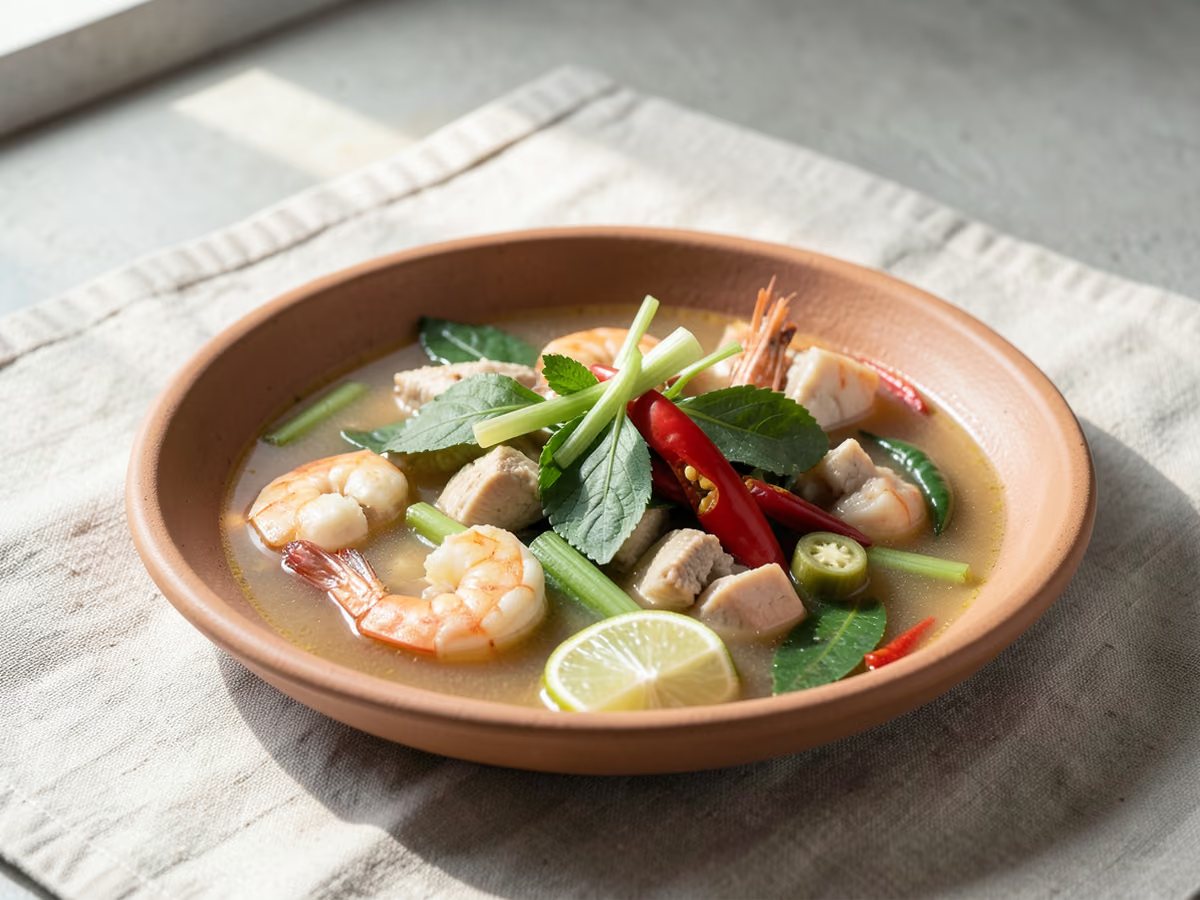
Taste once more, adjust if needed, then ladle into warm bowls and scatter the 0.5 cup of chopped cilantro over the top. The lemongrass, galangal and lime leaves are flavour rather than food, so tell your table to push them aside, and serve straight away while the lime is still loud.
Why this recipe works
Tom yum is an infusion rather than a base: lemongrass, galangal and kaffir lime leaves are woody and inedible, so they are bruised to rupture their oil cells, left in large pieces to steep, and 5 minutes at a simmer carries their citrus-floral notes into the broth without drawing out bitterness. The shrimp cook for only 2 to 3 minutes because their proteins tighten fast: the moment they are pearly and opaque they are done, and every extra minute squeezes out water and turns them rubbery. The finish is a balance: fish sauce for salt, lime for sour, sugar to round the edges, all added off the heat so the volatile citrus oils stay bright instead of cooking into harshness.
Equipment
- Large pot, 3 to 4 litres
- Chef's knife and cutting board
- Wooden spoon or ladle
- Measuring jug and spoons
- Fine strainer or slotted spoon, for the aromatics
- Ladle for serving
- Deep soup bowls, warmed
Kitchen notes
Kitchen notes
- If your shrimp come with shells and heads, save them: simmered in the 1 litre of broth for 10 minutes before the aromatics go in, then strained out, they turn the base into a seafood stock with a sweetness no amount of fish sauce can add. Peeled shrimp mean you skip this without worry.
- Put lime wedges, extra fish sauce and chili flakes on the table and season the pot slightly shy of perfect. Tom yum is tuned in the bowl, and a soup seasoned to the cook's taste is rarely seasoned to everyone else's.
- Treat the chilies as a heat dial: whole and unsmashed for a gentle pot, cracked open for real heat, and fished out once the broth has had its 5-minute infusion if you want to stop the climb rather than let it sit and strengthen.
- Serve in warmed bowls and take the pot off the heat at the table. The residual heat of a wide pot keeps cooking the shrimp, so the later bowls are the ones that turn from tender to tight.
- Strain the aromatics out before serving if your table prefers a tidy bowl, or leave them in as Thai kitchens do, and simply make sure everyone knows they are there for flavour and not for eating.
Common mistakes
- A sour, bitter bowl: the lime juice was boiled with the soup, or it went in all at once without tasting. Add the 3 tbsp only after the pot is off the heat and taste as you go; if the soup is already bitter, soften it with the 1 tsp of sugar and a splash of broth, and remember that bitterness from cooked lime cannot be undone.
- Rubbery, curled shrimp: they simmered past 2 to 3 minutes, or they hit a rolling boil. Keep the pot at a gentle simmer, add the shrimp last, and judge by the shape: a loose C with pink, pearly flesh means serve now, while a tight O means they are already overcooked and will not come back.
- A cloudy, dull broth: a hard boil after the mushrooms and shrimp went in. Boiling whips fat and proteins into the liquid and leaves it opaque, so keep the surface at a lazy simmer once the mushrooms go in, and let the pot come off the heat the moment the shrimp colour.
- A harsh, fishy edge instead of clean saltiness: the fish sauce was boiled in from the start, or too much went in at once. Add it off the heat in spoonfuls and taste between them, because the broth reduces slightly as it simmers and seasoning added early over-shoots by the time you serve.
- Spicy but bland: heat without salt or sourness. Tom yum needs salty, sour and a little sweet together, so if it burns but tastes flat, add fish sauce 1 tsp at a time, then lime juice 1 tsp at a time, then a pinch of sugar to round the edges, tasting after each.
- A thin, watery flavour: too much broth for the aromatics, or a rushed infusion. Keep to the 1 litre, simmer the aromatics the full 5 minutes, and do not skip bruising the lemongrass, because whole stalks release almost nothing into the pot.
Serving suggestions
- Four bowls as the recipe portions it, or over steamed jasmine rice to turn it into a meal for 2 or 3, since the rice absorbs the sour broth and softens the heat.
- Part of a shared Thai table rather than the whole meal: serve it alongside a mild stir-fry and rice, so the sourness and heat have somewhere to land.
- Serve it as a starter the way Thai kitchens do, in small bowls before the rest of the meal, so the shrimp and lime are tasted at their brightest.
- A cold drink that is not sweet, such as sparkling water, iced tea or barley tea, resets the palate between spoonfuls and keeps the lime and chili in focus.
Variations
- Creamy tom yum, a different style: stir 2 tbsp of Thai chili paste into the simmer, then a splash of evaporated milk off the heat, for the richer and milder version served in many Bangkok restaurants.
- Mixed seafood version: replace the 400 g of shrimp with a mix of shrimp, squid and mussels, adding the quick-cooking pieces last and judging everything by the same pearly-and-opaque rule.
- Tomato version: simmer 1 tomato in wedges with the mushrooms for 2 minutes; it sweetens the broth and softens the sourness, closer to some street-stall pots where tomato often appears.
Refrigerator
- RefrigeratorCool the soup quickly and split it into shallow containers to speed that up. Refrigerate within 2 hours, per USDA FSIS guidance, and it keeps airtight for up to 2 days: FSIS allows 3 to 4 days for soups, but the shrimp firm up and the lime aroma fades, so 2 days is when it still tastes like tom yum.
- ReheatingWarm the broth on the stove over medium heat to 74°C, the FSIS minimum for reheating leftovers, then add fresh shrimp and mushrooms and simmer for 2 to 3 minutes before stirring in new lime juice and fish sauce off the heat. Reheating the old shrimp and the spent lime is what makes leftover tom yum taste tired.
- FreezingFreeze the strained broth only, for up to 2 months in a freezer-safe container, with the shrimp and mushrooms removed; they turn rubbery and spongy when frozen. Thaw overnight in the fridge and build the soup fresh from the broth.
- Make aheadSimmer the broth with the lemongrass, galangal, lime leaves and chilies up to 2 days ahead, cool it and refrigerate. Reheat it to a simmer, then add the mushrooms and shrimp fresh and finish with lime juice and fish sauce off the heat, which keeps the shrimp tender and the citrus bright.
Updated:
How this recipe was developed
- Hot Thai Kitchen (Pailin Chongchitnant), Thai tom yum soup with shrimp (aromatics bruised, simmered about 5 minutes to infuse, mushrooms and shrimp cooked briefly, and the aromatics left in the soup as flavour but not eaten)
- Talard Thai, Tom Yum Goong (aromatic infusion timing, shrimp cooked 1 to 2 minutes, lime juice and fish sauce added off the heat, and the creamy nam khon style with chili paste and evaporated milk)
- Eating Thai Food (Mark Wiens), easy Thai tom yum soup (lime juice squeezed in only after the pot is off the stove, or it turns bitter; balancing the soup with fish sauce and a little sugar)
- USDA FSIS / FDA safe minimum internal temperatures and storage guidance (fish and shellfish 63°C, shrimp flesh pearly and opaque; leftovers reheated to 74°C; refrigerate within 2 hours; soups 3 to 4 days in the fridge, 2 to 3 months in the freezer)
Editorial references are kept internally for verification. This page makes no claim of external certification or professional testing.
Gallery
FAQ
The questions we get asked most
Why did my tom yum turn out sour and bitter?
Almost always the lime juice: boiled with the soup it turns bitter and its aroma disappears. Add the 3 tbsp only after the pot is off the heat, taste, and if it is already bitter, soften it with the 1 tsp of sugar and a splash of broth. The same goes for the fish sauce, which turns harsh when it boils.
Can I use frozen or canned shrimp?
Yes. Thaw frozen shrimp in the fridge for 4 to 6 hours or under cold running water for 10 minutes, then pat them dry; canned shrimp are already cooked, so they go in for the last 30 seconds just to heat through. Either way, shave 1 to 2 minutes off the cooking time.
How do I know when the shrimp are cooked?
They turn opaque pink and curl into a loose C in about 2 to 3 minutes at a gentle simmer, and a tight O means overcooked. Cut one open at the thickest part: the centre should be white rather than translucent, and FSIS lists shellfish at 63°C if you are checking with a thermometer.
Can I make Tom Yum ahead of time?
Yes, but only the broth: simmer it with the lemongrass, galangal, lime leaves and chilies up to 2 days ahead, cool it and refrigerate. Reheat it to a simmer, then add the mushrooms and shrimp fresh and finish with lime juice and fish sauce off the heat. The soup does not hold well once the shrimp are in.
Why is my soup bland even though I added fish sauce and lime?
Because tom yum needs all three tastes working together, and the broth reduces as it simmers, so a pot seasoned early tastes flat at the table. Add fish sauce 1 tsp at a time for salt, lime juice 1 tsp at a time for sour, and a pinch of sugar to round it out, tasting after each addition. Stop when salty, sour and hot all arrive together.
Can I use dried mushrooms instead of straw mushrooms?
Yes: soak 30 g of dried mushrooms in warm water for 20 minutes, then slice and add them with the aromatics so they have time to soften fully, and strain the soaking liquid into the broth for extra depth. Fresh button or oyster mushrooms also work, cooked for 3 to 4 minutes.
How spicy is this soup?
It runs from gentle to fiery depending on the 3 chilies and how you treat them: whole and uncracked for aroma, smashed for real heat, and fished out early if the pot gets ahead of you. The heat sits on top of the sourness, so taste the broth as it cooks and let anyone who wants more add chili flakes in the bowl.
Ask KitchenMind about this recipe
Tell it what’s different tonight — it works within the actual recipe.