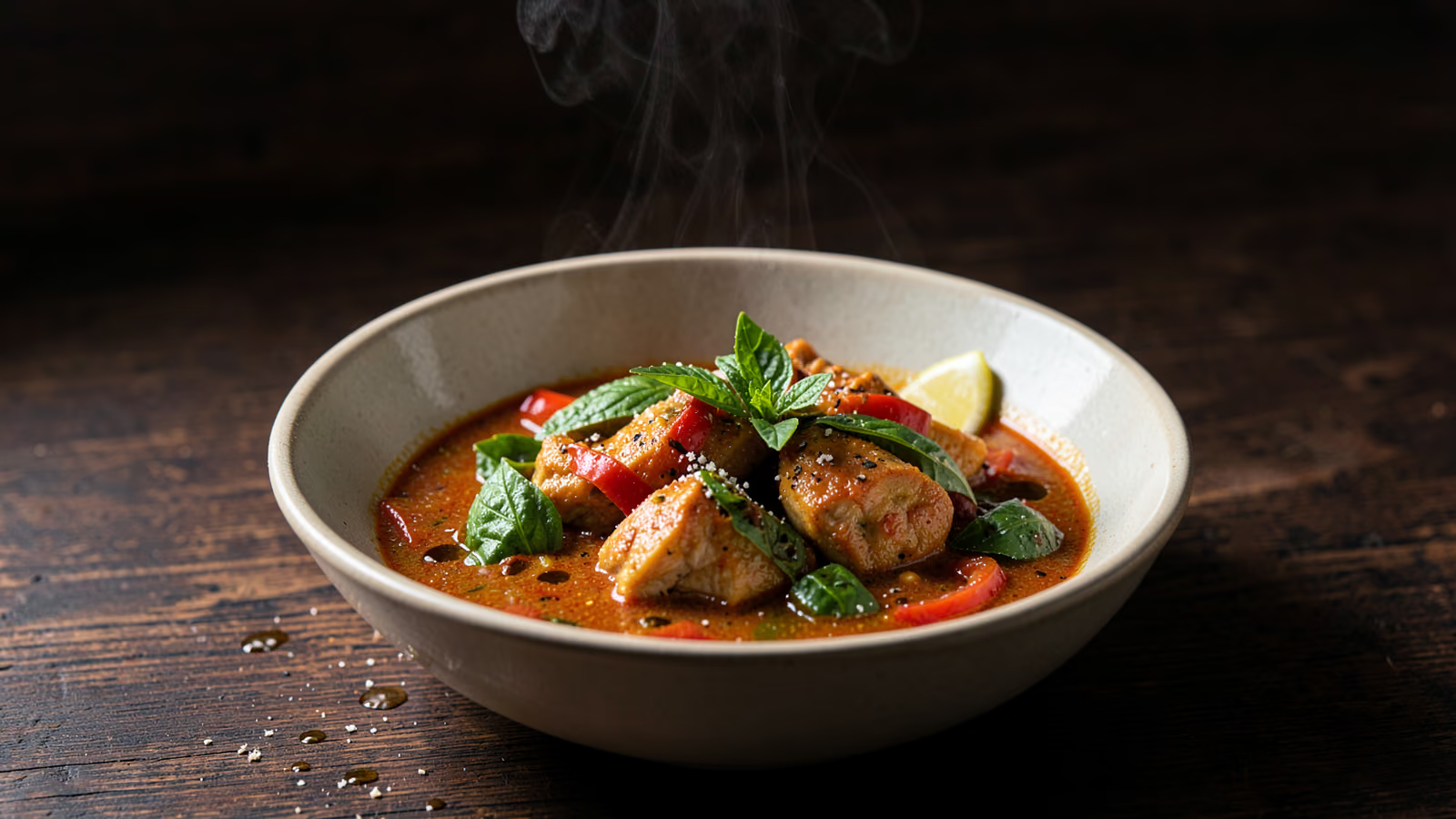
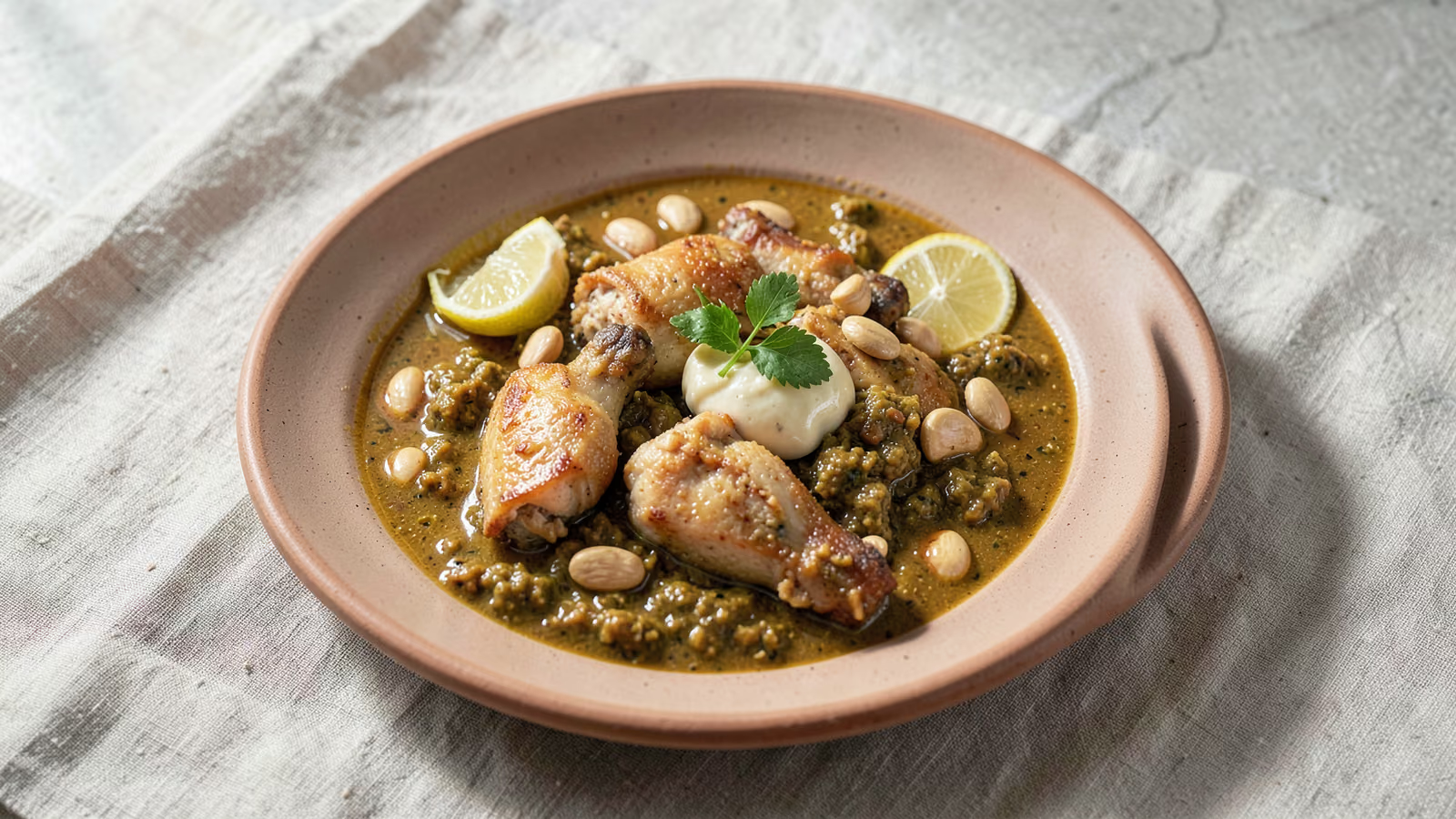
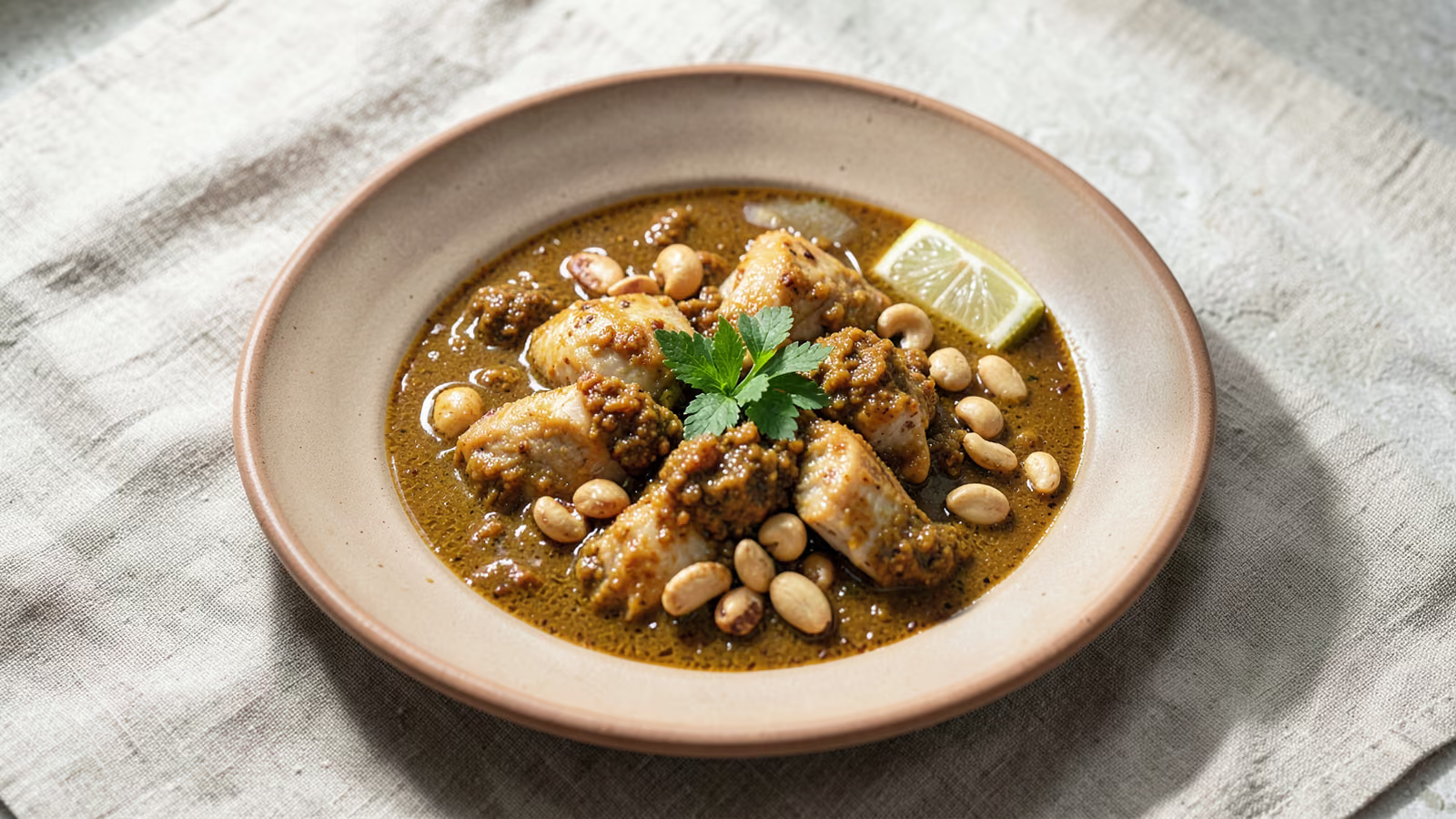
Thai Green Curry Chicken
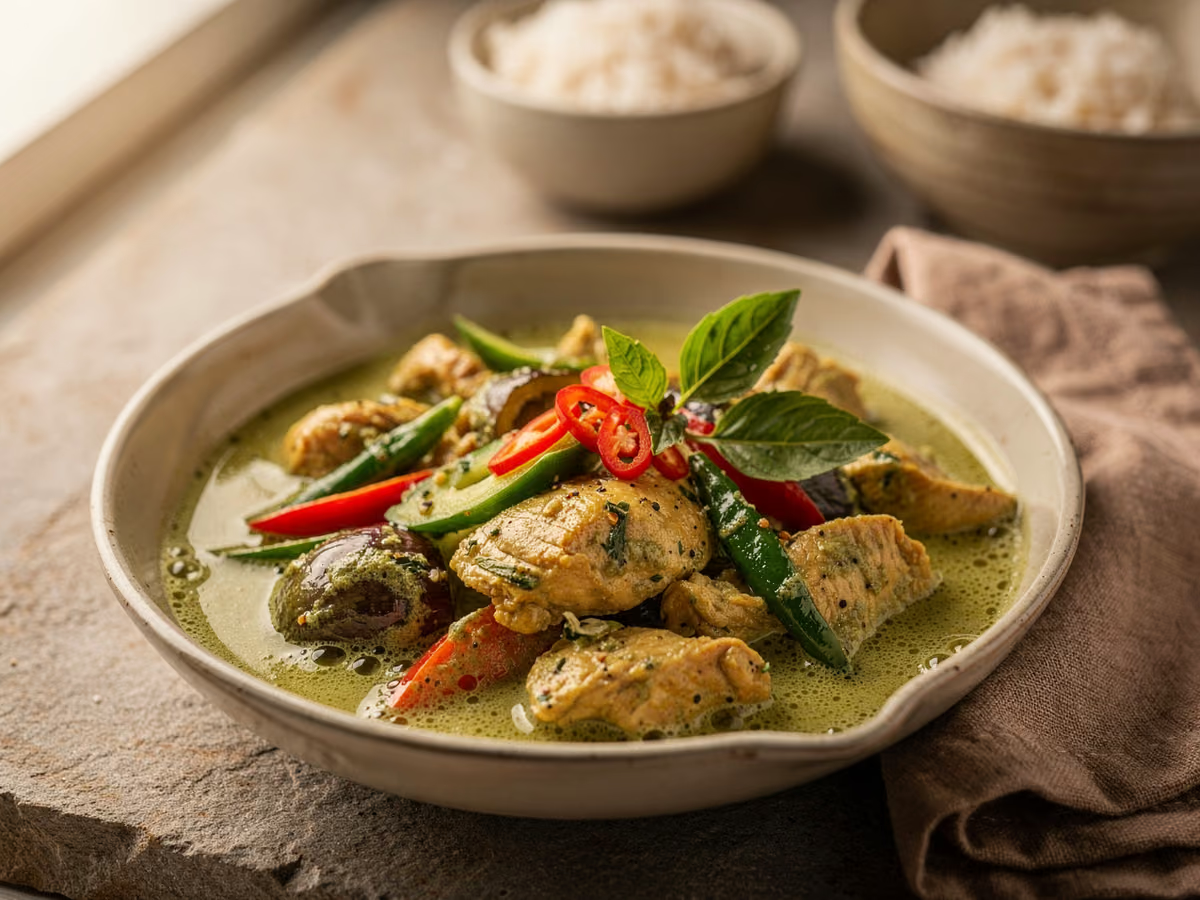
Green curry is built on 50 g of paste fried until its raw edge disappears, then relaxed with 400 ml of full-fat coconut milk and 250 ml of chicken broth into a sauce that stays creamy but still sharp with lime and basil. Chicken thighs simmer in it with bamboo shoots and red pepper for 10 to 12 minutes, and the fresh notes go in at the end, where they stay loudest. Prep is 20 minutes, the pot is 25, and dinner is on the table over jasmine rice in under an hour.
- Prep
- 20 min
- Cook
- 25 min
- Total
- 45 min
- Serves
- 4
Ingredients
What you’ll need — tap to tick off as you go
- 500 g
- 50 g
- 400 ml
- 250 ml
- 2 tbsp
- 1 tbsp
- 150 g
- 1 cup
- 1 tbsp
- 300 g
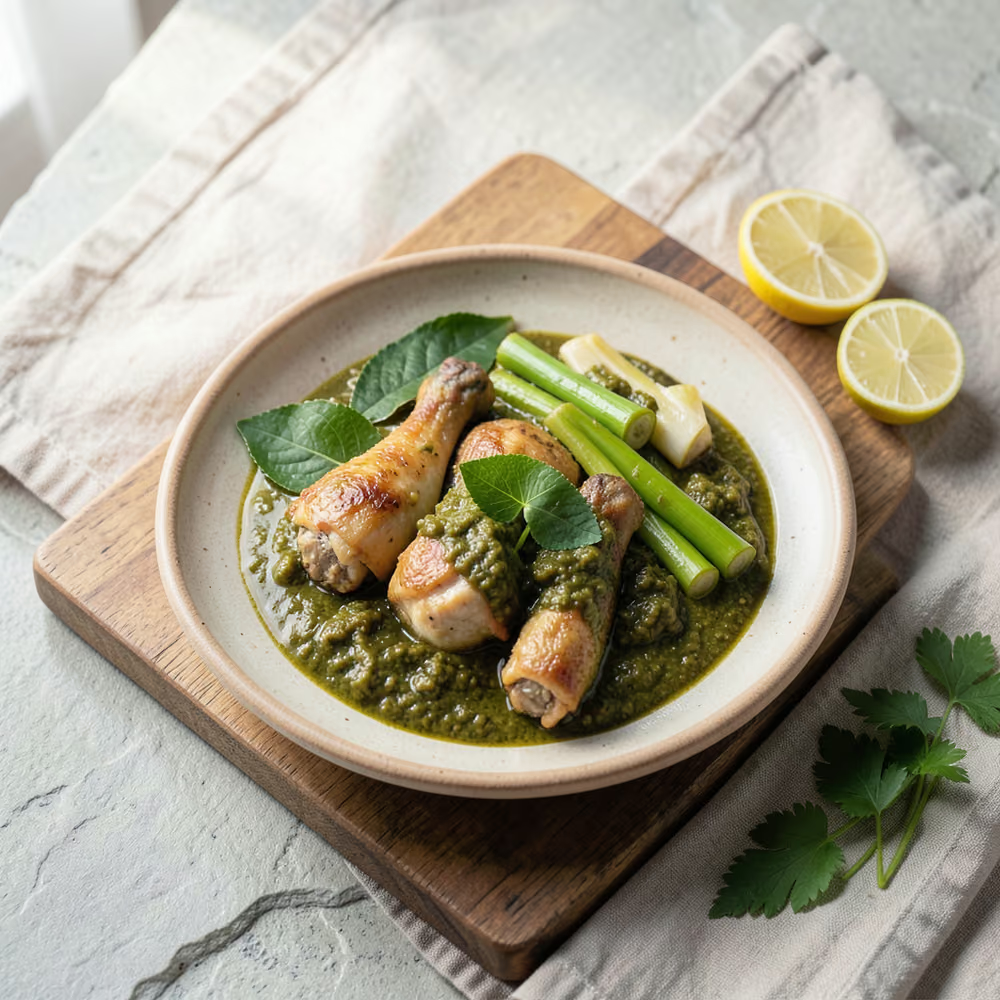
Process
Timers built in · swap anything · ask as you cook
Heat the 1 tbsp of vegetable oil in a large pot or wok over medium heat, add the 50 g of green curry paste and fry for 1 to 2 minutes, stirring constantly, until it smells strongly fragrant and turns a shade darker. Oil and heat dissolve the fat-soluble aromatics and cook off the raw edge of the paste, so keep it moving; this is the minute that decides how the whole pot tastes.
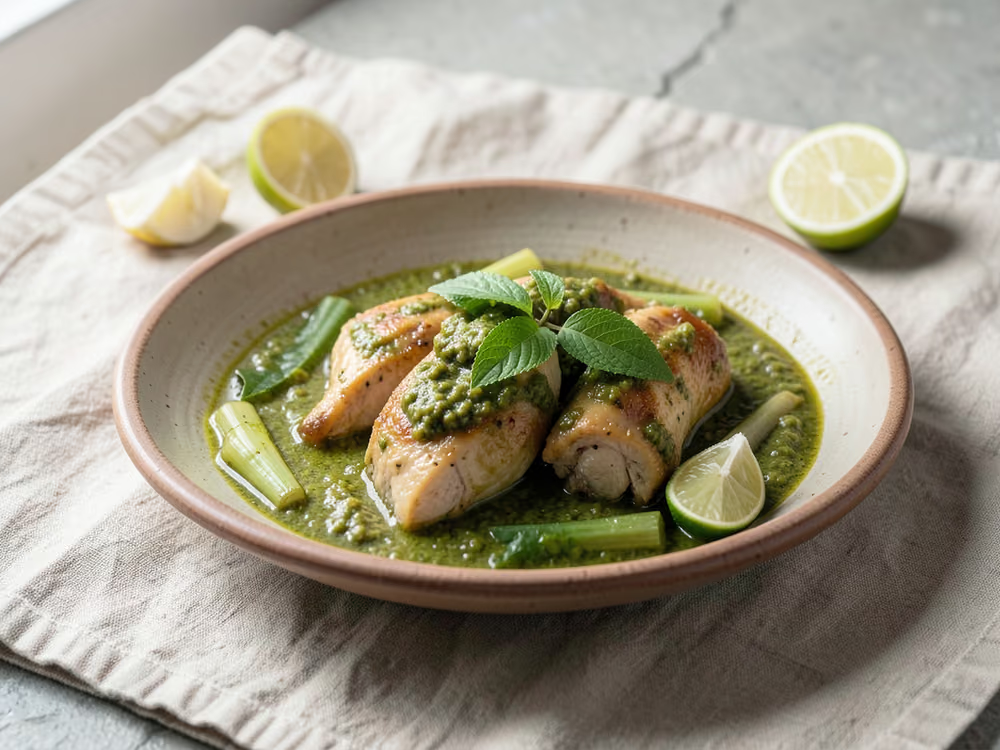
Add the 500 g of chicken thigh pieces and stir to coat every piece in the paste. Cook for 3 to 4 minutes, turning the pieces, until they are lightly browned on all sides but not cooked through; browning here builds the savoury base of the sauce, and the chicken finishes cooking in the simmer that follows.
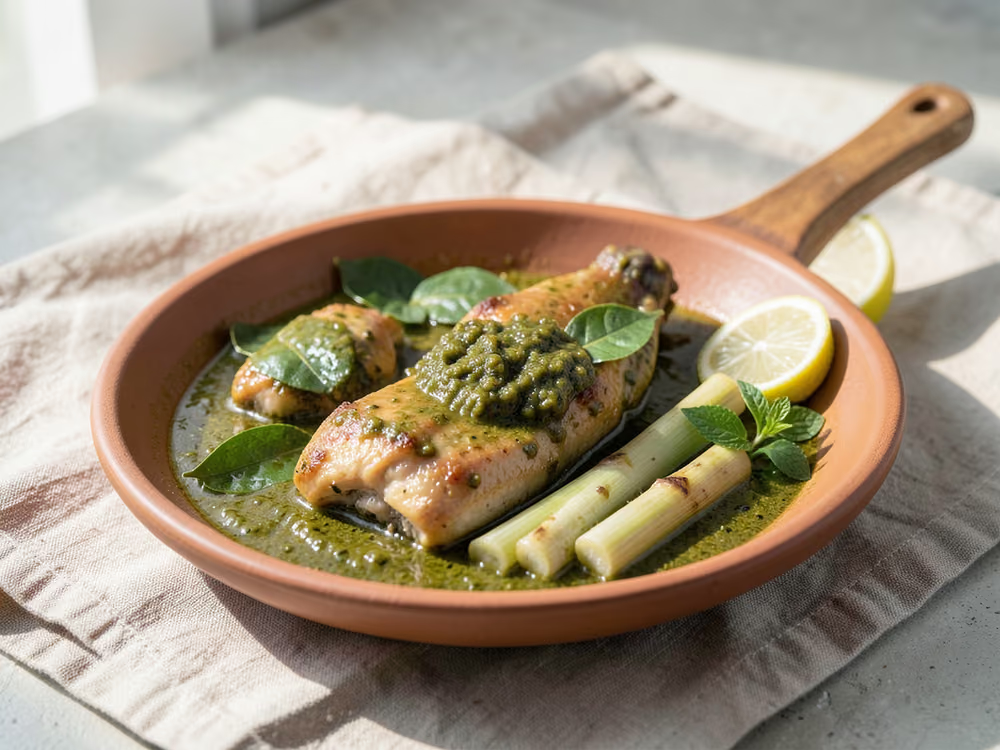
Pour in the 400 ml of coconut milk and the 250 ml of chicken broth, then stir in 1 tbsp of the fish sauce, the 1 tbsp of brown sugar and the 4 torn kaffir lime leaves. Bring to a gentle simmer and hold it there, because a hard boil forces the fat and water in the coconut milk apart and the sauce turns oily instead of creamy.
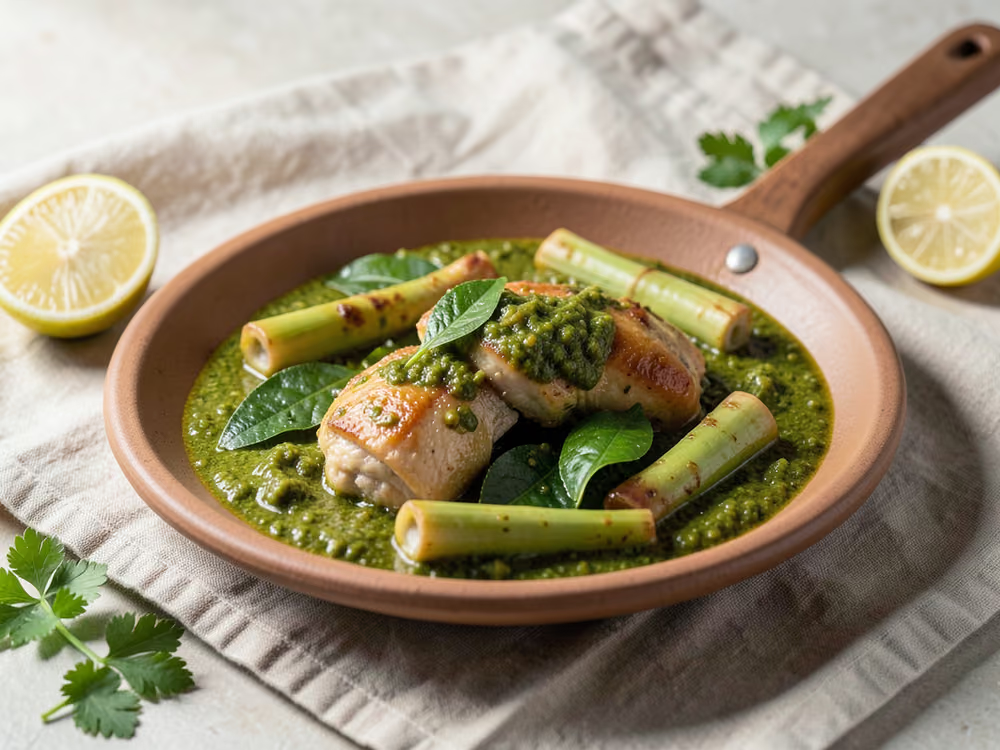
Add the 150 g of drained bamboo shoots and the 1 sliced red bell pepper, and simmer gently for 10 to 12 minutes, until the chicken is cooked through and the vegetables are tender. A piece of thigh should cut easily with no pink and read 74°C at the centre, the USDA FSIS minimum for poultry, so do not pull the pot early.
Take the pot off the heat and stir in the 1 cup of Thai basil leaves, the juice of the 1 lime and the remaining 1 tbsp of fish sauce. Taste and adjust until the curry is salty, sour, creamy and hot at once; basil and lime stay bright only when they are not cooked, which is why they go in after the burner goes off.
Serve hot over the 300 g of cooked jasmine rice, spooning sauce over each bowl so the rice is coated rather than flooded. The curry is at its creamiest straight from the pot and thickens as it stands, so bring it to the table as soon as the basil has wilted.
Why this recipe works
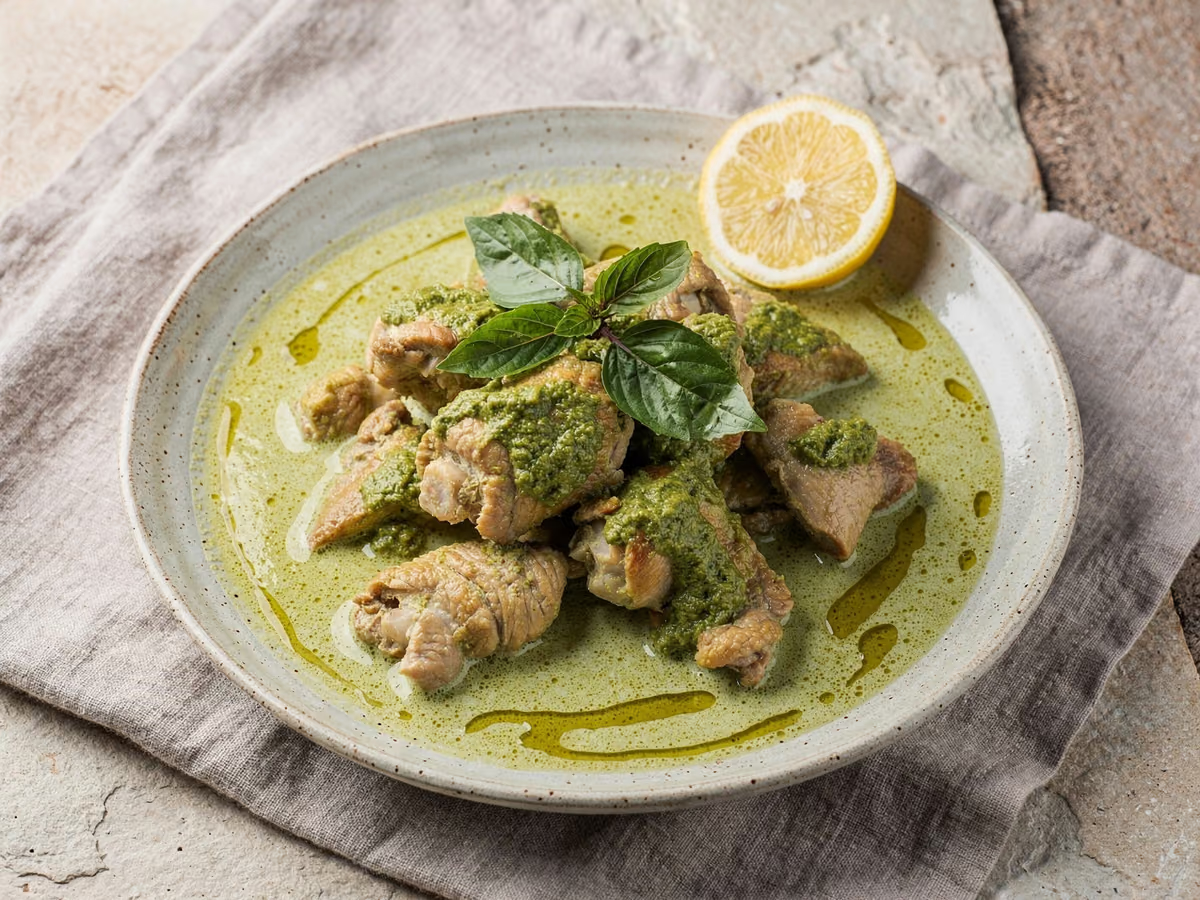
Frying the paste in hot oil for the full 1 to 2 minutes decides the pot: the aromatics in the paste are fat-soluble, so heat and oil pull them out and cook off the raw, vegetal edge the paste carries straight from the jar. The coconut milk never goes past a gentle simmer, because a hard boil forces its fat and water apart and the sauce turns oily instead of creamy; the emulsion is the texture. Fish sauce, brown sugar, lime and basil work as a balance system rather than as flavourings: salt, sweetness, sourness and perfume, with the lime and basil added off the heat, where their volatile aromatics survive instead of cooking flat.
Equipment
- Large pot or wok, 4 to 5 litres, with a lid
- Wooden spoon or heatproof spatula
- Chef's knife and cutting board
- Measuring jug
- Small bowl for the finish of basil and lime
- Saucepan with a lid or a rice cooker for the jasmine rice
- Ladle and warm serving bowls
Kitchen notes
Kitchen notes
- The jar decides more than your technique does. Taste a dab of the paste before you commit it: if your brand is weak or the jar has been open for months, fry a spoonful extra with the base, and if it is fiercely hot, start with 40 g of the 50 g and add more at the end.
- For the restaurant result, crack the coconut cream first: spoon the thick cream from the top of the can into the pot with the paste and fry until the oil beads separate and shine, then continue with the recipe. It is the same frying job as the oil, with more coconut flavour underneath.
- If you have a mortar and pestle, pound a handful of Thai basil into the 50 g of paste with a pinch of salt before it hits the oil. Bruised leaves release oils that a jar lost long ago, and the curry smells fresh rather than canned.
- Season the curry a touch saltier and sharper than you want in the finished bowl: 300 g of plain jasmine rice dilutes it at the table, and a pot balanced only by the spoon tastes flat once it meets the rice.
- Cook the rice first and keep it covered off the heat. The curry wants to be eaten the minute the basil goes in, and a perfect pot left standing while the rice finishes loses the fresh top notes you just paid for.
- If anyone at the table avoids shellfish, read the paste label: many green curry pastes include shrimp paste, sometimes under a Thai name. The label is the only reliable check, since the paste is otherwise just chilies, aromatics and salt.
Common mistakes
- A flat, raw-tasting curry: the paste was not fried long enough, or it went in after the liquid. Cook the 50 g of paste in the oil for the full 1 to 2 minutes, stirring constantly, until it is strongly fragrant and glossy; that short fry is where most of the flavour of the pot is decided.
- An oily, split sauce: the coconut milk was boiled hard instead of held at a simmer. Keep it at a lazy bubble once it goes in, and if it does split, take the pot off the heat and stir hard for a moment, because the emulsion sometimes re-forms; either way the flavour survives, though the sauce will look less creamy.
- Dry, tough chicken: the curry boiled rather than simmered, or it cooked well past 74°C. Keep the lid on and the heat low, start checking at 10 minutes, and if the chicken is already dry, shred it into the sauce and loosen the pot with a splash of coconut milk.
- A dull finish despite good paste: the lime and basil were cooked in, or all of the fish sauce went in at the start. Add the second spoon of fish sauce, the lime and the basil after the pot is off the heat; if the curry still tastes flat, brighten it with more lime rather than more salt.
- A watery sauce: too much broth for the amount of coconut milk, or light coconut milk instead of full-fat. Keep to the 400 ml of coconut milk and 250 ml of broth, simmer uncovered for a few minutes if it needs to tighten, and remember the sauce thickens as it stands.
- Sour, metallic bamboo: the canned shoots were not drained and rinsed. Rinsing strips the packing liquid, which carries the tinny note, and the shoots then only need the 10 to 12 minutes of the simmer to take on the coconut sauce.
Serving suggestions
- Serve over the 300 g of cooked jasmine rice in warm bowls, ladling the solids first and then spooning sauce over the top so it coats the rice instead of pooling at the bottom.
- Thai iced tea, plain iced tea or sparkling water alongside, because the creaminess of the coconut wants something clean and cold rather than more richness.
- A cucumber salad or quick-pickled cucumber on the side cools the heat between mouthfuls and adds the crunch the soft curry lacks.
- Four generous servings as written; to stretch the pot for a bigger table, cook extra rice rather than adding broth, which would water the sauce down.
Variations
- Green curry with tofu, a plant-based version: use 500 g of firm tofu, pressed, cubed and fried until golden, then add it with the vegetables; replace the fish sauce with soy sauce and check the paste label, because many green curry pastes include shrimp paste.
- Extra heat: add 2 to 3 sliced green bird's eye chilies with the paste, or keep chili flakes at the table. The heat of the paste varies by brand, so taste before you add more of it, and count on the fresh chilies for the top end.
- Cherry tomato version: add 1 cup of halved cherry tomatoes with 2 minutes left of the simmer; they soften into the sauce and add a bright acidity against the coconut that suits a lighter, summerier pot.
Refrigerator
- RefrigeratorCool the curry quickly and refrigerate it within 2 hours, the USDA FSIS limit for food left out; it keeps in an airtight container for up to 3 days, inside the FSIS window of 3 to 4 days for leftovers. Store the jasmine rice separately so it does not drink the sauce, and reheat rice only once.
- ReheatingReheat gently in a saucepan over medium-low heat for 5 to 7 minutes, stirring often, until it reaches 74°C, the FSIS minimum for leftovers. A splash of coconut milk or broth loosens a sauce that thickened in the fridge, and fresh basil and lime go in off the heat at the end.
- FreezingUp to 2 months, without the rice: portion into freezer containers, leave 2 cm of headspace, and thaw overnight in the fridge. The coconut sauce can look slightly grainy after freezing, and stirring it as it reheats brings the texture back together.
- Make aheadIt cooks well a day ahead: take it through the full simmer, cool it fast and refrigerate, then reheat to a gentle simmer and add the basil and lime fresh. The flavours marry overnight and the chicken stays tender, so it is a good pot to make on the morning of a dinner.
Updated:
How this recipe was developed
- Hot Thai Kitchen (Pailin Chongchitnant), Thai green curry chicken (frying the curry paste until fragrant and the oil separates, coconut milk kept at a simmer so it does not split, makrut lime leaves simmered in the sauce, fresh basil added off the heat)
- The Kitchn, Thai green curry (the paste fried in oil until the oil beads on top, then chicken simmered in coconut milk - the order this recipe follows)
- USDA FSIS / FoodSafety.gov safe minimum internal temperature chart (all poultry and reheated leftovers 74°C)
- USDA FSIS leftovers and food safety guidance (refrigerate within 2 hours; 3 to 4 days in the fridge; soups and stews 2 to 3 months in the freezer)
Editorial references are kept internally for verification. This page makes no claim of external certification or professional testing.
Gallery
FAQ
The questions we get asked most
Why did my green curry turn out bland?
Almost always under-frying the paste or losing the fresh notes. Cook the 50 g of paste in the oil for the full 1 to 2 minutes until it is fragrant before anything else goes in, and add the last of the fish sauce, the lime and the basil only after the pot is off the heat. If it is still flat, brighten it with lime rather than salt, because coconut milk needs acid more than it needs more salt.
Can I use light coconut milk instead of full-fat?
Yes, but the curry is noticeably thinner and less creamy. Cut the chicken broth to 150 ml so the sauce does not turn watery, keep the heat at a gentle simmer, and give it a few extra minutes to reduce before serving. Full-fat coconut milk is what the creamy texture of this recipe is built on.
Can I make this curry ahead of time?
Yes. Cook it fully through the simmer, cool it quickly and refrigerate it for up to 3 days, then reheat it gently and add the Thai basil and lime juice only at that point, because they lose their fragrance overnight. It also freezes for up to 2 months without the rice, and the flavours deepen after a night in the fridge.
How do I know when the chicken is cooked through?
Cut the thickest piece in half at the 10-minute mark: it should be fully opaque with no pink and no resistance when pierced, and a thermometer reads 74°C at the centre, the USDA FSIS minimum for poultry. If it is still pink, simmer it 2 to 3 minutes more and check again.
Can I use canned or frozen vegetables in this curry?
Yes. Canned bamboo shoots only need draining and rinsing and go in at the usual point; frozen bell pepper strips can go straight into the simmer without thawing and may need 2 to 3 minutes less cooking, because they are already soft. Both change the texture slightly, and neither harms the sauce.
Which green curry paste should I buy?
One with a short, honest ingredient list and a green colour that comes from chilies rather than colouring. Brand matters more than technique here: a weak paste gives a flat pot no matter how carefully you fry it, and a jar that has sat open for months tastes dull. If you are unsure, taste a dab raw before committing all 50 g.
How spicy is green curry?
It ranges from mild to genuinely hot depending on the paste, and a green curry can be hotter than a red one of the same brand, because the heat comes from fresh green chilies. Taste the 50 g before it goes in, start with 40 g if you are unsure, and put extra chilies on the table rather than trying to dilute the pot. Coconut milk and rice blunt heat a little, but rice does it best.
Ask KitchenMind about this recipe
Tell it what’s different tonight — it works within the actual recipe.