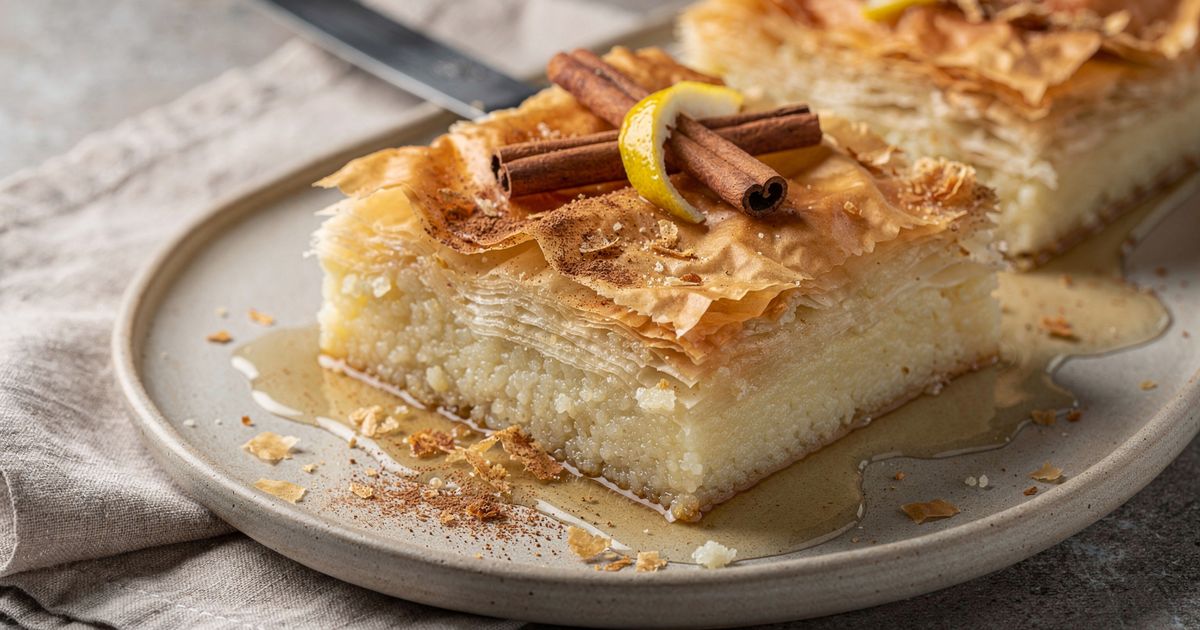
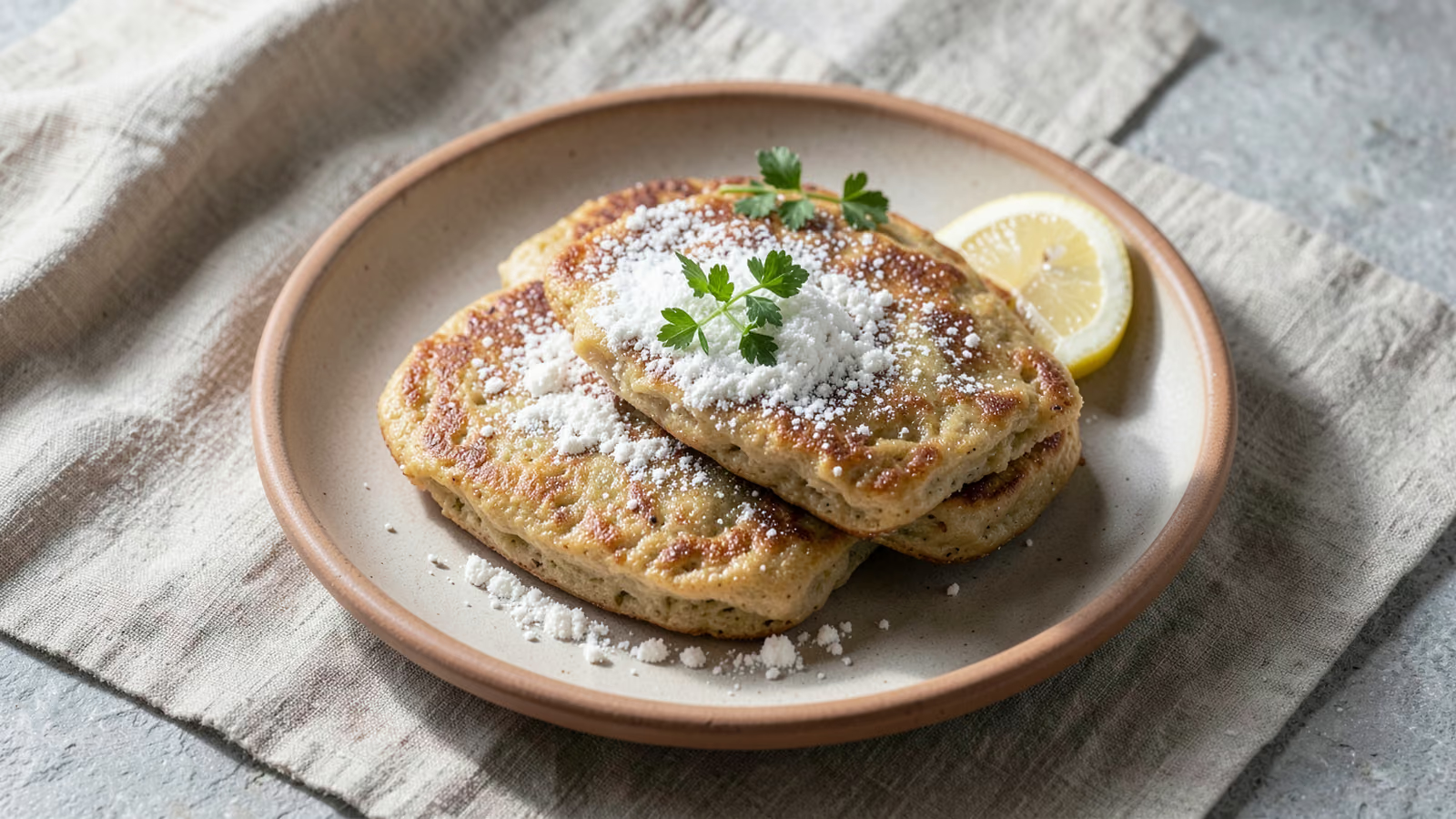
Torrijas
Stale bread soaked in milk, then fried in olive oil and finished with cinnamon and honey. Crisp at the edges, soft and custardy within. Ready in 40 minutes, serves 6.
- Prep
- 20 min
- Cook
- 20 min
- Total
- 40 min
- Serves
- 6
Ingredients
What you’ll need — tap to tick off as you go
- 12 slices
- 500 ml
- 80 g
- 120 ml
- 100 g
- 1 tsp
Process
Timers built in · swap anything · ask as you cook
Pour the whole milk into a medium saucepan. Add the cinnamon stick and strips of lemon zest. Warm over medium heat until small bubbles appear at the edge, about 4 minutes. Do not let it boil hard. Remove from heat and let steep for 10 minutes.
Meanwhile, mix the granulated sugar and ground cinnamon in a shallow bowl. Set aside for coating.
Arrange the stale bread slices in a single layer in a large baking dish. Pour the warm (not hot) infused milk over the bread. Let soak for 30 seconds per side, until the bread is moist but still holds its shape. Lift slices carefully with a slotted spatula onto a plate.
Beat the eggs in a wide bowl. Dip each soaked bread slice into the beaten egg, turning to coat both sides evenly.
Heat the olive oil in a large frying pan over medium heat until a drop of egg sizzles gently. Fry the egg-coated bread slices in batches, 2 minutes per side, until deep golden brown and crisp at the edges. Do not crowd the pan.
Transfer the fried torrijas to a plate lined with paper towels to drain briefly.
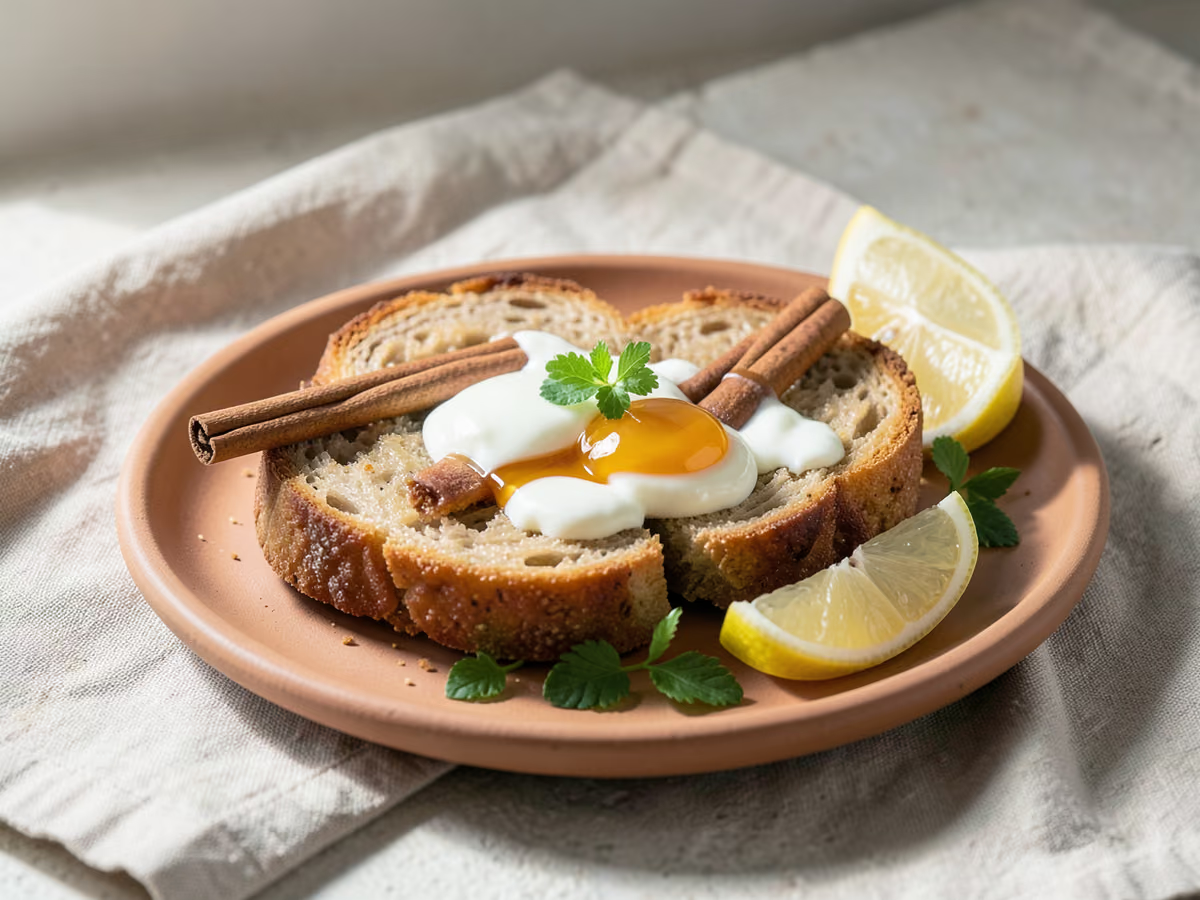
While still warm, brush each torrija generously with honey on both sides, then press into the cinnamon-sugar mixture to coat. Serve warm or at room temperature.
Kitchen notes
Kitchen notes
- The most common mistake is using fresh bread: it turns to mush in the milk. Use day-old bread, or dry fresh slices in a 150°C oven for 5 minutes before soaking.
- Soak the bread just until it feels heavy and moist but not falling apart. If the bread is very dry, it may need 45 seconds per side; if slightly stale, 20 seconds is enough.
- Keep the oil at medium heat. Too hot and the egg browns before the inside warms; too cool and the torrijas absorb oil and turn greasy. The egg should sizzle gently, not aggressively.
- For a cleaner finish, drain the fried torrijas on a rack instead of paper towels to prevent steaming and sogginess.
Substitutions
- whole milk→oat milk or almond milk for a dairy-free version
- honey→maple syrup or agave syrup
- olive oil→sunflower oil or another neutral frying oil
Storage & reheating
Store cooled torrijas in an airtight container in the refrigerator for up to 3 days. They can also be frozen for up to 1 month, layered between parchment paper. To reheat, place on a baking sheet in a 180°C oven for 5-7 minutes, until warmed through and crisp again. Do not microwave, as they become rubbery.
FAQ
The questions we get asked most
Why did my torrijas turn out soggy?
Sogginess comes from over-soaking the bread or using fresh bread. The bread should be stale and soaked only until moist but still firm. Also drain well after frying and avoid stacking them while hot.
Can I make torrijas ahead of time?
Yes. You can soak and fry them up to 1 day ahead, then store in the fridge. Reheat in a 180°C oven for 5-7 minutes before coating with honey and cinnamon sugar. Coating just before serving keeps them crisp.
What type of bread is best for torrijas?
Day-old baguette or rustic country loaf works best because it is sturdy and absorbs milk without disintegrating. Avoid soft sandwich bread, which turns mushy. If using a very dense bread, soak a little longer.
Can I use a different sweetener instead of honey?
Yes, maple syrup or agave syrup work well. You can also make a simple syrup by heating equal parts sugar and water with a cinnamon stick, then brush that over the fried torrijas.
How do I know when the torrijas are done frying?
They are done when the egg coating is deep golden brown on both sides and the edges look crisp, about 2 minutes per side over medium heat. The inside should be hot and custardy. If they brown too quickly, lower the heat.
Can I bake torrijas instead of frying them?
Yes. After dipping in egg, place the slices on a baking sheet lined with parchment paper, drizzle with a little olive oil, and bake at 200°C for 10 minutes per side. They will be less crisp but still delicious.
Why did my egg coating slide off during frying?
The egg coating slides off if the bread is too wet or the oil is not hot enough. Drain the soaked bread well before dipping in egg, and make sure the oil is at medium heat before adding the slices. Also, let the egg-coated slices rest for a minute before frying.
Ask KitchenMind about this recipe
Tell it what’s different tonight — it works within the actual recipe.