Affogato
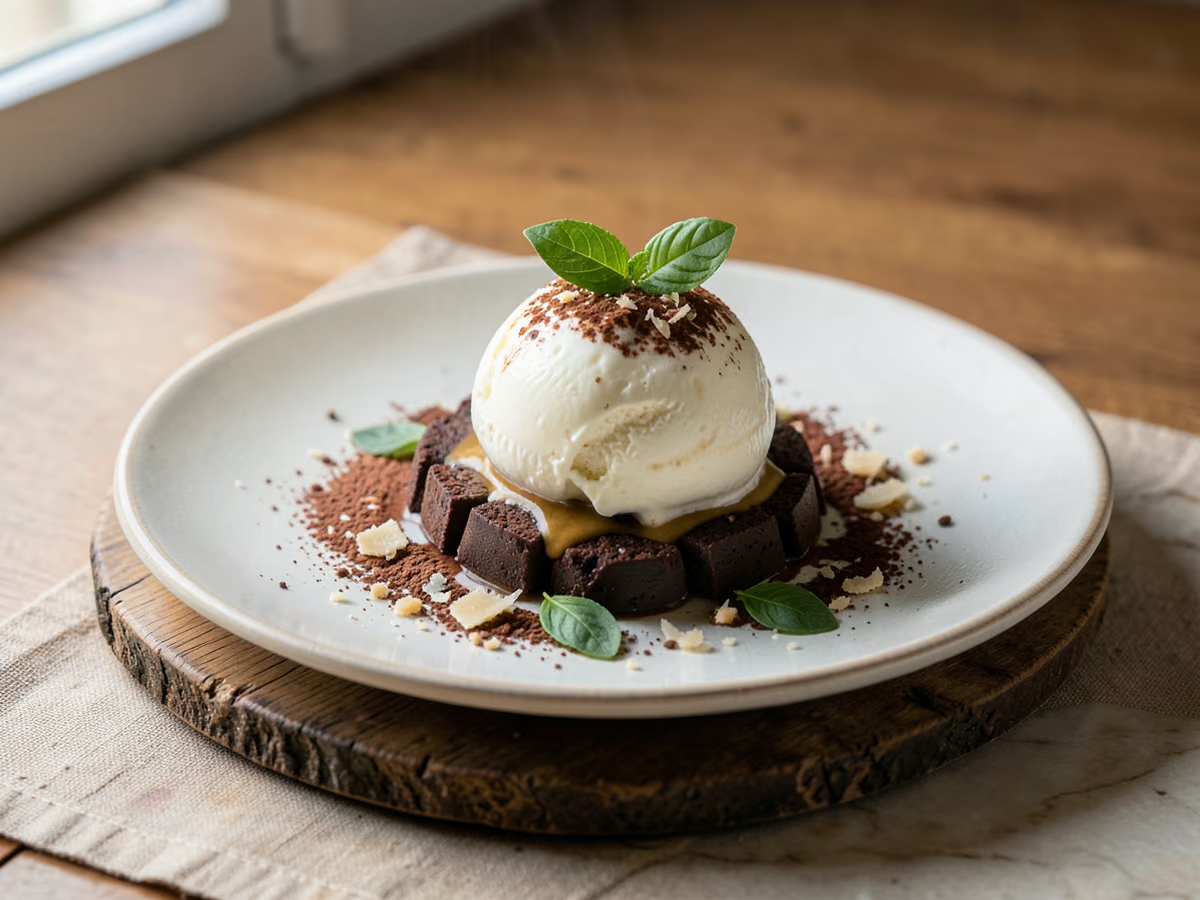
Three minutes of work stands between a frozen scoop and one of the great desserts of Italy. Affogato means drowned, and the method is exactly that: 60 ml of hot espresso poured over 200 g of vanilla gelato and eaten at once, the middle of the scoop still frozen while its top has already melted into sauce. Two glasses spend 5 minutes in the freezer, the pour takes 10 seconds, and nothing else is asked of you. Simple dish, narrow window. The timing is the recipe.
- Prep
- 5 min
- Cook
- 3 min
- Total
- 8 min
- Serves
- 2
Ingredients
What you’ll need — tap to tick off as you go
- 200 g
- 60 ml
- 10 g
- 1 pinch
Process
Timers built in · swap anything · ask as you cook
Slide two small glasses or dessert bowls into the freezer for 5 minutes. A frozen glass slows the melt from the outside, so the scoop keeps a cold core while the espresso works on its top, and the dessert reaches the table intact. Dry glass only (a damp one frosts and sweats). You can chill both glasses while the espresso machine heats up.
Brew 60 ml of espresso from 2 shots, but pull it only once the gelato is in the glass. The crema and the heat are doing the melting, and a shot left standing goes flat before dessert does. Work to a 25 to 30 second extraction and pull it straight into a small warm pitcher. The trick is timing. Don't worry if the crema is pale, because flavor, not foam, is what you are pouring.
Scoop 100 g of vanilla gelato into each chilled glass, then press it lightly onto the base so no large air pockets sit under the surface. No need to sculpt it. Dense gelato is what slows the melt, and the pour will collapse the top anyway. Work quickly here, since the freezer door is open and your ingredients are already warming.
Pour 30 ml of the hot espresso onto each scoop with the spout low and aimed under the gelato, not over the crown. The coffee should pool at the base and undercut the mound, so the first spoonful lifts cold, firm gelato with hot coffee behind it. That lands near 1 part espresso to 3 parts gelato, the ratio to hold to. One quick pour. A slow drizzle warms the whole scoop and turns your dessert into coffee milk.
Finish with 10 g of grated dark chocolate or a pinch of unsweetened cocoa powder, added at the very last second (shavings soften within a minute over the hot crema). Carry the glasses straight to the table with small spoons, and eat while the coffee still steams. This is a dessert with a five-minute window. It does not wait.
Why this recipe works
Hot espresso does three jobs at once, which is why the pour belongs at the table. It melts a thin layer of cream that folds into the coffee and thickens it, and it starts a clock you can almost hear. That melted layer cools the shot fast; 30 ml of coffee against a 100 g scoop cannot stay scalding, so the first spoonful arrives warm while the core stays firm. A chilled glass slows the melt from the outside, so the scoop holds its shape while you reach the table and lift a spoon. Two textures, one glass. The rest is ratio, because about 1 part espresso to 3 parts gelato keeps bitterness in check. Stir, and that contrast collapses into a tepid coffee shake.
Equipment
- Espresso machine, or a 2-cup moka pot
- Burr grinder set for espresso
- Small digital scale
- Two small glasses or dessert bowls, about 150 ml each
- Ice cream scoop, or a sturdy serving spoon
- Fine grater or microplane for the chocolate
- Small pitcher for pouring
Kitchen notes
Kitchen notes
- Why pull the shot after you scoop? Because those 25 to 30 seconds of extraction are the freshest your coffee will ever be, and this is the one dessert built entirely around that freshness.
- Keep the tub at the back of the freezer, where the temperature holds steadiest. Gelato from the door shelf softens first, and soft gelato is the most common way this dessert fails.
- Real vanilla is worth the extra cost here. Imitation flavor reads flat against the espresso, and the gelato is half the dish.
- For a dinner party, set a small station: chilled glasses, gelato scooped onto a tray in the freezer, machine or moka pot hot beside the table. Each pour then takes 10 seconds, and everybody gets the dessert at its best.
- Grind just before you brew. Pre-ground coffee loses the oils that give a shot its body (buy whole beans if you can), and thin espresso makes a thin dessert.
- There's no need for special kit here. A moka pot, a press, or instant powder all get you to a good glass, so long as the coffee is strong and hot.
Common mistakes
- A puddle of coffee milk: the gelato was soft before the pour, or the coffee went in too slowly. Chill the glass, keep the gelato hard in the freezer, and pour your 30 ml in one quick go; 5 minutes on the counter is enough to undo a scoop.
- A lukewarm coffee float: the shots sat on the machine while the table was set. Pull the espresso after the gelato is in the glass, and make the pour the very last thing that happens before the first spoon goes in, because a filled glass waits for nobody.
- A bitter, ashy finish: the extraction ran long, or the glass holds more coffee than the gelato can carry. Hold the shot to 25 to 30 seconds and keep it near 30 ml, because a scoop of gelato has no way to hide over-extracted coffee.
- A thin, watery dessert: too much coffee against too little gelato. Measure both sides, 30 ml and 100 g. The scoop is the dessert. The espresso is only sauce.
- A collapsing scoop: your glass came from the cupboard instead of the freezer, or the gelato had softened once and been refrozen. Chill the glass and start fresh from the tub. Five minutes fixes it.
- A flat first spoonful: you stirred the glass on the way to the table. Never stir the layers. Each spoonful should lift cold gelato and hot coffee together, because that layered bite is the whole point of the dish and the reason it belongs at the table instead of the blender.
Serving suggestions
- Serve in small glasses or bowls with small spoons, and eat within a few minutes of the pour. This dessert is not for lingering.
- A crisp biscuit alongside gives the next spoonful a clean start, and it is the usual companion to a coffee dessert in Italy.
- Leftover espresso, cooled and sealed in a jar, becomes iced coffee the following morning. Nothing poured over it is worth keeping.
- Hand the glasses out yourself, one at a time, and share it while the crema still shows. A dessert this short is better served as a moment than as a plate.
Variations
- Fior di latte finish: swap the vanilla for fior di latte or another plain milk gelato at the same 200 g; the espresso leads and the finish gets cleaner.
- Dairy-free version, and a genuinely different dessert: a vegan vanilla frozen dessert of any base, in the same 200 g, served in a frozen glass. Those bases melt fastest.
- Late dinner and caffeine keeps you up? Pull the same 60 ml from decaf beans and keep everything else identical.
Refrigerator
- RefrigeratorNothing survives once it is poured. Assemble and eat. The espresso is the keeper: cool it, seal it in a jar, and refrigerate it within 2 hours, the USDA two-hour rule for perishables, then stick with the 2-day window. The gelato tub itself stays at its best for about 2 weeks, kept at the back of the freezer rather than in the door.
- ReheatingWarm the jarred espresso over low heat in a small pan, or give it 20 to 30 seconds in the microwave, just until it steams. No microwave? The pan is quicker anyway. It is fine to heat only what you need. Boiling drives off the aromatics and leaves you with something that tastes like a memory of coffee. What is left over is a decent drink over ice.
- FreezingFreezing is not recommended. The assembled dessert collapses into ice and cream, and gelato that has fully melted should never go back into the tub, because refreezing breaks its texture into ice crystals. Eat the soft scoop and start fresh from the freezer.
- Make aheadEverything except the pour can be done ahead: put the glasses in the freezer, park the scooped gelato on a tray in there beside them, set up the machine, and lay out the spoons. Then pour each glass as you hand it over. Coffee poured early gives you cold coffee over melted cream, which is a different dessert entirely.
Updated:
How this recipe was developed
- USDA FSIS, Leftovers and Food Safety (refrigerate perishables within 2 hours; keep cold foods at or below 4°C)
- FDA, Are You Storing Food Safely? (the two-hour rule; refrigerator at or below 4°C; freezer at -18°C)
- Specialty Coffee Association, Defining the Ever-Changing Espresso (brew water 90.5 to 96.1°C; 20 to 30 second brew time; a single espresso is 25 to 35 ml)
- Zingerman's Deli, What's the difference between gelato and ice cream? (gelato churned slowly at 20 to 30 percent overrun; ice cream carries more air and at least 10 percent milkfat)
Editorial references are kept internally for verification. This page makes no claim of external certification or professional testing.
FAQ
The questions we get asked most
Why did my affogato turn into a puddle of coffee milk?
Soft gelato and a slow pour do it. Speed is the fix. Keep the scoop hard, work from a chilled glass, and land your 30 ml in one quick go. Five minutes on the counter is enough to soften a scoop past saving, and a hesitant drizzle over the dome lets the gelato melt into the coffee until the glass turns into coffee milk.
Can I make affogato ahead of time for a dinner party?
Only the parts. Chill the glasses, freeze scooped portions of gelato on a tray, and have the machine or moka pot ready to go, because the pour itself belongs at the table, one glass at a time. Otherwise you end up with cold coffee floating on melted cream.
What kind of coffee works best if I do not have an espresso machine?
A moka pot makes a small, strong, genuinely hot coffee close to a shot, and a concentrated press gets you the rest of the way there with 20 g of finely ground coffee, 60 ml of water, and 4 minutes of steeping. When even that is too much trouble, stir instant espresso powder into 60 ml of hot water and pour it at once. Skip the drip machine, since it is too weak for this ratio.
Can I use ice cream instead of gelato?
Yes, and the glass turns out very good either way. The two desserts behave differently, though. Ice cream holds more air in it, so its scoop slumps sooner once the coffee lands, while the denser gelato keeps an edge longer and gives the espresso a slower, cleaner melt to work on. Use real vanilla and keep the tub very cold.
How do I make a dairy-free or vegan affogato?
Choose a vegan vanilla frozen dessert; coconut, oat, and almond bases all work, so long as the tub is dense rather than icy. The pour stays the same. 30 ml of hot espresso, one scoop. Coconut is the fastest to collapse, so chill the glass hard and take the first spoonful quickly.
Why does my affogato taste bitter?
The shot ran long, or the glass holds more coffee than the gelato can handle. Mostly, bitterness is a timing problem. Keep it to about 30 ml and 25 to 30 seconds; past that the espresso turns ashy, and 60 ml over one scoop is simply too much. A slightly sweet vanilla balances what remains.
Can I add other flavors to affogato?
Keep additions small so the coffee stays the star. Stir a small pinch of ground cinnamon into the gelato, or scent it with a few drops of real vanilla extract. A teaspoon of maple syrup adds gentle sweetness without masking the espresso. Beyond that, syrups drown the contrast you just built.
Ask KitchenMind about this recipe
Tell it what’s different tonight — it works within the actual recipe.